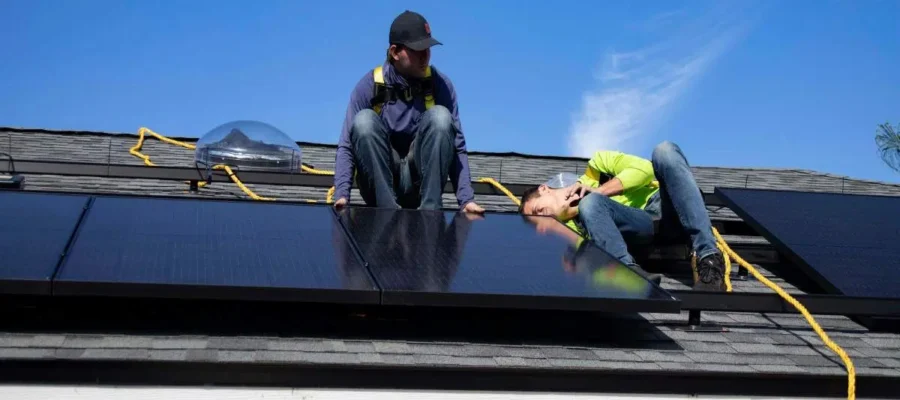
Photovoltaic panels are becoming an increasingly popular choice for modern homes. They guarantee energy independence, reduce bills and protect the environment. In this article you will find out how many panels are needed for your home.
- The number of panels depends on your monthly energy consumption and panel efficiency.
- ✔️ Correct sizing guarantees energy autonomy and investment optimization.
- Regular maintenance maintains efficiency and durability photovoltaic system.
☀️ Average monthly electricity consumption
To determine the number of photovoltaic panels necessary, you first need to know how much energy your home uses each month. Typically, a typical home consumes between 200 and 500 kWh per month.
⚡ Rated power of photovoltaic panels
Photovoltaic panels have variable powers, between 250 and 550W. Monocrystalline panels are more efficient and more expensive, while polycrystalline panels they are more convenient, but require a larger area for the same yield.
Calculation of requirement in kWh
If a house consumes 300 kWh per month, it will have to produce approximately 10 kWh per day. This means approximately 8-10 panels of 400W each, depending on location and exposure.
Influence of geographic location
Houses in the south of Romania receive more sunlight than those in the north. Therefore in the South fewer panels are needed for the same consumption.
️ Local weather conditions
Cloudy days, rain or snow affect energy production. In less sunny areas it is recommended to install a greater number of panels.
The size of the roof
The roof of the house must allow the installation of a sufficient number of panels. If space is limited, high-efficiency panels can be used.
Electricity bills
Check your bills for the last 12 months to calculate your average consumption. This provides a realistic basis for system sizing.
⚡Alternative energy sources
If you also have a heat pump, electric boiler or electric car, you will need more panels. It is important to consider all of these sources when planning.
Energy accumulators
If your system includes batteries, more panels will be needed to charge them efficiently. This guarantees energy autonomy and protection in the event of interruptions.
The available budget
The price per panel and the total budget directly influence the number of panels. It is important to find a balance between energy needs and initial investment.
⚡ Optimal energy efficiency
A well-sized system almost covers the house’s consumption. Oversizing or undersizing reduces investment efficiency.
Return on investment
With the right number of panels the investment pays for itself in 5-8 years. Incorrectly sized systems can extend this deadline.
Avoid energy losses
A correctly sized system avoids the risk of losses due to overproduction without storage. Therefore, every kilowatt produced is actually used.
️ Easier maintenance
A well-calculated system is easier to maintain and supervise. It is easier to identify and correct faults.
Low impact on the environment
Excess panels can waste resources during manufacturing and assembly. An optimal system has a lower ecological impact and a higher yield.
Long-term planning
A well-designed system takes into account possible future increases in consumption. This avoids the need for costly modifications in the future.
⚙️ The role of the inverter in the photovoltaic system
The inverter converts the energy produced by the panels (direct current) into energy that can be used in the home (alternating current). choosing inverter for photovoltaic panels the match between power and quality is important for the overall efficiency of the system.
Regular cleaning of the panels
Dust, leaves and dirt reduce the efficiency of light capture. Cleaning is carried out 2-3 times a year or more often, depending on the area.
Periodic checks of the installation
Specialists recommend an annual inspection of the cables, inverter and structure. This prevents failures and optimizes system performance.
️ Weather protection
Hail, snow or strong winds can damage the panels. It is important that the system is professionally installed with specific protections.
Monitoring of energy production
Through applications or special counters it is possible to keep track of system performance. Sudden falls may indicate a problem that requires intervention.
Prevention of ice formation
In winter, ice can compromise production or the supporting structure. You can install a defrost system or carefully clean the panels manually.
Updating system components
Solar technology is evolving rapidly and some parts may become inefficient. Replacing the inverter or some old panels can increase overall efficiency.
Therefore, establishing the correct number of photovoltaic panels it is essential to the energy efficiency of a home. With careful plannin and regular maintenance, you can turn solar energy into a sustainable and profitable investment.
latest posts published

About new generation thermodynamic solar systems
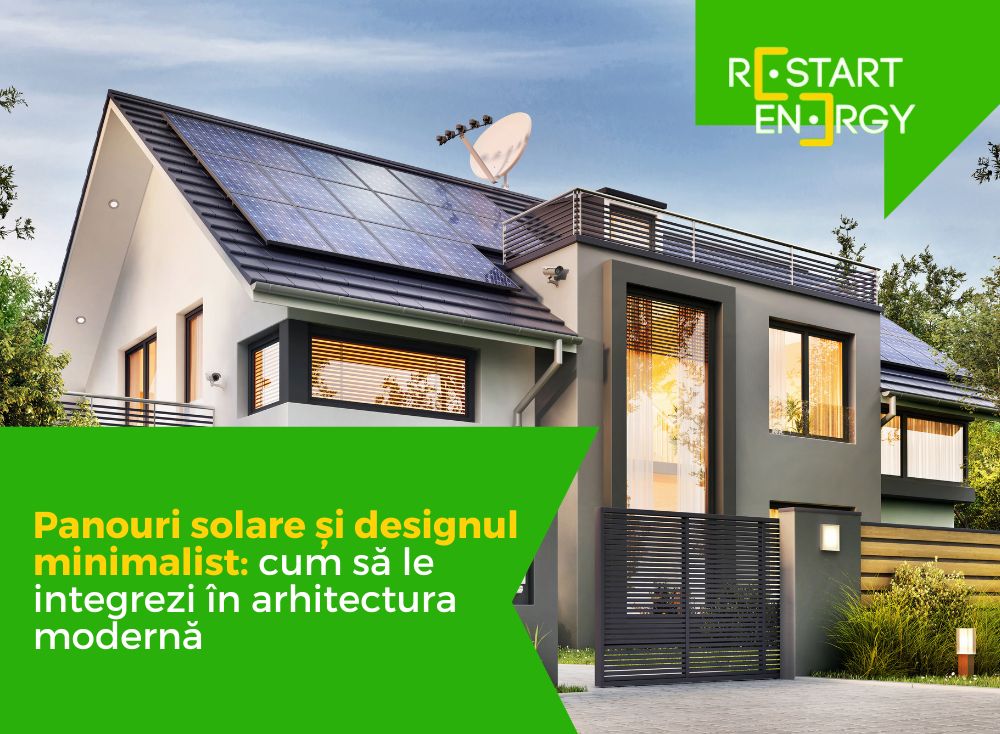
Solar panels and minimalist design: how to integrate them into modern architecture
The impact of solar energy on the energy market landscape
Minister of Energy, request for resignation
How to choose the right electric scooter for my lifestyle
Innovative solutions to monetize the energy of domestic solar panels
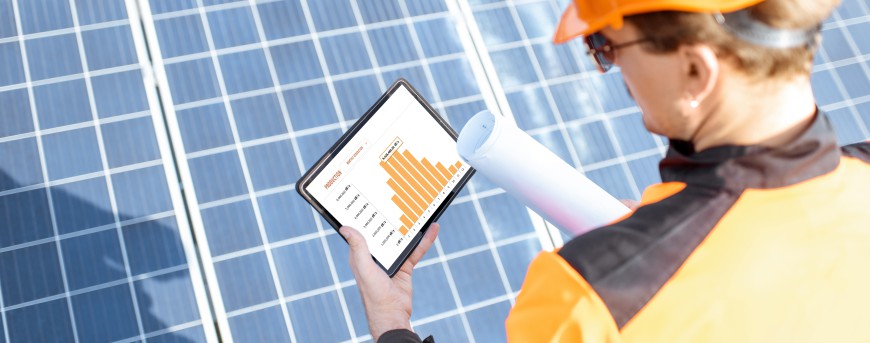
What is the difference between prosumer and producer of electricity
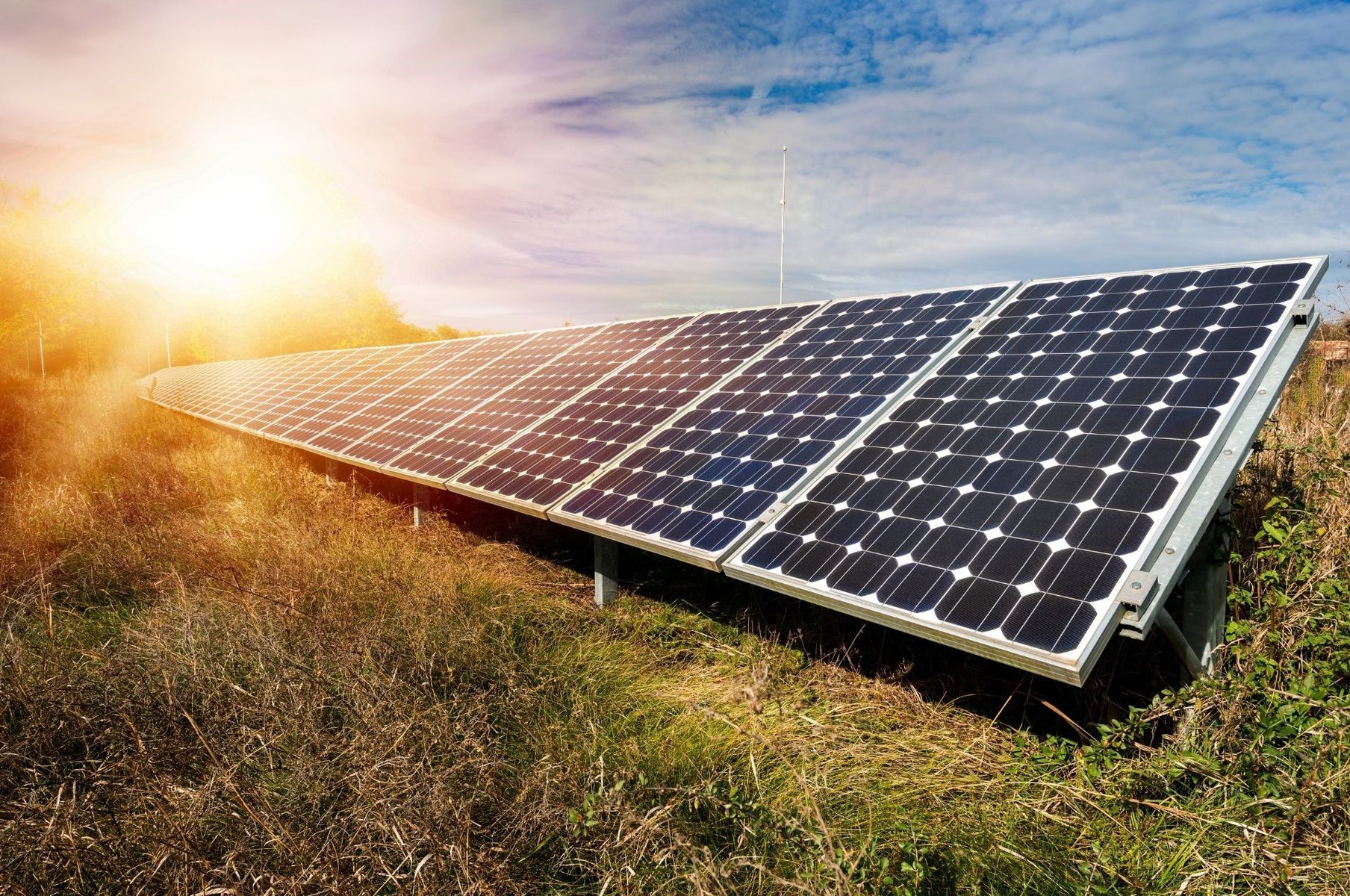
Solar panels for your business, profitable or not?
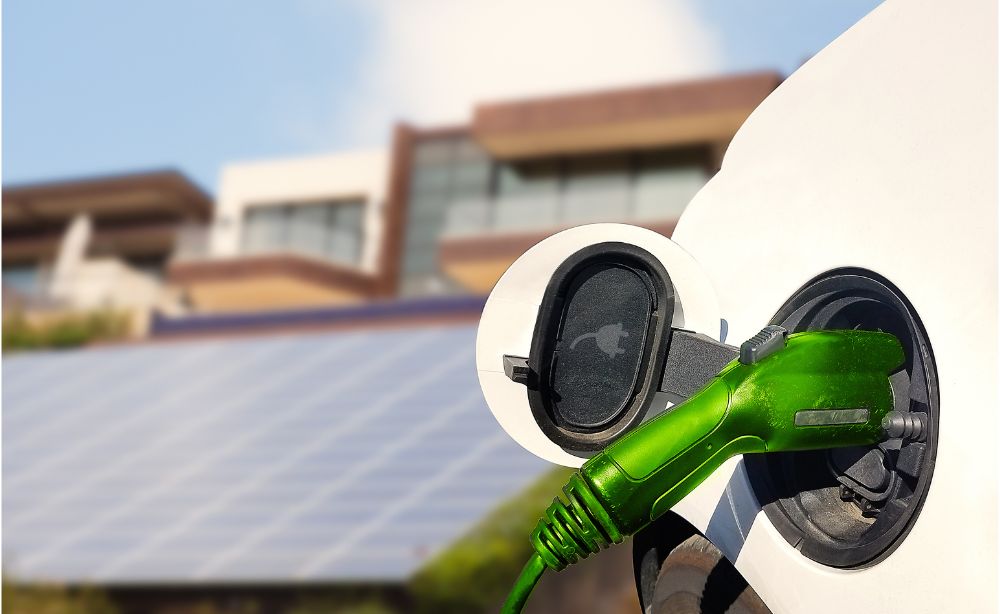
Solar panels for charging electric vehicles