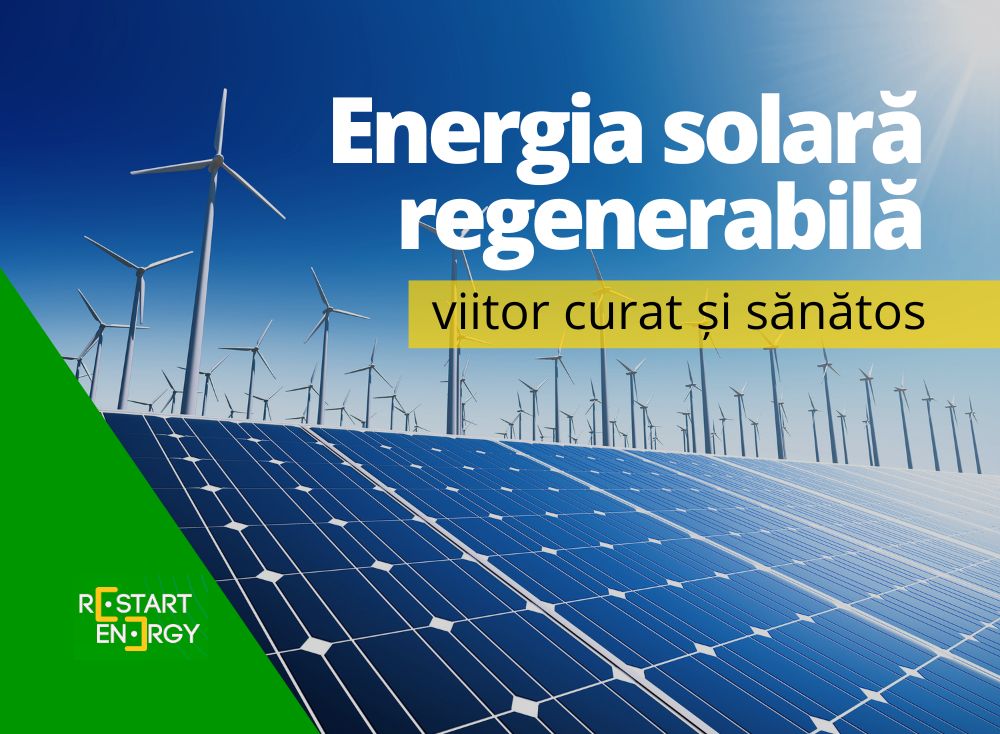
The energy industry is increasingly turning its attention to other promising alternatives to classic photovoltaic panels. If in the past thermodynamic solar systems focused only on the production of hot water, now the new generation of systems is becoming increasingly efficient and versatile.
There are systems capable of generating hot water up to 1000 degrees Celsius, sufficient to generate electricity directly from heating using concentrated solar radiation. Such a system works like a Stirling engine, where the expansion of the heated gas is converted into mechanical motion and then into electric current. The conversion rate of solar energy into electricity has exceeded 15%, double that of classic photovoltaic panels.
Systems are also being tested that replace the gas with molten salts, so that the heat is stored directly in the generator tank. It can produce electricity even at night or when the weather is cloudy.
Other research directions concern hybrid systems with photovoltaic panels, the use of solar energy and hydrolysis to produce hydrogen or direct air heating for turbine engines. These types of systems are likely one of the future directions in sustainable solar energy conversion.
The photovoltaic panels capture solar radiation throughout the day, while the thermodynamic system only works when the sun is sufficiently strong. The thermodynamically generated heat can be stored in tanks of molten salts or other materials, ensuring the production of electricity even at night.
Hybrid systems use the same solar tracking infrastructure and terrain for positioning as the classic variant. You can also find configurations in which thermodynamic heat is also used to regenerate used photovoltaic panels. A modular design allows you to optimize the ratio between photovoltaic and solar thermal based on the specific resources and energy needs of each location.
The performance of current experimental systems is remarkable, and new materials and construction architectures further optimize energy efficiency. To become a viable alternative, however, implementation costs must also be reduced.
Stay in constant contact with the Restart Energy team to have access to the latest photovoltaic technologies!
Conclusion
The renewable energy sector is evolving rapidly, and the growing interest in alternatives to traditional photovoltaic panels highlights the industry’s commitment to innovation and efficiency. While photovoltaic technology remains one of the most widely used methods for harnessing solar energy, emerging solutions are demonstrating that there are multiple ways to take advantage of renewable resources. Among these alternatives, thermodynamic solar systems have gained significant attention due to their ability to deliver reliable performance and adapt to a wider range of energy needs.
In the past, thermodynamic solar systems were primarily designed for domestic hot water production. Their role was relatively limited compared to other renewable technologies. However, advances in engineering, materials, and system design have transformed these installations into highly efficient and versatile energy solutions. Modern thermodynamic systems can capture and utilize ambient energy from the surrounding environment, allowing them to operate effectively even when direct sunlight is limited. This capability provides a major advantage in regions where weather conditions may reduce the efficiency of conventional solar panels.
Another key benefit of next-generation thermodynamic systems is their flexibility. Today, they can be integrated into residential, commercial, and industrial settings, supporting not only hot water production but also heating and other thermal energy requirements. Their ability to work efficiently throughout the year makes them a practical option for reducing dependence on traditional energy sources. As a result, users can lower their energy consumption, decrease operating costs, and contribute to a more sustainable future.
The increasing adoption of innovative renewable technologies reflects a broader global effort to meet rising energy demands while minimizing environmental impact. Governments, businesses, and homeowners are seeking solutions that combine performance, sustainability, and long-term economic value. Thermodynamic solar systems fit well within this objective, offering a complementary technology that can enhance overall energy efficiency and reduce carbon emissions.
Looking ahead, the continued development of thermodynamic solar technology is likely to expand its role within the renewable energy landscape. As research and innovation drive further improvements in efficiency and affordability, these systems may become an increasingly common choice for energy-conscious consumers. Their evolution demonstrates that the future of solar energy is not limited to photovoltaic panels alone but includes a diverse range of technologies designed to maximize renewable energy utilization. By embracing these advancements, society can move closer to achieving a cleaner, more resilient, and sustainable energy future.
latest posts published

About new generation thermodynamic solar systems
Solar panels and minimalist design: how to integrate them into modern architecture
The impact of solar energy on the energy market landscape
Minister of Energy, request for resignation
How to choose the right electric scooter for my lifestyle
Innovative solutions to monetize the energy of domestic solar panels

What is the difference between prosumer and producer of electricity
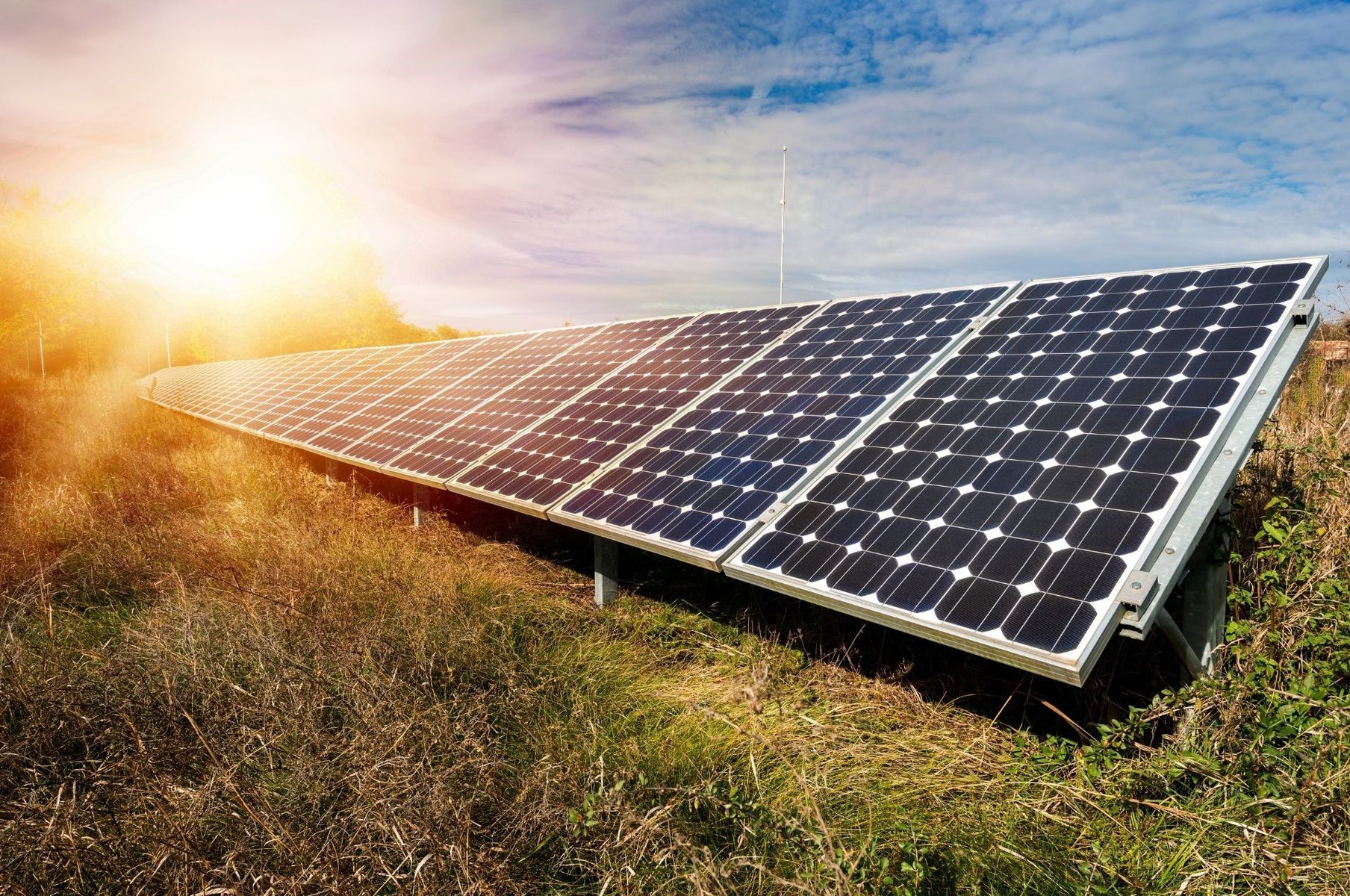
Solar panels for your business, profitable or not?
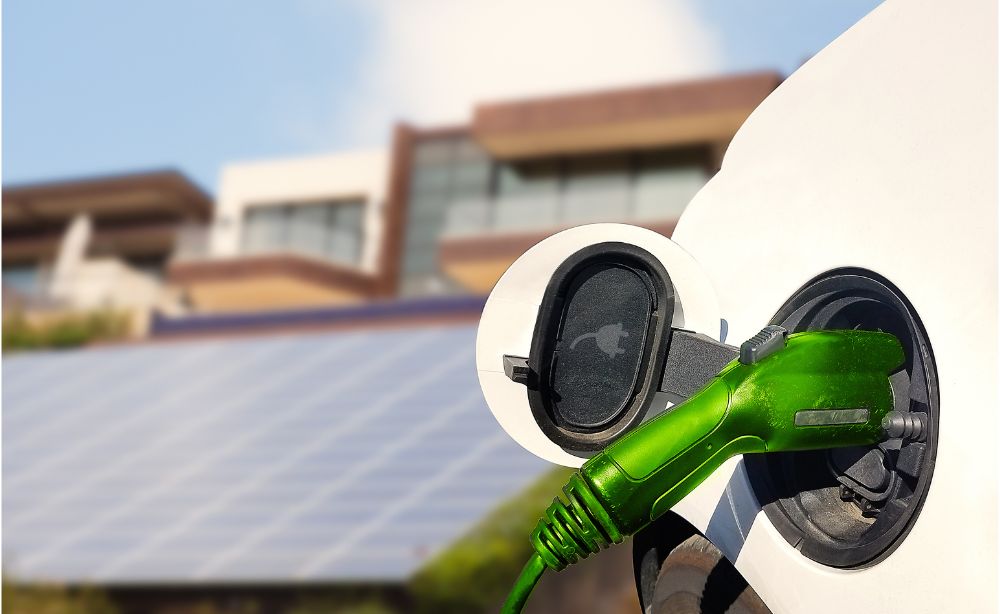
Solar panels for charging electric vehicles