Our children are the citizens of tomorrow and the issues related to climate change and renewable resources will not end soon. It is wise to teach them about energy and energy efficiency, as well as good manners, safety and good organization.
Children who are informed about energy efficiency will help reduce expenses and in turn encourage new generations to optimize their use of electricity.
Here you can learn 5 ways to teach children to be more aware of energy.
-
Be an example for them
Children look to their parents as an example. Parents’ daily habits are shaped by their way of being, so don’t expect them to save energy if you leave the lights on when you leave the room, or put the TV on standby in the evening when you go to bed. First of all, create healthy energy efficient habits yourself and children will pick up this habit as a matter of course.
-
Start early
The hardest habits to break are the ones you’ve had for a long time, so pass small energy-saving habits onto your kids. Just as it’s normal to remind them to say «please» and «thank you» and to be careful when crossing the street, insist on energy-saving habits like turning off the lights when they leave the house from an early age.
-
Do it in a fun way
Children learn much more effectively through play and fun, so make learning a family activity that everyone can enjoy. Make energy efficiency awareness activities fun.
Get into the habit of periodically going days without a TV, tablet or phone. Read them stories, play board games, and go on nature walks. Show kids that you don’t have to be in front of screens to have fun!
-
Motivate them
Involving children in family activities will help them be responsible and helpful and give them confidence. This will encourage them to evolve and want to do even more. For this, you have to insist on the message you want to convey and not let them lose interest. Reward them for the positive actions they take on their own initiative and encourage them to tell their friends how they care about the environment.
-
Constantly talk to them about ways they can help the Planet
Children are curious by nature and all parents know how much they love the question «Why?». As you introduce the topic of energy into your daily life and conversations with your little ones, children will ask you questions, so be prepared!
Make talking about energy and the environment a daily habit. For example, talk about how to prepare groceries when you’re at the supermarket and why it’s important to use as little as possible. When you are in the car, talk about efficient and low-polluting driving, or choose to walk and explain to the little ones why this is good for the planet. Explaining your actions to protect the environment will spark their interest in energy efficiency and push them to learn more.
Conclusion
Educating children about energy efficiency and responsible energy use is an investment in a more sustainable future. As future generations will face the ongoing challenges of climate change, resource management, and environmental protection, it is essential that they develop an understanding of how energy is produced, consumed, and conserved. Teaching these concepts from an early age helps build awareness and encourages habits that can have lasting positive effects on both society and the environment.
Energy education goes beyond simply learning how electricity works. It also helps children develop important life skills such as responsibility, organization, safety awareness, and critical thinking. By understanding the value of energy and the resources required to produce it, young people become more conscious of their daily choices and the impact those choices can have on the world around them. Simple actions such as turning off unused lights, reducing waste, and using appliances efficiently can become lifelong habits that contribute to energy conservation.
The benefits of educating children about energy efficiency extend beyond environmental awareness. Households can also experience practical advantages as informed children often encourage energy-saving behaviors within their families. By participating in efforts to reduce unnecessary electricity consumption, they can help lower household expenses while reinforcing the importance of responsible resource management. These small actions, when adopted consistently, can lead to meaningful savings and a more efficient use of energy.
Furthermore, children who understand the importance of renewable energy and sustainability are more likely to support innovative solutions in the future. As technology continues to evolve and societies transition toward cleaner energy sources, informed individuals will be better prepared to make responsible decisions as consumers, professionals, and citizens. Their knowledge can help drive the adoption of sustainable practices and encourage future generations to prioritize environmental stewardship.
Schools, families, and communities all play an important role in fostering this awareness. By integrating lessons about energy efficiency, renewable resources, and environmental responsibility into everyday learning, they can help create a culture of sustainability that extends across generations. Encouraging curiosity and providing practical examples can make these concepts more engaging and easier for children to understand.
In conclusion, teaching children about energy efficiency is one of the most valuable steps society can take toward building a sustainable future. By helping young people understand the importance of conserving energy and using resources responsibly, we empower them to make informed choices that benefit both their communities and the planet. These lessons not only contribute to lower energy consumption and reduced expenses today but also help shape a generation capable of creating a cleaner, more efficient, and environmentally responsible world tomorrow.
latest posts published

About new generation thermodynamic solar systems
Solar panels and minimalist design: how to integrate them into modern architecture
The impact of solar energy on the energy market landscape
Minister of Energy, request for resignation
How to choose the right electric scooter for my lifestyle
Innovative solutions to monetize the energy of domestic solar panels
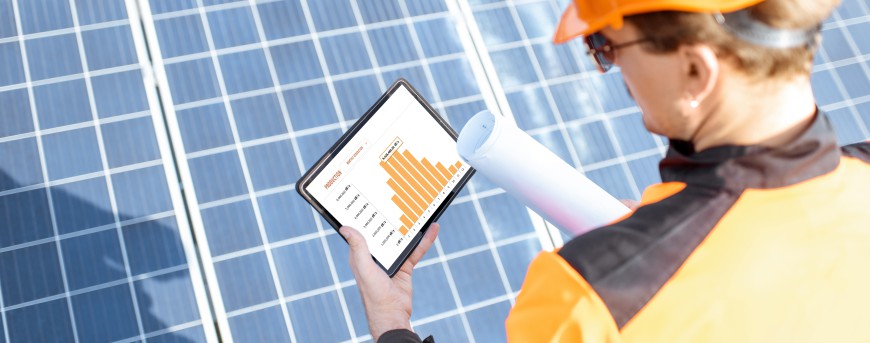
What is the difference between prosumer and producer of electricity
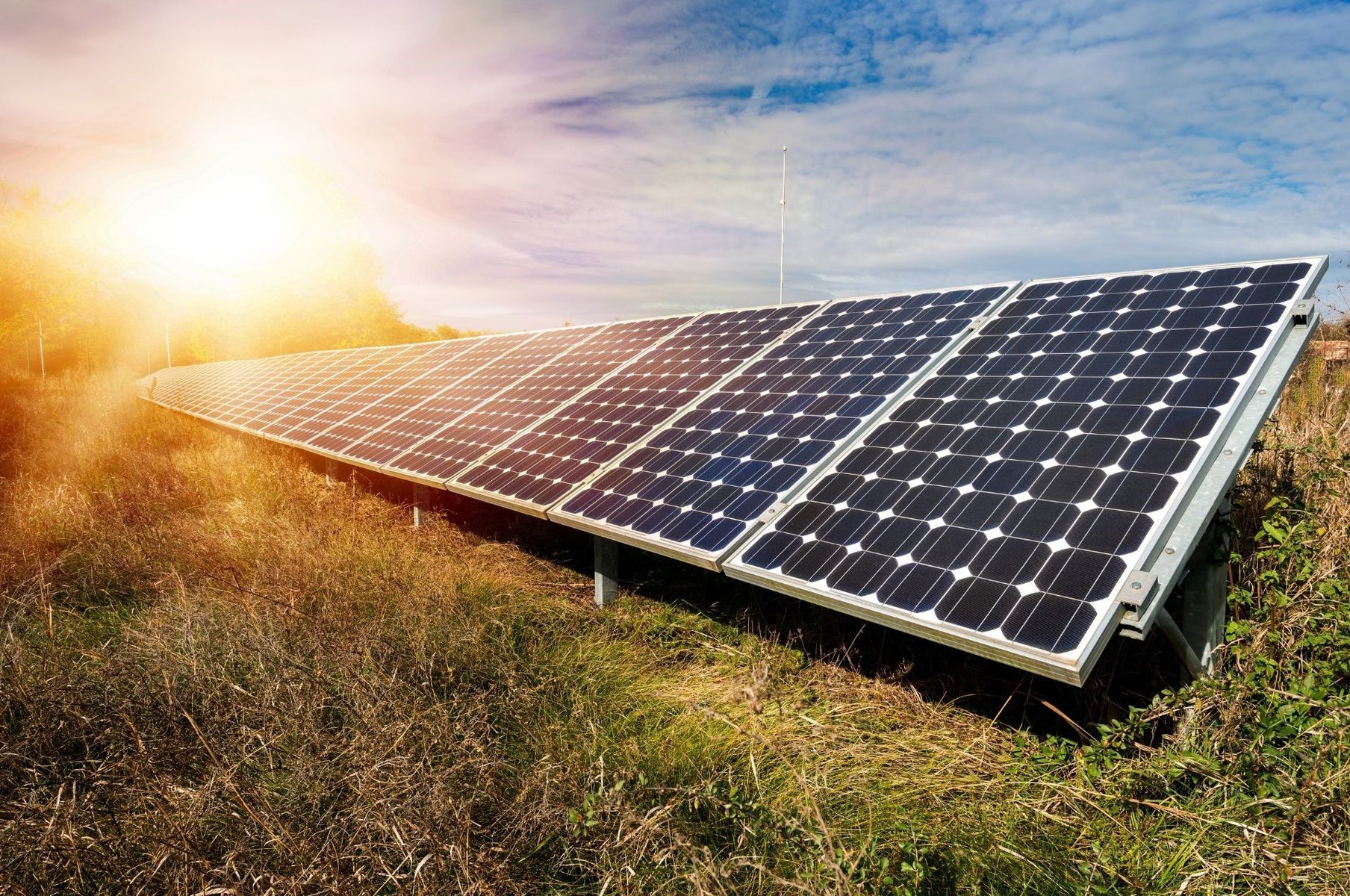
Solar panels for your business, profitable or not?
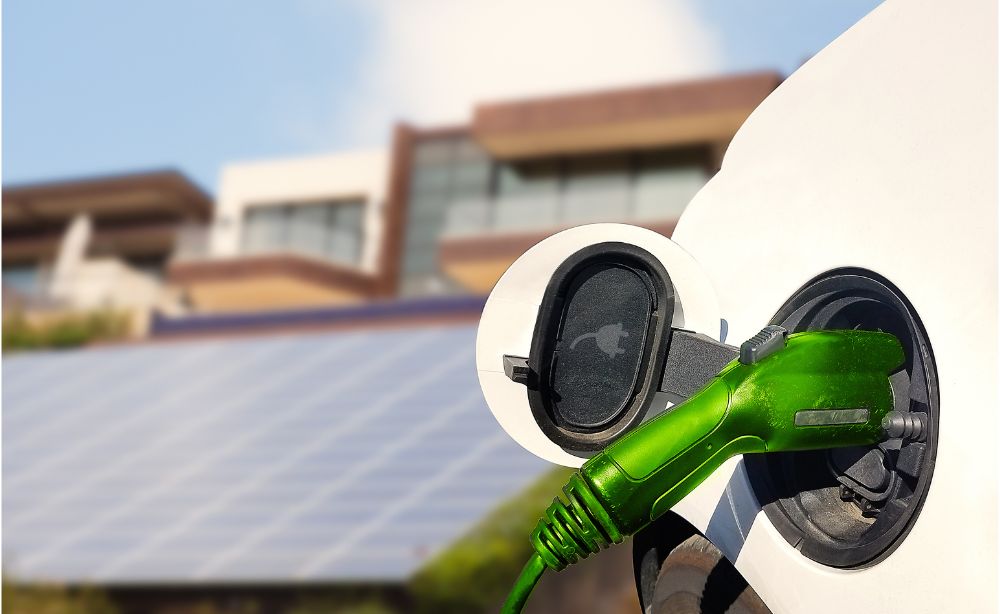
Solar panels for charging electric vehicles