Recently, there is growing interest in using solar energy as an alternative energy source. Solar panels are an essential component of this energy system. They convert the sun’s energy into electricity, which can be used to power homes, businesses and other structures. When choosing solar panels, it is important to consider their efficiency. This will help you get the most out of your investment. At the same time, you will ensure that your solar panel system generates as much electricity as possible.
Solar panel efficiency refers to the amount of sunlight it can convert into usable electricity. Efficiency is measured by the conversion rate, which is the percentage of sunlight converted into electricity. Why is solar panel efficiency important? A more efficient solar panel can generate more energy than a less efficient panel, which is vital in areas with limited sunlight. A more efficient solar panel can also be more cost-effective in the long run because it can generate more energy for the same initial investment.
Photovoltaic panels and their efficiency
Installing the best solar panels for your home or business is a great way to save energy and reduce your bills.
- Monocrystalline: the most effective.
Monocrystalline panels are presented as the most efficient option. They are often installed for larger energy systems, but can also be used in smaller installations. - Polycrystalline: the most convenient.
Polycrystalline panels are made up of several pure silicon crystals fused together. Polycrystalline panels are actually less efficient than their monocrystalline counterparts. They are, however, a good choice for both small and large installations. - Thin film solar panels: recommended for powering transportation.
Although they are lightweight, thin-film photovoltaic cells – which are not made of silicon – are the least efficient type of solar panel. flexibility and portability are two assets that cannot be ignored.
Essential factors when choosing solar panels
The efficiency of solar panels is determined by the amount of sunlight reflected on the surface of the panels, which is then converted into electricity. In the past, the average efficiency of solar panels was around 15%. Thanks to advances in photovoltaic technology, the efficiency of solar panels is currently between 15 and 22%. When choosing a solar panel based on efficiency, you need to consider the following factors:
- COST. A more efficient solar panel can be more expensive than a less efficient one. However, the additional cost is worth it if the more efficient panel generates enough power.
- Area. More efficient solar panels are generally smaller and take up less space than less efficient panels.
- position. The amount of sunlight your solar panels receive can vary depending on where you operate.
Conclusion
The growing interest in solar energy reflects a global shift toward cleaner, more sustainable, and cost-effective sources of power. As homeowners, businesses, and organizations increasingly adopt renewable energy solutions, solar panels have become a key technology in the transition to a more environmentally responsible energy future. By converting sunlight into electricity, photovoltaic panels provide a reliable source of clean energy that can reduce dependence on conventional power sources while delivering long-term economic benefits.
When investing in a solar energy system, one of the most important factors to consider is the efficiency of the solar panels. Panel efficiency determines how effectively sunlight is converted into usable electricity. Higher-efficiency panels can generate more power from the same amount of available space, making them particularly valuable for properties where installation area may be limited. Understanding efficiency ratings allows consumers to make informed decisions and select a system that best meets their energy needs and financial objectives.
Choosing efficient solar panels can significantly improve the overall performance and profitability of a solar installation. A system that generates more electricity will provide greater energy savings, reduce reliance on the electrical grid, and potentially shorten the payback period of the investment. Over the lifespan of the system, higher energy production can result in substantial financial benefits while maximizing the value of the available solar resource.
However, efficiency is not the only factor to evaluate. The quality of materials, durability, warranty coverage, and compatibility with other system components also play important roles in determining long-term performance. A well-designed solar installation combines efficient panels with reliable inverters, proper positioning, and professional installation practices to achieve optimal results. By considering all of these elements together, users can ensure that their solar energy system operates effectively for many years.
Beyond financial considerations, efficient solar panels contribute to broader environmental goals. By producing more electricity from renewable resources, they help reduce greenhouse gas emissions and decrease dependence on fossil fuels. As renewable energy adoption continues to expand, improvements in solar panel efficiency will play a crucial role in increasing the contribution of clean energy to global electricity production.
In conclusion, solar panel efficiency is a critical factor in maximizing the benefits of a solar energy investment. By carefully evaluating efficiency and overall system quality, homeowners and businesses can generate more electricity, achieve greater savings, and improve the long-term value of their installation. As solar technology continues to advance, increasingly efficient panels will help make renewable energy even more accessible, practical, and beneficial for both consumers and the environment.
r!
latest posts published

About new generation thermodynamic solar systems
Solar panels and minimalist design: how to integrate them into modern architecture
The impact of solar energy on the energy market landscape
Minister of Energy, request for resignation
How to choose the right electric scooter for my lifestyle
Innovative solutions to monetize the energy of domestic solar panels
What is the difference between prosumer and producer of electricity
Solar panels for your business, profitable or not?
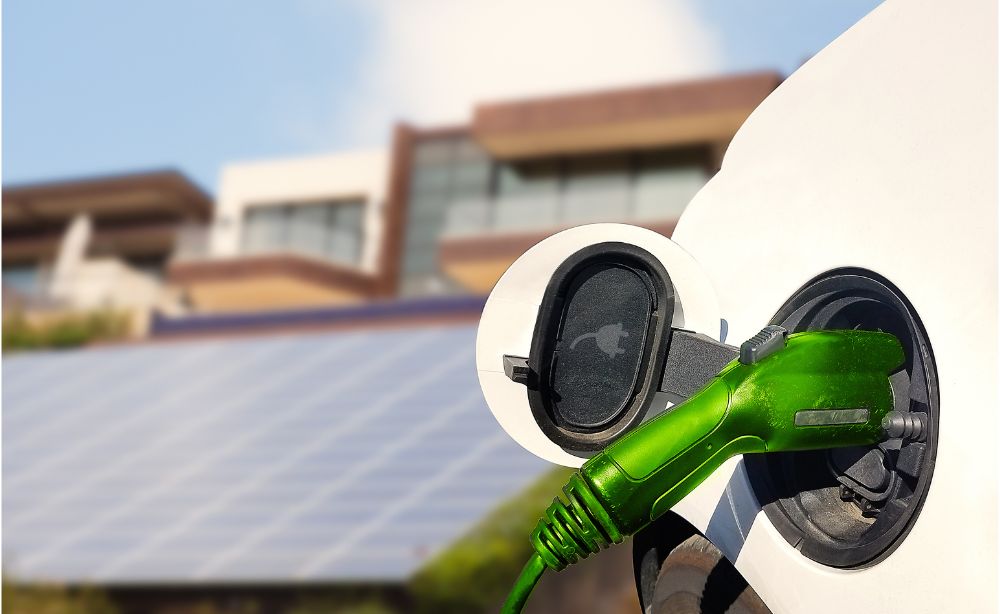
Solar panels for charging electric vehicles