Once you have decided that you need to prepare your photovoltaic business, it is a good idea to start with a rigorous analysis of the challenges and opportunities that the European solar panel market offers.
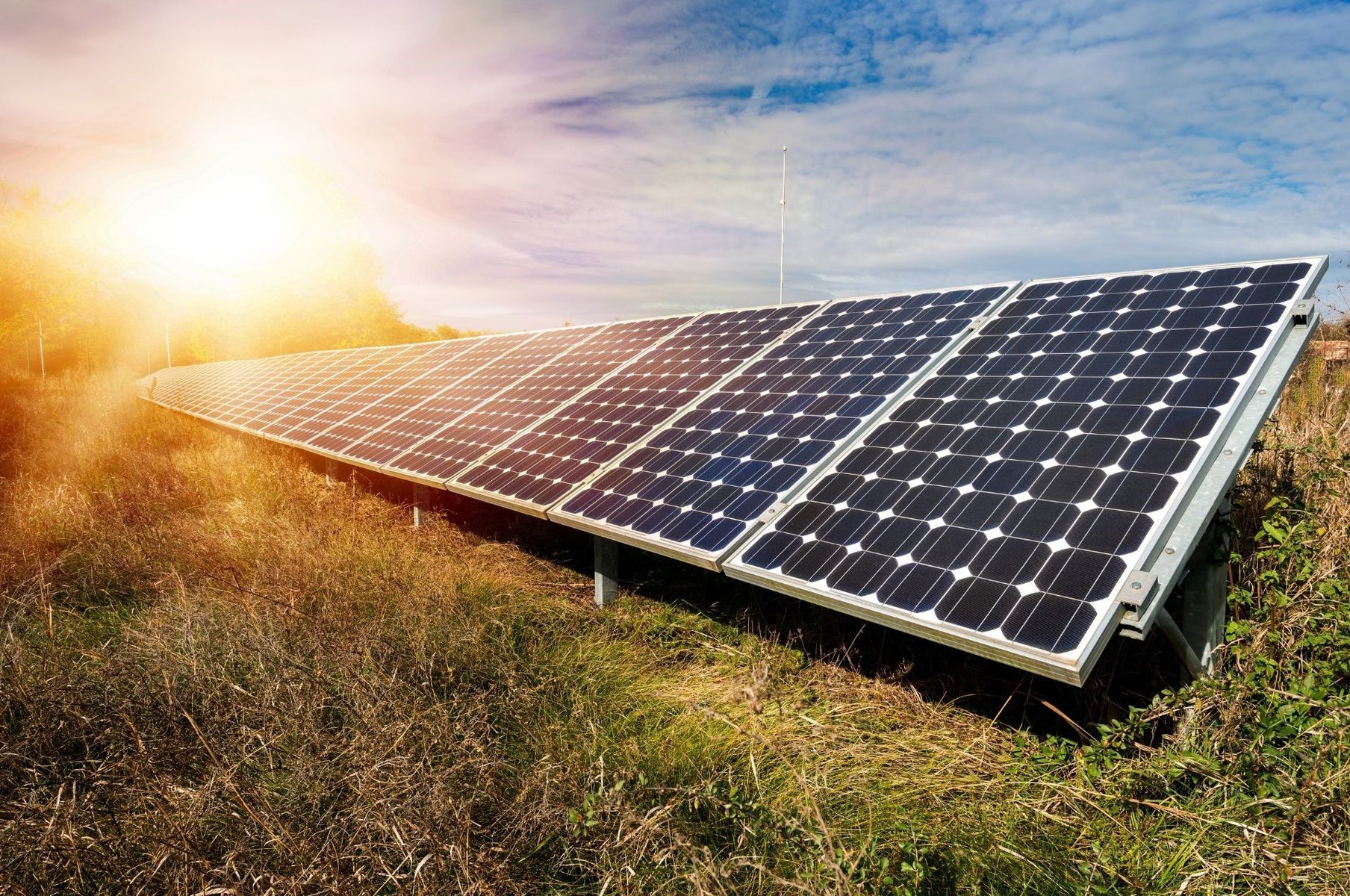
The European solar panel market is one of the fastest growing markets, but it also faces some obstacles. On the one hand, the demand for photovoltaic systems is continuously expanding, together with the EU’s clean energy objectives. However, the sector depends on imports of cells and modules from Asia and this creates volatility. At least partial relocation of European production of equipment and materials would simplify the logistics of importing equipment.
Another disadvantage is the bureaucracy and regulations that are constantly changing from country to country. Numerous authorizations and approvals are required from local and national authorities (urban planning, environment, consumer protection, etc.) and the bureaucratic process to obtain agreements can in some cases last months. Regulations on subsidies and the green energy support scheme change frequently, creating uncertainty. Administrative simplification and customer/installer assistance programs would be necessary to combat bureaucracy.
On the other hand, the opportunities are enormous.
Massive integration of solar panels in new buildings promoting BIPV (construction integrated) solutions, mandatory for public buildings. On the other hand, the installation of solar systems in homes is encouraged through accessible financial programs. As well as the standardization of bureaucratic procedures for connecting to the network.
Furthermore, the use of degraded land, parking lots and green spaces in cities for the location of small and medium-sized solar plants. The development of smart grids and the green certificate market to maximize the use of solar energy released.
Reforming market incentive systems and standardizing grid connection procedures would accelerate the adoption of solar power generation. Furthermore, establishing unique standards on solar equipment performance and installation quality would accelerate the development of the market. Furthermore, the development of the after-sales service market and the second-hand solar equipment market serves as the growth engine of the mature industry.
Overall, the European market remains promising, but requires efforts for long-term sustainable and independent development. The Restart Energy specialists can be at your side for any advice you need in this regard!
Conclusion
Entering the European photovoltaic sector requires a forward-thinking approach rooted in a rigorous analysis of the market’s distinct challenges and evolving opportunities. As the text outlines, Europe represents one of the fastest-growing solar markets globally, driven heavily by aggressive European Union clean energy mandates and a widespread shift toward sustainability. This massive, sustained expansion in demand provides a highly lucrative environment for new and existing solar businesses. However, capitalizing on this growth requires a strategic understanding of the structural vulnerabilities that exist within the supply chain, particularly the market’s heavy reliance on external manufacturing.
The primary obstacle facing the European solar industry is its deep dependence on Asian imports for critical components like solar cells and photovoltaic modules. This geographic concentration exposes European businesses to severe market volatility, fluctuating shipping costs, and unpredictable geopolitical disruptions that can stall project timelines. To mitigate these risks, there is an urgent and growing movement toward the partial relocation of equipment and material production back to European soil. By domesticating portions of the supply chain, the industry can significantly simplify import logistics, stabilize pricing, and establish a more resilient infrastructure capable of supporting uninterrupted market growth.
For businesses preparing to launch or expand in this space, this transition period opens up substantial strategic advantages. Companies that align themselves with localized supply chains or specialize in regional logistics will be better positioned to offer reliable delivery timelines and stable pricing to their clients. Furthermore, investing in partnerships that support European-manufactured components allows businesses to hedge against international trade disputes and capitalize on regional subsidies designed to boost domestic green production. Navigating these supply chain dynamics successfully is what separates highly profitable solar ventures from those vulnerable to global market shocks.
In summary, while the European solar panel market offers immense potential fueled by strict decarbonization goals, its long-term stability hinges on overcoming its import dependencies. A thorough upfront analysis allows businesses to anticipate these supply chain shifts and adapt their procurement strategies accordingly. By recognizing the push toward localized manufacturing as both a solution to current volatility and an emerging commercial opportunity, photovoltaic enterprises can build resilient operational models. This strategic foresight ensures they are well-equipped to meet Europe’s expanding energy demands while safeguarding their business against global logistical vulnerabilities.
latest posts published

About new generation thermodynamic solar systems
Solar panels and minimalist design: how to integrate them into modern architecture
The impact of solar energy on the energy market landscape
Minister of Energy, request for resignation
How to choose the right electric scooter for my lifestyle
Innovative solutions to monetize the energy of domestic solar panels
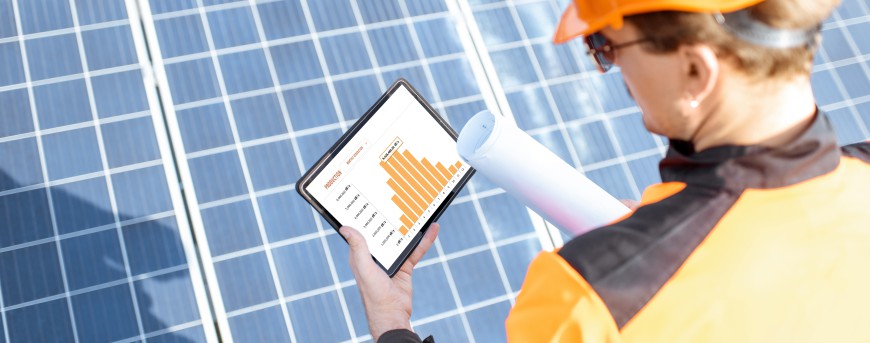
What is the difference between prosumer and producer of electricity
Solar panels for your business, profitable or not?
Solar panels for charging electric vehicles