-
Why should we opt for selective recycling, in the case of electrical and electronic devices?
Selective recycling – the collection of waste in different containers, specially designed and labeled for the various categories, followed by their recycling. The advantage of recycling used materials is the reduction of consumption and the conservation of natural resources but also of pollution, in addition to reducing the quantity of waste.
If your iron, vacuum cleaner, air conditioner, washing machine or other home or office appliance is broken or you want to replace it with a new one, the law obliges you to ensure that the old one ends up in recycling. It is illegal to throw old, defective or used appliances in the garbage, on the street or in nature! You risk fines and sanctions!
Did you know? Most components of an appliance or appliance are not biodegradable and can remain in the environment for over 150 years.
Improperly stored waste pollutes soil, water and air, affects the health of all of us and can cause diseases such as cancer, allergies, infertility and heart disease. In general, e-waste contains heavy metals and toxic substances. Don’t keep unnecessary appliances in your home or work, as they take up space and can emit toxic substances. The recycling process safely removes hazardous substances and recovers reusable materials from electrical or electronic waste.
How do you get rid of household appliance waste?
It is very simple to legally and correctly recycle any waste electrical and electronic equipment, wherever you are, in Romania. With a simple internet search you can find all the information. A concrete example is the RoRec Association, which gets rid of your waste for free, bringing it directly from your home or workplace with a simple free phone call to TelVerde 0800 444 800. Or another option could be to take the faulty appliance (iron, vacuum cleaner, kitchen appliances) to the nearest collection point for waste electrical and electronic equipment (WEEE), which you can easily find here:
-
Selective recycling: the procedure by which we recycle household waste correctly!
The basis is correct recycling separate recyclable waste such as: glass, plastic, paper, metals, and place them in the appropriate containers.
Paper and cardboard waste is deposited in the blue containers, plastic and metal waste in the yellow ones, while glass is deposited in the green container. Sanitization operators who have the obligation to collect the containers separately and dump their contents on special waste collection ramps.
RECYCLED:
Metal: Beverage cans and tin containers are recycled
Glass: Drink bottles and food containers can be selectively collected, but not glass, mirrors, pots, light bulbs and glasses
Plastic: containers for drinks, dairy products, cosmetics and detergents, plastic and polystyrene saucepans and plastic bags can be recycled. Non-plastic container lids, plastic pots, mixed products (plastic+metal) are not selectively collected
Paper: Paper and cardboard packaging, beverage cartons can be recycled. Waxed paper and mixed products (paper combined with metal) are not selectively collected
Batteries and accumulators (contain dangerous metals)
Car batteries (contain dangerous metals)
Used oils (food and automotive) and vegetable fats: pollute both water and soil
WEEE (waste electrical, electronic and household appliances): computer components, printer toners, mobile phones and accessories, household appliances, etc.
Neon lights, cheap bulbs (contain mercury and should not end up in soil and water)
Recycled: ferrous and non-ferrous metal waste, wood, textiles
DO NOT RECYCLE:
Waste paper, cardboard contaminated with food residue, grease or paint
Napkins and toilet paper
Stapled papers, waxed or laminated paper
CDs, DVDs, syringes
Plastic from packaging (e.g. bags of chips, wafers, cream puffs, etc.)
Plastic packaging that contains toxic, corrosive substances or motor oil
Useful tips: – always sort the garbage you produce by category
-respect the instructions on the recycling containers and do not mix the materials together
-promotes the concept of separate waste collection
-always purchase rechargeable batteries
-donate things you no longer need (clothes, toys, furniture, etc.)
Good to know!
Some useful information to make us aware of the importance of recycling and the risks we run if we don’t take care of the environment.
-one ton of recycled paper saves 15 mature trees from being cut down
-Recycled PET can be used to make new products: carpets, models, material for t-shirts, shoes, sweaters and jackets, bags, padding for winter clothes or sleeping bags and even toys
-glass can be recycled infinitely because its structure does not deteriorate during reprocessing
– a normal printer cartridge decomposes in over 450 years
-the batteries contain dangerous metals that pollute the environment: mercury, lead, cadmium, nickel, lithium
– it is estimated that plastic bags and other waste resulting from this material, thrown into the ocean, cause the death of over 1 million marine creatures every year.
-recycling a single plastic bottle would save enough energy to keep a 60W light bulb lit for 6 hours.
-a single recycled aluminum can saves enough energy to run a television for 3 hours.
– Cheap light bulbs contain mercury. Therefore they should be recycled and not thrown into landfill.
– plastic decomposes in a period that varies between 100 and 400 years.
– the paper recycling process generates 70% less pollution than the production of paper from raw materials.
– Oil is one of the major sources of water pollution, one liter of used oil can contaminate approximately 1 million liters of water. At the same time, it has a negative effect on the sewerage network and the operation of sewage treatment plants, leading to their blockage and destruction.
-to compensate for the loss of trees over the last decade, every person on Earth should plant 2 trees a year and take care of them for 10 years.
– The number of plastic bags used every year in Romania is 5 billion. Only 1% of plastic bags produced worldwide are recycled.
(source: hartareciclarii.ro)
latest posts published

About new generation thermodynamic solar systems
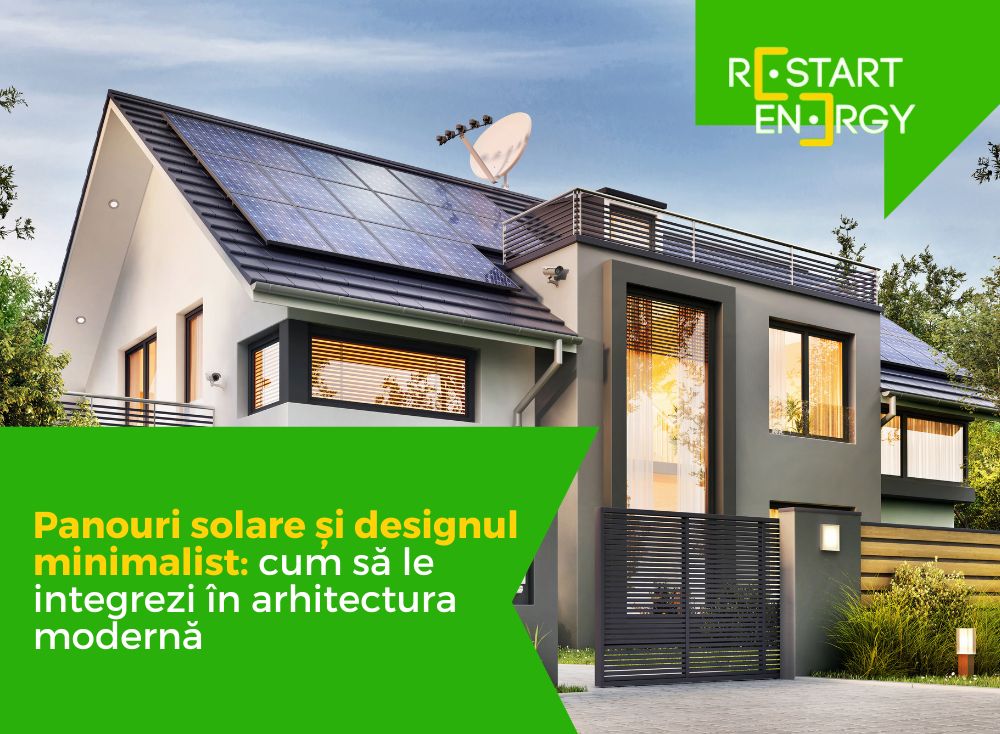
Solar panels and minimalist design: how to integrate them into modern architecture
The impact of solar energy on the energy market landscape
Minister of Energy, request for resignation
How to choose the right electric scooter for my lifestyle
Innovative solutions to monetize the energy of domestic solar panels
What is the difference between prosumer and producer of electricity
Solar panels for your business, profitable or not?
Solar panels for charging electric vehicles