When we want to install a solar system, the choice of inverter deserves maximum attention. This is one of the key pieces, which converts the energy from the panels to the system.
The role of the inverter is to convert the direct current of the panels into alternating current, that is, it takes care of the format of the electricity in the network.
The first aspect is the nominal power of the inverter, that is, how powerful it must be to make the most of what the panels produce. So the power must be slightly higher than the peak they can produce.
The next criterion is the operating voltage – usually 48V, 60V or 100V+ for larger systems. The voltage must match the number of panels connected in series to the available panel system.
Then it is important that the declared efficiency is greater than 95% at partial load and greater than 98% at full load. The higher it is, the lower the conversion losses.
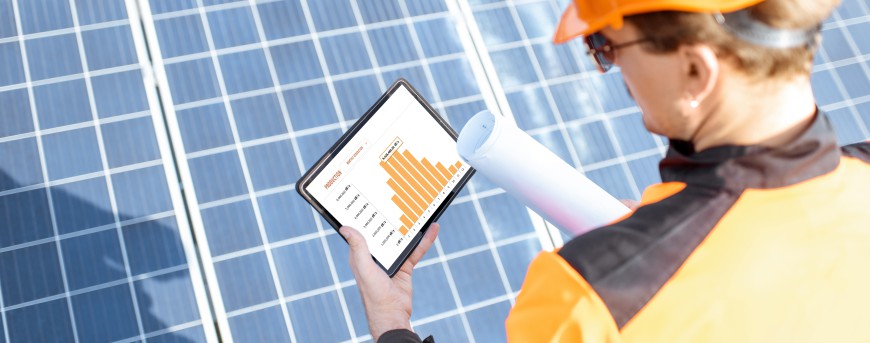
Check whether the desired inverter model supports self-consumption and/or feed-in to the grid, depending on the purpose of the installation. Some models also integrate smart functions, such as remote monitoring and control via internet connection, predictive forecasting, operating point optimization mode or communication with devices via IoT.
Don’t forget the warranty: at least 5 years, but preferably over 10 years if it’s a larger investment.
The quality-price ratio is fundamental. A good inverter does not necessarily have to be the most expensive on the market. For example, one of the quality solar inverters that fall within the most affordable budget is the SMA SB 3000TL-10 model. It is affordably priced at less than 2,000 euros, offers good value for money for a solar investment of less than 10 kW and the smart features make it easy to use.
If you take all these factors into consideration, you will certainly choose a reliable and high-performance solar inverter for many years and, to start your business with photovoltaic systems, you will turn to Restart Energy’s services.
Conclusion
When planning the installation of a solar energy system, selecting the right inverter is one of the most important decisions that can be made. While solar panels often receive most of the attention, the inverter plays a critical role in ensuring that the energy generated by the system can be used efficiently and safely. Without a properly functioning inverter, the electricity produced by solar panels cannot be effectively integrated into a home, business, or utility grid.
The primary function of a solar inverter is to convert the direct current (DC) generated by photovoltaic panels into alternating current (AC), which is the standard form of electricity used by most electrical devices and power networks. This conversion process is essential because solar panels naturally produce DC electricity, while homes, offices, and industrial facilities operate using AC power. As a result, the inverter acts as the bridge between solar energy production and practical energy consumption.
Beyond simple energy conversion, modern inverters offer a variety of advanced features that can significantly improve the performance of a solar installation. Many models include monitoring systems that allow users to track energy production, identify potential issues, and optimize system efficiency. Some inverters also provide smart energy management capabilities, helping maximize energy use and improve overall system reliability. These features make the inverter not only a technical necessity but also a valuable tool for managing renewable energy effectively.
The quality and efficiency of the inverter can have a direct impact on the overall performance and profitability of a solar energy system. A high-quality inverter can reduce energy losses during conversion, increase system reliability, and extend the lifespan of the installation. Conversely, choosing an inadequate or low-quality inverter may lead to reduced efficiency, higher maintenance costs, and lower energy production over time. For this reason, careful evaluation of inverter specifications, warranty coverage, and compatibility with the solar system is essential.
In conclusion, the inverter is one of the most critical components of any solar installation. Its role extends far beyond converting electricity from direct current to alternating current; it is central to the efficiency, safety, and long-term success of the entire system. By investing time in selecting the right inverter, homeowners and businesses can maximize the benefits of their solar energy investment, ensuring reliable performance, improved energy management, and greater returns over the lifespan of the system. As solar technology continues to advance, the importance of choosing a high-quality inverter will remain a key factor in achieving optimal results.
latest posts published

About new generation thermodynamic solar systems
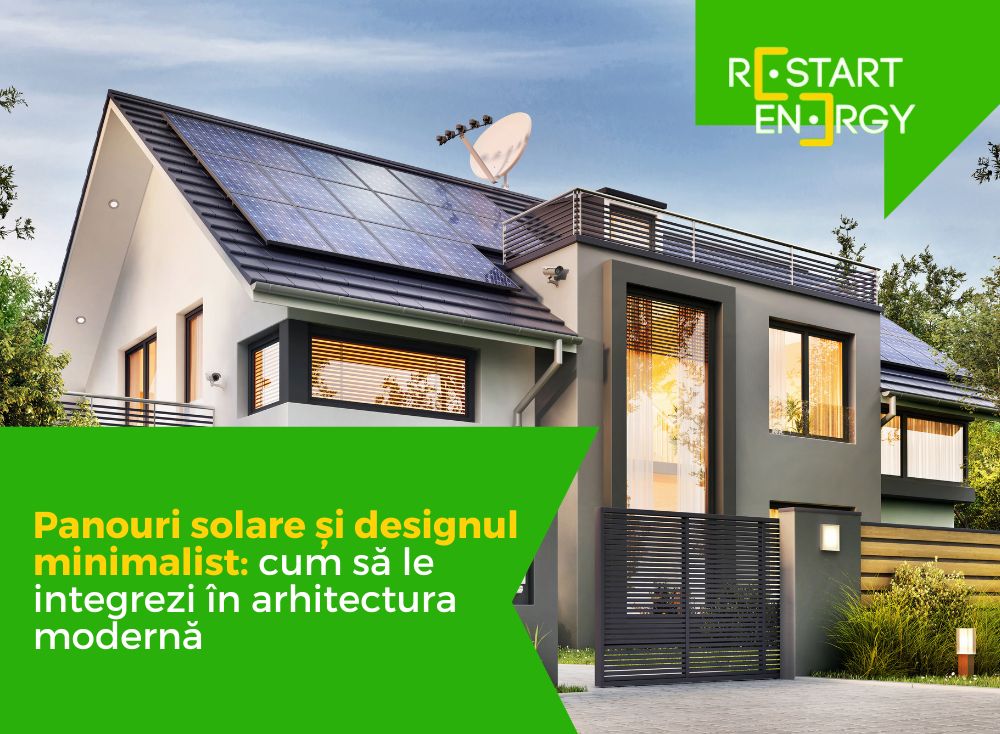
Solar panels and minimalist design: how to integrate them into modern architecture
The impact of solar energy on the energy market landscape
Minister of Energy, request for resignation
How to choose the right electric scooter for my lifestyle
Innovative solutions to monetize the energy of domestic solar panels
What is the difference between prosumer and producer of electricity
Solar panels for your business, profitable or not?
Solar panels for charging electric vehicles