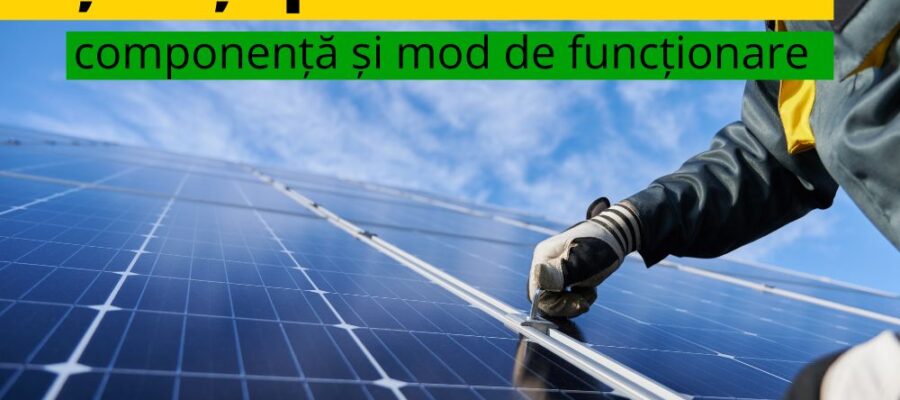
Photovoltaic panels have gained popularity over the past decade as an alternative energy source. The science of solar panels is fascinating. It’s a great example of how we can harness renewable energy to power our homes and businesses. One of the main advantages of solar panels is that they require very little maintenance. Once installed, a photovoltaic system can generate electricity for 25 years (maybe even longer). This makes solar panels an extremely cost-effective energy source in the long run.
In addition to their profitability, solar panels also offer a number of environmental benefits. By using renewable energy to power our homes and businesses, we can reduce our dependence on fossil fuels and help mitigate the effects of climate change. Additionally, the cost of solar panels has steadily decreased over the past decade, and many governments offer incentives and tax credits to encourage solar adoption. By harnessing the sun’s energy, we can create a cleaner and more sustainable future for ourselves and our families, but also for future generations.
The composition of photovoltaic panels
Most panels available on the market are made of monocrystalline, polycrystalline or thin («amorphous») silicon. We will present later in this article what parts are needed to make a solar panel.
- Silicon solar cells convert sunlight into electricity using the photovoltaic effect.
- The metal frame (usually aluminum) is useful for several reasons. For example, it protects solar panels from adverse weather conditions.
- The glass covering plate is usually 6-7 millimeters thick. Although it is thin, it plays an important role in protecting the silicon solar cells inside it.
- The standard 12V cable helps regulate the amount of power transferred to the inverter, contributing to the lifespan and efficiency of the solar module.
- Bus cables are used to connect solar cells to silicon in parallel.
Types of solar panels
However, silicon cells alone cannot provide electricity. These are coupled with a metal housing and wire, which allow the solar cell’s electrons to provide useful energy. Silicon is available in different cellular structures. Here are the types of solar panels on the market.
- Solar panels monocrystalline they are produced from a large block of silicon. The manufacturing process involves cutting individual silicon wafers that can be attached to a solar panel. Monocrystalline silicon cells are more efficient than polycrystalline or amorphous solar cells.
- Polycrystalline solar cells are also silicon cells. They are produced by fusing different silicon crystals together. Polycrystalline cells are less efficient than monocrystalline ones, but they are also less expensive, experts say.
- Amorphous silicon cells are not crystalline. They are attached to a substrate such as glass, plastic or metal.
The science of solar panels: how photovoltaics works
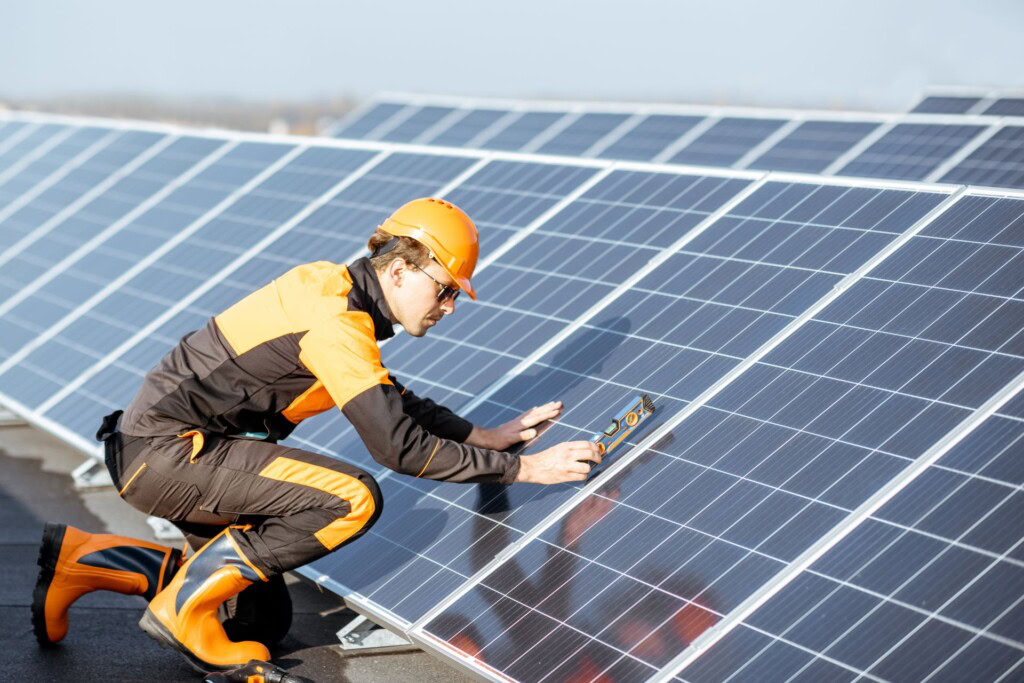
Solar panels are made up of groups of photovoltaic cells that draw energy from the Sun to produce electricity. These photovoltaic cells convert sunlight into electricity by creating an electric field between a positive and negative charge. The more panels you have, the more energy you can generate. When a photon from sunlight hits the cell, it releases electrons from its atoms. These released electrons are then able to flow between the conductors and through the circuit to generate electricity. This direct current electricity flows through the circuit in one direction, from the negative side to the positive side. However, the current must be passed through an inverter to convert it to alternating current.
Call the specialists Restart the power and find out which photovoltaic system is suitable for your home or business!
Conclusion
The remarkable surge in popularity that photovoltaic panels have experienced over the past decade highlights a fundamental shift in how the world approaches energy production. At its core, the science of solar power serves as a fascinating and highly practical demonstration of human ingenuity, showcasing our ability to directly harness renewable resources to power modern homes and businesses. By converting abundant, everyday sunlight into usable electricity, solar technology bridges the gap between natural planetary cycles and the demanding infrastructure of contemporary society. This transition represents a critical cornerstone in the global effort to replace depleting, carbon-heavy fossil fuels with clean alternatives.
One of the most compelling operational advantages of a photovoltaic system is its remarkably low maintenance requirement. Unlike traditional power-generation methods that rely on complex, fast-moving mechanical parts prone to friction and wear, solar arrays are solid-state systems that remain completely stationary. Once the initial installation is complete, the panels require minimal upkeep—often limited to simple, periodic cleaning to remove dust or debris from the glass surface. This inherent mechanical simplicity drastically reduces ongoing operational costs and minimizes the risk of unexpected system failures, ensuring that the technology remains reliable and hassle-free for the end-user.
This exceptional durability allows a standard photovoltaic installation to consistently generate clean electricity for 25 years, and frequently even longer. This extended operational lifespan transforms solar technology from a simple home improvement project into an extraordinarily cost-effective, long-term financial investment. Because the system continues to produce power long after the initial installation costs have been fully amortized through reduced utility bills, owners are shielded from volatile energy markets and rising electricity inflation for decades, enjoying a guaranteed stream of free energy.
latest posts published

About new generation thermodynamic solar systems
Solar panels and minimalist design: how to integrate them into modern architecture
The impact of solar energy on the energy market landscape
Minister of Energy, request for resignation
How to choose the right electric scooter for my lifestyle
Innovative solutions to monetize the energy of domestic solar panels
What is the difference between prosumer and producer of electricity
Solar panels for your business, profitable or not?
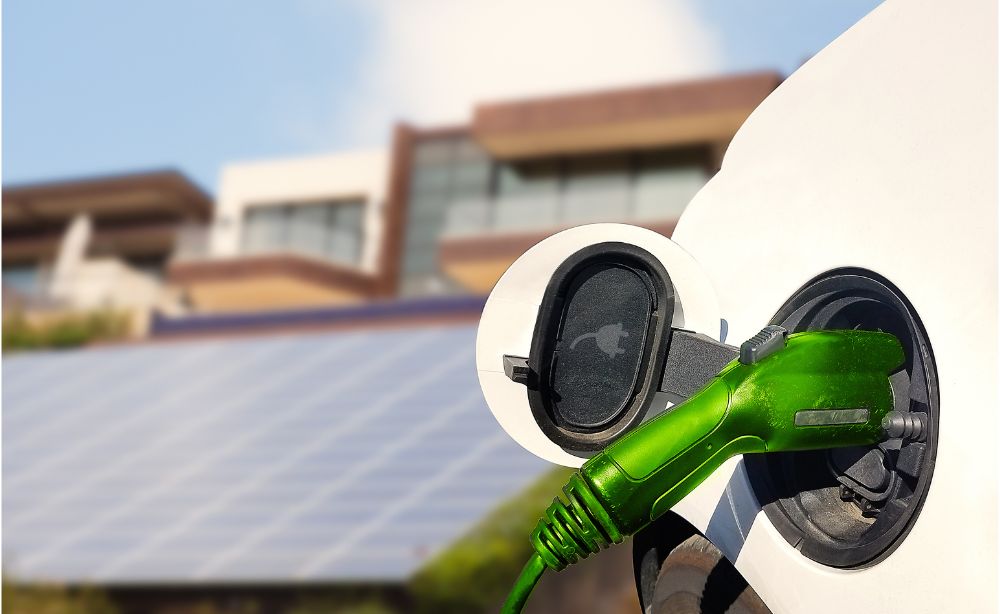
Solar panels for charging electric vehicles