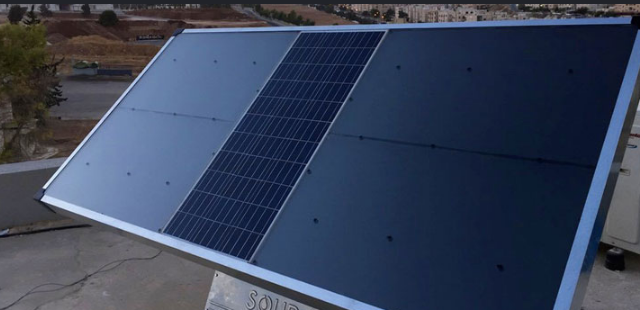
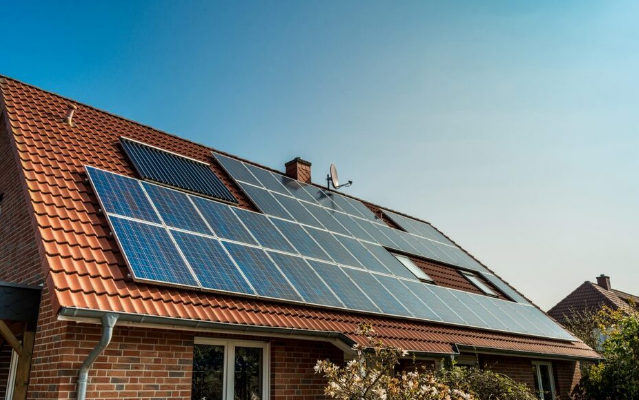
With attention to detail and creative design, solar panels can blend seamlessly with the clean, minimalist style of modern buildings.
How can we do this? Here are some suggestions:
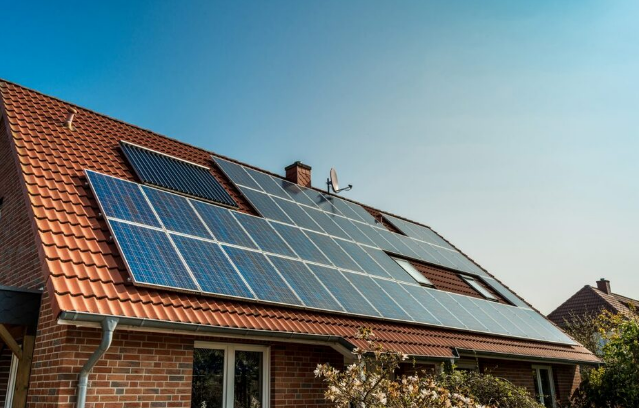
• Choose solar panels with a thin frame, black or the color of the roof. Thick and visible bezels ruin the minimalist elegance.
• Mount the panels directly on the roof, without visible supports or corners. Mask any exposed wires or blocks.
• For a linear design, align the panels perfectly, at equal distances. The simple geometry matches the minimalist style.
• Don’t overcrowd the roof with too many panels. Leave spaces open for a clean look.
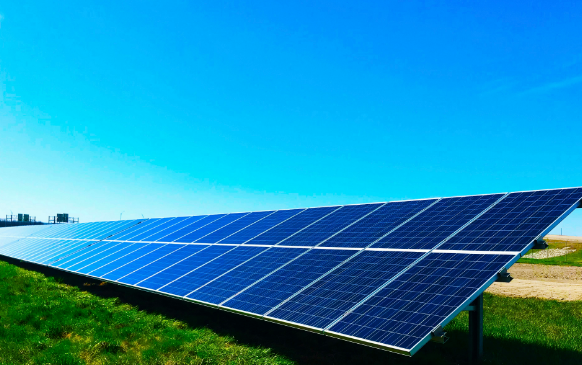
• In modern buildings with flat roofs the panels can be mounted directly on the ground. They thus become almost invisible.
• In houses with a pitched roof, orient the panels perfectly parallel to the edges, for a tidy appearance.
• Play with semi-transparent panels that let light through. They add an extra touch of elegance.
• Replace regular tiles with solar tiles for an integrated design.
how to integrate them into modern architecture
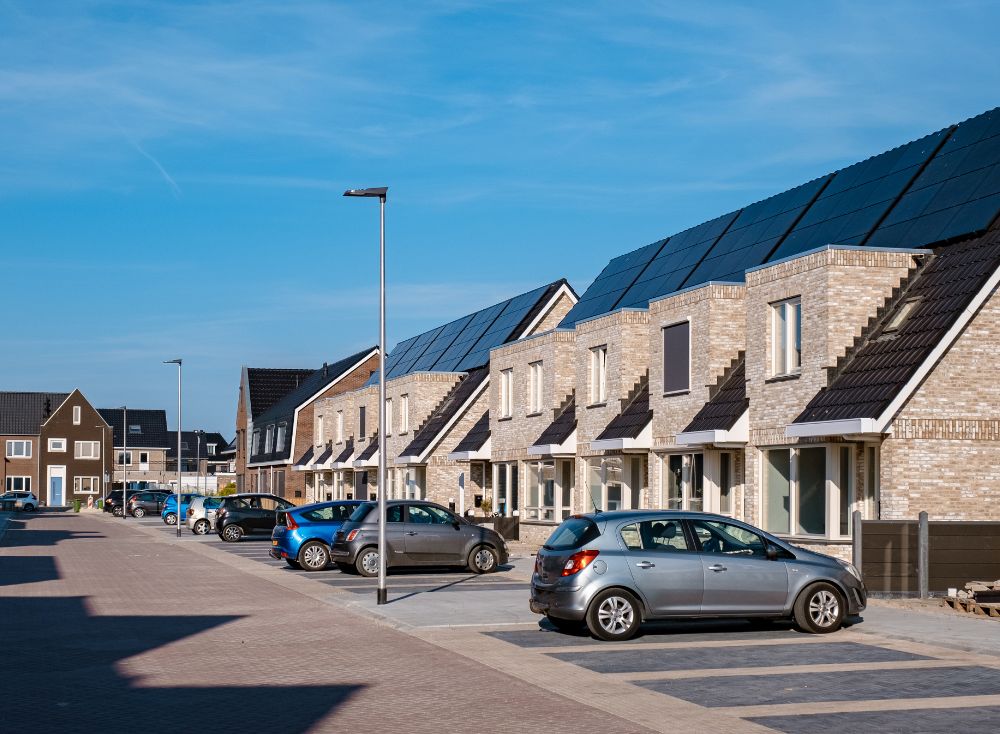
There are different types of solar panels that integrate best with a minimalist design:
– Monocrystalline solar panels – have a dark, uniform appearance, without distracting shades or patterns. The frame is thin and discreet.
– Solar panels with black cells – absorb more light and have a matte appearance that fits well with modern buildings.
– Solar panels with thin film solar cells – are very discreet, flexible, can be mounted on curved surfaces.
– Solar panels integrated into the roof/facade – replace normal building materials with photovoltaic ones. It camouflages perfectly.
– Semi-transparent solar panels – allow light to pass through, reducing visual impact. They can be used on windows or glass walls.
– Custom designed solar panels – can mimic or complement elements such as tile, wire mesh, wood, etc.
– Solar panels with colored solar cells – have a less technical appearance, some imitate natural shades.
Conclusion
The addition of solar panels to modern building designs no longer requires giving up beauty for eco-friendliness. With improvements in design and setup methods, homeowners and designers can effectively merge renewable energy options with stylish, modern construction. By thoughtfully choosing the right solar panels and planning their location, it is achievable to keep the sleek look that characterizes modern buildings while still enjoying effective energy production.
One of the best methods is selecting solar panels that enhance the structure’s overall style. Panels with slim frames and dark colors, like black or those matching the roof, create a more consistent and elegant look. These choices help minimize visual differences and let the solar setup blend easily with the building instead of being an obvious addition. This focus on detail is particularly vital in minimalist designs, where each visible part adds to the overall aesthetic harmony.
The installation method is also very crucial. Placing solar panels directly on the roof without large supports or visible fittings results in a neater and more polished appearance. Hiding any visible wires, connectors, and mounting elements further improves the look, making sure the system fits seamlessly with the building’s style. The aim is to make the solar setup look like a natural part of the architecture rather than an extra feature.
As sustainable construction continues to gain popularity, architects and property owners are increasingly recognizing that energy efficiency and visual appeal can coexist. Modern solar technology provides a wide range of options that allow renewable energy systems to complement contemporary homes, office buildings, and commercial developments. This combination of functionality and design helps create structures that are both environmentally responsible and visually attractive.
Ultimately, successful solar integration is about thoughtful planning and attention to detail. By selecting discreet panel designs, minimizing visible installation elements, and aligning the system with the building’s architectural style, it is possible to achieve a harmonious balance between sustainability and aesthetics. As solar technology continues to evolve, the opportunities for creating elegant, energy-efficient buildings will only expand, making renewable energy an increasingly attractive feature in modern architectural design.
latest posts published
About new generation thermodynamic solar systems
Solar panels and minimalist design: how to integrate them into modern architecture
The impact of solar energy on the energy market landscape

How to choose the right electric scooter for my lifestyle

Innovative solutions to monetize the energy of domestic solar panels
What is the difference between prosumer and producer of electricity

Solar panels for your business, profitable or not?
Solar panels for charging electric vehicles
Renewable solar energy: clean and healthy future