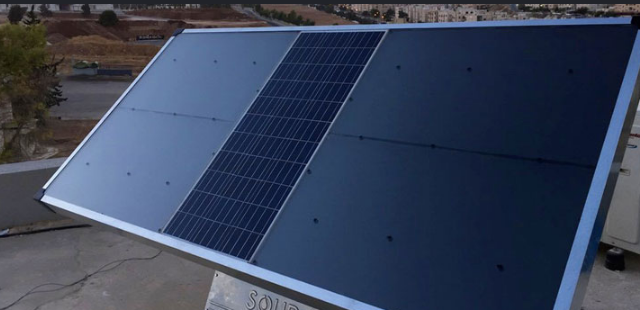

Households with small home solar power systems have the problem of making the most of extra renewable energy. Surpluses happen often due to the changing nature of the sun’s energy and the irregular use of power.
A smart way to solve these differences is through flexible net-metering plans. By linking to a digital Internet of Things platform, energy producers can take advantage of surpluses in the energy market via an OPCOM certified agent. Deals are conducted at prices based on PZU and are balanced through an energy credit for times of shortage.
Innovative solutions to monetize the energy of domestic solar panels
Another creative option is joining the REC (Renewable Energy Community) energy groups. Here, small energy producers make money from their surpluses using a shared balancing system, while also providing access to renewable energy and fair prices, even for low-income families in the area.
Energy producers can also earn more money by renting out unused solar capacity to investors who wish to create their own renewable energy collection. This type of public-private partnership approach can greatly encourage the growth of home solar power systems.
These solutions based on digitalization and collaboration represent efficient ways to extract economic value from small-capacity rural PV systems. If you need the construction of photovoltaic systems in your home, but also the supply of system solutions, contact the Restart Energy team of specialists!
Conclusion
Households equipped with small-scale photovoltaic (PV) systems are increasingly contributing to the transition toward clean and sustainable energy. However, one of the most significant challenges faced by these homeowners is how to effectively utilize the excess electricity generated by their solar installations. Because solar energy production depends on weather conditions and sunlight availability, generation levels often do not perfectly align with household energy consumption patterns. As a result, periods of surplus energy are common, particularly during sunny hours when electricity demand within the home may be relatively low.
The intermittent nature of solar power and the irregularity of daily energy use create a mismatch between production and consumption. While solar panels may generate large amounts of electricity during the middle of the day, many households consume more energy in the morning or evening when solar generation is reduced. This imbalance can lead to significant amounts of renewable energy being exported to the grid or, in some cases, underutilized if adequate compensation mechanisms are not available.
Addressing this challenge is essential for maximizing the economic and environmental benefits of residential solar systems. One increasingly popular solution is the adoption of energy storage technologies, such as home battery systems, which allow homeowners to store excess electricity for later use. By shifting energy consumption to periods when solar generation is unavailable, batteries can improve self-consumption rates and reduce dependence on the electrical grid. Smart energy management systems and demand-response technologies can also help optimize the use of available solar power by automatically adjusting appliance operation based on generation levels.
In addition, supportive policies such as net metering, feed-in tariffs, and community energy-sharing programs can provide homeowners with greater opportunities to benefit from surplus electricity. These mechanisms encourage the continued growth of distributed renewable energy generation while helping stabilize the broader energy system. As renewable energy adoption continues to expand, developing efficient ways to manage excess generation will become increasingly important.
Ultimately, the challenge of utilizing surplus solar energy should be viewed as an opportunity rather than a limitation. With continued advancements in energy storage, smart grid technologies, and supportive regulatory frameworks, households can make better use of the renewable electricity they generate. These innovations will not only increase the value of residential PV systems but also contribute to a more flexible, resilient, and sustainable energy infrastructure. By effectively managing excess energy production, homeowners can play an even greater role in building a cleaner and more efficient energy future.
latest posts published
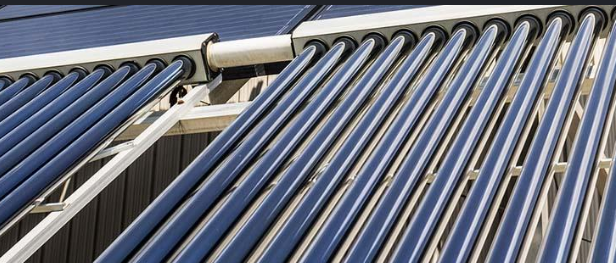
About new generation thermodynamic solar systems
Solar panels and minimalist design: how to integrate them into modern architecture
The impact of solar energy on the energy market landscape

How to choose the right electric scooter for my lifestyle
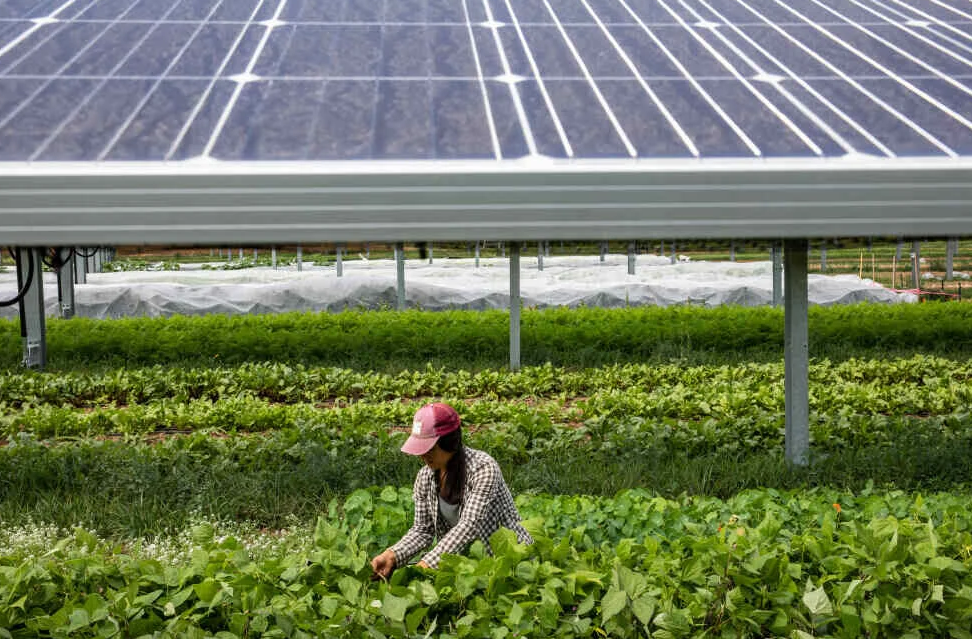
Innovative solutions to monetize the energy of domestic solar panels
What is the difference between prosumer and producer of electricity
Solar panels for your business, profitable or not?
Solar panels for charging electric vehicles
Renewable solar energy: clean and healthy future