
Smart cities are no longer just a prediction of the future. Smart cities can become a reality thanks to inexhaustible and clean energy solutions from renewable sources. Public lighting powered by photovoltaic panels, charging stations for electric vehicles on every street corner, public institutions, schools, hospitals, which can function with minimal resources thanks to green energy, are just some of the important urban projects.
The benefits of green cities are many, from the optimization and simplification of costs related to inexhaustible energy consumption to those associated with investments and capital-oriented development. Well-designed urban projects can turn into profit. Photovoltaic panels or wind farms are solutions that can bring significant revenue to the budget by correctly managing excess energy.
How many solar panels would be needed to provide inexhaustible energy to an entire city?
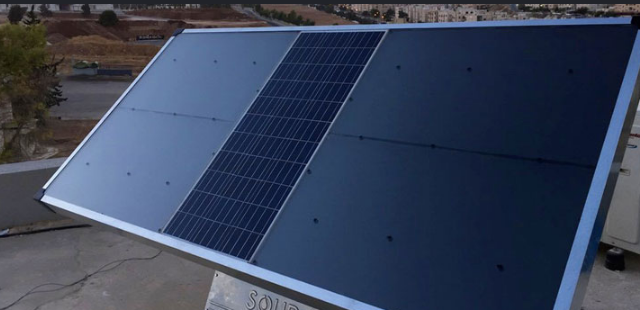
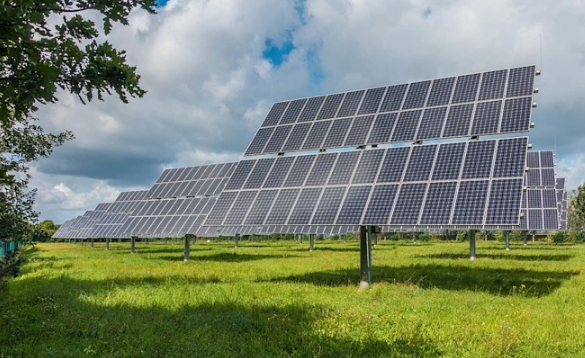
A small town in Bărăgan has over 400 solar panels, which are efficient for the environment and electricity costs. It is an innovative solar energy-oriented system with an integrated weather station that provides the necessary data. The technology uses only solar energy. The tracker will move on two axes with the help of a hydraulic system, driven by two electric motors.
The photovoltaic system is made up of 432 solar panels and was built with European funds. It cost two million lei. When ready, all public institutions will be strengthened. Solar panels will cover approximately 70%-80% of energy consumption. It will also be possible to replace the power plants of schools, nurseries and public bodies, which currently use gas. In this way a city can become fully independent, and this can only be the beginning.
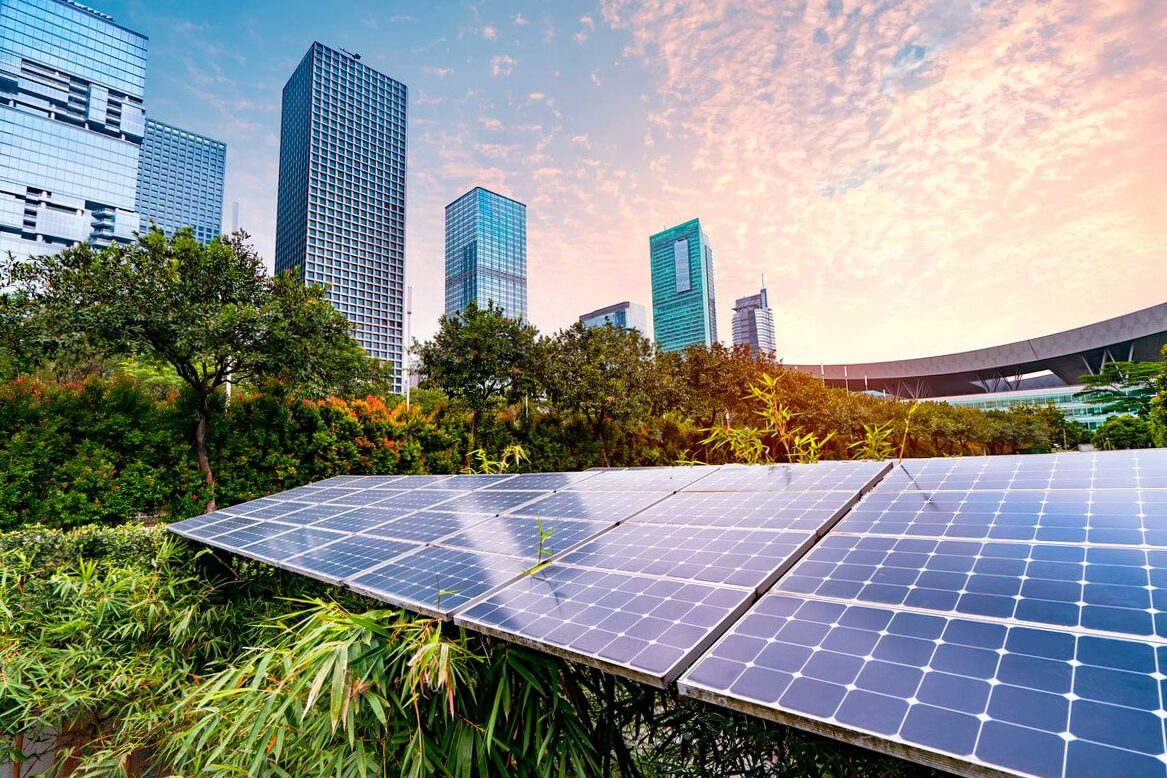
Alba Iulia – the city of photovoltaic panels used on a large scale
Alba Iulia in Romania is among the top 100 cities in the world that use renewable energy. It uses over 70% of its electricity from renewable sources. This city uses 99% renewable energy, of which 96% comes from hydropower, 1% from wind, 2% from solar, and 1% from natural gas. Energy from hydroelectric power plants is considered green energy from renewable sources. At the same time, the municipality has invested in several energy production projects. For example, 21 photovoltaic solar panels and a solar water heating system have been installed in the Alba Iulia Olympic Swimming Pool, with the aim of guaranteeing significant savings on bills.
The city’s strategic orientation is to promote the use of renewable energy to satisfy the city’s inexhaustible energy needs as much as possible, reducing dependence on fossil fuels. Electricity generation systems with photovoltaic panels will also be installed on the roofs of public buildings and on available municipal lands.
The company Restart the powercan help you save up to 50% on your business’s electricity costs and more. Wondering how our package can meet your business needs? Call our consultants for more information and you will receive guaranteed answers to your questions.
Conclusion
Investing in solar energy has become one of the smartest long-term decisions businesses can make in today’s rapidly changing energy landscape. As electricity prices continue to fluctuate and environmental regulations become increasingly important, solar power provides a reliable solution that combines financial savings with environmental responsibility. For entrepreneurs and business owners, adopting photovoltaic technology is no longer simply about reducing utility bills—it is about building a more resilient, competitive, and sustainable operation.
One of the most significant advantages of solar energy is the reduction in operating costs. By generating electricity directly from sunlight, businesses can substantially decrease their dependence on conventional power suppliers and protect themselves from unpredictable energy price increases. Over the lifetime of a solar installation, these savings can amount to a considerable return on investment, allowing companies to allocate financial resources toward growth, innovation, and other strategic priorities.
Beyond the financial benefits, solar energy contributes to a cleaner environment by reducing greenhouse gas emissions and lowering the consumption of fossil fuels. Every kilowatt-hour generated from solar panels replaces electricity that might otherwise come from carbon-intensive energy sources. This helps combat climate change, improves air quality, and supports global sustainability initiatives. Businesses that adopt renewable energy also demonstrate corporate responsibility, strengthening their reputation among customers, investors, and partners who increasingly value environmentally conscious organizations.
Another major advantage is energy independence. Producing electricity on-site gives businesses greater control over their energy supply, reducing exposure to market volatility and potential disruptions in the power grid. When combined with battery storage or advanced energy management systems, solar installations can further improve operational reliability and provide additional protection against power outages.
Modern photovoltaic systems are also designed for long-term performance with minimal maintenance requirements. Advances in solar technology have increased panel efficiency, durability, and reliability, enabling businesses to generate clean electricity consistently for 25 years or more. This long operational lifespan makes solar energy a dependable infrastructure investment capable of delivering continuous financial and environmental benefits.
Ultimately, investing in solar energy is about preparing for the future while creating immediate value. It offers lower energy costs, improved business resilience, enhanced environmental performance, and stronger long-term profitability. As renewable energy becomes an increasingly essential part of the global economy, businesses that embrace solar technology position themselves ahead of market trends and regulatory changes. By making the transition today, companies can secure sustainable growth, strengthen their competitive advantage, and contribute to a cleaner, more energy-efficient future for generations to come.
latest posts published
About new generation thermodynamic solar systems
Solar panels and minimalist design: how to integrate them into modern architecture
The impact of solar energy on the energy market landscape

How to choose the right electric scooter for my lifestyle
Innovative solutions to monetize the energy of domestic solar panels
What is the difference between prosumer and producer of electricity
Solar panels for your business, profitable or not?
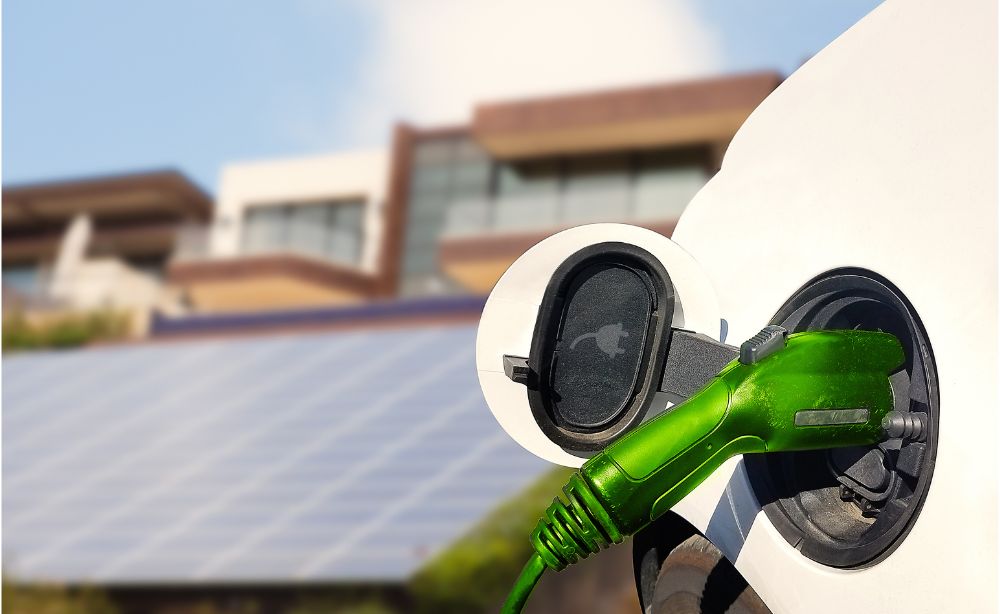
Solar panels for charging electric vehicles
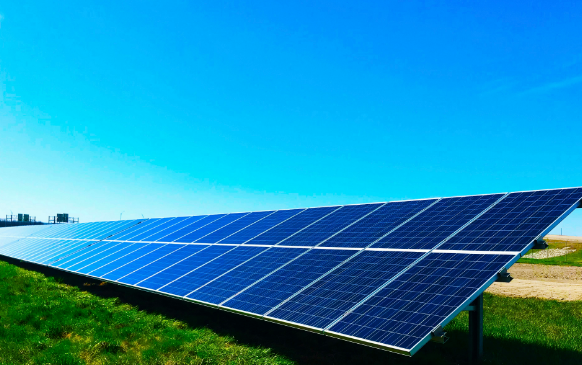
Renewable solar energy: clean and healthy future