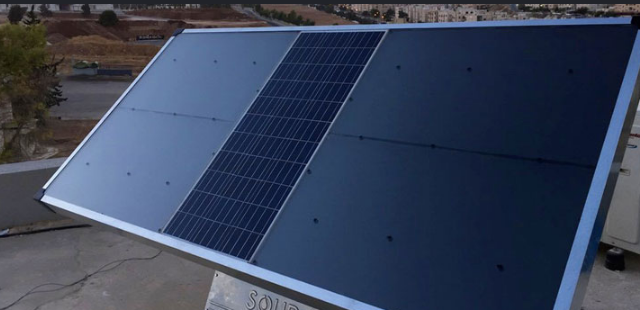
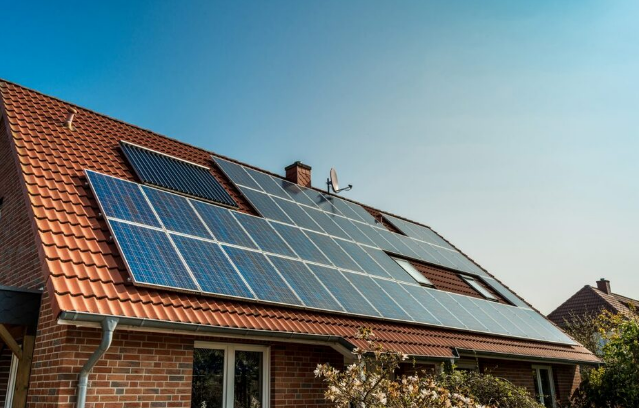
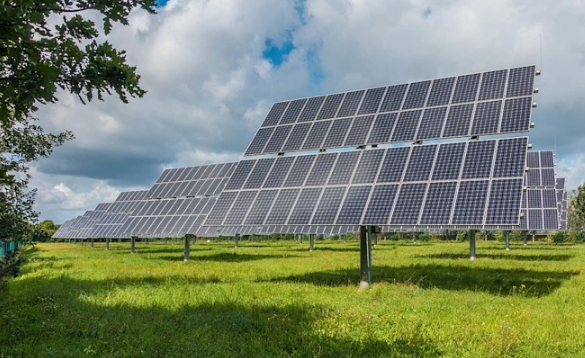
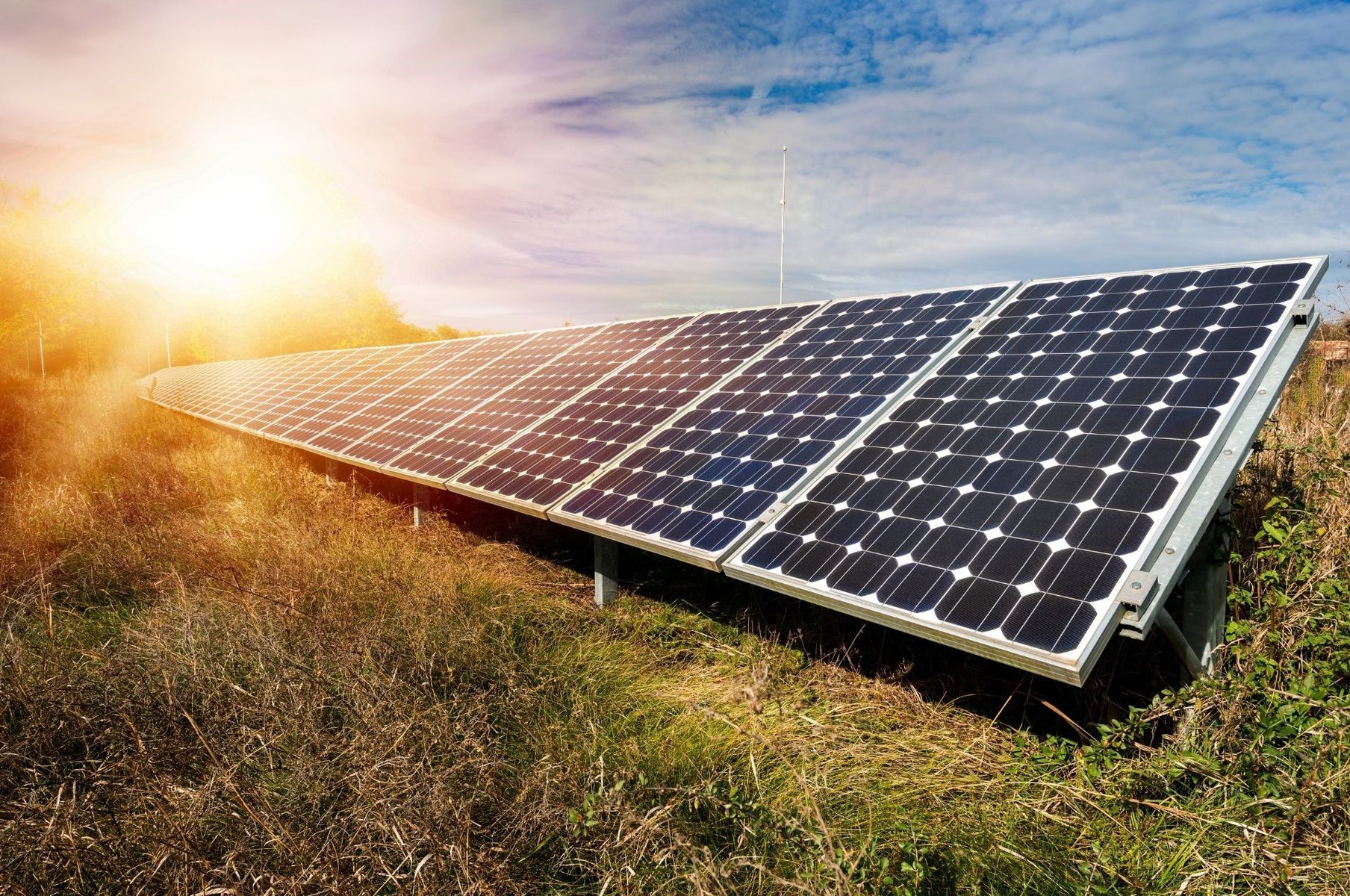
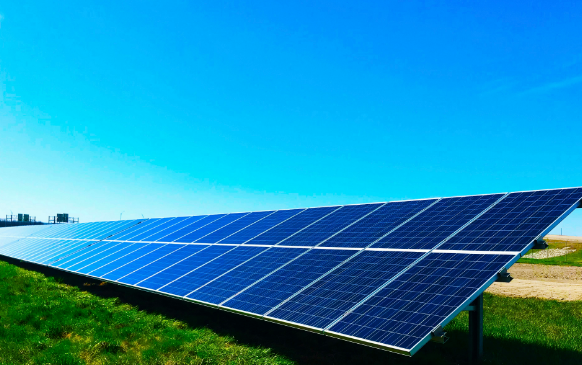
Using solar cells, photovoltaic technology converts sunlight into electricity. It therefore offers a clean and sustainable alternative to traditional energy sources. Its advantages are numerous. It is an inexhaustible, non-polluting source and can be installed on the roofs of buildings or in rural areas, without taking up additional space. Over the years, the installation and operating costs of photovoltaic panels have decreased significantly, making the technology more affordable for both businesses and consumers.Photovoltaic technology has become one of the most important pillars of green energy. Additionally, innovations in solar battery storage now allow excess energy generated by panels to be stored for use during periods of peak demand. Photovoltaic technology helps reduce carbon emissions and fight climate change. It also ensures a sustainable and clean future for future generations. The future prospects of photovoltaic technology are promising. With continuous innovation, investments and appropriate policies, it can play a crucial role in ensuring a sustainable and clean energy future.
How photovoltaic technology has evolved over the years
Here is how this technology was developed in five key steps:
- Discovery of the photovoltaic effect. In 1830, French physicist Alexandre Edmond Becquerel noticed that some materials generate electricity when exposed to sunlight. This phenomenon has paved the way for research in the field of converting solar energy into electricity.
- The first solar cells. In the 1950s and 1960s, researchers developed the first functional solar cells using crystalline silicon. However, these cells had low efficiency and were expensive.
- Improve efficiency. The use of new materials such as gallium arsenide and thin film cells have increased efficiency and reduced manufacturing costs.
- The explosion of the photovoltaic sector. Over the last twenty years the photovoltaic sector has experienced significant growth. Costs have dropped significantly.
- Innovation and integration. Today, photovoltaic technology continues to evolve. Research focuses on new materials such as perovskite and improving the efficiency of solar cells.
3 perspectives of photovoltaic technology
Photovoltaic technology has come a long way in recent decades, becoming a promising and sustainable energy source. Below we present three perspectives of this technology.
- Thin film solar technologies. The development of thinner, more flexible solar cells using materials such as perovskite could open up new opportunities for integrating solar energy into buildings, devices and everyday objects.
- Intelligent integration into electricity networks. Smart grid technologies enable more efficient integration of photovoltaic systems into electricity grids, facilitating the management and distribution of solar energy in an intelligent and adaptive manner.
- Advanced solar technologies. Research continues in areas such as transparent solar cells and concentrated solar technology to maximize the potential of solar energy.
Conclusion
In an increasingly competitive and environmentally conscious business landscape, renewable energy has emerged as a strategic solution that delivers both economic and sustainability benefits. Companies today face constant pressure to reduce operating costs, improve efficiency, and demonstrate environmental responsibility. Investing in renewable energy technologies such as solar, wind, or other clean energy systems provides an effective way to achieve these objectives while creating long-term value for the organization.
One of the most significant advantages of renewable energy is the potential for substantial cost savings. Energy expenses often represent a considerable portion of business operating costs, and fluctuations in electricity prices can affect profitability and financial planning. By generating clean energy on-site or sourcing power from renewable providers, businesses can reduce their dependence on traditional energy markets and gain greater control over long-term energy expenses. These savings can be reinvested into growth, innovation, and other strategic initiatives.
Renewable energy also contributes to increased operational efficiency and energy security. Producing electricity from renewable sources helps businesses become less vulnerable to market volatility, supply disruptions, and rising utility costs. This greater level of energy independence can improve business resilience and support more predictable operations, particularly during periods of economic uncertainty.
Another important benefit is the positive impact on corporate reputation. Customers, investors, employees, and business partners are increasingly favoring organizations that demonstrate a commitment to sustainability. By adopting renewable energy, companies can strengthen their environmental credentials, enhance brand value, and differentiate themselves in the marketplace. A strong sustainability profile can also help attract environmentally conscious consumers and create new business opportunities.
Environmental responsibility is another compelling reason to invest in renewable energy. Unlike conventional energy sources, renewable technologies generate electricity with significantly lower greenhouse gas emissions. By reducing their carbon footprint, businesses contribute to climate change mitigation efforts while supporting global sustainability goals. This commitment not only benefits the environment but also helps organizations prepare for evolving regulations and market expectations related to environmental performance.
In conclusion, renewable energy is much more than an environmental initiative—it is a smart business investment that supports cost reduction, operational efficiency, energy independence, and long-term competitiveness. Companies that embrace renewable energy position themselves for sustainable growth while demonstrating leadership in an increasingly eco-conscious world. As technology continues to advance and renewable energy becomes even more accessible, businesses that invest in clean energy today will be better prepared to meet the challenges and opportunities of tomorrow.
latest posts published
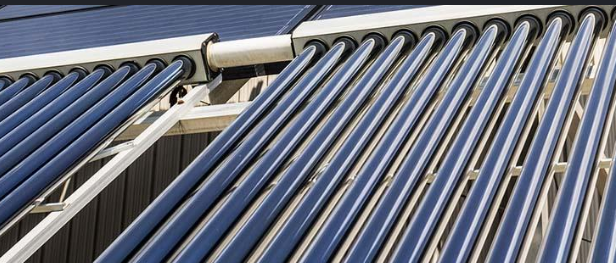
About new generation thermodynamic solar systems
Solar panels and minimalist design: how to integrate them into modern architecture
The impact of solar energy on the energy market landscape

How to choose the right electric scooter for my lifestyle
Innovative solutions to monetize the energy of domestic solar panels
What is the difference between prosumer and producer of electricity
Solar panels for your business, profitable or not?
Solar panels for charging electric vehicles
Renewable solar energy: clean and healthy future