
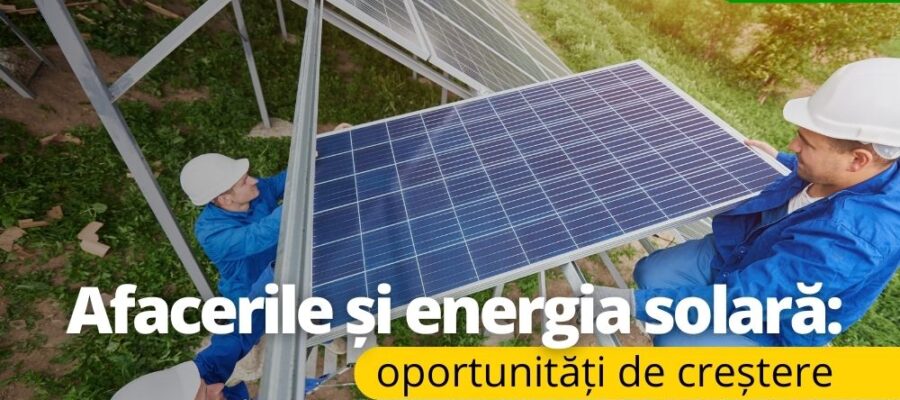
Solar energy has become a driving force in the business world. Recent years have brought about a significant change in the way companies conduct their businesses and manage their energy resources. With the growing focus on sustainability and the reduction in costs of solar systems, many companies are turning their attention to this abundant and clean resource. Nowadays, business and solar energy fit like a glove.
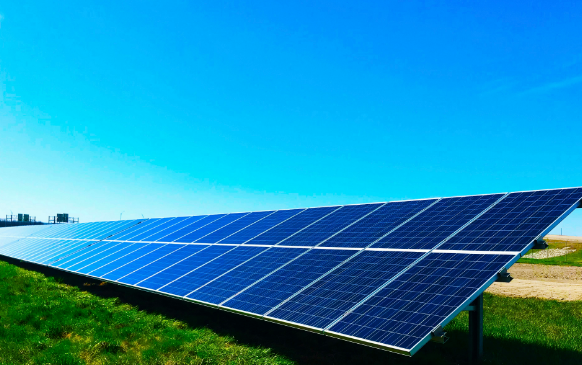
Additionally, solar energy can be a steady source of income for some businesses. Companies can install additional solar systems and sell the excess energy produced to the grid. It is possible to generate passive income. While investing in solar systems may seem expensive, financial benefits in the long term they make themselves felt. A remarkable yield is thus obtained. One of the main benefits of solar energy in the business context is the reduction of energy costs. By installing solar panels on the roofs of buildings or on available land, companies can produce a significant portion of the electricity needed for their operations. This means a substantial reduction in energy bills and greater independence from fluctuations in energy prices on the market.
Business and solar energy, a reliable partnership
Business growth opportunities through solar energy can be realized in a structured process by following six key steps.
- Assessment. Identify the potential of solar energy in your business. Analyze energy consumption, available ceilings and sustainability objectives.
- Feasibility study. Conduct a feasibility study to determine the financial and technical feasibility of a solar system. Analyze costs, savings and payback times.
- Planning. Work with solar experts to develop a detailed implementation plan. Choose the type and size of the system, including solar panels and ancillary equipment.
- Installation. Call a reliable company to install the photovoltaic system according to the plans.
- Monitoring. Implement an energy performance monitoring system to monitor solar energy production and consumption.
- Promotion and expansion. Communicate the benefits and your commitment to green energy to customers, partners and the local community.

A greener future with renewable energy
In addition to the economic benefits, the adoption of solar energy also gives the company a positive image in terms of sustainability and social responsibility. At a time when climate change is a major concern, consumers and business partners are increasingly interested in companies that adopt sustainable practices and help protect the environment. Companies that use solar energy not only reduce their carbon footprint, but also become examples of leadership in innovation and sustainability. These companies join a global transition to renewable energy sources and help build a greener future. Solar energy is not only an eco-friendly solution, but also an opportunity for any type of business to save money, generate additional revenue and strengthen its brand image.
Conclusion
Solar energy has become much more than an alternative source of electricity—it has evolved into a strategic asset for businesses seeking long-term growth, financial stability, and environmental responsibility. As technology continues to improve and installation costs become increasingly affordable, companies of all sizes are recognizing the value of investing in photovoltaic systems to strengthen their operations and remain competitive in an evolving marketplace. The combination of economic savings and sustainability makes solar energy an ideal solution for modern businesses.
One of the primary reasons companies are embracing solar power is its ability to significantly reduce operating expenses. Electricity is often one of the largest recurring costs for commercial and industrial facilities, and generating power on-site allows businesses to lower utility bills while protecting themselves from unpredictable energy price increases. These long-term savings improve cash flow, increase profitability, and provide a more stable financial foundation for future expansion.
Beyond the economic benefits, solar energy supports corporate sustainability initiatives by reducing greenhouse gas emissions and decreasing reliance on fossil fuels. Businesses that adopt renewable energy demonstrate a commitment to environmental stewardship, an increasingly important factor for customers, investors, and business partners. A strong sustainability strategy can enhance brand reputation, strengthen customer loyalty, and improve competitiveness in markets where environmental responsibility is highly valued.
Another important advantage is greater energy independence. Producing electricity directly from solar panels allows businesses to reduce their dependence on external energy suppliers and improve resilience against fluctuations in the electricity market. When integrated with battery storage systems and smart energy management technologies, solar installations provide even greater reliability, helping businesses maintain operations during periods of grid instability or rising energy demand.
Technological innovation has also made solar systems more efficient, durable, and easier to manage than ever before. Modern photovoltaic panels offer higher energy conversion rates, require minimal maintenance, and can operate efficiently for more than 25 years. Advanced monitoring software enables businesses to track energy production in real time, optimize system performance, and maximize the return on their investment.
Ultimately, the relationship between business and solar energy is built on shared goals of efficiency, sustainability, and long-term success. Investing in solar technology is no longer simply an environmental choice—it is a smart business strategy that delivers measurable financial benefits while supporting global efforts to transition toward cleaner energy. As renewable technologies continue to evolve, companies that embrace solar power today will be better positioned to reduce costs, strengthen their market position, and contribute to a more sustainable and resilient future.
latest posts published

About new generation thermodynamic solar systems
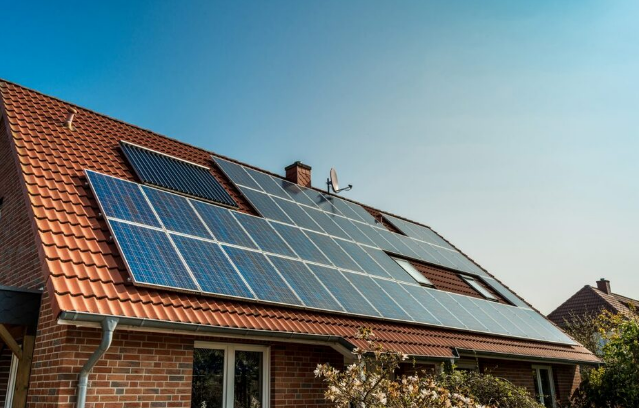
Solar panels and minimalist design: how to integrate them into modern architecture
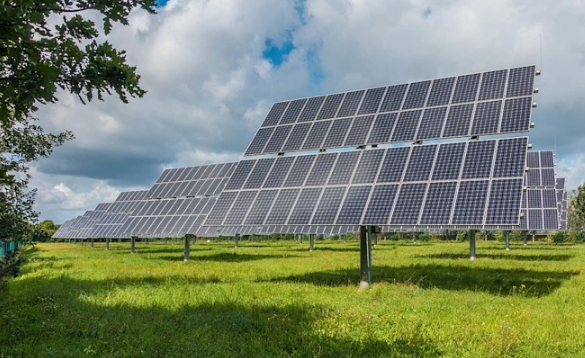
The impact of solar energy on the energy market landscape

How to choose the right electric scooter for my lifestyle

Innovative solutions to monetize the energy of domestic solar panels
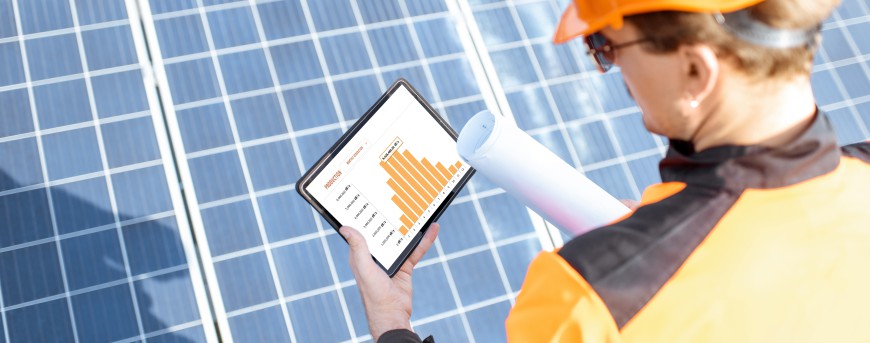
What is the difference between prosumer and producer of electricity

Solar panels for your business, profitable or not?

Solar panels for charging electric vehicles
Renewable solar energy: clean and healthy future