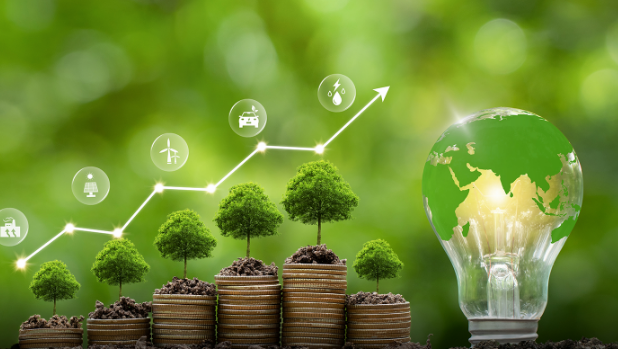
France: the strategic evolution of the green energy economy nNicolas Hulot, French Minister of Ecology, announced that France intends to achieve the goal of moving more towards green energy consumption, thus closing up to 17 nuclear reactors by 2025. This move will reduce the nuclear component of electricity production by 50%.
Objective without nuclear reactors
The hexagon currently has 58 nuclear reactors of varying power. They are distributed across 19 power plants. Hulot said that to achieve the goal of the energy transition law, a considerable number of nuclear reactors will be gradually closed. We quote: «as we reduce our consumption and diversify our production, we will close a number of reactors.» Furthermore, Hulot is convinced that, when proceeding with the closure of the reactors, we must also take into account the fact that «each reactor presents a very different economic, social and also safety situation».
Even after being inaugurated as president, Emmanuel Macron made clear France’s ambition to reduce the share of nuclear energy to 50%, en route to a green energy victory. It was first formulated during the mandate of François Hollande.
A little while ago, the Minister of Ecology expressed the desire to implement a valuable «climate plan» for a period of five years, which is exactly the duration of President Emmanuel Macron’s mandate and which places a considerable number of orientations in the energy sector, but does not describe how the government obviously intends to reduce the nuclear component, which currently represents around 75% of electricity production in the French State.
Diesel and petrol cars will be phased out
The plan to approach the green energy sector has pushed the French leadership to gradually and completely stop the sale of petrol and diesel vehicles until 2040 approaches. When the French want to replace their petrol or diesel car, the ministry will offer them tax incentives, provided that the vehicle is more than 20 years old.
It is planned to stop oil and gas exploitation on French soil and eliminate gas plants by 2022. Homeowners will be encouraged and helped to produce their own energy. A former journalist and established environmental activist, Hulot states that: «The objective is ambitious» and that: «France wants to become the first green economy».
It can be noted that green energy is not just a trend, but a necessity, the optimal way to improve life and life expectancy. The French government announced it has effective strategies to eliminate net CO2 emissions by 2050 as G20 leaders, including the world’s biggest polluters, meet in Hamburg, Germany.
Conclusion
France’s decision to accelerate its transition toward green energy represents a significant milestone in the evolution of its national energy strategy. The announcement by Nicolas Hulot, then French Minister of Ecology, regarding the intention to close up to 17 nuclear reactors and reduce the share of nuclear energy in electricity production reflects a broader commitment to diversifying the country’s energy mix and expanding the role of renewable energy sources. This strategic shift highlights the growing importance of sustainability, energy security, and environmental responsibility in shaping future energy policies.
For decades, France has been recognized as one of the world’s leading users of nuclear energy, relying heavily on nuclear power to meet its electricity needs. While nuclear energy has contributed to relatively low carbon emissions compared to fossil fuel-based electricity generation, the transition toward a more balanced energy portfolio demonstrates the country’s desire to increase flexibility and support the development of renewable technologies such as solar, wind, and hydroelectric power.
Reducing the nuclear component of electricity production by 50% represents both a challenge and an opportunity. The transition requires substantial investments in renewable energy infrastructure, grid modernization, and energy storage solutions to ensure a stable and reliable electricity supply. At the same time, it creates significant opportunities for innovation, job creation, and economic growth within the renewable energy sector. Expanding green energy capacity can stimulate technological development and strengthen France’s position in the rapidly growing global clean energy market.
The move also reflects a broader international trend toward decarbonization and sustainable development. Governments around the world are increasingly seeking to reduce environmental impacts while maintaining energy security and economic competitiveness. By investing in renewable energy sources, France aims to reduce its dependence on a single energy technology and build a more diversified and resilient energy system capable of adapting to future challenges.
Beyond environmental considerations, the transition to green energy can provide long-term benefits for consumers and businesses. Increased renewable energy production can contribute to greater energy independence, support climate objectives, and encourage the development of modern energy solutions that improve efficiency and sustainability.
In conclusion, France’s commitment to expanding green energy and reducing the share of nuclear power reflects a strategic effort to shape a more sustainable and diversified energy future. While the transition presents significant challenges, it also offers substantial opportunities for innovation, economic development, and environmental progress. As renewable energy technologies continue to advance, France’s evolving energy strategy demonstrates how countries can adapt their energy systems to meet changing priorities while supporting long-term sustainability and resilience.
latest posts published
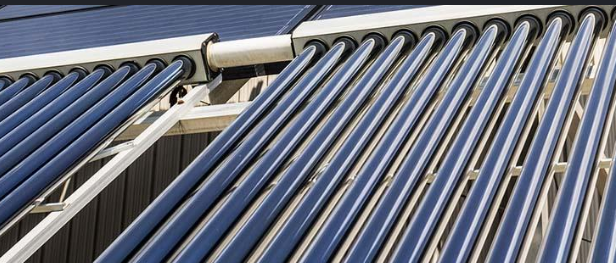
About new generation thermodynamic solar systems
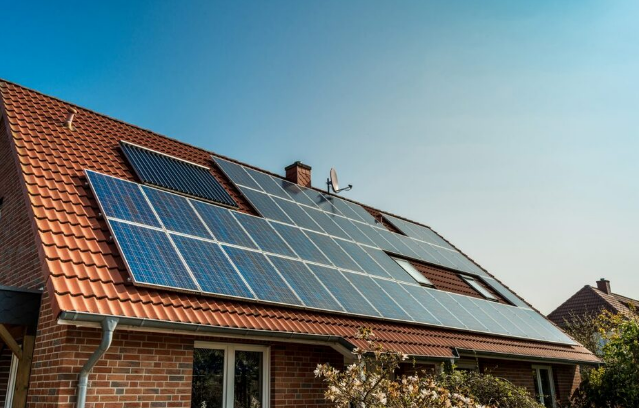
Solar panels and minimalist design: how to integrate them into modern architecture
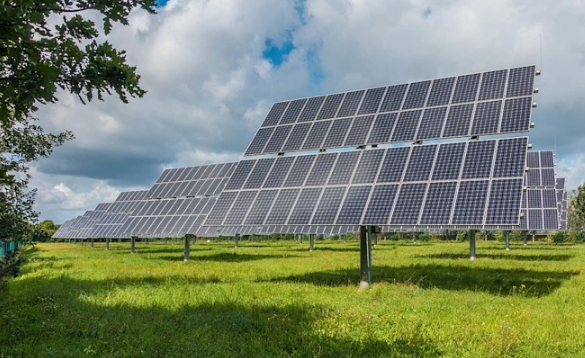
The impact of solar energy on the energy market landscape

How to choose the right electric scooter for my lifestyle
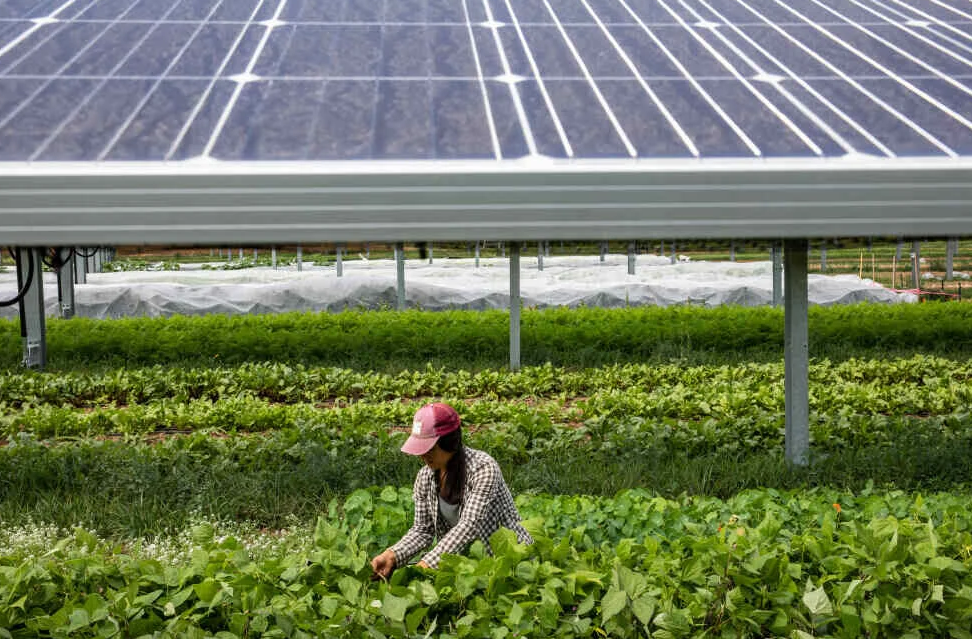
Innovative solutions to monetize the energy of domestic solar panels
What is the difference between prosumer and producer of electricity
Solar panels for your business, profitable or not?
Solar panels for charging electric vehicles
Renewable solar energy: clean and healthy future