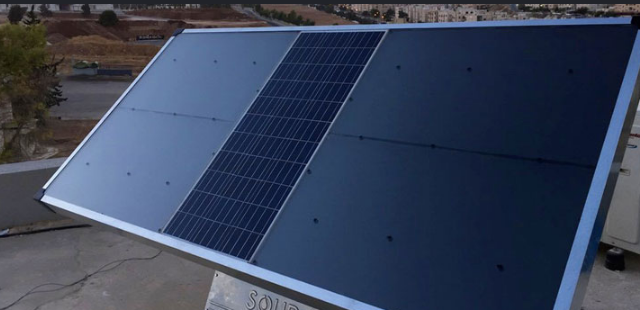

Romstal helps you discover how solar energy can help you reduce household expenses. Since in one hour the Earth receives enough energy from the Sun to cover the planet’s entire needs for a year, we can use this energy by easily capturing it through photovoltaic panels. From this point of view, Romania has a geographical position that favors the production of energy from photovoltaic panels. In Romania with 1 kW of installed power (about 4 photovoltaic panels) we can produce on average 1200kWh/year, or 1.2MWh/year.
As of 2021, any building requiring a building permit must be a building whose energy consumption is almost zero (nZEB building), respectively a building with a very high energy performance, where the energy consumption is almost zero or very low and is covered, in a minimum proportion of 10%, with energy from renewable sources, including energy from renewable sources produced on site or nearby.
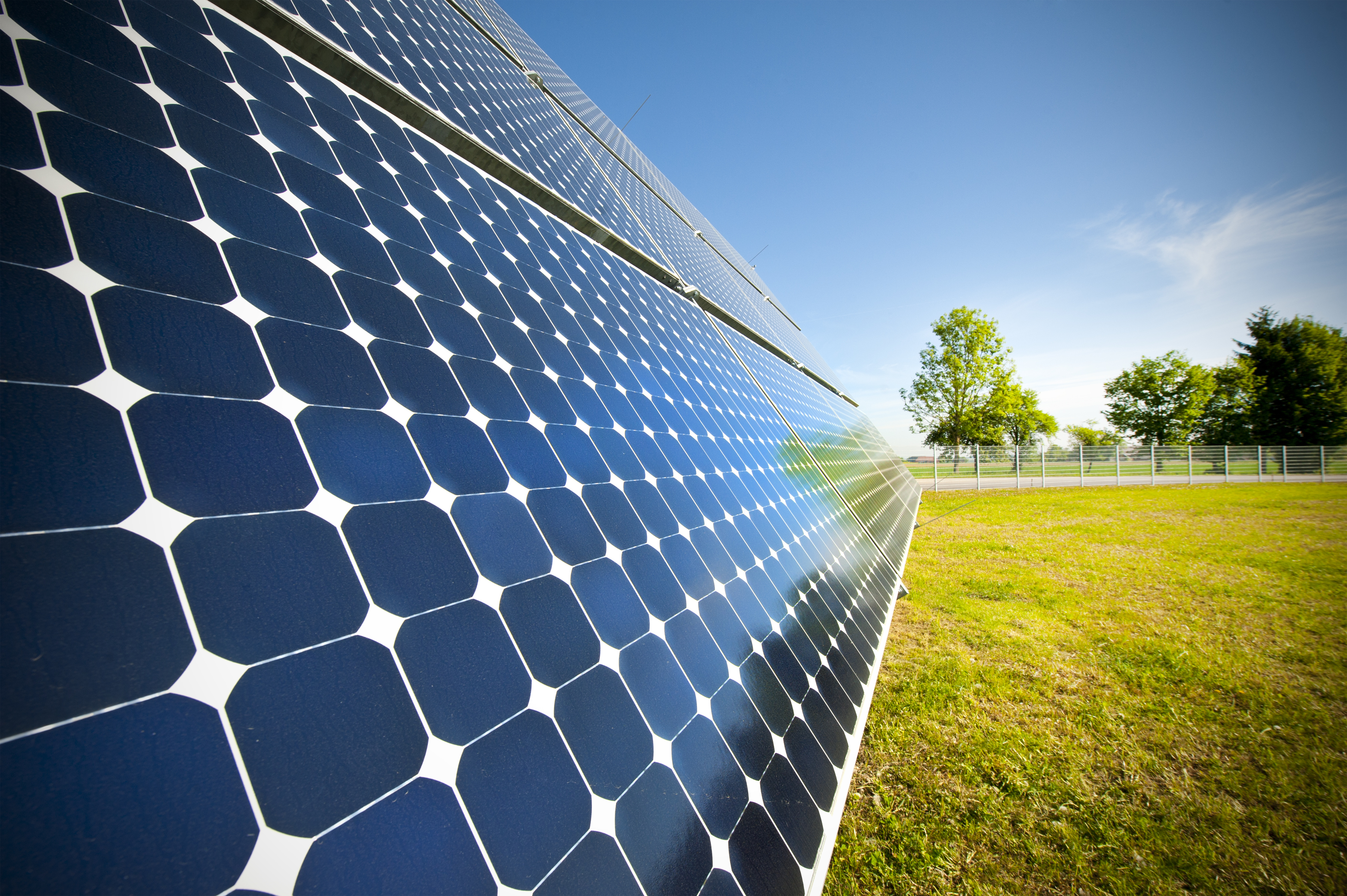
THE ADVANTAGES OF SOLAR ENERGY
Reduces electricity consumption
Producing your own energy means taking less from the grid and therefore reducing your energy consumption. Simple!
Excess energy reduces the value of the bill
Excess energy fed into the grid will be deducted from the total cost of the energy bill consumed.
Increase the value of your home
In case of sale of the property, the presence of a solar system determines a high added value for potential buyers.
Reduces carbon footprint
As a renewable energy source, you can make a real impact by reducing your home’s greenhouse gas emissions.
FINANCING GUIDE
People interested in installing photovoltaic panels at home will receive from the State an equivalent value equal to 90% of the installation price, but no more than 20,000 lei, according to the «Guide to the financing of the Program relating to the installation of photovoltaic systems for the production of electricity, in order to cover consumption needs and supply the surplus to the national grid».
The guide, launched for public debate by the Ministry of the Environment, establishes that state funding is provided for any photovoltaic system with a power exceeding 3kWp.
«The financing is granted as a percentage of up to 90% of the total value of the eligible expenses, within the limit of 20,000 lei. The amount financed by the Authority is deducted by the validated installer from the total value of the invoice, and the difference is borne by the final beneficiary, from his own financial sources», we read in the Guide, the subject of public debate.
- It is part of prosumer rights and future financing and can lead to user energy independence
- Possibility of mounting different photovoltaic panels, in different orientations, with different angles or in difficult conditions without compromising the overall efficiency of the photovoltaic system (thanks to the inverter equipped with 2 MPPT regulators)
- The maximum hourly consumption of the system is not limited by the size of the photovoltaic system
- All basic components included in the package
- 10 year guarantee on photovoltaic panels
- Communication with Vitron Energy systems for the creation of micro-grid solutions
- 2 year inverter warranty with the possibility of extension up to 7 years (free, via online registration)
- Energy management function (possibility of automatic start of some users)
- Remote monitoring and control possible via phone, laptop or tablet
- “Zero kW grid injection” function.
- Converter from the best supplier
- Easy installation and maintenance
Types of solar systems
ON-GRID photovoltaic systems
ON-GRID photovoltaic systems are photovoltaic systems that are necessarily connected to the electricity grid and have the possibility of feeding energy into the grid. These systems are usually not equipped with batteries, but can be equipped with energy storage systems to increase the degree of self-consumption (through the implementation of a HYBRID inverter). In the event of a power failure, the ON-GRID inverter stops its operation to protect the intervention teams.
The system components are simple: inverters, photovoltaic panels, smart meters and accessories (fixing systems, cables, panel, related safety elements). Since the ON-GRID inverter is connected in parallel to the grid, consumers can take part of the energy produced by the panels and the rest from the national grid. If desired, the ON-GRID inverter can limit the energy production to the consumption value and therefore a contract with the energy supplier is not necessarily necessary. photovoltaic panels.
ON-GRID kits contain the required basic equipment. To these will be added the necessary accessories depending on the specifics of each project: fixing system, solar conductor, panel, safety systems, etc.
HYBRID photovoltaic systems
HYBRID photovoltaic systems are photovoltaic systems necessarily connected to an auxiliary energy source (generator or electricity grid). These systems usually do not feed energy into the grid, but can be equipped with accessories to do so.
Energy from solar panels HIBRID systems have a lower number of batteries thanks to the presence of the auxiliary source and one of the main advantages is that it can work as a stabilizer and UPS: if the electricity supply is interrupted, the HIBRID inverter automatically switches from the network to the batteries and guarantees the continuous operation of the users
The components of the systems are the following: inverter, photovoltaic panels, energy storage batteries, battery controller/regulator and accessories (locking systems, cables, panel, related safety elements).
Energy storage batteries are mandatory for such a system and will be chosen based on the mode of use (night consumption or UPS) and based on the consumers (regular consumers vs large consumers). To prolong the life of GEL AGM batteries, it is recommended that the discharge level does not fall below 50%, and that the battery discharge rate is a maximum of 10% of their capacity per hour (this is especially recommended in back-up situations or in the case of the presence of small users during the evening). To prolong the life of lithium batteries, it is recommended that the degree of discharge does not fall below 10-20%, depending on the manufacturer (this is particularly recommended if large consumers are involved).
OFF-GRID photovoltaic systems
OFF-GRID photovoltaic systems are independent photovoltaic systems, i.e. not connected to an auxiliary source of electricity. These systems are usually used where there is no possibility of connection to the electricity grid and require a greater number of energy storage batteries to ensure autonomous operation. The component of these systems is similar to that of HYBRID solutions.
Why have your own off grid photovoltaic system?
An off-grid photovoltaic system will not only increase the value of the property on which it is installed, but will directly help the owner produce electricity at a fixed price, protected from periodic price increases by local electricity suppliers.
The off-grid photovoltaic system, mounted on the roof or even on the ground, produces electricity without noise. Furthermore, it significantly improves life on Earth by respecting current legislation. More precisely, it produces green energy, directly contributing to the reduction of carbon dioxide emissions.
Since the OFF-GRID photovoltaic system cannot produce energy in the absence of the sun (cases found especially on winter days), the use of a complementary generator is recommended. It can be started manually when necessary or it can be connected directly to the photovoltaic system, having the role of charging the storage batteries and continuously powering the users (in this case the photovoltaic system). Choose an off-grid photovoltaic system and you will produce your own electricity through photovoltaic solar panels. They will cope brilliantly with the supply of utilities, regardless of other external electricity suppliers.
You don’t have to worry on days when the sun doesn’t shine! This off-grid photovoltaic system stores excess electricity produced during sunny days in some special batteries, so you can supply consumers as often as you need it, regardless of whether it is day or night. a HYBRID system is produced).
INVERTERS
Solar inverters used in systems with photovoltaic panels are equipment for the production of electricity from renewable sources, which have the role of transforming direct current into alternating current necessary for electrical applications. Inverters are also called «motors of photovoltaic systems», precisely because without them the energy captured by photovoltaic panels from the sun could not be transformed into electricity, necessary to put ordinary consumers into operation.
latest posts published
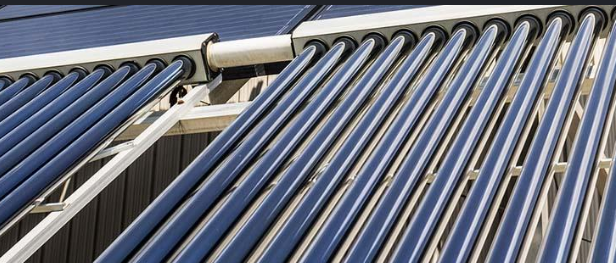
About new generation thermodynamic solar systems
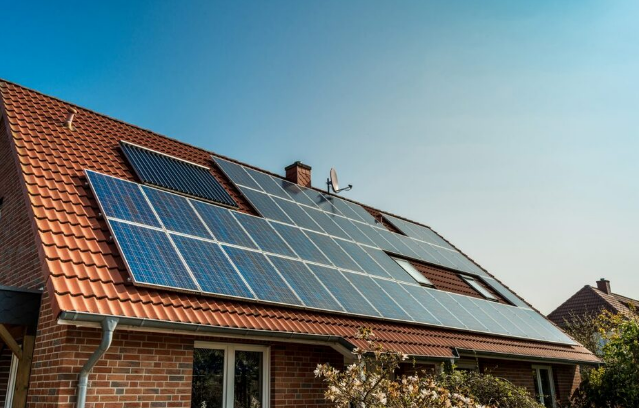
Solar panels and minimalist design: how to integrate them into modern architecture
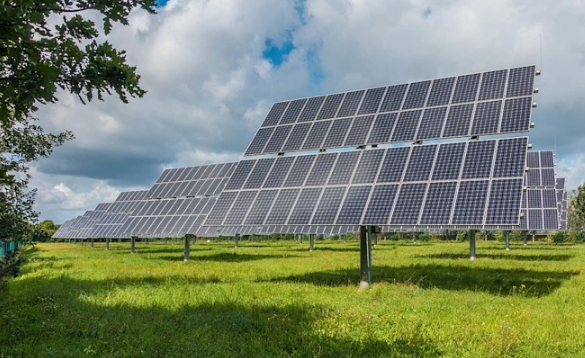
The impact of solar energy on the energy market landscape
How to choose the right electric scooter for my lifestyle
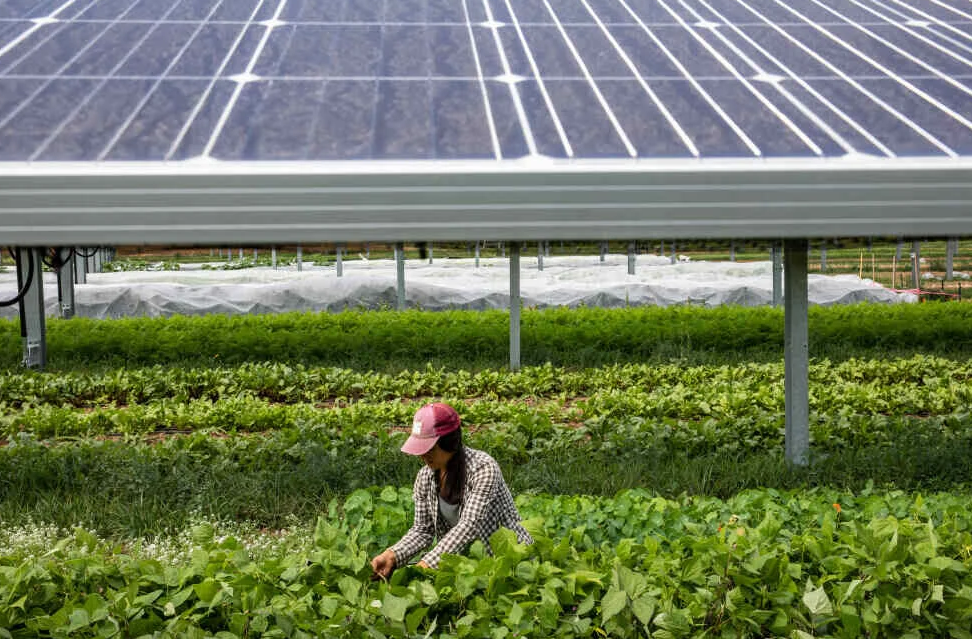
Innovative solutions to monetize the energy of domestic solar panels
What is the difference between prosumer and producer of electricity
Solar panels for your business, profitable or not?
Solar panels for charging electric vehicles
Renewable solar energy: clean and healthy future