

Do you know what is not just perfect, but also achievable and beneficial over time? Charge your electric vehicle only using sunlight! Running electric cars can turn into «sunshine in your ears» because of charging setups that use solar power.
A solar panel is a tool that changes sunlight into electrical energy. It consists of photovoltaic cells (made from silicon, which captures light), an electrical circuit (cells are arranged in series and parallel), and a protective housing (usually made of aluminum or steel that shields the circuit), a layer of protective glass over the frame to safeguard the cells, and an output cable (that connects the panel to chargers, inverters, or batteries to store electrical energy).
To charge vehicles, you need a photovoltaic charging station made up of modules placed in a strong frame. These systems come with solar panels usually between 250-400W, inverters, and a car charger connector. The panels connect to an inverter and batteries. The system works with plug and play technology by linking directly to the car’s charging port.
Solar panels for charging electric vehicles
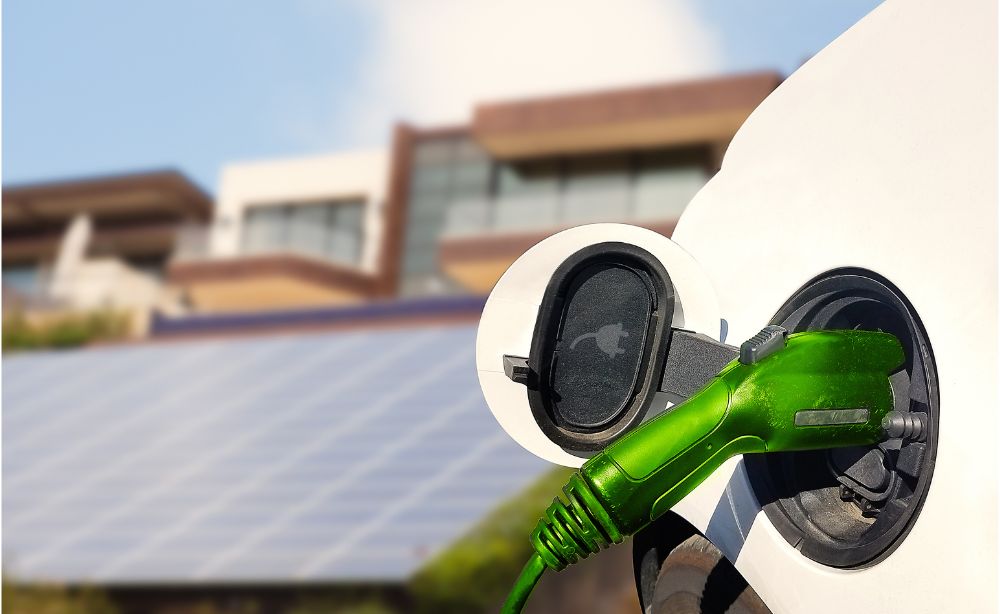
It works like a huge solar socket to which you connect the charging cable. Some models have trackers solar for optimal monitoring of the sun during the day. During the day it charges your electric car using the excess energy captured by the panels, while at night it can complete the charge by drawing on the public grid.
The best performing stations use monocrystalline panels and have a charging capacity of up to 22 kW, meaning they recharge your vehicle’s battery in an instant very short time. The crystal consists of a single grain without defects, which leads to greater efficiency. Because it has a compact and rigid structureresistant to atmospheric agents and vibrations, it converts, on average, 20-22% from solar energy to electricity.
It’s a great feeling knowing that your electric car runs on clean, renewable energy from the sun! If you want to know more about making solar panels, contact the Restart Energy team.
Conclusion
The combination of solar energy and electric vehicles represents one of the most promising developments in the transition toward a cleaner and more sustainable future. What was once considered an ambitious idea is now both practical and increasingly profitable: charging an electric vehicle using energy generated directly from the sun. As renewable energy technologies continue to advance and become more affordable, homeowners and businesses are discovering that solar-powered vehicle charging offers significant economic and environmental benefits.
By installing solar panels and integrating them with an electric vehicle charging system, drivers can generate their own clean electricity and reduce their dependence on traditional energy sources. Instead of relying entirely on grid electricity, which may be produced from fossil fuels, solar charging allows vehicle owners to power their daily transportation with renewable energy. This not only reduces greenhouse gas emissions but also helps lower long-term energy costs.
One of the greatest advantages of solar-powered charging is the potential for long-term savings. While the initial investment in solar panels and charging infrastructure may require careful financial planning, the ongoing reduction in electricity expenses can make the system highly cost-effective over time. As utility prices continue to rise in many regions, producing electricity on-site provides greater energy independence and protection from fluctuating energy costs. For electric vehicle owners who drive regularly, these savings can become substantial over the lifespan of the solar installation.
In addition to financial benefits, solar charging contributes to a more sustainable transportation ecosystem. Electric vehicles already produce fewer direct emissions than conventional gasoline-powered cars, but pairing them with solar energy further reduces their environmental footprint. This creates a truly renewable mobility solution where both energy generation and transportation rely on clean resources.
Technological improvements are making these systems more efficient and accessible than ever before. Modern solar panels generate more electricity than previous generations, while smart charging technologies allow users to optimize charging schedules based on solar production levels. Energy storage systems can also be incorporated to store excess solar energy for vehicle charging during the evening or periods of low sunlight.
Ultimately, charging an electric vehicle with solar energy demonstrates how renewable technologies can work together to create practical and sustainable solutions. What once seemed like a futuristic concept is now a realistic option for many households and businesses. As adoption continues to grow, solar-powered charging systems will play an increasingly important role in reducing energy costs, lowering emissions, and supporting a cleaner, more resilient energy future. By harnessing the power of the sun, electric vehicle owners can enjoy greater independence while contributing to a more sustainable world.
latest posts published

About new generation thermodynamic solar systems

Solar panels and minimalist design: how to integrate them into modern architecture

The impact of solar energy on the energy market landscape

How to choose the right electric scooter for my lifestyle

Innovative solutions to monetize the energy of domestic solar panels

What is the difference between prosumer and producer of electricity

Solar panels for your business, profitable or not?
Solar panels for charging electric vehicles

Renewable solar energy: clean and healthy future