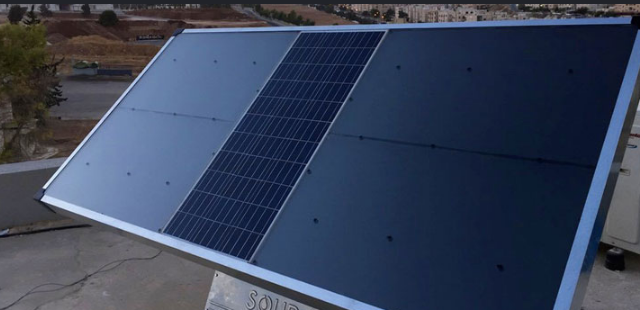
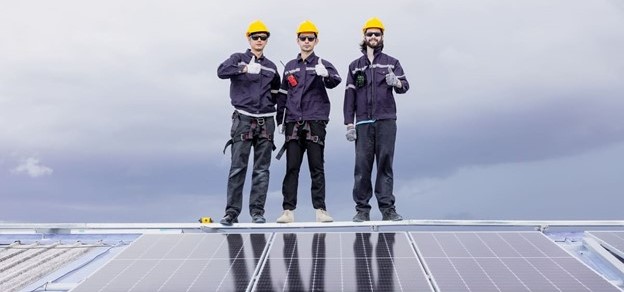
The installation time of a photovoltaic panel system depends on the complexity of the project, the size of the system and local conditions, but on average varies between 1 and 2 days for a standard residential system (without the period dedicated to designing and obtaining the necessary authorizations for connection to solar panels). A larger or more complex project (for example for a business or farm) may take longer, in 1-2 weeks.
Here’s a breakdown of the stages and approximate times for each!
Planning and design (1-2 weeks)
At this stage you will need to take the time to carefully analyze the energy needs of your property, the available solar resources and the possibilities for placing the system.
- Analysis of energy needs: Identify your property’s energy consumption, to determine the required capacity of your solar panel system. For more concrete information read the article on how many photovoltaic panels are needed for a house!
- Evaluation of solar resources: examine your property’s solar exposure to ensure system efficiency.
- Choice of type of solar panels: depending on your specific needs you can choose between different types of solar panels: monocrystalline, polycrystalline or thin film.
- Calculation of system size: based on your energy needs and solar resources, calculate the optimal size of your solar panel system.
- Creating an installation plan: Once you have all this information you can create a detailed system installation plan.
The location audit will help you find the answer to the question how long does it take to install photovoltaic panels. Here you need to check whether the place is suitable for installing solar panels. Inspect the roof or ground to ensure that it is solid enough and has enough space to accommodate the system. The degree of exposure to the sun is also evaluated to determine the efficiency of the system!
From signing the contract to obtaining all the permits and starting the installation of solar panels for your home, estimate a period of about 30 to 40 days. During this interval, the design of the system will be carried out and all the documents necessary for connection to the grid will be obtained.
Site preparation (1-2 hours)
At this stage it is essential to make sure roof structure it is robust enough to support the weight of the photovoltaic panels. Structural strength assessment involves an analysis of building materials, roof age and local weather conditions. This assessment is necessary to prevent possible long-term problems related to the installation and operation of the photovoltaic panel system.
If after checking it is found that the roof has defects or structural problemsmust be repaired before installing the panels. Repairs may include replacing damaged shingles, strengthening the roof structure, or improving insulation. The goal is for the roof to be in the best condition possible before installation begins.
Once thing the roof was assessed and repaired if necessarythe next phase involves the transport and organization of the components of the photovoltaic panel system. These include the panels themselves, the mounting structures and the solar inverter. Components must be transported safely to site and organized efficiently to facilitate the installation process.
If you intend to install photovoltaic panels on the ground, it is necessary to prepare the ground. This may involve clearing and leveling the land, as well as assessing and minimizing the impact on the environment.
Installation of mounting structures (4-8 hours)
The installation of mounting structures involves the installation of supports or frames for photovoltaic panels. This phase can be performed on the roof or on the ground, depending on the specifics of the project.
The duration of the installation of the mounting structures may vary depending on the location chosen. If we talk about a residential system installed on the roof, this process generally lasts 4 to 8 hours. If the system is installed on the ground, the operation may take longer, especially if some excavation work needs to be carried out.
The importance of quality fastening systems
- High productivity and efficiency in installation
Zonetec fixing systems are designed for quick and easy installation, having only 1-2 adjustment points and allowing working exclusively from above or sideways. This intuitive design reduces installation time, regardless of whether the panels are installed on the roof or on the ground. - Ensure the warranty of the panels
Zonetec fixing systems comply with all the conditions required by photovoltaic panel manufacturers to maintain the warranty. The use of inadequate assembly solutions can lead to the cancellation of the warranty, but by choosing Zonetec you have the certainty of conformity and protection over time. - Long-term strength and durability
Zonetec mounting structures are made of certified, durable and corrosion-resistant materials. They offer mechanical stability and protection against external factors, such as wind, snow or temperature variations, ensuring a long life of the entire system.
Installation of photovoltaic panels (4-8 hours)
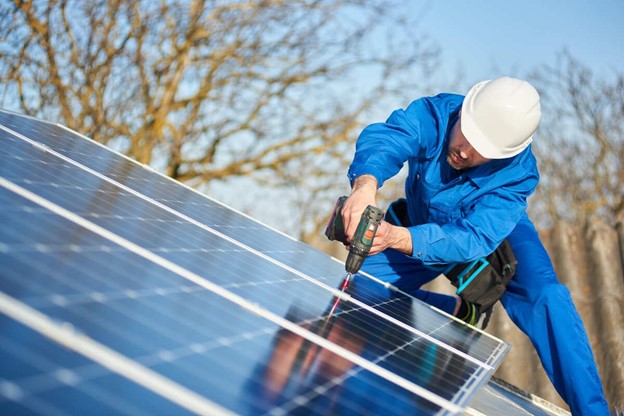
The photovoltaic panels are fixed on the mounting structures using a special fastening system. It is important to ensure that the panels are well secured to prevent them from becoming damaged or falling in strong winds.
Once installed, the panels must be oriented correctly to maximize sun exposure. This will ensure that the panels generate the maximum amount of energy possible. Keep in mind these technical factors that affect the performance of a photovoltaic system when installing the panels!
In general, for a system standard residential 4-6 kWthis process lasts 4 to 8 hours.
Installation of the electrical system (1-2 hours)
This phase, which can be carried out in a single day, involves connecting the panels to the inverter and the batteries, making the connection to the electrical panel, installing the bidirectional meter and checking and testing the electrical system.
- Connecting the panels to the inverter and batteries. This step involves physically interconnecting the solar panels to the inverter and, if applicable, to the batteries. The inverter has the role of transforming the direct current (DC) generated by the panels into alternating current (AC), which can be used in the home or in the building in which the system is installed. If the photovoltaic system is equipped with a battery, the energy produced during the day can be stored and used during the night or during periods without sunlight.
- The connection to the electrical panel of the house. This step is essential to allow the energy produced by the panels to circulate in the building’s electrical circuit. The connection to the electrical panel must be carried out by an authorized electrician, to guarantee the safety of the system and users.
- If the solar system is designed to feed excess energy into the electrical grid, a bi-directional meter will be required. This meter measures both the energy consumed by the network and the energy injected into the network, allowing the correct billing of energy consumption. Installing the meter may require a few additional hours, but it is essential for the correct functioning of a photovoltaic system connected to the grid.
- Checking and testing of the electrical system. This includes checking connections, inverter and meter functionality, as well as testing energy production. It is important to check the safety of the system, to ensure there is no risk of electric shock or fire.
Test and calibrate (1-2 hours)
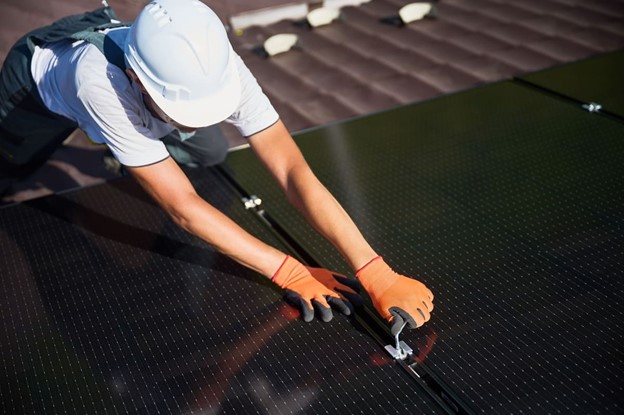
At this stage, all components of the system are checked and tested to ensure that everything is working properly.
- Control of the entire system: All components of the photovoltaic panel system – panels, mounting structures, inverters, solar panel batteries (if included in the system) – are reviewed to ensure that they have been installed correctly and are functioning properly. This may include checking electrical connections, panel fixing mechanisms and inverter operation.
- Testing of energy production and network connection: once the system has been verified, the next step is to test the energy production of the photovoltaic panels and the connection to the electricity grid. This can include measuring the power output under different lighting conditions and controlling how the system interacts with the electrical grid.
- System security check: Safety is essential in any electrical installation and photovoltaic panel systems are no exception. This may include checking surge protection, electrical isolation and other safety mechanisms.
latest posts published
About new generation thermodynamic solar systems
Solar panels and minimalist design: how to integrate them into modern architecture
The impact of solar energy on the energy market landscape

How to choose the right electric scooter for my lifestyle
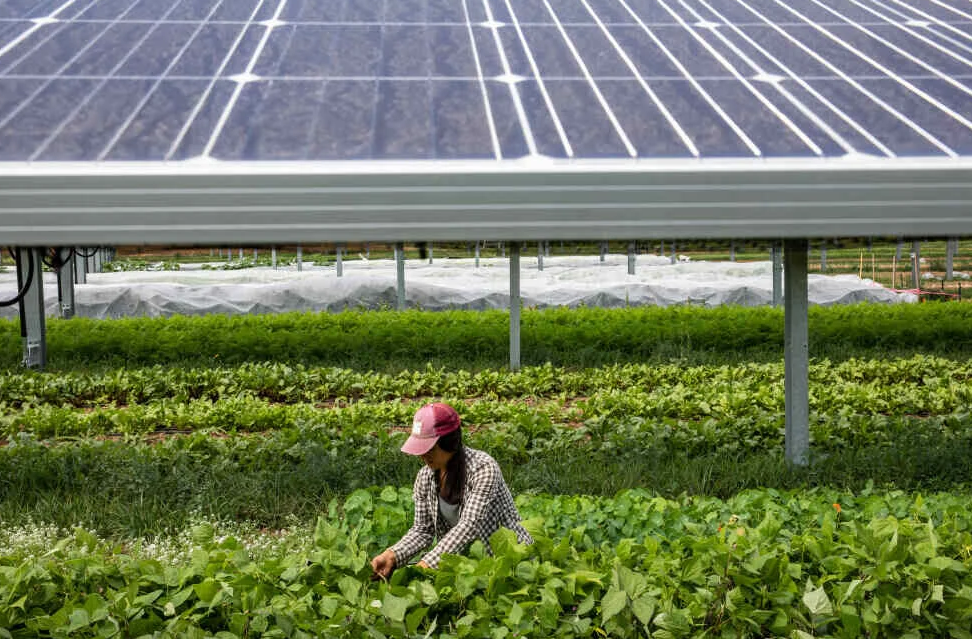
Innovative solutions to monetize the energy of domestic solar panels
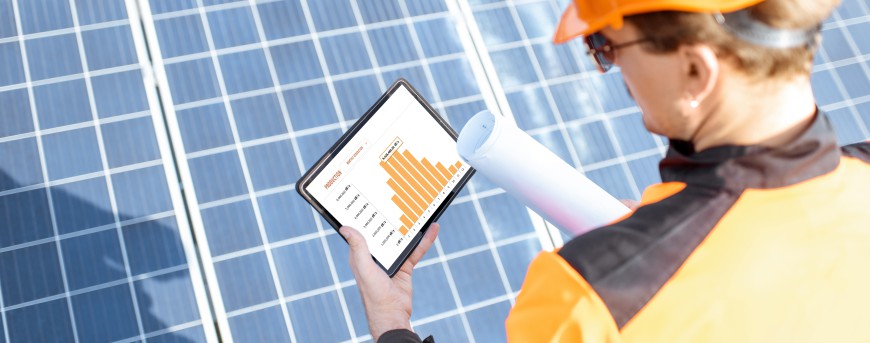
What is the difference between prosumer and producer of electricity
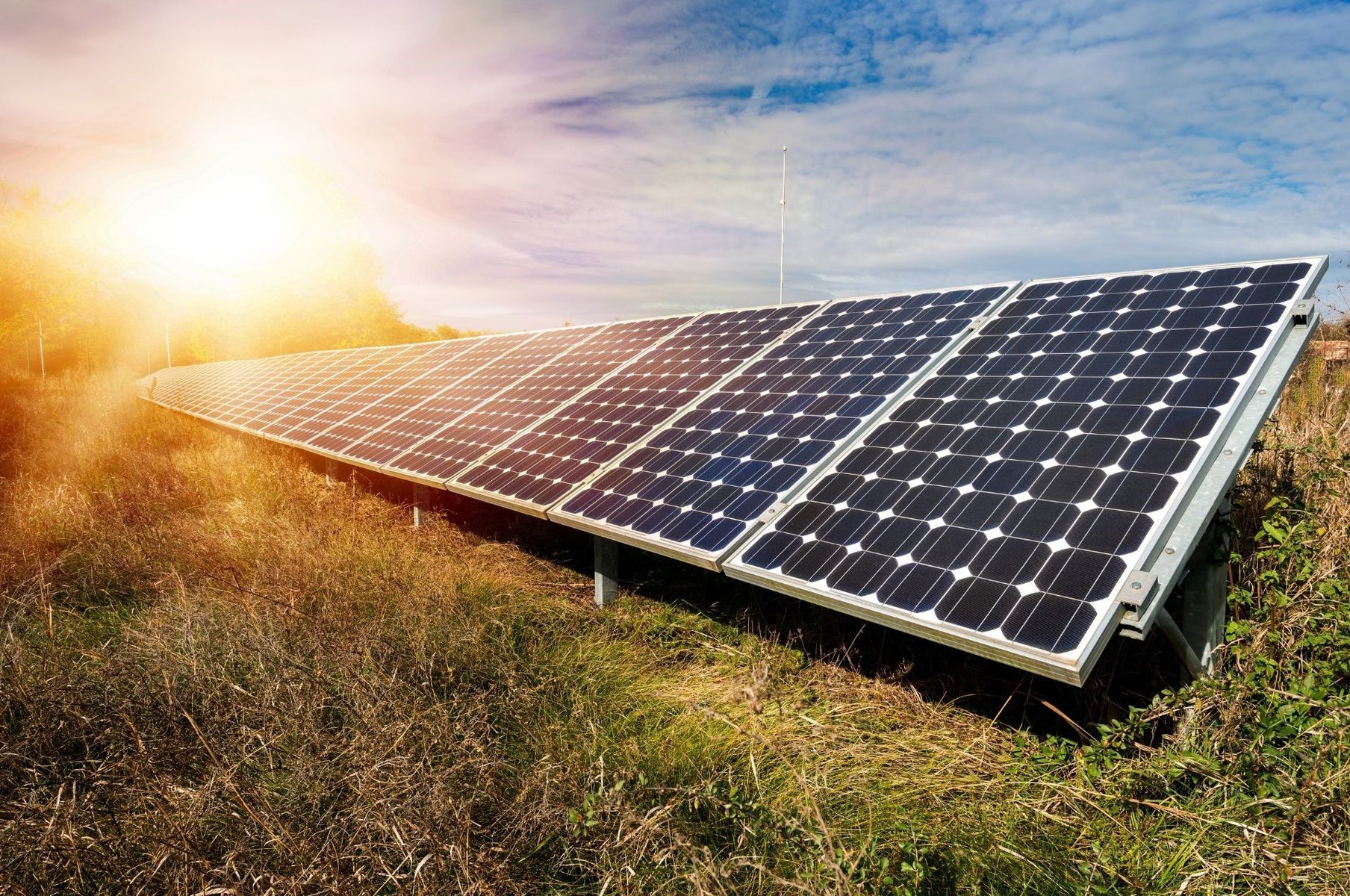
Solar panels for your business, profitable or not?
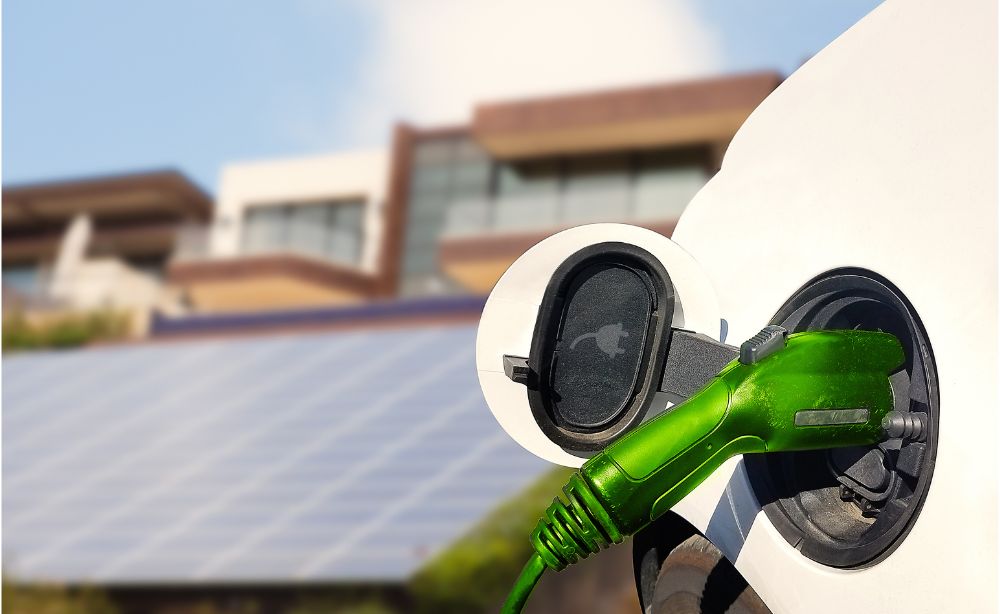
Solar panels for charging electric vehicles
Renewable solar energy: clean and healthy future