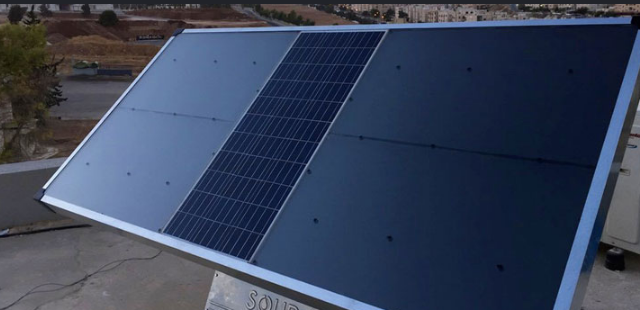
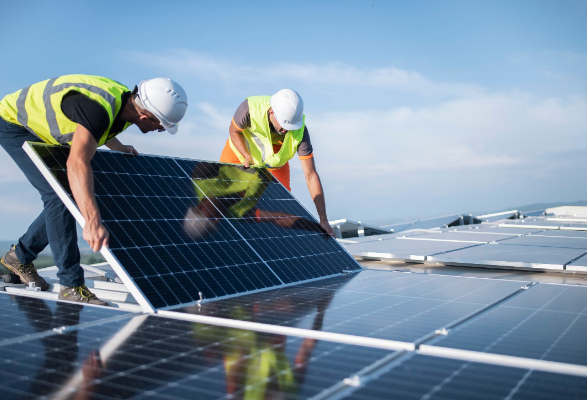
You have probably often heard about photovoltaic panels and therefore your interest has been piqued. Well, first you need to know what they are and how they work, then you will know their advantages. They constitute the energy generator within a photovoltaic system. These are therefore devices that transform the sun’s energy into another resource. So solar panels work very simply: they take the sun’s energy and turn it into electricity, a source of electricity for your home, with 0 carbon emissions.
There are different types of photovoltaic panels and the decision is up to you at the time of purchase. They are classified, depending on the type of cells they contain, into:
- amorphous photovoltaic panels;
- Thin film photovoltaic panels;
- monocrystalline photovoltaic panels;
- polycrystalline photovoltaic panels.
Now that we have clarified what panels are and how many types they are, we will further present the advantages deriving from the installation of photovoltaic panels:
You can become an energy producer and the bills will be faded
Photovoltaic panels, their type, size and domestic consumption are what influence the reduction of monthly costs. Before concluding the contract with the energy supplier, make sure you have calculated your home’s consumption and that your solar system covers the energy you need. So you consume what you produce and are energy independent. If the system is optimal and still produces more energy than it consumes, the extra energy will be exported to the national electricity grid. Then you will sell the energy and collect the surplus in the form of a sum, becoming a producer and seller of energy, without paying the typical bill.
The guarantee is valid for a long period
Most solar panel suppliers offer a 25-year warranty. However, if solar panels are made of high-quality materials and carefully installed, their lifespan can be up to 30 years. For example, if you install a system on the roof of your house today, in 25 years it will have an efficiency of at least 80%, which is quite high and indicates that they are still effective.
You have free power
The system creates energy while the sun is in the sky, so photovoltaic panels are renewable, efficient, inexhaustible and natural energy sources, available at any time.
Furthermore, in addition to those already mentioned, the advantages deriving from the installation of photovoltaic panels are also highlighted by the fact that:
- they add value to the house, so if in the future you decide to sell it, thanks to the solar system the price value increases;
- panel maintenance is simple; sometimes it is necessary to clean them with common glass cleaners and a microfibre cloth;
- the parts are not mobile, therefore they do not need to be replaced after a short time;
- solar energy works everywhere, that is, these sources can be installed where national energy has not yet arrived, and bringing it would be expensive. On the other hand, the panels will easily power your home and are good for the environment;
- the variety of photovoltaic panels on the market offers you a wide range of possibilities.
Photovoltaic panels therefore offer multiple advantages. Call our consultants to see how to adapt the project Restart the solar depending on the needs of your company.
Conclusion
Photovoltaic panels have become one of the most practical and effective technologies for generating clean, renewable electricity. By converting sunlight directly into electrical energy through the photovoltaic effect, these systems provide a reliable source of power without producing carbon emissions during operation. Their simple yet highly efficient design has made solar energy increasingly accessible to homeowners, businesses, and industries seeking to reduce energy costs while contributing to a more sustainable future.
One of the greatest advantages of photovoltaic panels is their ability to harness an abundant and renewable natural resource. Unlike fossil fuels, sunlight is freely available and continuously replenished, allowing solar systems to generate electricity without depleting natural reserves or creating harmful air pollution. As a result, photovoltaic technology plays a vital role in reducing greenhouse gas emissions and supporting global efforts to combat climate change while promoting cleaner air and healthier communities.
In addition to their environmental benefits, solar panels offer significant long-term financial value. Once installed, they allow users to produce their own electricity, reducing dependence on traditional utility providers and protecting against rising energy prices. Although the initial investment requires careful planning, the long operational lifespan of modern photovoltaic systems—often exceeding 25 years—enables substantial savings on electricity bills and provides an attractive return on investment over time.
Technological progress has also made photovoltaic systems more efficient, durable, and user-friendly than ever before. Modern solar panels generate more electricity from the same amount of sunlight, require very little maintenance, and are designed to withstand a wide range of environmental conditions. Combined with advanced monitoring systems and optional battery storage, these innovations allow users to optimize energy production and maximize self-consumption throughout the year.
Another important advantage is the versatility of photovoltaic technology. Solar panels can be installed on residential rooftops, commercial buildings, industrial facilities, agricultural properties, and large-scale solar farms, making renewable energy accessible across multiple sectors. Their flexibility allows both small and large energy consumers to benefit from clean electricity while supporting greater energy independence and reducing reliance on conventional power generation.
Ultimately, photovoltaic panels represent much more than a source of renewable electricity. They provide a practical solution for lowering energy costs, reducing environmental impact, and increasing energy security while contributing to the global transition toward sustainable power generation. As solar technology continues to evolve and become even more efficient, investing in photovoltaic systems remains one of the smartest and most environmentally responsible decisions for anyone seeking reliable, cost-effective, and emission-free energy for the future.
latest posts published
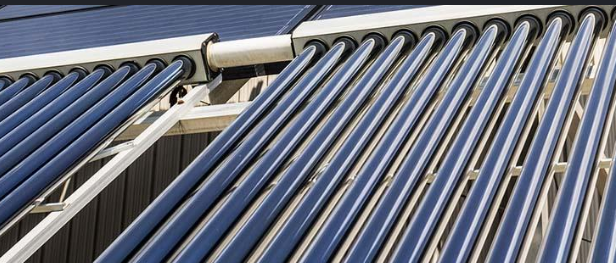
About new generation thermodynamic solar systems
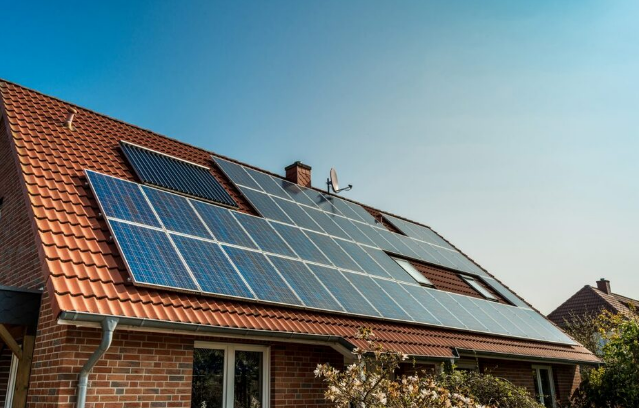
Solar panels and minimalist design: how to integrate them into modern architecture
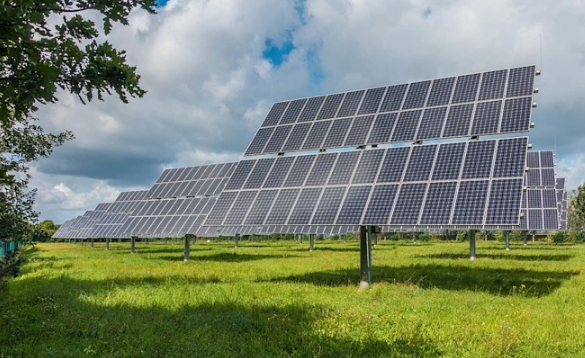
The impact of solar energy on the energy market landscape

How to choose the right electric scooter for my lifestyle
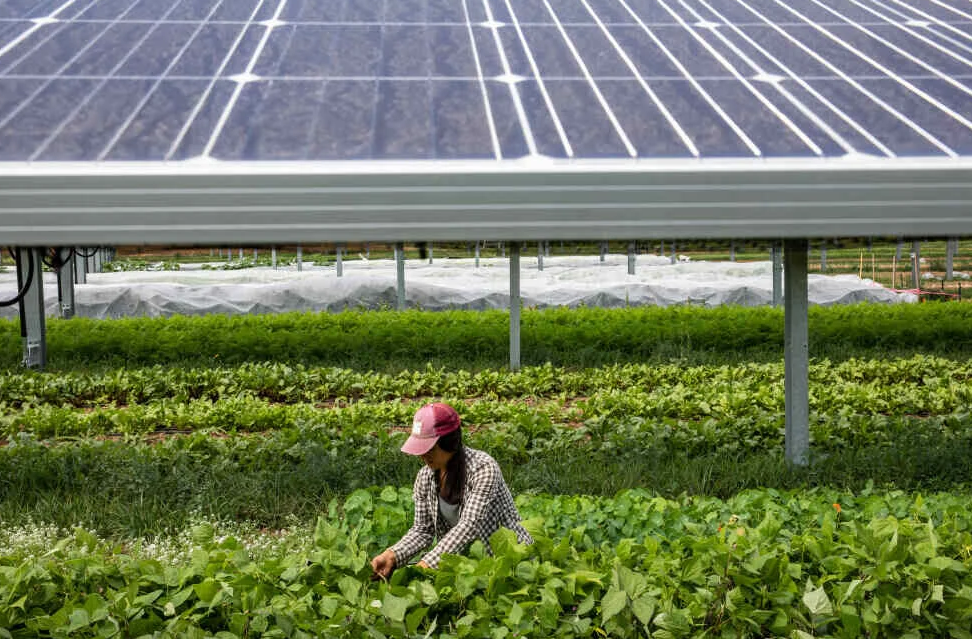
Innovative solutions to monetize the energy of domestic solar panels
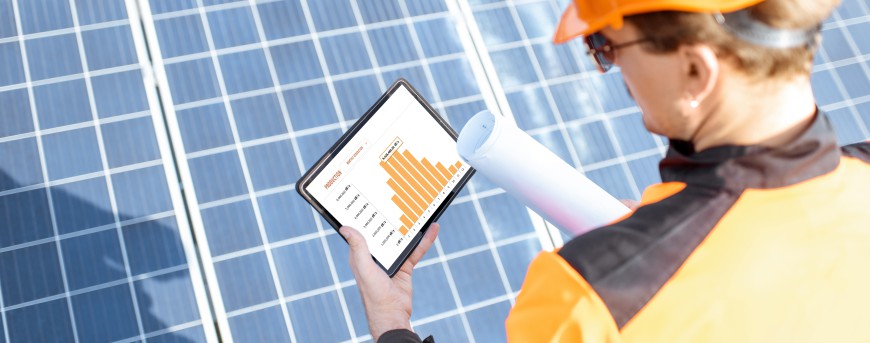
What is the difference between prosumer and producer of electricity
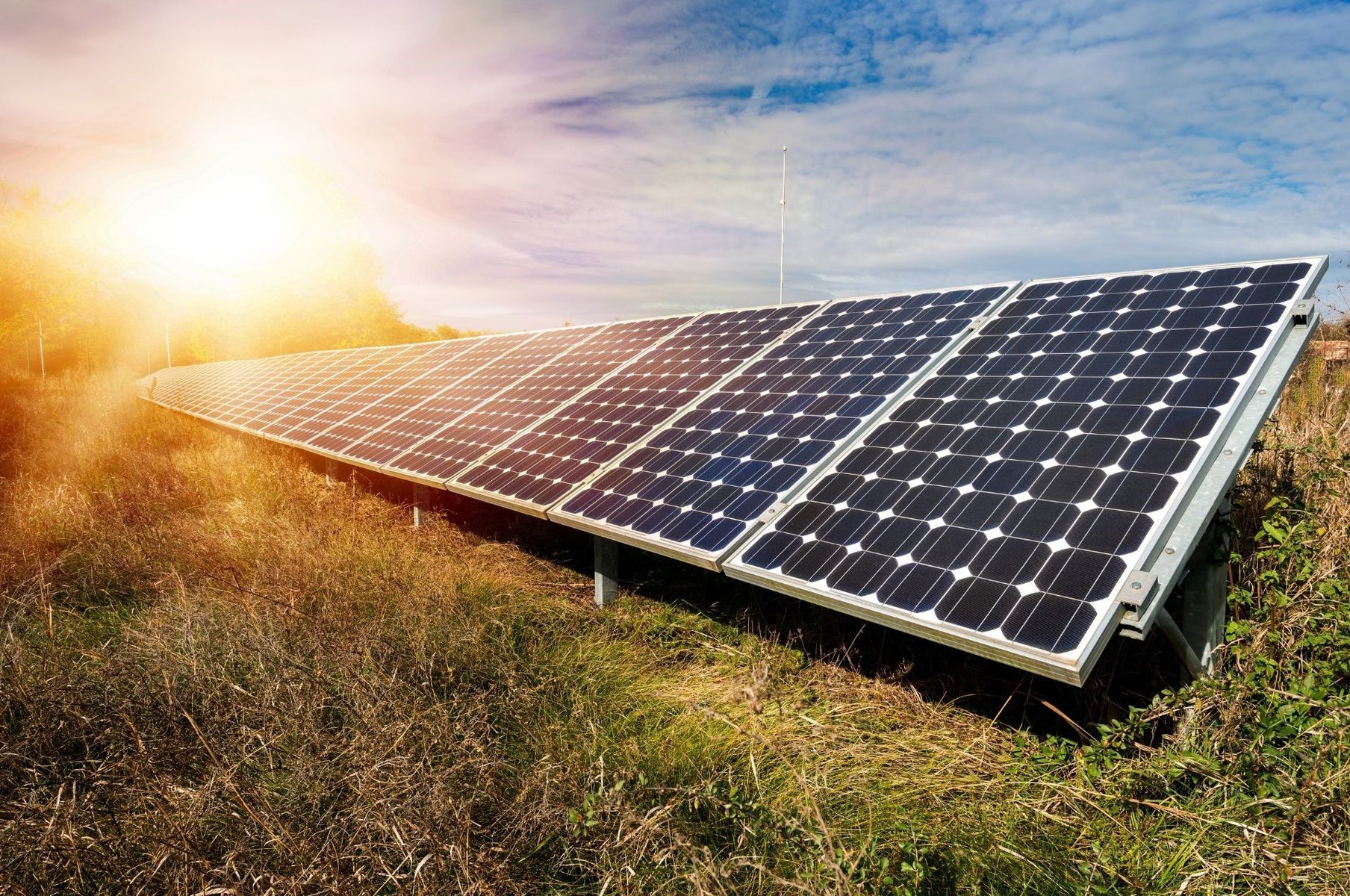
Solar panels for your business, profitable or not?
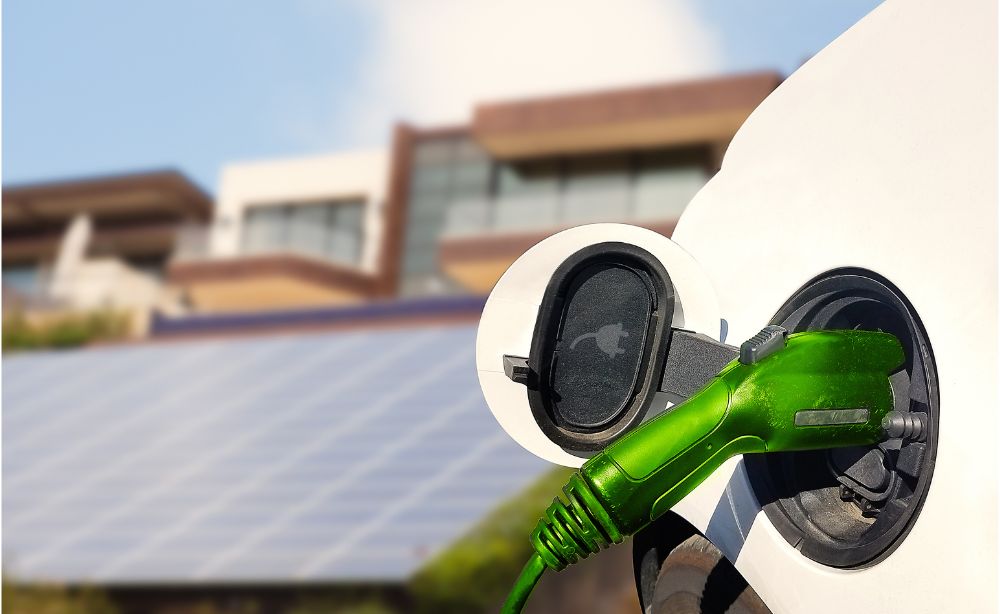
Solar panels for charging electric vehicles
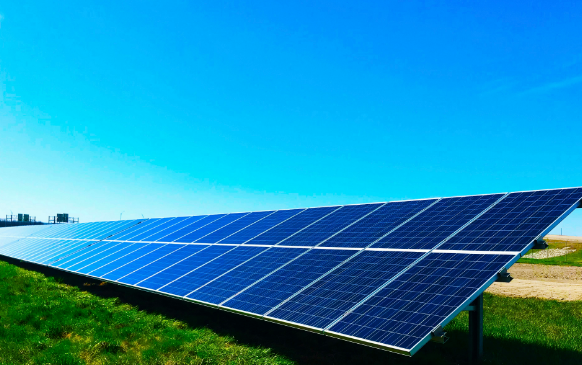
Renewable solar energy: clean and healthy future