The more businesses and households sign up for green energy tariffs, the more renewable energy is fed into the grid and the country’s dependence on fossil fuels is reduced. The renewable green energy you use for your business could come from wind, solar, hydroelectric and biomass farms. You should know that renewable energy comes from natural processes that are constantly replenished. Renewable energy has become an increasingly attractive option for businesses of all sizes and profiles. Investing in renewable energy is not only good for the environment, but can also be good for businesses.
Recent reports have shown that commercial solar energy will grow in the coming years. Many companies will now introduce this as part of their operating budget. The advantages for companies that use renewable energy sources are many. These include marketing opportunities, emissions reduction, lower electricity bills and significant savings. Businesses can take advantage of these sustainable energy sources to save on energy costs and help protect the environment. All these resources translate into a smart long-term investment.
Renewable-green energy: types and importance
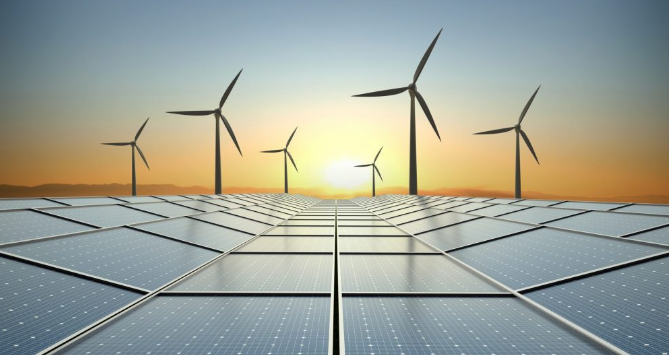
There are several forms of renewable energy to choose from, including solar, wind, hydroelectric, biomass and geothermal, each suited to different types of businesses.
There are several forms of renewable energy suitable for businesses.
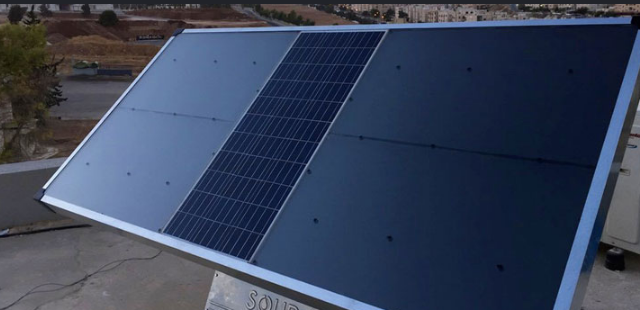
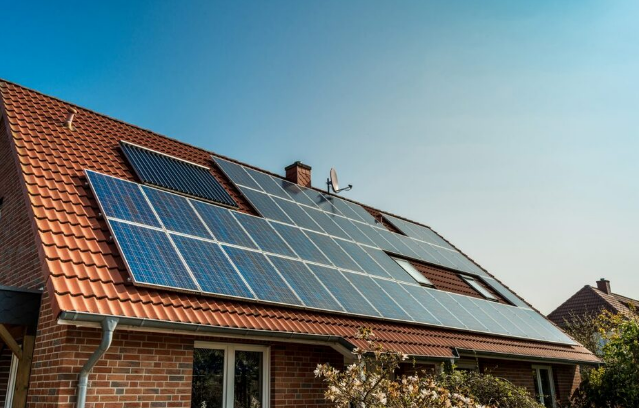
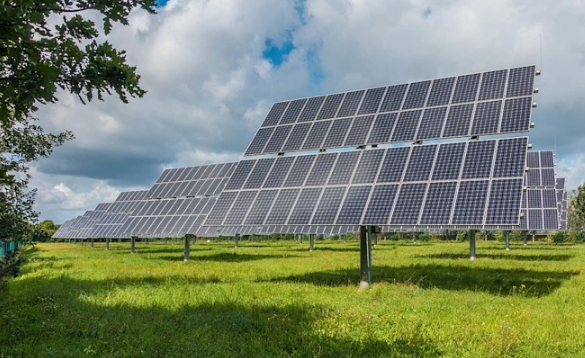
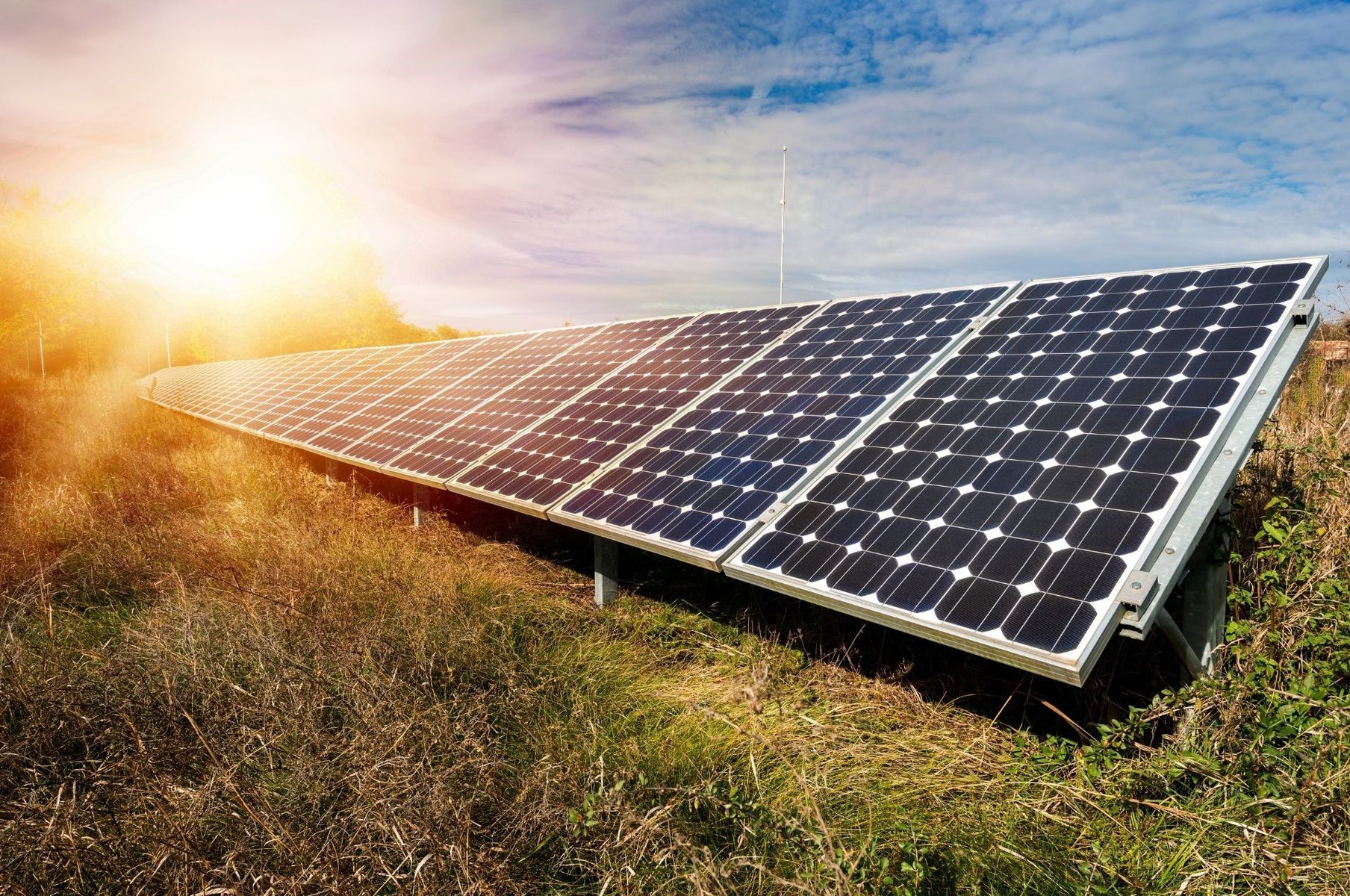
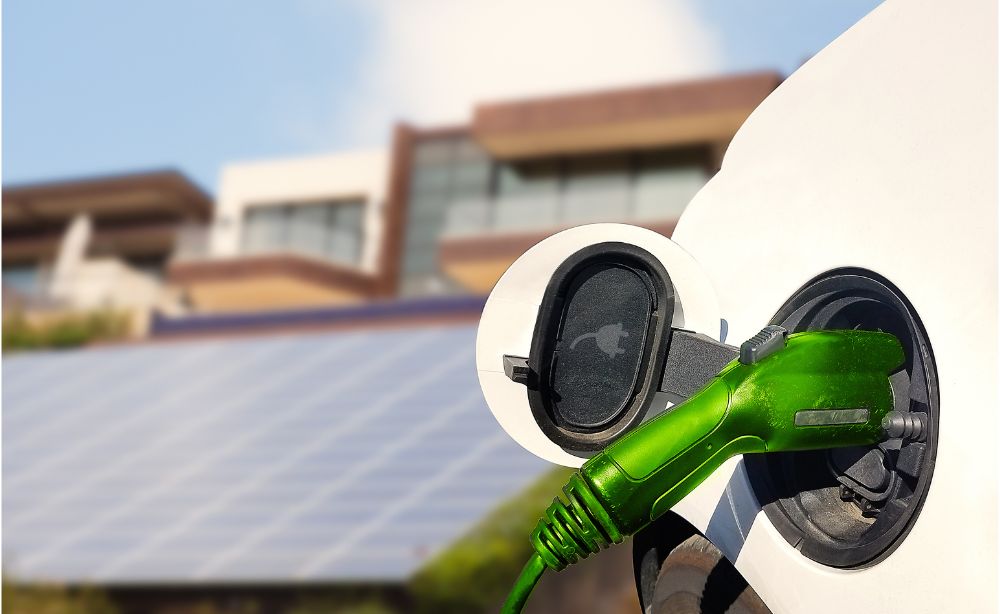
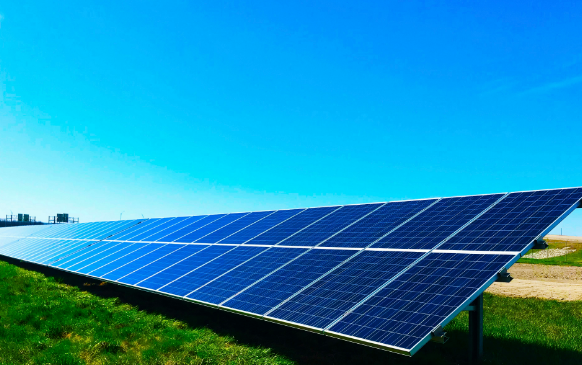
- One of the most popular is solar energy. Solar panels can be installed on the roofs of buildings or on the ground. In addition to being a clean, renewable energy source, solar energy can be less expensive than traditional electricity in some areas.
- Another form of renewable energy suitable for businesses is wind energy. Wind power is ideal for businesses located in rural or coastal areas where wind speeds are higher.
- Another type of renewable energy increasingly used by businesses is hydroelectric energy. It involves using the power of moving water to generate electricity.

The advantages of renewable energy for any type of business
Renewable energy can reduce a company’s energy costs and also help it achieve its sustainability goals. Additionally, if a company has a strong commitment to sustainable practices, it can be helpful in attracting new environmentally conscious customers. What other benefits does it offer?
- Protection against price fluctuations.
- Possibility to sell energy to the grid.
- Greater reliability. Power outages can cause costly downtime for businesses. If you have your own resources for energy production, as well as being connected to the grid, you will decrease your chances of experiencing an outage.
- Improve investor confidence and reputation among customers.
Contact one of the specialists Restart the power and find out how you too can take advantage of the benefits of solar energy for your business!
Conclusion
The corporate shift toward sustainable infrastructure is fundamentally driven by the realization that ecological responsibility and business profitability are deeply interconnected. As the text outlines, when a growing number of commercial enterprises and private households actively sign up for green energy tariffs, they trigger a powerful market mechanism. This collective consumer demand directly forces utility companies to feed a higher volume of renewable electricity into the national grid, progressively displacing carbon-heavy alternatives. Consequently, adopting green energy is no longer just a passive, symbolic gesture; it is an active economic vote that systematically reduces a country’s long-term dependence on volatile, finite fossil fuels.
The versatility of modern renewable energy ensures that businesses can easily diversify their power portfolios according to their specific operational profiles and geographical locations. Green energy draws from an array of natural, inexhaustible processes that constantly replenish themselves over time, including wind, solar, hydroelectric, and biomass farms. Because these resources are naturally recurring, they are completely immune to the structural depletion risks associated with coal, oil, and natural gas. This technological maturity has transformed green energy into an increasingly attractive, mainstream option for organizations of all sizes, allowing small startups and massive multinational corporations alike to seamlessly integrate clean power into their daily workflows.
From a financial perspective, investing in renewable energy tariffs or on-site generation infrastructure offers profound long-term benefits for a company’s bottom line. Traditional fossil fuel markets are notoriously unstable, leaving businesses vulnerable to unpredictable utility inflation, regulatory carbon taxes, and geopolitical supply shocks. By locking in predictable, long-term rates through renewable energy contracts, businesses can stabilize their operational overhead and gain critical budgetary foresight. Furthermore, companies that champion green energy significantly enhance their brand equity, aligning themselves with the core values of modern consumers and investors who prioritize environmental, social, and governance (ESG) metrics.
Ultimately, the transition to green power represents a win-win strategy that secures both environmental preservation and corporate resilience. It turns the necessary expense of electricity consumption into a strategic asset that actively combats global warming while simultaneously shielding the business from future market volatility. As the global green infrastructure expands and economies of scale continue to drive down the cost of clean technologies, the incentives to make the switch will only multiply. Embracing renewable energy tariffs is a definitive step toward building a sustainable future, proving that protecting the planet’s resources is one of the smartest investments a forward-thinking business can make.
latest posts published
About new generation thermodynamic solar systems
Solar panels and minimalist design: how to integrate them into modern architecture
The impact of solar energy on the energy market landscape

How to choose the right electric scooter for my lifestyle

Innovative solutions to monetize the energy of domestic solar panels
What is the difference between prosumer and producer of electricity
Solar panels for your business, profitable or not?
Solar panels for charging electric vehicles
Renewable solar energy: clean and healthy future