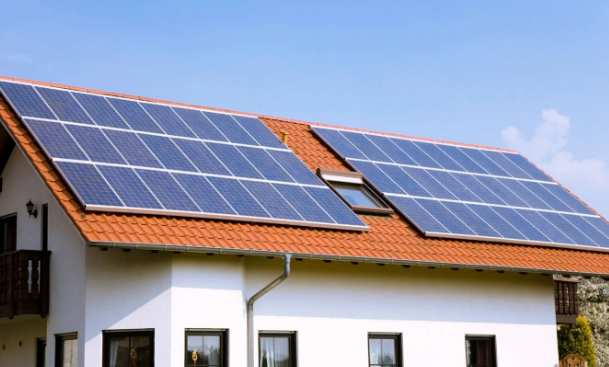
Have you considered investing in photovoltaic panels for your business or home? This is not surprising, especially since each of us seeks to optimize our energy costs, but also more environmentally friendly solutions.
But, before making such an important decision, it is good to know some things that will help you make the best choice. Here are five essential things to consider before purchasing solar panels.
1. How exactly do photovoltaic panels work?
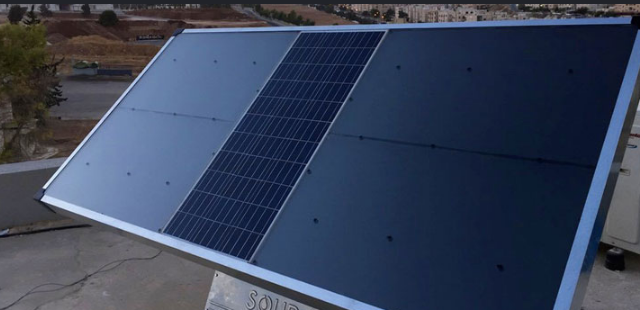
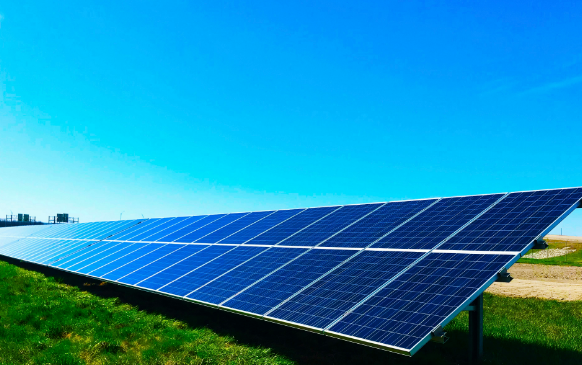
Essentially, photovoltaic panels use sunlight to produce electricity. They are made of special cells that transform solar energy into electricity that you can use in your home. Even if you live in an area where it isn’t always sunny, photovoltaic panels will still work. They produce less current on cloudy days, but don’t let that put you off. The important thing is that they always work, only at reduced capacity when the weather is not ideal.
2. How much does it cost and when will you get your money back?
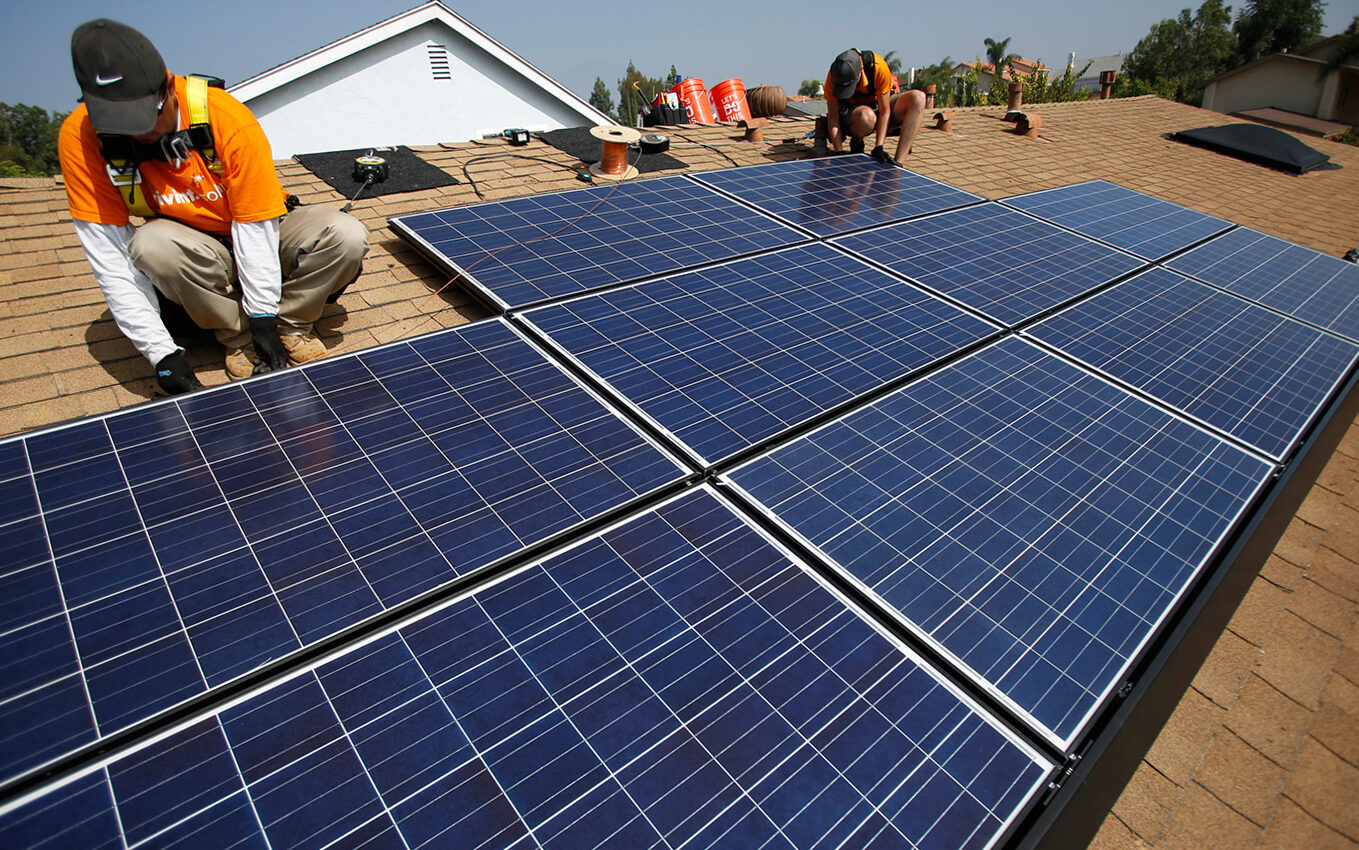
Installing solar panels may not seem cheap at first. But in the long term, things look much better. After making the initial investment, you will start saving on your electricity bill every month. Depending on the system you choose and how much you consume, in about 5-10 years you will recover all the money invested.
3. What types of panels are available and which ones are right for you?
There are different types of photovoltaic panels on the market, each with advantages and disadvantages:
- Monocrystalline – They are the most efficient, i.e. they produce more energy on a small surface area. They are a good choice if you don’t have a lot of roof space.
- Polycrystalline – They are more convenient, but a little less effective. If you have a large roof, this could be a good option.
- Thin film – They are more flexible and cheaper, but they are less efficient, so you will need more panels to get the same amount of energy.
4. Authorizations and benefits: what to expect?
As with any more serious project, you need to be prepared for the bureaucratic part. In some cases, approval from the municipality or electricity distributor may be required. It depends on where you live and how large a system you want to install.
Don’t forget about available subsidies. In Romania, Green House Program can provide you with substantial financial support. So it is worth taking an interest in all the details before starting work.
5. Maintenance of photovoltaic panels and their duration
Once the panels are installed, they won’t give you much trouble. They are quite easy to maintain. Just clean them of dust and dirt a couple of times a year to make sure they work at their best.
Most panels have a 20-25 year warranty, but after that they can still work. The only thing you will have to replace first is the inverter (the device that converts the direct current produced by the panels into alternating current that can be used in the home). The inverter has a lifespan of approximately 10-15 years.
Installing photovoltaic panels may seem like a big decision at first, but in the long term the benefits are clear. Lower bills, a contribution to environmental protection and greater energy independence are just some of these. Get well informed, analyze all your options and make the best decision for you, your family or your business.
Do you prefer to consult an expert? Restart Energy offers personalized assessments of your energy needs and optimal solutions. We have experience with all types of projects, large or small. Make sure your investment pays off!
Conclusion
The decision to explore photovoltaic panels for commercial or residential properties reflects a growing global awareness of both financial efficiency and ecological responsibility. As energy markets face increasing volatility and traditional utility costs continue to climb, individuals and business owners alike are actively seeking reliable alternatives to stabilize their monthly overhead. Investing in solar technology directly addresses this need by transforming a recurring, unpredictable expense into a controlled, long-term asset. The widespread interest in solar energy is a rational response to an economic landscape where self-generation has become more accessible and financially viable than ever before.
Beyond the immediate financial benefits, transitioning to solar infrastructure satisfies the urgent demand for more environmentally friendly solutions. Conventional power generation relies heavily on fossil fuels, emitting greenhouse gases that accelerate global warming, drive climate change, and degrade air quality. Photovoltaic panels, conversely, harvest clean and inexhaustible sunlight, generating electricity with zero operational emissions. By choosing a renewable energy source, businesses can significantly lower their carbon footprints—enhancing their corporate sustainability profiles—while homeowners can rest assured that their daily energy consumption does not come at the expense of the planet’s future.
Furthermore, modern advancements in solar technology have drastically shortened the amortization period for these systems, making the investment highly attractive. With high-efficiency panels, intelligent inverter systems, and scalable battery storage options, a properly engineered solar array can pay for itself within a few years through drastically reduced electricity bills. Once the initial installation costs are recovered, the system provides essentially free power for the remainder of its multi-decade lifespan, offering an unparalleled return on investment while shielding the property owner from future utility inflation.
Ultimately, adopting photovoltaic panels represents a powerful alignment of economic self-interest and global environmental stewardship. It allows consumers to transition from passive energy buyers into independent clean energy producers, fostering a more resilient and decentralized power grid. As technology continues to mature and installation processes become more streamlined, the incentives to make the switch will only multiply. Embracing solar energy is no longer just a trend for the future, but a practical, high-yielding strategy for the present that safeguards both financial resources and the environment for generations to come.
latest posts published
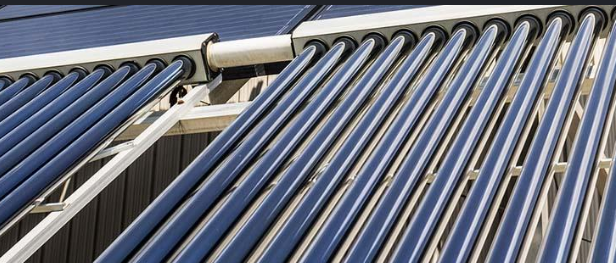
About new generation thermodynamic solar systems
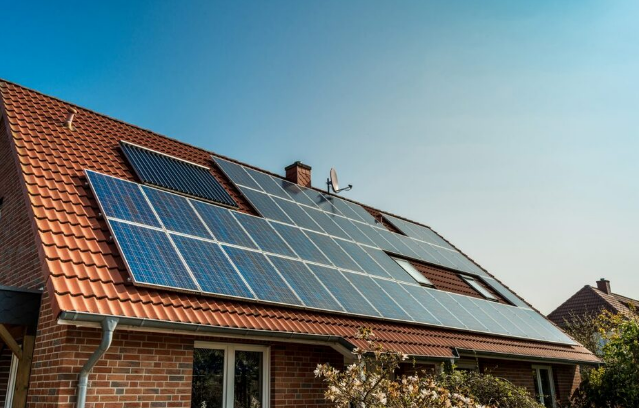
Solar panels and minimalist design: how to integrate them into modern architecture
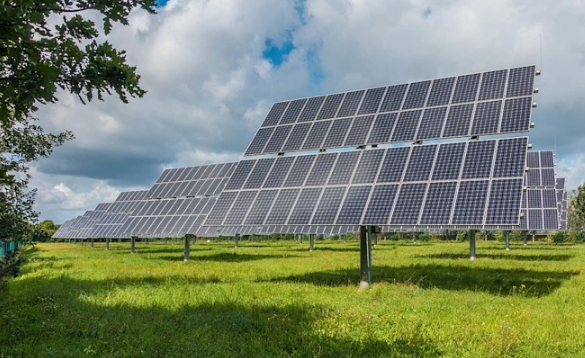
The impact of solar energy on the energy market landscape
How to choose the right electric scooter for my lifestyle
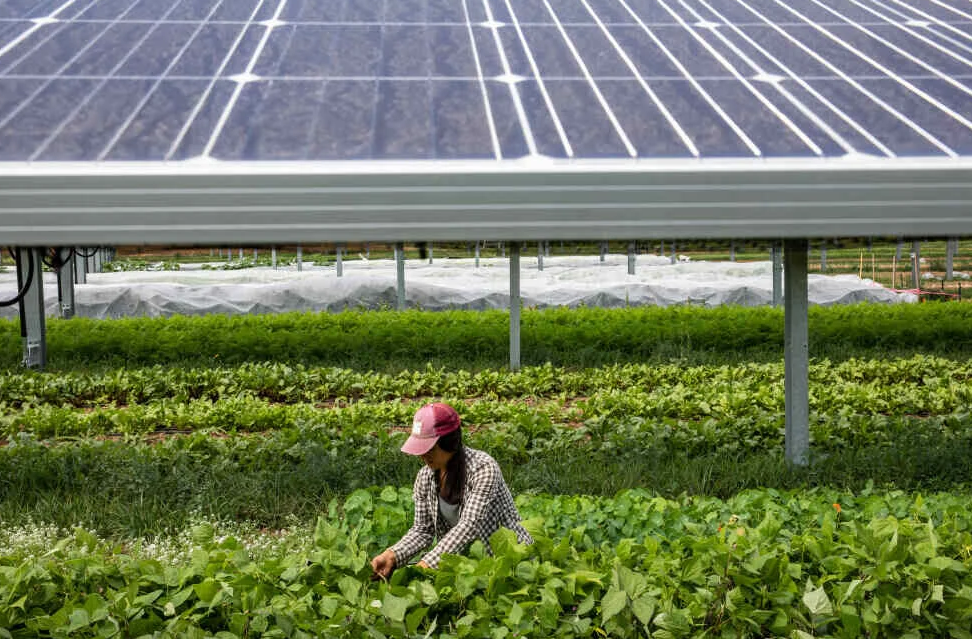
Innovative solutions to monetize the energy of domestic solar panels
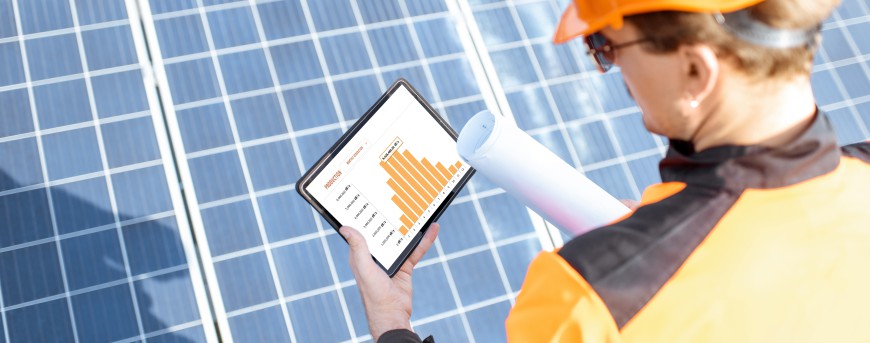
What is the difference between prosumer and producer of electricity
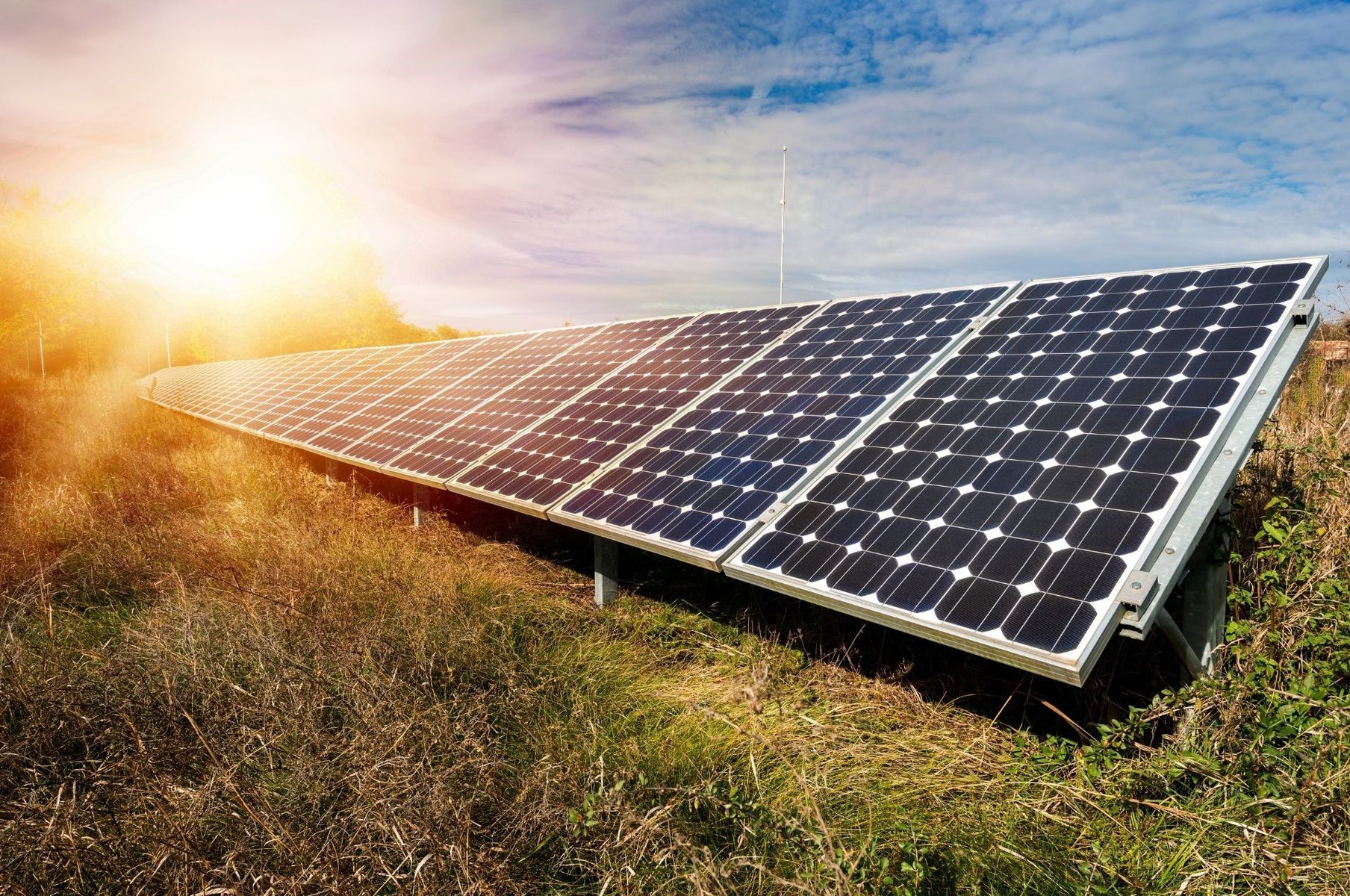
Solar panels for your business, profitable or not?
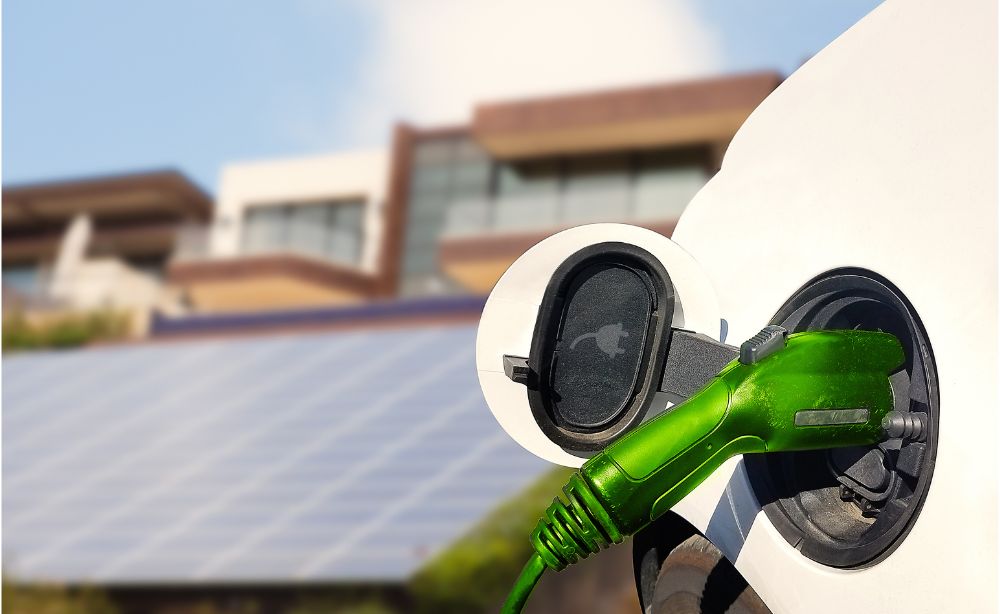
Solar panels for charging electric vehicles
Renewable solar energy: clean and healthy future