Sustainability is more than a trend. It is the way in which each of us, at home or professionally, can do something to protect the environment. We cannot repair all the damage already done to nature, but we can reduce the harmful impact that our activities, especially industrial ones, have on everything around us.
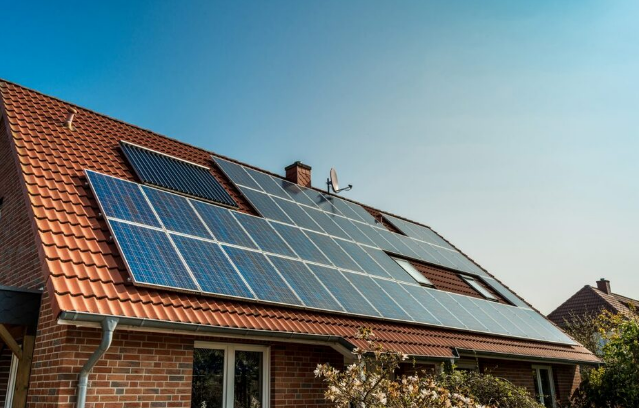
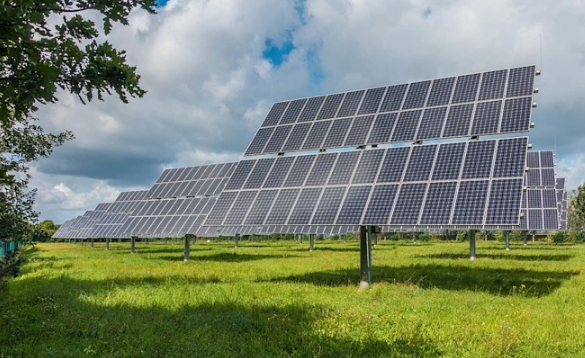
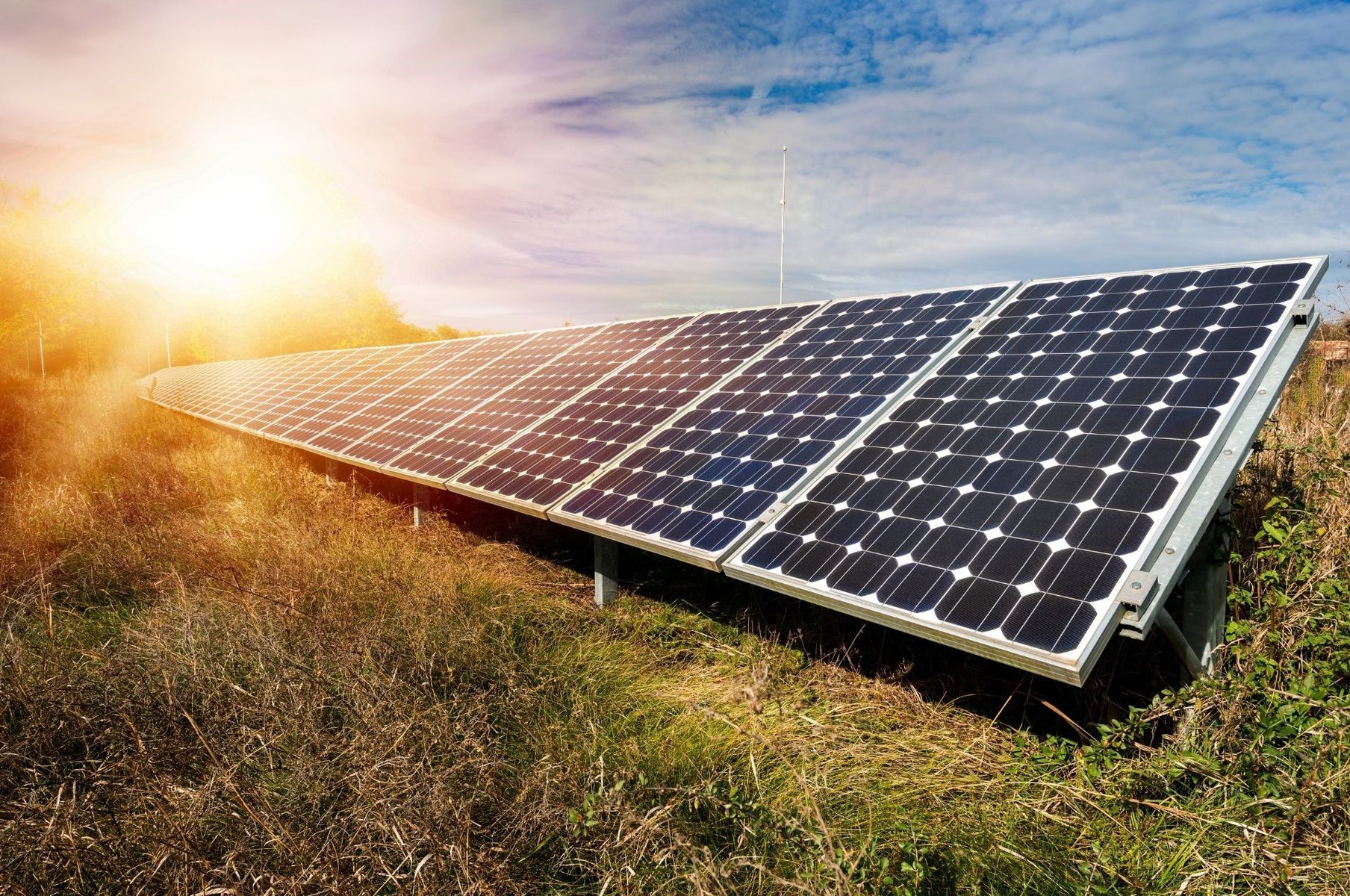
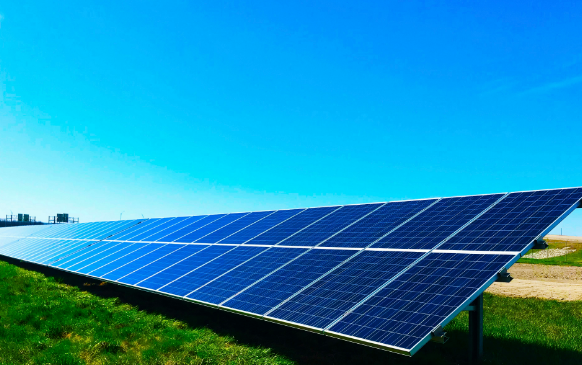
And your company can take the first step towards a sustainable future if you choose to make a change. In this way it is possible to give up conventional energy in favor of green energy, obtained from renewable sources, solar energy. This is possible by installing photovoltaic panels, which convert solar radiation into electricity. If we have piqued your curiosity, you will discover what sustainability means more concretely in business, but also what you need to do to benefit from the advantages of solar panels.
What does sustainability mean in the business world?
In business, sustainability implies that the objectives do not only refer to profit, but also to the social and environmental impact of the activities carried out. A sustainable company is one whose activity has the least possible negative impact on people and nature. Such a business aims not only to obtain the highest profits, but also to have them without harming the environment. In general, a sustainable business is based on the development of long-term strategies and is willing to invest now for results that will come later, but which will be vital for the entire planet.
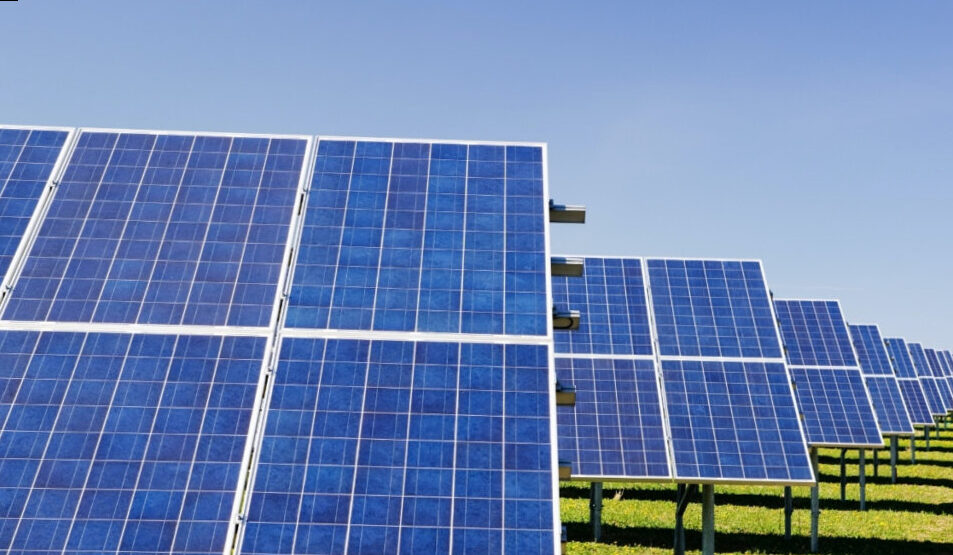
One way to make your business sustainable is to switch from electricity produced from fossil fuels to solar energy. All you have to do is invest in installing photovoltaic panels. They will then provide you with the electricity you need. If you’re not familiar with solar panels, don’t hesitate to give us a call and we’ll help you with everything you need to know.
Photovoltaic panels and sustainability
Photovoltaic panels produce electricity sustainably by exploiting solar energy. These systems require minimal maintenance costs and produce energy for a long period of time. The lifespan of the panels is more than 25 years and the initial investment is amortized in 4-5 years. By not depending on the electricity supplied by the various distributors, additional distribution and transport costs are eliminated. In this way, you will achieve significant savings on a monthly basis.
By using solar energy to operate, photovoltaic panels help reduce your carbon footprint and, implicitly, develop a green future for your business. In addition to the direct impact on the environment, taking the step towards sustainability can offer you other benefits. One of these may be to facilitate the negotiation of favorable trading terms. Sustainable companies enjoy important advantages from an economic point of view, with the European Union granting funding only to those who respect the principle of sustainability.
If you want a sustainable business and are interested in more details on photovoltaic panels, contact us. We will help you with information and advice, but also with a personalized offer based on your goals.
Conclusion
Sustainability has evolved from a simple environmental concept into a fundamental principle that shapes the way individuals, businesses, and governments approach development and resource management. Rather than being a temporary trend, it represents a long-term commitment to balancing economic growth with environmental protection and social responsibility. Every decision, whether made at home or within an organization, has the potential to contribute to a healthier planet and a more sustainable future for generations to come.
One of the most important aspects of sustainability is recognizing that meaningful change begins with individual and collective actions. Although it may not be possible to reverse all the environmental damage that has already occurred, reducing future impact is both achievable and essential. Simple measures such as improving energy efficiency, reducing waste, conserving water, recycling materials, and adopting renewable energy sources can collectively produce significant environmental benefits over time.
Businesses have an especially important role in advancing sustainability. Industrial activities often consume substantial amounts of energy and natural resources, making corporate environmental responsibility a key factor in reducing emissions and protecting ecosystems. By investing in cleaner technologies, optimizing production processes, minimizing waste, and integrating renewable energy into daily operations, companies can significantly decrease their environmental footprint while improving operational efficiency and long-term profitability.
Innovation continues to accelerate the transition toward more sustainable practices. Advances in renewable energy, energy storage, circular economy strategies, smart technologies, and environmentally friendly manufacturing processes provide practical solutions that enable organizations to grow while reducing their impact on the planet. Sustainability is no longer viewed as a limitation to business success; instead, it has become a driver of innovation, competitiveness, and long-term resilience.
In addition to environmental benefits, sustainable practices also generate economic and social value. Organizations that prioritize environmental responsibility often strengthen their reputation, attract environmentally conscious customers, improve relationships with investors, and increase employee engagement. At the same time, communities benefit from cleaner air, healthier ecosystems, and more responsible management of natural resources that support long-term quality of life.
Ultimately, sustainability is a shared responsibility that requires commitment from individuals, businesses, and society as a whole. Every effort to reduce pollution, conserve resources, and support renewable energy contributes to building a more balanced and resilient world. By embracing sustainable practices today, we not only protect the environment but also create stronger economies, healthier communities, and greater opportunities for future generations. The path toward sustainability is built through continuous improvement, responsible choices, and the collective determination to leave the planet in a better condition than we found it.
latest posts published
About new generation thermodynamic solar systems
Solar panels and minimalist design: how to integrate them into modern architecture
The impact of solar energy on the energy market landscape

How to choose the right electric scooter for my lifestyle
Innovative solutions to monetize the energy of domestic solar panels
What is the difference between prosumer and producer of electricity
Solar panels for your business, profitable or not?
Solar panels for charging electric vehicles
Renewable solar energy: clean and healthy future