
If you want your solar system to function well, you need good quality professional support equipment. In this article, we highlight the essential tools that are necessary for a solar system.
inverter – This device acts like a transformer that changes the direct current from the panels into alternating current to connect to the grid. The conversion can be fixed or can follow the sun. There are various types based on the system’s power and how the energy is used (on-grid, hybrid, off-grid, single-phase or three-phase).
Indispensable auxiliary equipment in a solar system
batteries – If you are off-grid or want to be off-grid independent, you will need top-quality lithium-ion batteries for storing energy. Ideally, they should work well with the inverter. They can be separate or built into the inverter. You will need equipment to manage charging and discharging.
Power electronics – These manage operating conditions, enhance production, and safeguard the system in case of problems. MPPT modules help find the maximum power point of the panels and control when the circuits are on or off. Electromechanical protections keep the system safe during losses or high voltage situations.
Sensors and regulators – Light, energy, and temperature sensors assist in improving energy gathering and distribution. Regulators ensure even voltage/current between the panels and in the batteries.
Mounting structure – Supports and mechanical parts securely hold generators on the roof based on location and weather factors. Racks with adjustable supports allow the panels to be positioned for the best angle. Supports and mechanical parts firmly hold the roof panel setups.
Dedicated wiring – A properly sized and wired circuit safely carries the power flow from the panels to the electronic devices and users.
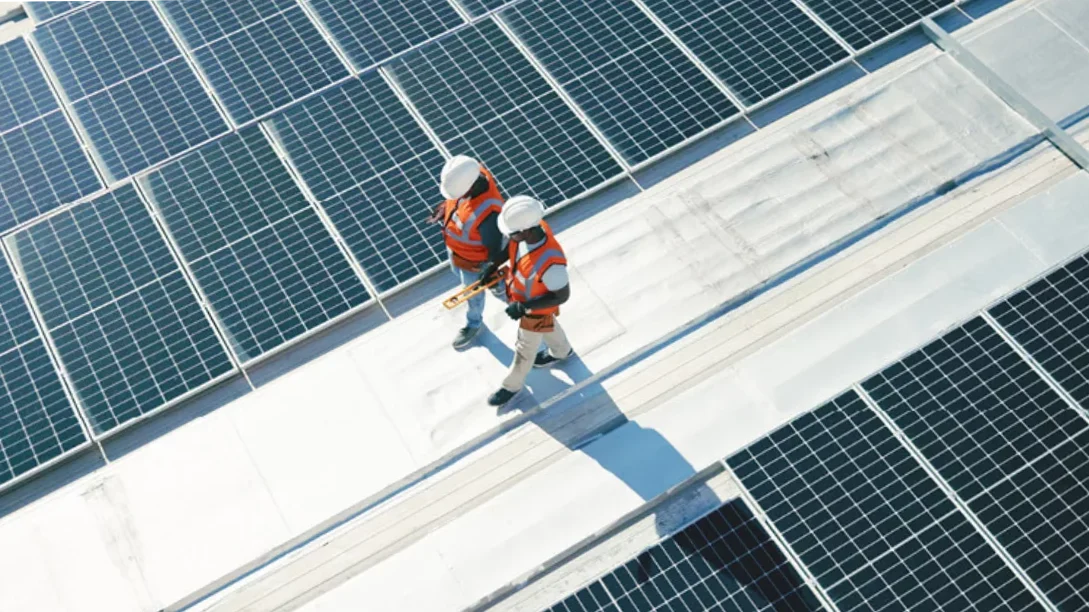
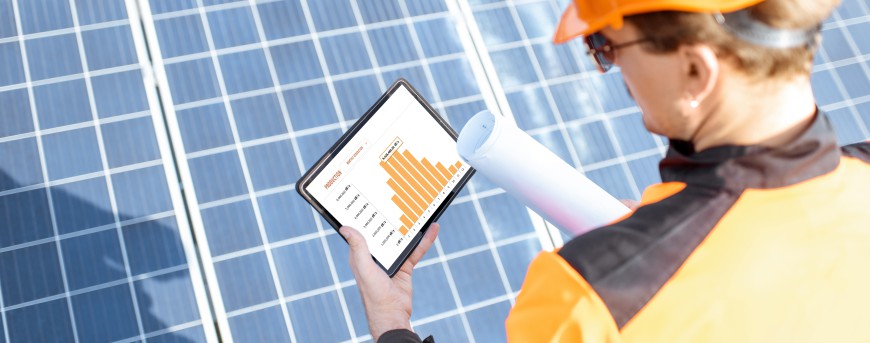
Application monitoring
Ideal for seeing system performance, production history and real-time weather forecasts on your device. Dedicated software enables real-time monitoring of system parameters and data storage, ensuring performance diagnosis and greater efficiency.
All this auxiliary equipment, which has become standard in recent years, offers installers and users a complete range of solutions for the design, construction and flawless operation of on-grid or off-grid photovoltaic systems, and access to clean energy becomes increasingly simple and reliable.
Contact the Restart Energy specialists for the most effective assistance in the setup phases of your photovoltaic system.
Conclusion
The overall performance and operational viability of a photovoltaic installation do not rely solely on the solar panels themselves, but are fundamentally dependent on high-quality auxiliary equipment. As emphasized in the text, professional-grade components serve as the critical infrastructure that transforms raw generated power into a usable, grid-compliant resource. Attempting to build a solar array without these essential gadgets compromises both safety and efficiency, rendering the system incapable of delivering electricity to a home or business. Therefore, selecting the right auxiliary technology is a foundational step in ensuring that a solar investment operates at its peak potential for decades.
At the very heart of this auxiliary framework sits the solar inverter, which functions as the primary power converter and intelligent manager of the entire system. Because solar panels natively generate direct current (DC), an inverter is absolutely indispensable for transforming this energy into the alternating current (AC) required by standard electrical grids and household appliances. Depending on the sophistication of the installation, this conversion can be optimized for stationary setups or integrated with solar tracking systems that adjust to the sun’s position. This ensures that the electricity flowing from the roof or ground array is perfectly synchronized with the demands of the immediate property or the broader utility network.
Furthermore, the sheer diversity of inverter models available highlights the need for precise alignment with the system’s specific architecture and energy goals.
System owners must choose equipment tailored to their structural configuration—whether that requires single-phase models for standard residential needs or three-phase units for heavy commercial loads. Additionally, the final destination of the generated energy dictates whether an installation utilizes an on-grid system for direct utility feeding, an off-grid setup for complete independence, or a hybrid model that intelligently balances grid connectivity with battery storage backup.
Ultimately, the integration of professional auxiliary equipment is what bridges the gap between basic solar capture and practical energy consumption. By investing in reliable, high-performance inverters and matching them to the precise scale and objective of the photovoltaic array, consumers safeguard their hardware against system failures and optimize their return on investment. This technical synergy ensures that the transition to renewable energy is not only seamless and safe but also highly efficient, providing a stable stream of clean power tailored to the unique demands of the user.
latest posts published
About new generation thermodynamic solar systems
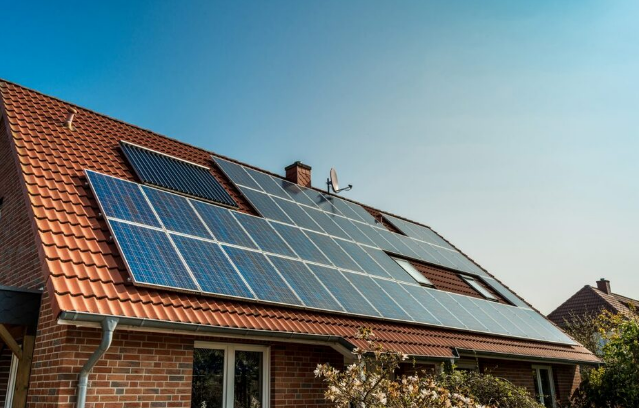
Solar panels and minimalist design: how to integrate them into modern architecture
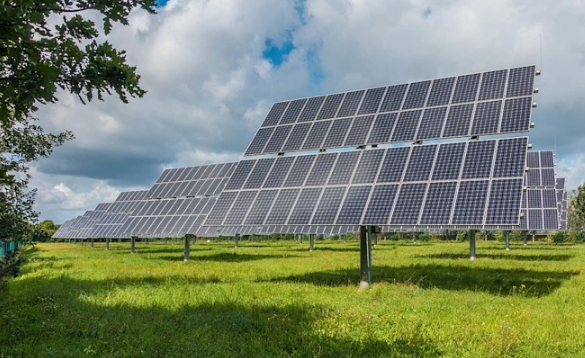
The impact of solar energy on the energy market landscape
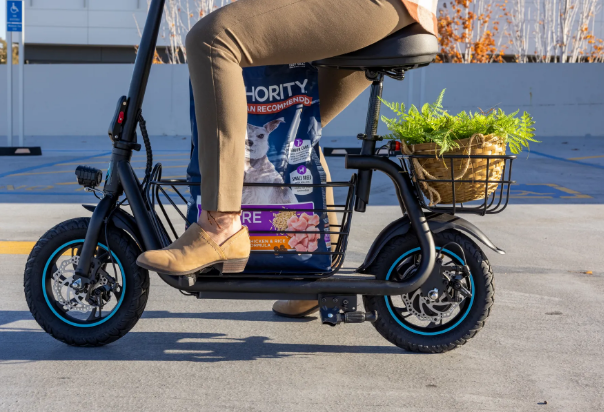
How to choose the right electric scooter for my lifestyle
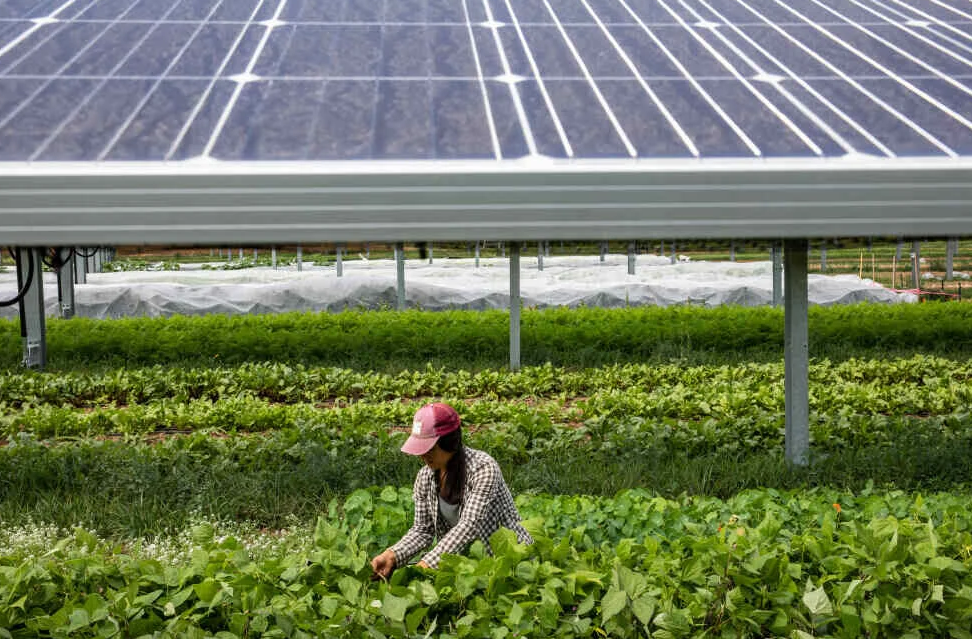
Innovative solutions to monetize the energy of domestic solar panels
What is the difference between prosumer and producer of electricity
Solar panels for your business, profitable or not?
Solar panels for charging electric vehicles
Renewable solar energy: clean and healthy future