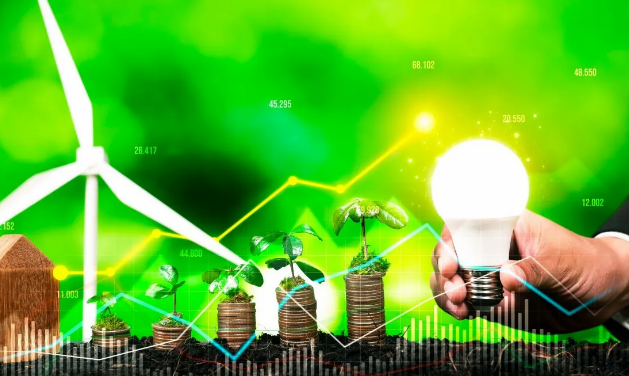
Green energy is a key part of economic well-being, a beginning point for long-lasting and innovative technologies that can safeguard a lifestyle closer to perfection.
More and more businesses have realized that to grow, they need to give up the old methods that made switching to renewable energy hard. Big companies have begun putting money into green energy technologies and solutions. They have added solar equipment and panels, LED lights, and energy-saving heating and cooling systems. Main aim: lower costs, sustainability, and a competitive edge. Investments in green energy provide important financial gains in the middle and long run, through:
• major decrease in bills due to lower energy use. Energy savings can lead to savings of up to 25% on utility expenses.
• increase in property values and tax reductions thanks to greater efficiency.
• access government funds, grants and investment incentives.
• improve brand image and acquire customers.
• increase employee productivity thanks to a healthier and more energy efficient environment.
 Green energy is a look into the future
 Green energy is a look into the future
Investing in green energy can bring legitimate reputational benefits. Companies must ensure their approach is substantive, sustainable and communicated transparently to avoid potential reputational risks. A balanced approach that takes into account environmental, social and financial objectives is often the best solution.
Green energy is not yet as cheap as energy from fossil fuels. But it is getting ever closer to cost-competitiveness and, in the long term, could even become cheaper thanks to its advantages.
If you want to know more about how you can take care of your way of doing business and are looking for a partner, we are waiting for you at Restart Energy!
Conclusion
Green energy has become much more than an alternative source of power; it is now a fundamental pillar of economic development, environmental responsibility, and long-term sustainability. As societies around the world face challenges related to climate change, resource depletion, and rising energy demands, renewable energy sources offer a practical path toward a cleaner and more resilient future. By embracing green energy, countries, businesses, and individuals can contribute to the creation of a more balanced economic and environmental system.
One of the key strengths of green energy is its ability to support sustainable economic growth. Unlike conventional energy sources that rely on finite resources, renewable technologies harness naturally replenishing sources such as sunlight, wind, water, and biomass. This creates opportunities for long-term energy security while reducing dependence on imported fuels and volatile energy markets. As investment in renewable energy continues to increase, new industries, jobs, and technological innovations are emerging, contributing to stronger and more diversified economies.
Beyond its economic advantages, green energy plays a crucial role in protecting the environment. Traditional fossil fuel-based energy production is associated with greenhouse gas emissions, air pollution, and environmental degradation. Renewable energy technologies significantly reduce these impacts by generating electricity and heat with minimal emissions. As a result, the widespread adoption of green energy can help preserve natural ecosystems, improve air quality, and support global efforts to combat climate change.
Green energy is also a driving force behind technological progress. The transition to renewable power encourages the development of innovative solutions in areas such as energy storage, smart grids, electric mobility, and energy efficiency. These advancements are transforming how energy is produced, distributed, and consumed, creating more intelligent and flexible systems capable of meeting future demands. Such revolutionary technologies not only improve sustainability but also enhance quality of life by providing cleaner, more reliable, and more accessible energy.
Furthermore, adopting green energy promotes a lifestyle that is more closely aligned with environmental responsibility and long-term well-being. It encourages individuals and organizations to think beyond short-term consumption and consider the lasting impact of their choices. This shift in perspective helps build communities that are more resilient, resource-efficient, and prepared for future challenges.
In conclusion, green energy represents far more than a technological solution—it is a foundation for economic health, environmental stewardship, and sustainable progress. By supporting the development of innovative renewable technologies, green energy paves the way for a future that is cleaner, more efficient, and better equipped to meet the needs of generations to come. Its growing importance reflects a global commitment to creating a healthier planet and a more sustainable way of life.
latest posts published
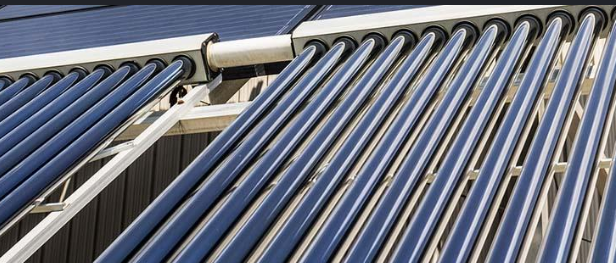
About new generation thermodynamic solar systems
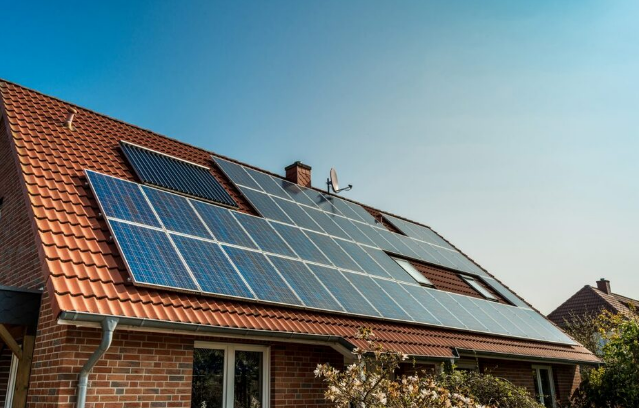
Solar panels and minimalist design: how to integrate them into modern architecture
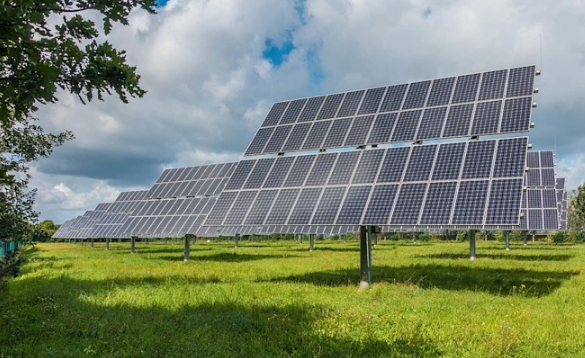
The impact of solar energy on the energy market landscape

How to choose the right electric scooter for my lifestyle
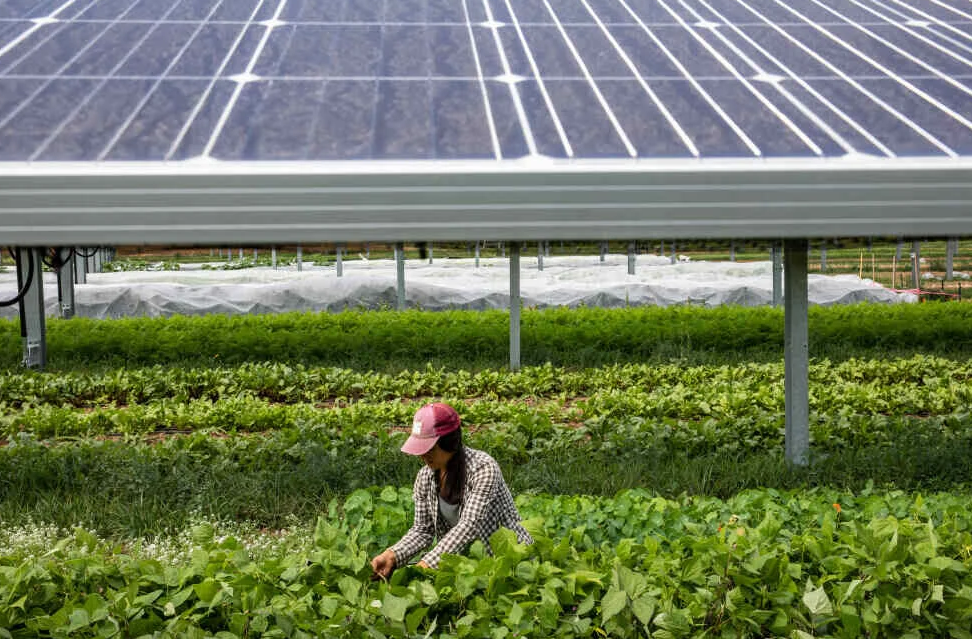
Innovative solutions to monetize the energy of domestic solar panels
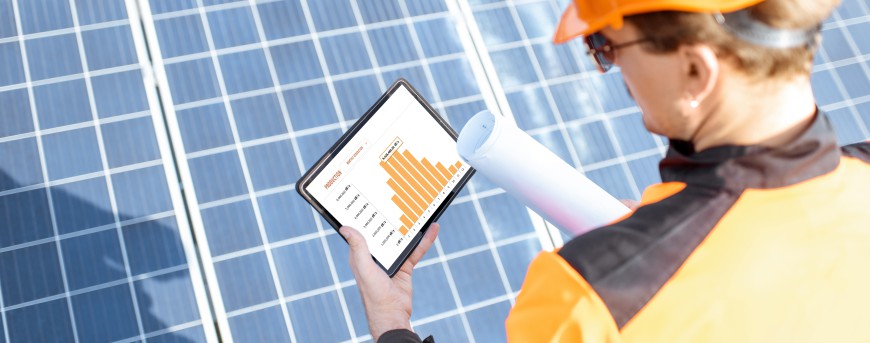
What is the difference between prosumer and producer of electricity
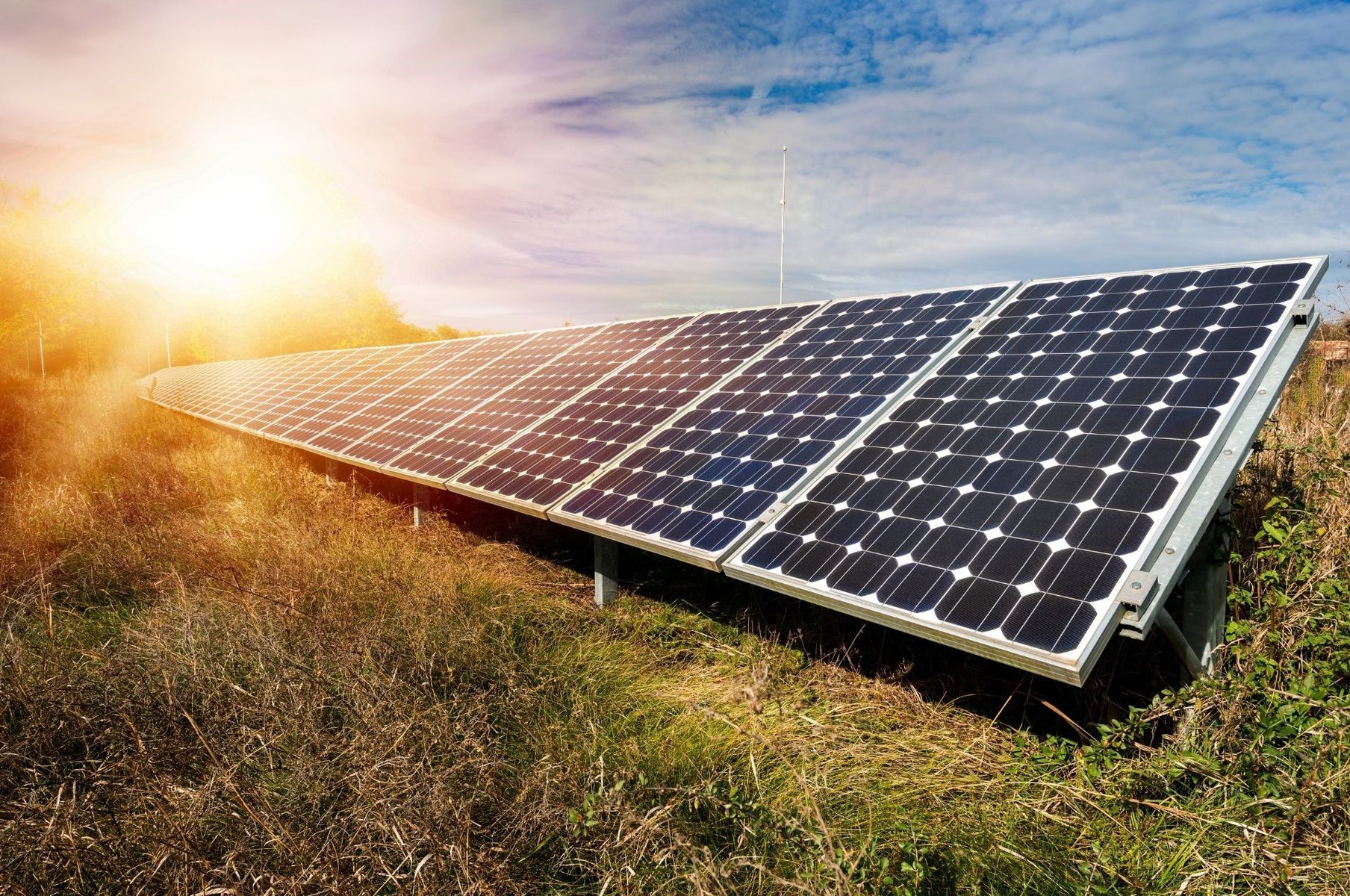
Solar panels for your business, profitable or not?
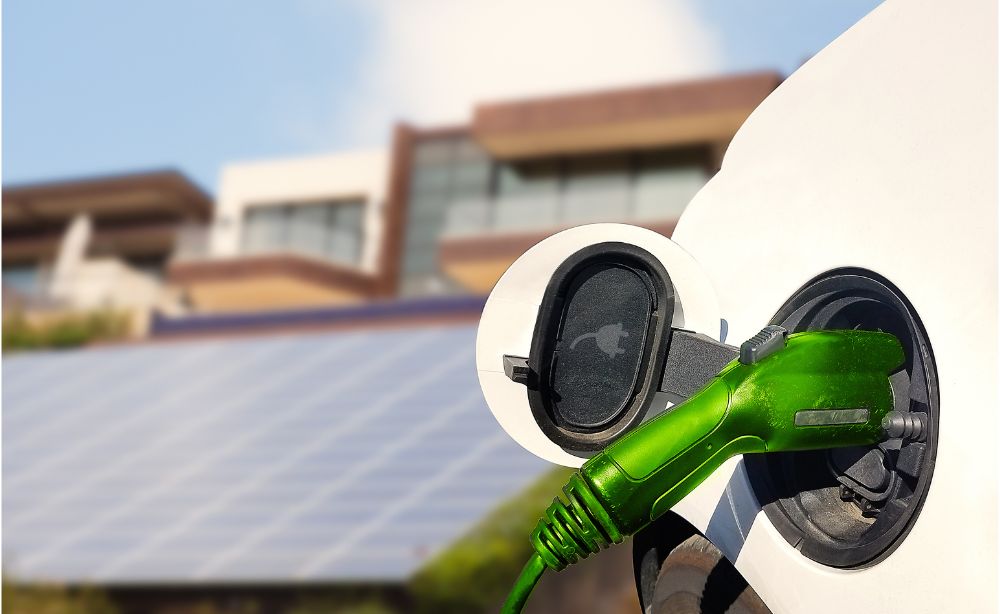
Solar panels for charging electric vehicles
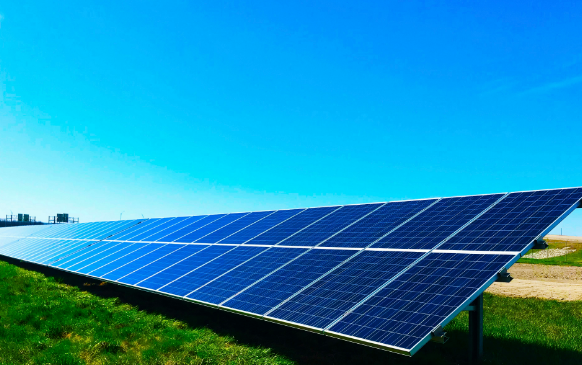
Renewable solar energy: clean and healthy future