Photovoltaic panels are exposed to different atmospheric conditions: rain, snow, hail and strong winds. Among these temperamental elements, hail stands out for its unpredictability and potential to affect panel performance. In our article you will find out how to choose photovoltaic panels to resist hail and what measures you can take to protect your investment from this form of precipitation.
The impact of hail on photovoltaic panels
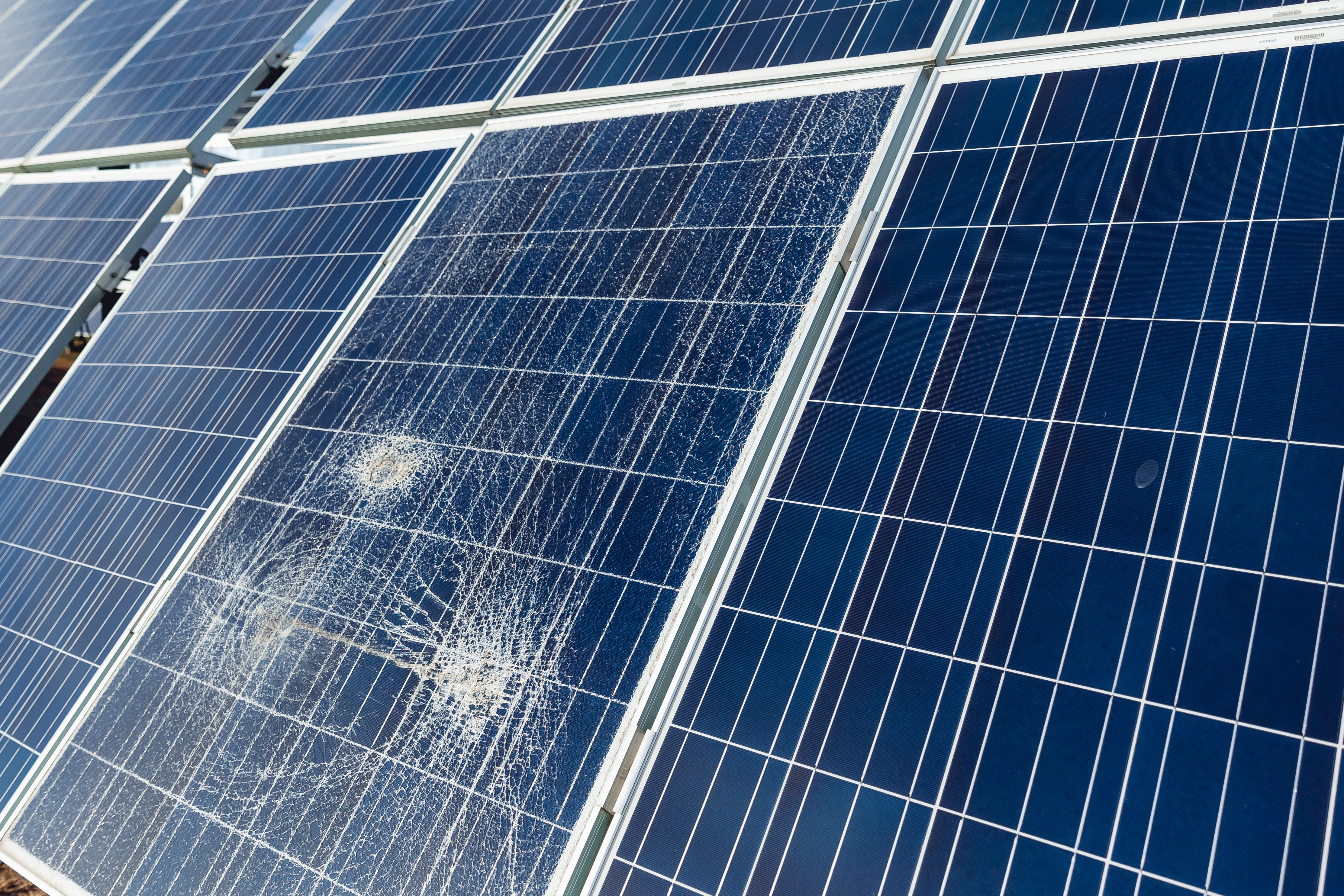
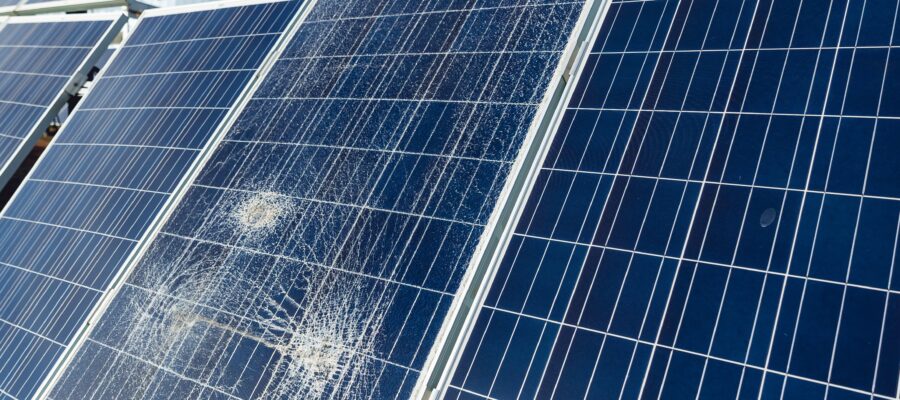
Greetings represents a meteorological phenomenon with considerable destructive potential, especially for solar panels. These, being installed outdoors, are directly exposed to atmospheric agents, including ice spheres. Depending on the size and speed of the falling ice, the impact can cause damage to solar panels damage to the frame, photovoltaic cells or breakage of the protective glass. This damage can significantly affect the efficiency of solar panels, reducing energy production and therefore the return on investment.
Are there anti-hail solar panels?
Hail-resistant photovoltaic panels are CEI EN 61215 certified. This international standard guarantees that the product has passed a series of rigorous tests, including resistance to impact with an ice disk 203 grams launched at a speed of 39.5 m/s. This certification is a guarantee that the solar panel has undergone rigorous testing to verify its durability and efficiency in hail conditions.
Tests for IEC 61215 certification have shown that the damage rate of solar panels must be less than 5% to obtain this certification. This fact indicates that hail resistant solar panels are durable and can maintain high efficiency for a long time.
Most solar panel manufacturers pass these tests without any problems, which means that it is not difficult to find hail-resistant photovoltaic panels. However, it is important to always check the certifications and compare the different brands before making a purchase.
For more information, read also types of photovoltaic panels: what they are and what characteristics they have!
Is there a warranty for solar panels in case of hail?
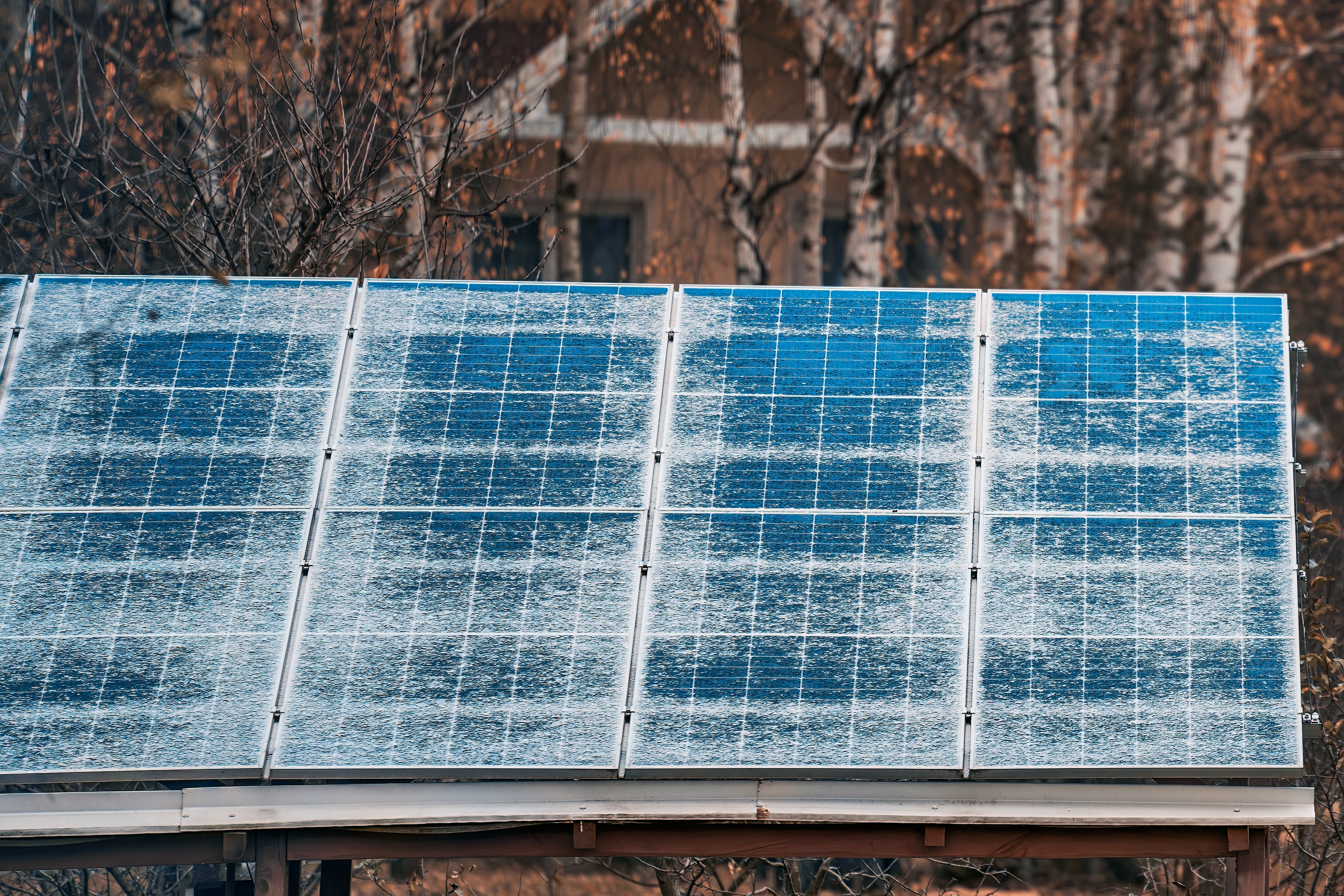
When choosing solar panels, you need to understand what the product warranty covers. In general, warranties cover manufacturing defects, but usually does not cover damage caused by extreme weather conditions such as hail.
However, warranties may vary depending on the make and model of the solar panel. Therefore, it is recommended to check these details before making a purchase. Make sure you understand the terms and conditions of the warranty and what it does and does not cover. Some brands may offer more extensive warranties that may include damage caused by extreme weather conditions.
One solution to avoiding hail damage problems would be to include your solar system in your home insurance policy. This can provide additional coverage in case of damage caused by extreme weather events.
How to protect your solar system from hail: Protection methods and technologies
Here are the methods and technologies to protect your solar panels from hail:
- Plant trees or create hedges around the structure. Natural barricades can slow and disperse ice, thus reducing the impact on solar panels. These, by absorbing the energy of the impact, prevent damage to the panels.
- Pprotective strips to create a physical barrier between solar panels and hail. These can significantly reduce the impact and size of ice, thus protecting the panels from potential damage.
- Anti-hail equipment and systems. They can disintegrate or change the path of hail, thus providing an additional degree of protection to solar panels. While these methods are more expensive, they can be extremely effective in severe hail storms.
- A steeper angle or using an adjustable tilt system It can allow water and ice to drain quickly, preventing build-up and possible damage.
It is recommended that you periodically check your solar panels to identify any damage and repair it as soon as possible. In this regard, there are some companies that offer monitoring and maintenance services for solar systems.
The advantages of using solar panels despite the risk of hail
Solar panels are a renewable energy source, with potentially significant in the fight against climate change. They use the sun’s energy to generate electricity, which eliminates the need to burn fossil fuels and therefore reduces greenhouse gas emissions.
While the initial installation of solar panels can be expensive, they provide long-term savings lower electricity bills. Depending on the aspects that determine the price of a photovoltaic panel, the cost of a solar system can be amortized in approx 9-12 years. [1]
Durability and resistance to extreme weather conditionsincluding hail, are other advantages of solar panels. Most of these panels are designed and tested to withstand various weather conditions, including large hail.
Another great advantage of solar panels is energy independence that it offers. Once installed, they allow you to generate your own energy, thus reducing your dependence on the electricity grid and protecting you from fluctuations in energy prices.
Despite the risk of hail, the benefits of using solar panels far outweigh this drawback. Considering the economic and environmental benefits, as well as their durability and resistance to extreme weather conditions, solar panels represent an investment in the sustainable future of our planet. It is important to choose quality panels that can withstand extreme conditions and ensure they are installed and maintained correctly to enjoy all the benefits they offer.
To consider:
- large hail can cause cracks in the glass of solar panels, which can significantly impair their ability to produce energy;
- if solar panels are damaged by hail, replacement costs can be substantial;
- In areas with high hail frequency, it may be necessary to take out a policy to insure the solar system against hail damage, which may result in additional costs.
The correct choice of photovoltaic panels can significantly reduce the impact of hail on their operation and lifespan. Although hail can cause damage to panels, there are technologies and protection methods to minimize these risks. Manufacturers’ warranties may cover some of these damages. However, it is important to understand that despite the risk of hail, the benefits of using solar energy far outweigh these potential drawbacks.
source
[1] Tretheway, Cole. “How long does it take for solar panels to pay for themselves?” The Motley Fool, The Ascent by The Motley Fool, 2022, www.fool.com/the-ascent/personal-finance/articles/how-long-does-it-take-for-solar-panels-to-pay-for-themselves/#:~:text=Solar%20panels%20typically%20pay%20for,a%20process%20called%20net%20metering. Accessed January 8, 2024.latest posts published
About new generation thermodynamic solar systems
Solar panels and minimalist design: how to integrate them into modern architecture
The impact of solar energy on the energy market landscape
How to choose the right electric scooter for my lifestyle
Innovative solutions to monetize the energy of domestic solar panels
What is the difference between prosumer and producer of electricity
Solar panels for your business, profitable or not?
Solar panels for charging electric vehicles
Renewable solar energy: clean and healthy future