

The effects of climate change are increasing. Year after year, droughts, heat waves, heavy rains and even floods are events that provide us with important clues about increasing CO2 emissions. Their accumulation in the Earth’s atmosphere is a process called the «greenhouse effect» and leads to an increase in global warming. This potentially destructive phenomenon contributes to rising sea levels, increasing ocean acidity and causing irreparable damage to biodiversity. Change is needed now, as long as the effects of global warming are reversible. Electricity consumption will no longer be a risk factor if you invest in solar energy, an inexhaustible and non-polluting source.
Techniques to eliminate CO2 emissions
The increase in carbon emissions in recent decades has meant that the vast majority of people today live in pollution. This growth, accompanied by an increase in the level of CO2 emissions, causes various climate changes which are also strongly felt in our country. Today, pollution is a major health problem that contributes to approximately 7 million premature deaths per year. It is also the cause of numerous long-term diseases and a healthcare cost of 3.6 billion euros per year.
One of the EU’s proposals is the progressive reduction of CO2 emissions and other polluting gases by 2050. In this scenario, renewable energies, and in particular solar energy, play a very important role. To eliminate pollution, unhealthy energies such as coal and gas can be replaced. By investing in clean energy, such as green energy, we stop CO2 emissions. These transformations would not only be beneficial for health, but also for the economy. Some renewable energy sources can lead to a reduction in energy production costs of up to 85%, which would be in addition to the healthcare cost savings mentioned above.
Solar energy and solar panels: characteristics
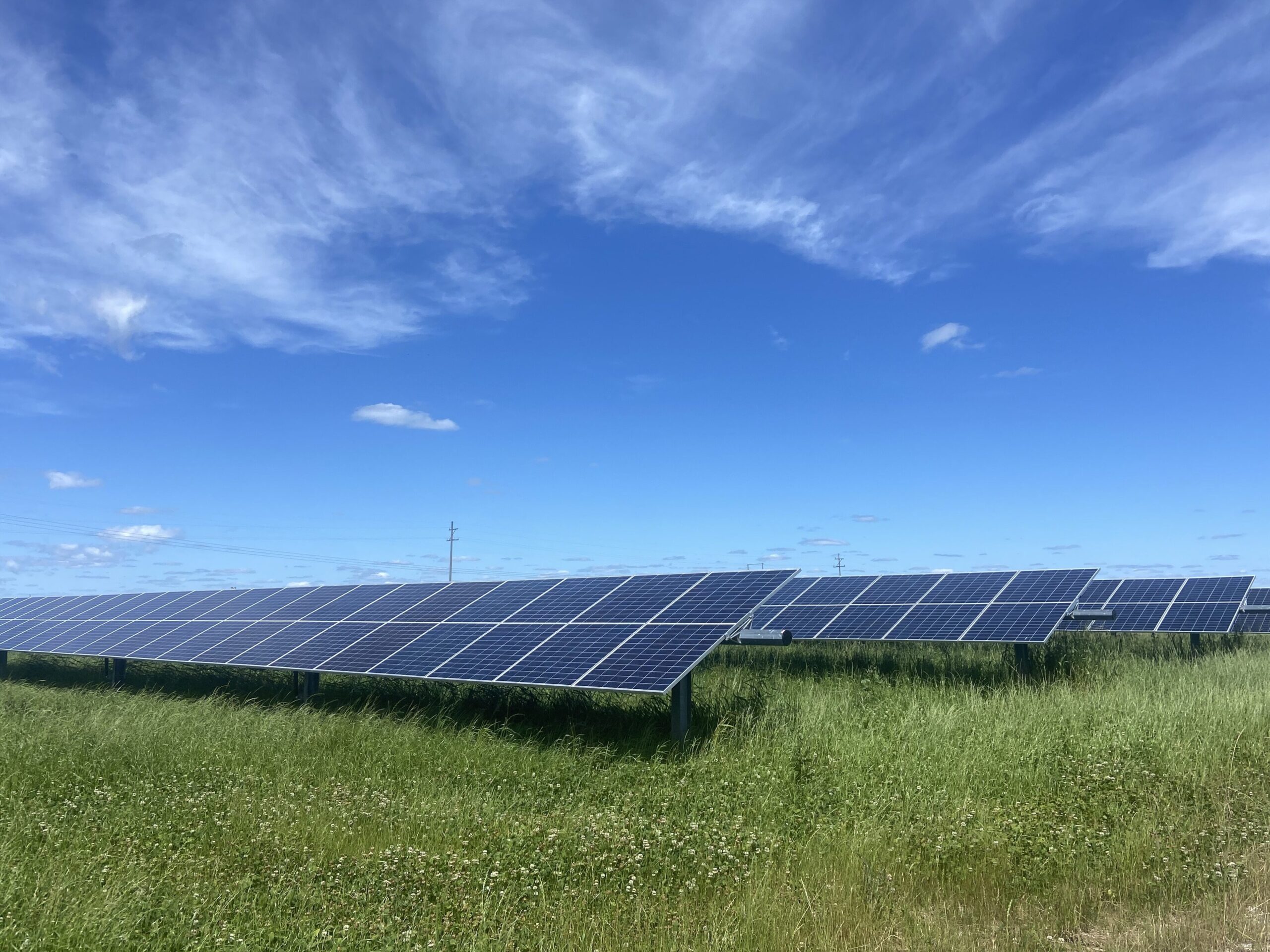
Photovoltaic solar energy is a renewable energy source that is obtained directly from solar radiation through a solar panel. The process begins when sunlight hits one of the faces of a photoelectric cell that makes up solar panels.
The solar or photovoltaic panel does not emit polluting or greenhouse gases during energy production. One of the main advantages of this technology is the modular composition. In other words it can be used for self-consumption or even to feed the electricity grid through large power plants.
This type of energy, fundamental for the sustainability of the planet, arises from the nuclear fusion of helium and hydrogen. Fortunately for Earth, solar energy comes in the form of electromagnetic radiation through light, heat and ultraviolet rays. The sun is the infinite center of three renewable energies (solar photovoltaic, solar thermoelectric and solar thermal) that mitigate the effects of climate change.
Solar panels and electricity reduction in a company
To know the amount of greenhouse gases emitted directly or indirectly by an organization or individual, it is essential to calculate the carbon footprint. From there, environmental policies can be implemented to reduce or neutralize these emissions.
Solar photovoltaic systems are capable of generating electricity from the sun’s rays. Converting solar radiation into electricity, using your company’s structures, offers significant savings on your energy bill. Photovoltaic solar systems in self-consumption mode are centers capable of generating electricity of renewable origin from the sun’s rays captured by some photovoltaic panels. This is energy that can be consumed by the company and even exchanged. To achieve this goal it is necessary to install various elements such as: solar panels, inverter, connection and monitoring system.
Solar systems help significantly reduce CO2 and contribute to sustainable development, as well as creating local jobs. Restart Energy supports your company’s sustainable initiatives through the Restart Solar project.
Conclusion
The effects of climate change are becoming increasingly visible through extreme weather events like severe droughts, intense heatwaves, and catastrophic flooding. At the core of this environmental crisis is the steady accumulation of carbon dioxide ($CO_2$) in the Earth’s atmosphere, which accelerates the greenhouse effect and drives global warming. This destructive cycle not only disrupts weather patterns but also causes sea levels to rise, increases ocean acidity, and inflicts irreparable harm on global biodiversity. If left unchecked, these changes threaten to permanently alter ecosystems and jeopardize human communities. However, because the most severe impacts of global warming are still reversible, immediate action can mitigate further damage and restore ecological balance.
A primary driver of these rising emissions is our heavy reliance on fossil fuels for traditional electricity generation. Shifting away from carbon-heavy energy sources is no longer just an environmental ideal, but an urgent necessity. Investing in solar energy offers a powerful and immediate solution to this challenge, effectively decoupling daily electricity consumption from environmental degradation. Because solar power is an inexhaustible resource fueled entirely by daylight, it allows society to meet its growing energy needs without generating harmful greenhouse gases or depleting finite natural resources. Transitioning to solar technology represents a critical turning point in global sustainability efforts.
latest posts published

About new generation thermodynamic solar systems

Solar panels and minimalist design: how to integrate them into modern architecture

The impact of solar energy on the energy market landscape

How to choose the right electric scooter for my lifestyle

Innovative solutions to monetize the energy of domestic solar panels

What is the difference between prosumer and producer of electricity

Solar panels for your business, profitable or not?

Solar panels for charging electric vehicles

Renewable solar energy: clean and healthy future