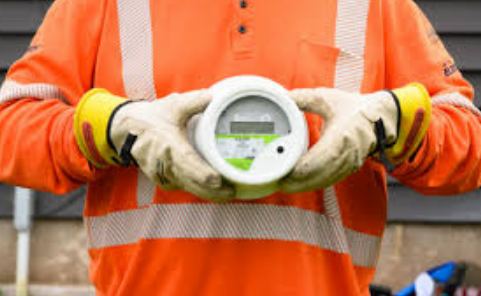
The National Energy Regulatory Authority (ANRE) has launched a project involving the installation of smart meters for electricity consumers.
An entire project is underway to install smart metering systems (SMI). It takes place in 2 phases: the first in the period 2017-2020, the second in the period 2021-2026. The first stage assumes that distributors install smart meters on at least 30% of the total number of consumers, and in the second stage the rest of the meters. It is expected that by the end of the last year of implementation, all consumers will benefit from this project.
Project worth over half a billion euros
Distributors are required to inform consumers about the benefits of smart metering systems, as well as the plan and timetable for their implementation. Everything will be transmitted in different ways, for which posting is permitted at individual contact points, the official website on the Internet, information campaigns on local and national mass media, the distribution of specific information material: instructions, user manuals.
The consumer can refuse the installation of an SMI meter
Of course there is also the possibility of choice. Consumers can refuse the installation of a meter integrated into the SMI, because for this project the distributor needs the consumer’s consent.
For the consumer who refuses to change the meter, the billing of electricity consumption is carried out on the basis of the self-reading.
Restart Energy offers you savings with wireless smart meters
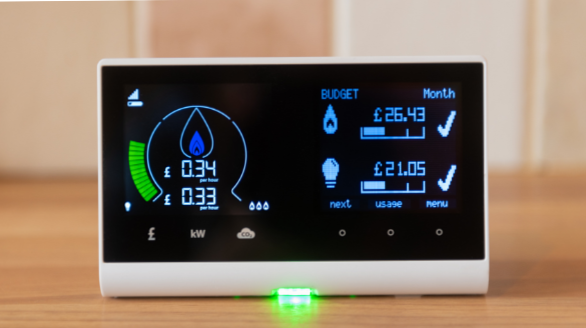
Restart Energy carried out complex research over the course of 2 years on the wireless smart meters offered to its customers. Laboratory safety tests have been started and CE certification has been obtained. You have the opportunity to see consumption in real time directly on your mobile phone, you save and you are completely satisfied. The meter is installed on the general panel, without making any modifications to it. The data is transmitted to the servers and thus it is possible to view both the quality and quantity of consumption.
You will be able to convince yourself of the electricity costs, which at Restart Energy reach up to 20% less thancompared to the current ones, changing supplier is free, and the wireless meters complete the offer in a completely original way. You have support and attention from the team 24 hours a day, so any confusion, problems and inconveniences you have will be resolved in the shortest time possible.
Conclusion
The implementation of smart electricity meters represents a major step toward building a more efficient, reliable, and technologically advanced energy system. As electricity networks continue to evolve, smart metering provides consumers, utility companies, and regulators with valuable tools for improving energy management, increasing transparency, and supporting the integration of renewable energy sources. Large-scale deployment projects demonstrate the growing commitment to modernizing national energy infrastructure and preparing for the future demands of a digital energy economy.
One of the most significant benefits of smart meters is their ability to provide accurate, real-time information about electricity consumption. Unlike traditional meters, smart devices automatically transmit usage data to energy providers, eliminating the need for manual meter readings while reducing billing errors and improving overall service efficiency. Consumers also gain better visibility into their energy usage patterns, allowing them to make informed decisions that can reduce electricity consumption and lower monthly utility bills.
Smart metering technology also supports the development of more flexible and responsive electricity networks. By providing continuous communication between consumers and utility operators, smart grids can better balance electricity supply and demand, detect system faults more quickly, and improve the reliability of energy distribution. This enhanced monitoring capability contributes to faster maintenance, fewer service interruptions, and more efficient management of the electrical infrastructure.
As renewable energy adoption continues to increase, smart meters become even more valuable. They facilitate the integration of distributed energy resources such as rooftop solar panels, battery storage systems, and electric vehicle charging stations. Consumers who generate their own electricity can more easily monitor production and consumption while participating in net metering or other energy exchange programs. This flexibility supports a cleaner and more decentralized energy system.
The gradual implementation of smart metering also reflects the importance of careful planning in large infrastructure projects. A phased rollout allows energy distributors to upgrade networks systematically, test new technologies, and ensure reliable operation before full deployment. This approach minimizes disruptions while allowing consumers and service providers to adapt to new digital energy management tools.
Ultimately, smart electricity meters represent much more than a technological upgrade—they are a key component of the future energy landscape. By improving efficiency, increasing transparency, supporting renewable energy integration, and empowering consumers with detailed energy information, smart metering contributes to a more sustainable and resilient electricity system. As deployment continues, these technologies will play an increasingly important role in helping households, businesses, and utility providers optimize energy use while supporting the transition toward a smarter, cleaner, and more connected energy future.
latest posts published
About new generation thermodynamic solar systems
Solar panels and minimalist design: how to integrate them into modern architecture
The impact of solar energy on the energy market landscape
How to choose the right electric scooter for my lifestyle
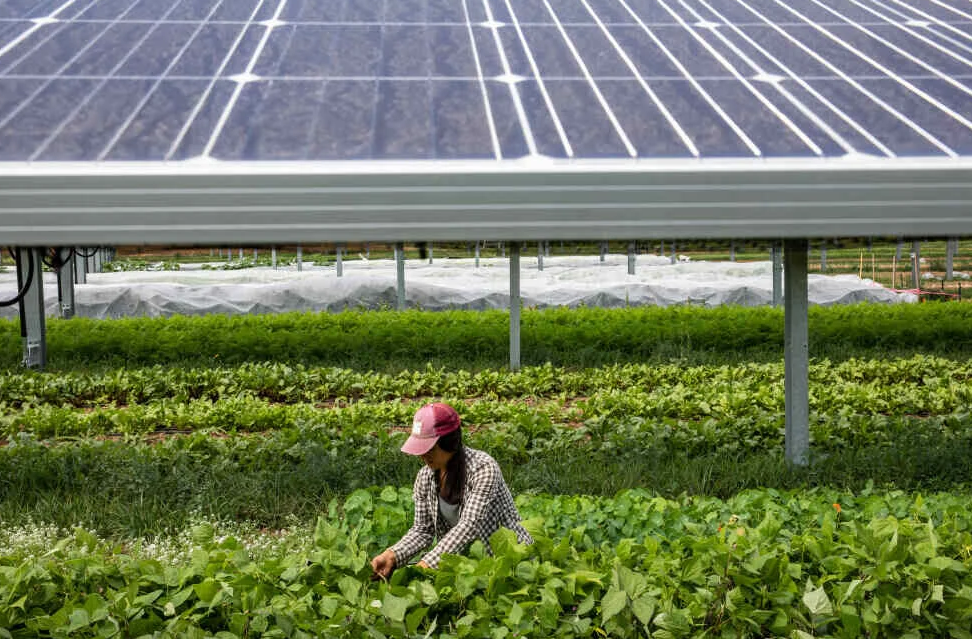
Innovative solutions to monetize the energy of domestic solar panels
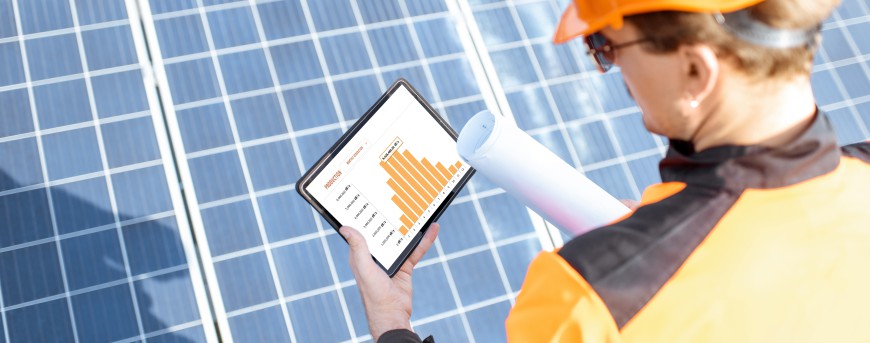
What is the difference between prosumer and producer of electricity
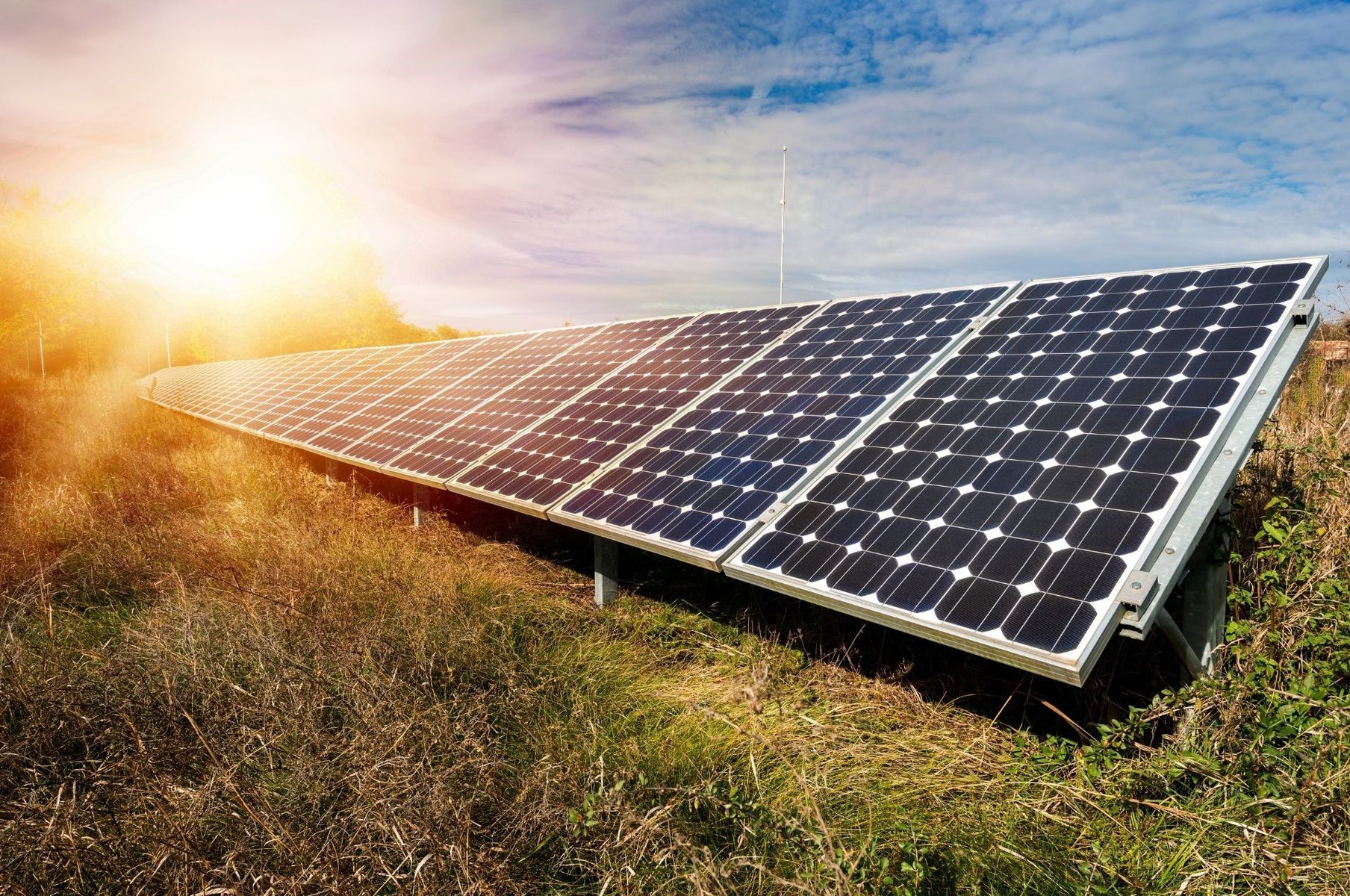
Solar panels for your business, profitable or not?
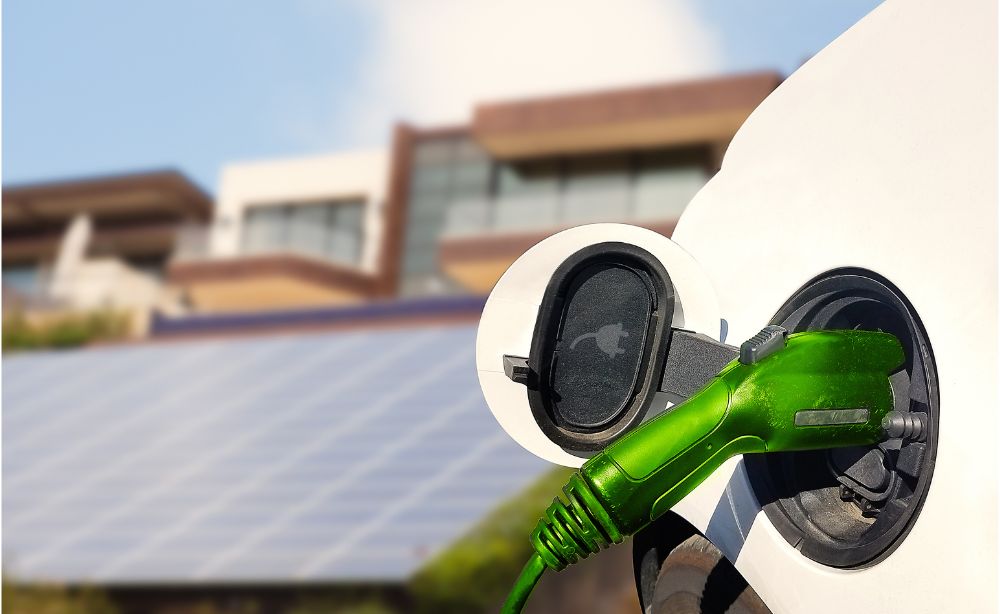
Solar panels for charging electric vehicles
Renewable solar energy: clean and healthy future