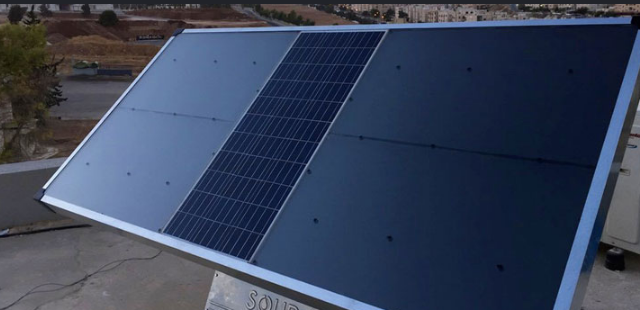

In recent years, one technology has exceeded all expectations: solar energy. The near-exponential growth has reduced the production costs and efficiency of solar cells. It was possible to build a solar power plant, which is now significantly cheaper than its fossil fuel equivalent. Revolutionary solar energy is much more than just a technology that harnesses the sun’s energy to generate electricity. It has the unique ability to provide a virtually unlimited, pollution-free source of energy for the planet.
Solar energy is a clean, renewable and abundant source of electricity. This has the potential to revolutionize the way we power our homes, businesses and communities. Solar energy is an ever-evolving technology that has the potential to combat climate change. As technology continues to improve and become widely adopted, it will play a crucial role in the future of the planet.
Revolutionary solar energy can be harnessed from anywhere in the world
There are many reasons why solar energy is considered vital to the future of the planet. First of all, it is a clean energy source that does not produce greenhouse gases or other harmful emissions. Using solar energy can help reduce our dependence on any polluting energy sources.
Another key benefit of green energy is its abundance. The sun is a virtually unlimited source of energy and is available to everyone equally. This means that solar energy can be used almost everywhere. This makes it a viable option for powering homes, businesses and communities, even in the most remote locations.
At the same time, solar energy is cost-effective and is becoming increasingly convenient. Innovations in this field have led to low costs of solar panels. By using solar energy, we can achieve energy independence and reduce our dependence on fossil fuels.
3 reasons why renewable energy is good for our planet
Here are three reasons why accelerating the transition to clean energy is the path to a healthy planet for us and our families, but also for future generations.

- Renewable energy is healthier. According to the World Health Organization (WHO), approximately 99% of people on this planet breathe air that exceeds quality limits and puts their health at risk.
- Renewable energy sources they are all around us. Renewable energy sources are available in all countries and their potential has not yet been fully exploited. The International Renewable Energy Agency (IRENA) estimates that by 2050, 90% of the world’s electricity can and must come from renewable energy.
- Renewable energy creates jobs. By 2030, more than 30 million jobs could be created in clean energy, efficiency and low-emissions technologies.
A bright future for revolutionary solar energy
Today, renewable energy (solar, wind, hydroelectric, geothermal, biomass, tidal energy) is cheaper. Solar energy is actually the cheapest energy option in most of the world. Prices of renewable energy technologies are falling rapidly. The cost of solar-generated electricity fell by 85% between 2010 and 2020. It’s no secret that cheap electricity from renewable sources could provide 65% of the world’s total electricity supply by 2030. It could also decarbonize 90% of the energy sector by 2050. This would massively reduce carbon emissions and help mitigate climate change. Switching to clean energy sources thus helps to eliminate polluting factors, so that we can breathe clean and healthy air every day.
Conclusion
Solar energy has emerged as one of the most transformative technologies of the modern era, fundamentally changing the way electricity is generated and consumed around the world. Continuous innovation, improved manufacturing processes, and increasing global investment have dramatically reduced the cost of photovoltaic systems while significantly improving their efficiency. As a result, solar power has evolved from a niche renewable technology into one of the most competitive and widely adopted energy sources, capable of meeting the growing demand for clean and affordable electricity.
One of the most remarkable achievements of the solar industry has been the rapid decline in installation and production costs. Advances in photovoltaic cell design, large-scale manufacturing, and improved supply chains have made solar power accessible to homeowners, businesses, industries, and utility companies alike. Today, many solar power plants can generate electricity at costs that rival or even undercut traditional fossil fuel power stations, making renewable energy both an environmentally responsible and economically attractive solution.
Beyond its financial advantages, solar energy offers extraordinary environmental benefits. Unlike conventional power generation, photovoltaic systems produce electricity without releasing greenhouse gases, air pollutants, or toxic emissions during operation. Every kilowatt-hour generated from sunlight reduces dependence on fossil fuels, helping to improve air quality, lower carbon emissions, and support international efforts to combat climate change. This makes solar energy one of the most powerful tools available for creating a cleaner and healthier planet.
The versatility of solar technology also contributes to its growing importance. Photovoltaic systems can be installed on residential rooftops, commercial buildings, industrial facilities, agricultural land, floating platforms, and large utility-scale solar farms. Combined with battery storage, smart energy management systems, and advanced monitoring technologies, solar power provides flexible energy solutions capable of serving diverse applications while increasing energy independence and grid resilience.
Looking ahead, the future of solar energy remains exceptionally promising. Ongoing research into next-generation photovoltaic materials, improved energy storage technologies, and intelligent grid integration is expected to further increase efficiency while reducing costs. These innovations will enable solar energy to play an even greater role in meeting global electricity demand and supporting the transition toward low-carbon economies.
Ultimately, solar energy represents far more than a technological innovation—it is a cornerstone of a sustainable energy future. Its ability to provide abundant, renewable, and pollution-free electricity positions it as one of the most important solutions to the world’s environmental and energy challenges. As adoption continues to accelerate worldwide, investing in solar technology will deliver lasting economic, environmental, and social benefits while helping build a cleaner, more resilient, and energy-secure future for generations to come.
latest posts published

About new generation thermodynamic solar systems

Solar panels and minimalist design: how to integrate them into modern architecture
The impact of solar energy on the energy market landscape

How to choose the right electric scooter for my lifestyle

Innovative solutions to monetize the energy of domestic solar panels

What is the difference between prosumer and producer of electricity

Solar panels for your business, profitable or not?

Solar panels for charging electric vehicles
Renewable solar energy: clean and healthy future