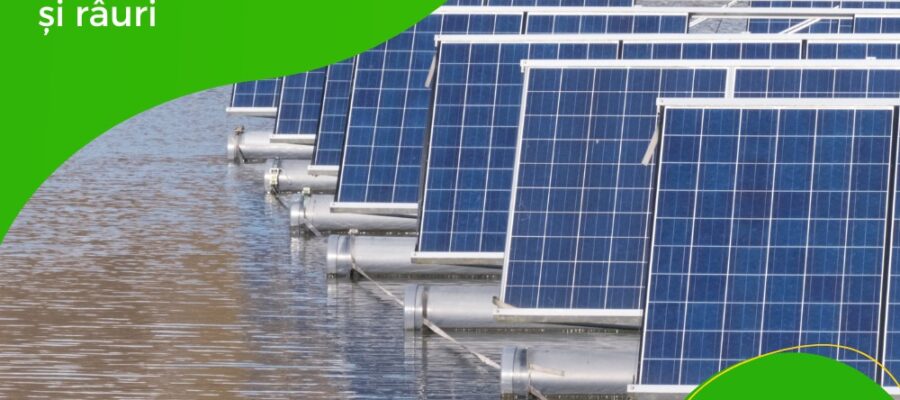
Floating solar panels provide the possibility of installing solar panels on water, such as artificial lakes, natural lakes or rivers. This is a new technology, increasingly appreciated in recent years for the advantages it brings to beneficiaries, compared to panels installed on the ground.
Installing solar panels on water surfaces has two major advantages. First, we can utilize spaces that would otherwise go unused without taking up valuable floor space. This is very important in urban areas where building land is limited. Second, the water under the panels helps cool them, keeping them at low temperatures which increases the efficiency of the system. So, in addition to saving space, floating solar panels also benefit from an increase in performance thanks to natural cooling.
There are different models of floating solar panels. Some are anchored by cables to the bottom of the lake, while others float freely, held in place only by their own weight and anchors. Stability is important so that the panels can withstand waves and storms. The materials used must be resistant to water and corrosion. Plastic and aluminum are often used.
Installing floating solar panels requires careful planning. Areas with adequate depth and water flow should be chosen. Environmental aspects must also be considered: the panels must not hinder local flora and fauna. Maintenance is relatively simple: the panels can be removed periodically for cleaning and checks.
The average life of floating solar panels is estimated to be between 20 and 25 years. This may vary depending on the quality of the components, environmental conditions and periodic maintenance.
Some of the most common materials used for floating solar panels are:
Plastic dens (HDPE): A type of very durable plastic, often used for the structure that holds the panels above the water. It is lightweight, durable and water resistant.
Expanded polyethylene: A very light plastic material used for floating. It guarantees the buoyancy of the structure.
Aluminum: Used for solar panel frames because it is lightweight, durable and anti-corrosive.
Glass: The glass used for the solar panels themselves must be of high quality, resistant to the aquatic environment.
Steel: Used for anchors and cables that secure the structure to the bottom of the water. Must be stainless steel.
Insulating materials: Electrical insulation is essential for safety. Silicone rubber is often used.
Fiber Reinforced Composites: Materials such as fiberglass are used for connections and structural components. They are very resistant.
The correct choice of materials, as well as their careful assembly, is fundamental to the functioning and longevity of floating solar panels. Specialized companies use the best materials available for the aquatic environment.
If you are interested in solar panel technology, don’t hesitate to contact the Restart Energy team for a consultation!
Conclusion
Floating solar panels have emerged as one of the most innovative developments in the renewable energy sector, offering a practical solution for expanding solar power generation without occupying valuable land resources. By installing photovoltaic systems on bodies of water such as reservoirs, artificial lakes, natural lakes, and certain slow-moving water bodies, this technology allows communities and businesses to generate clean electricity while making efficient use of otherwise underutilized surfaces. As demand for renewable energy continues to increase, floating solar installations are becoming an attractive option for countries seeking sustainable energy solutions.
One of the primary advantages of floating solar systems is their ability to preserve agricultural and urban land. Traditional ground-mounted solar farms often require large areas that could otherwise be used for farming, construction, or conservation. Floating installations eliminate this challenge by utilizing existing water surfaces, allowing energy production to expand without competing for valuable land resources. This makes the technology particularly beneficial in densely populated regions where available land is limited.
Another important benefit is the improved performance of solar panels installed over water. The cooling effect created by the surrounding water helps maintain lower operating temperatures, which can increase the efficiency of photovoltaic modules compared to similar systems installed on land. Higher efficiency means greater electricity production and improved long-term energy output, making floating solar farms an increasingly attractive investment for utility companies and private organizations.
Floating solar systems also contribute to better water resource management. By partially covering the surface of reservoirs and lakes, the panels reduce water evaporation caused by direct sunlight, helping conserve valuable freshwater supplies in areas affected by drought or high temperatures. In some cases, the shade provided by the panels may also reduce excessive algae growth, contributing to improved water quality and easier reservoir management.
As technology continues to advance, floating solar projects are becoming more reliable, durable, and cost-effective. Improved anchoring systems, corrosion-resistant materials, and advanced monitoring technologies ensure stable operation even under challenging environmental conditions. These innovations are encouraging governments and energy developers worldwide to invest in larger floating photovoltaic installations capable of supplying significant amounts of renewable electricity.
Ultimately, floating solar panels represent an exciting step forward in the evolution of clean energy technologies. They combine efficient electricity generation with intelligent use of natural resources while minimizing environmental impact and preserving valuable land. As renewable energy continues to play a central role in achieving global sustainability goals, floating solar technology is expected to become an increasingly important component of the world’s energy infrastructure, delivering long-term environmental, economic, and social benefits for future generations.
latest posts published
About new generation thermodynamic solar systems
Solar panels and minimalist design: how to integrate them into modern architecture
The impact of solar energy on the energy market landscape
How to choose the right electric scooter for my lifestyle
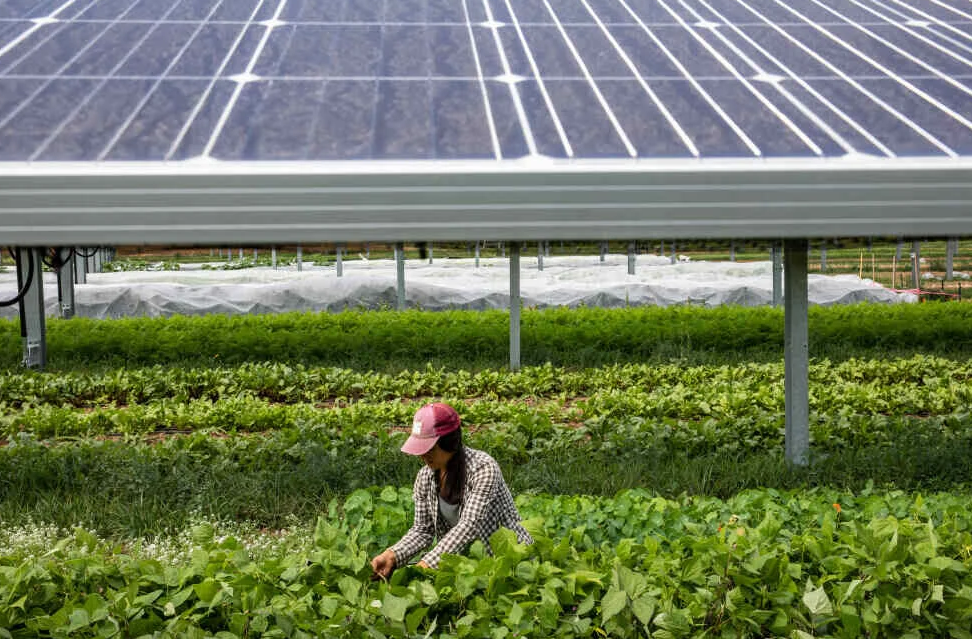
Innovative solutions to monetize the energy of domestic solar panels
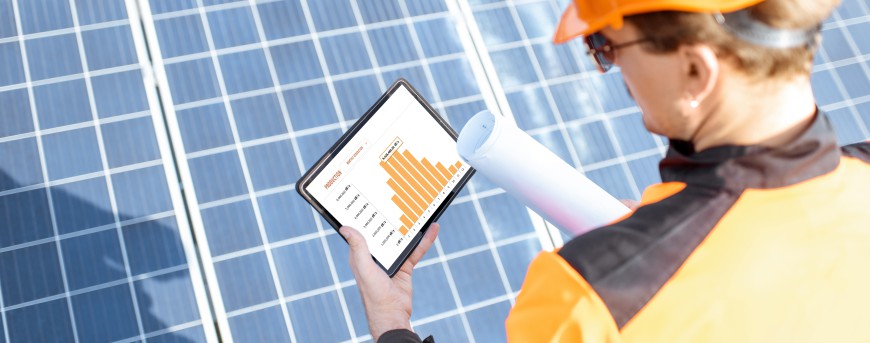
What is the difference between prosumer and producer of electricity
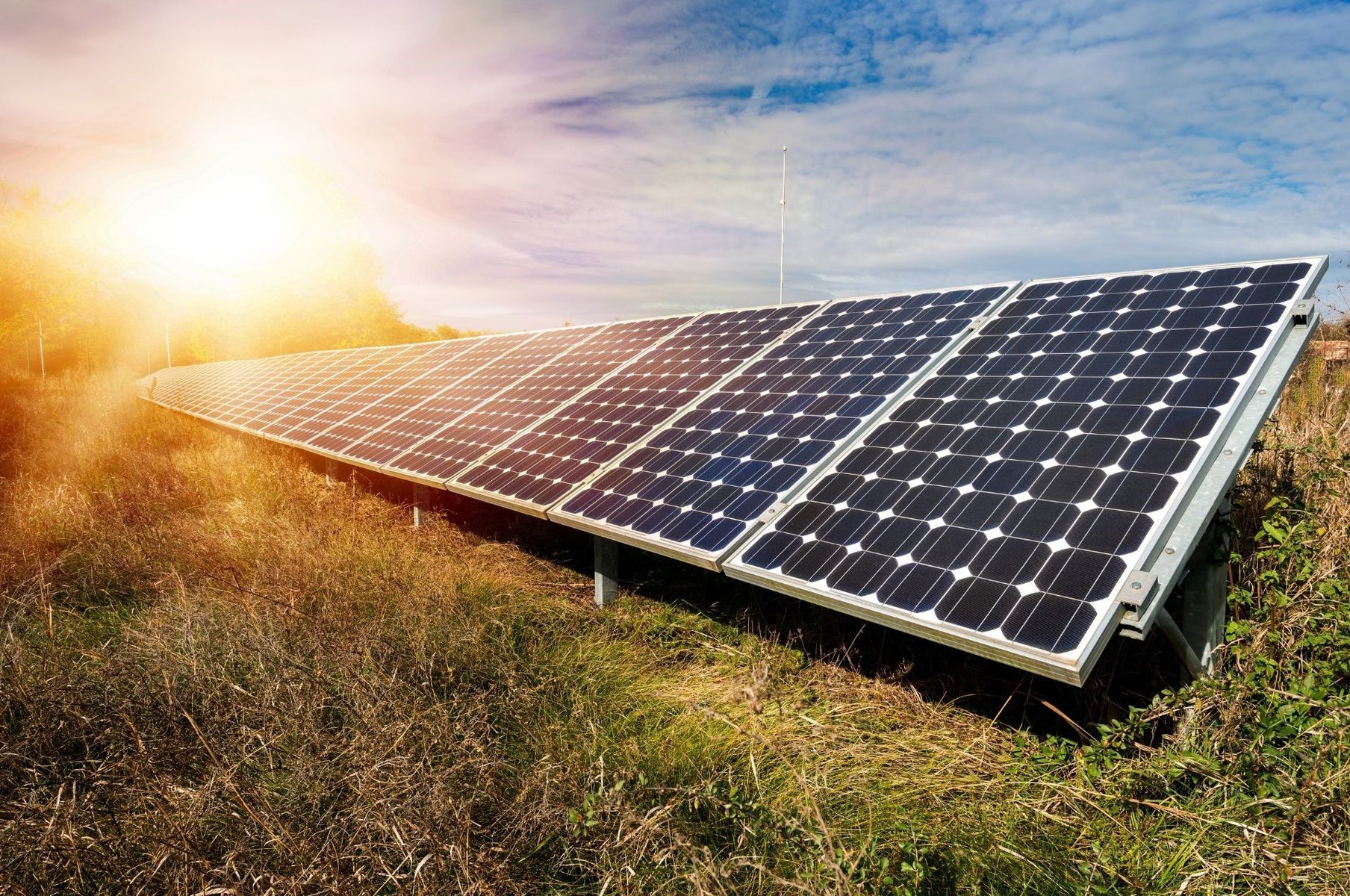
Solar panels for your business, profitable or not?
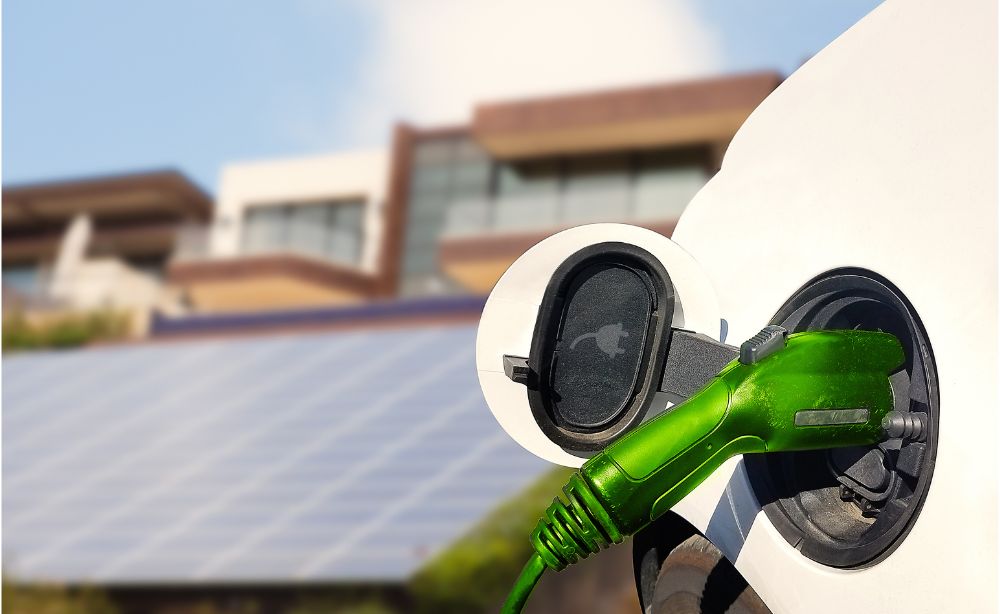
Solar panels for charging electric vehicles
Renewable solar energy: clean and healthy future