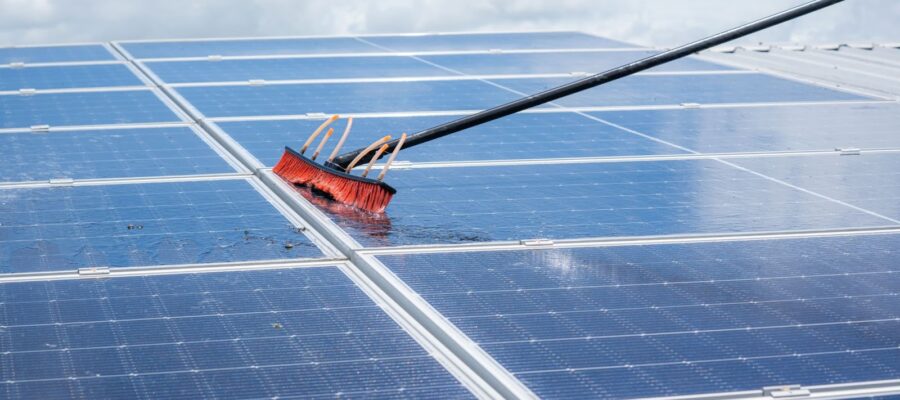
The significance of consistent cleaning of solar panels is a factor that is frequently overlooked, yet it is essential for the best performance of solar systems. Consider your solar panels as if they were sunglasses. If they are dirty, you cannot see well, therefore solar panels cannot gather solar energy effectively when they are coated in dust or grime.
The advantages of regular cleaning of solar panels are many:
- a clean solar panel can absorb more solar energy, which means it will produce more electricity;
- regular cleaning can extend the life of your solar panels, which means significant savings in the long term.
To find out more about the essential steps for maintaining photovoltaic systems, read the full article!
How do you maintain photovoltaic panels yourself?
Correct maintenance of photovoltaic panels can extend the life of the system and guarantee maximum efficiency.
The first step you need to take is regular cleaning of the panels. It is recommended to carry out this process two or four times a year. They can be lost up to 30% from the performance of the panels due to dirt and dust. [1]
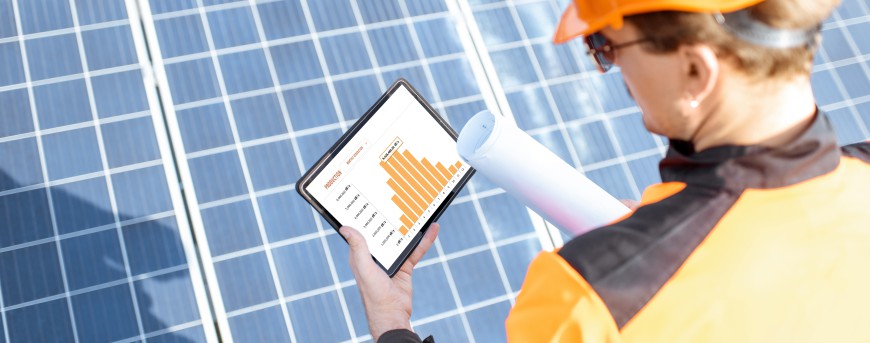
Using a solar panel monitoring app can be very helpful in the maintenance process. This allows you to monitor the amount of energy produced by the panels and identify potential problems. If you notice a decrease in power output, it could be a sign that the panels are clogged and need cleaning.
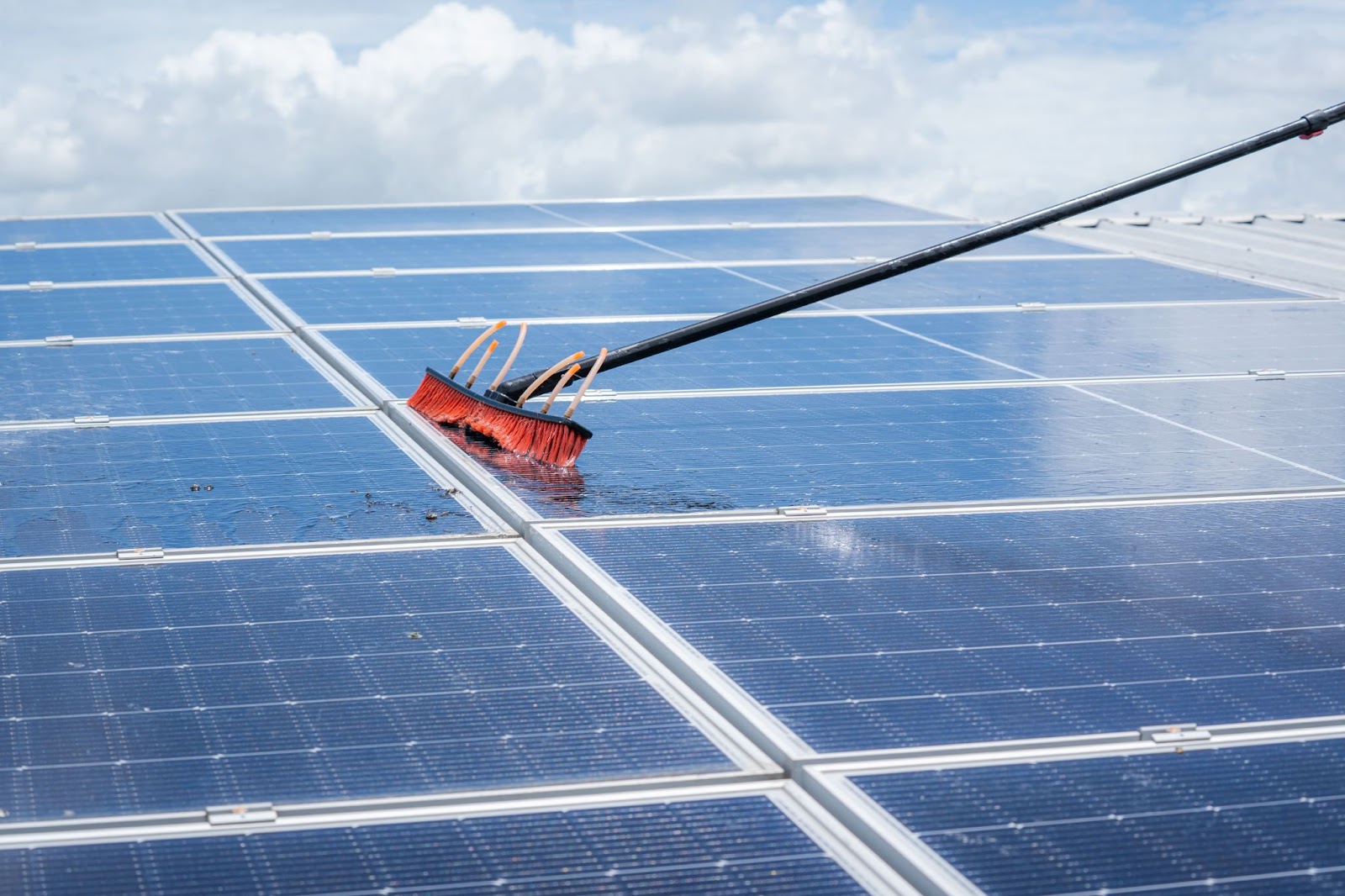
Methods for effective cleaning of photovoltaic panels
- Rinse with water: ideal for dust and light dirt. A hose or bucket of cold, clean water is used.
- Soft brushes or microfibre cloths removes water and persistent dirt.
- Mild soap solution: effective for difficult stains. Rinse well with water after use.
- Special cleaner: the solutions dedicated to photovoltaic panels eliminate various types of dirt.
- Pressure washing: suitable for persistent dirt, with moderate pressure to avoid damaging the panels.
You can monitor the health of your solar panels
In the digital age we live in, it’s easier than ever to monitor the health of your solar panels. There are numerous applications and programs that can help you monitor the performance of your panels in real time. They measure the power output and can detect any drops in power, which can be a sign that the panels are clogged with debris.
But how can you tell if your panels are clogged? The decline in energy production is not the only sign. Other clues may include visible dirt or debris on the panels or even a change in the color of the panels. Many PV panels get hit by dirt and debris at some point, which could lead to a decline 5-25% of energy production. [2]
How do extreme weather conditions affect solar panels?
Solar panels are designed to cope with a wide range of weather conditions. Despite this, it is crucial to understand how extreme weather conditions can impact their performance.
Most solar panels are built to withstand wind, rain and snow. They are made of durable materials and are designed to withstand the elements, including extreme weather conditions such as hail and hurricanes.
However, even though solar panels are durable, there are situations where they can suffer damage. An example would be hail, which can cause cracks or breaks in panels. Find out more about photovoltaic panels and hail! Lightning can also cause significant damage to photovoltaic systems, causing problems in energy production.
Additionally, extreme weather conditions can affect the performance of solar panels. For example, during excessively hot days, the efficiency of solar panels can decrease because they produce less energy when the temperature exceeds a certain threshold.
There are strategies to prevent damage from extreme weather. One of these is to raise the panels a few centimeters from the ground or roof to allow air circulation. This helps cool the panels and maintain power output.
It is also particularly important to use professional installers who take local climate factors into account when installing solar panels. An experienced installer will be able to recommend the best installation location and angle for your solar panels, taking into account the specific weather conditions of the region where you live.
Essential steps for the maintenance of photovoltaic systems
To ensure your solar system is operating at optimal capacity, there are a few steps you need to follow. In the following chapters we will discuss each control and maintenance phase of your photovoltaic system in more detail.
1. Checking the panels
The first step to ensure the correct functioning of your solar panels is visual inspection. When looking at your solar panels, look for signs of degradation such as cracks, discoloration, or stains. These anomalies could indicate a problem and could affect system performance. If you notice any problems with your solar panels, we recommend that you consult a specialist.
2. Check the support structure
Checking the mounting structure of solar panels is an essential process in the maintenance of photovoltaic systems. It is necessary to ensure that the supporting structure is robust and shows no signs of corrosion or deterioration. A loose or damaged support structure can cause solar panels to collapse or shift, causing significant damage and even system outage.
If during the inspection it is found that some parts of the supporting structure are damaged, they must be replaced as soon as possible. Depending on the extent of the damage, the entire structure may need to be replaced.
3. Check the electrical connections
Checking the electrical connections of solar panels is an essential process in the maintenance of photovoltaic systems. First, it is important to identify early signs of potential problems. A visual inspection of the cables can indicate if they are damaged or worn. Also check the connectors for any signs of corrosion or burning. These can be the first signs of problems that, if left unresolved, can impact system performance.
Maintaining electrical connections is the next step after identifying problems. This may involve replacing damaged cables or tightening loose connectors.
If you are unsure of the procedure or if the problem seems complex, we recommend calling a professional. A qualified electrician or solar system maintenance specialist will have the knowledge and experience to resolve the problem efficiently and safely.
4. Maintenance of the inverters
Solar inverters are essential in a photovoltaic system, as they are responsible for converting solar energy into usable electricity for your home. They convert the direct current produced by solar panels into alternating current, which is used in the electricity grid.
To ensure optimal operation of the photovoltaic system, it is essential to regularly check the status of the inverters. This process should include a visual inspection for any signs of wear or damage, as well as carrying out tests to ensure that the inverter is performing its role correctly.
Each inverter has its own specifications and maintenance requirements, which are usually provided by the manufacturer. It is important to follow these guidelines to ensure that inverters operate in optimal conditions. Maintenance may include periodic cleaning, replacement of certain components, or software updates, depending on the model and manufacturer recommendations.
5. Analysis of the string phase
Monitoring string performance is an essential step in PV system maintenance. To achieve this you can use a monitoring device that records and analyzes the amount of energy produced by each string.
In addition to monitoring, you should periodically inspect your solar panels for physical damage. These may include cracks or tears in panels, corrosion of frames or supports, or buildup of dirt or debris that may block sunlight.
6. Check AC breakers and protective devices
AC (alternating current) breakers are essential for the proper functioning of your solar system. They ensure the safe transfer of electricity generated by solar panels to the electricity grid. A failure of these switches could lead to power outages or, in extreme cases, damage to equipment connected to the photovoltaic system. Discover in detail the differences between direct current and alternating current!
Checking AC breakers is not a complicated process, but it requires attention and basic electrical knowledge. The first step is to make sure that all switches are in the correct position and that there are no signs of wear or damage. Secondly, you need to check that there is a safe and solid connection between the switch and the electrical wiring. A weak or damaged connection can cause loss of power and potential fire hazards.
Although it is possible to carry out these checks if you have minimal electrical knowledge, it is always best to contact a professional.
7. Inspection of transformers
Unusual noises, fluid leaks, overheating or erratic operation are clear signs that something is wrong with the transformer. In such situations, do not risk solving the problem on your own. Calling a professional is the safest and most effective option.
Transformer inspection should be performed at least once a year or as recommended by the manufacturer. During this inspection, it is necessary to check the external condition of the transformer, the safety of the connections and take measurements to ensure that it is working properly.
Finally, let us remember that a photovoltaic system is a long-term investment. Proper maintenance will ensure that this investment brings you the desired benefits for as long as possible.
latest posts published
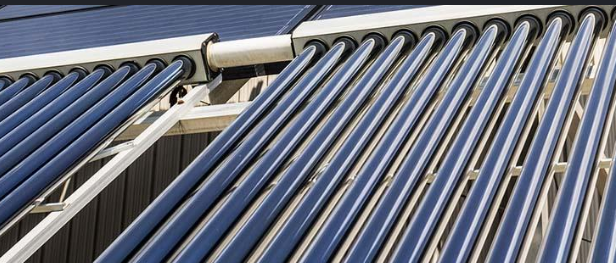
About new generation thermodynamic solar systems
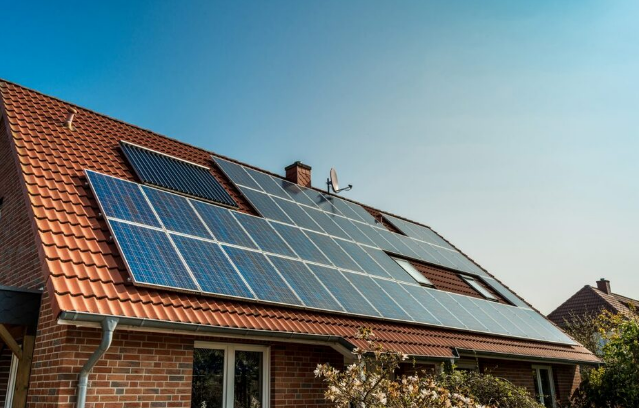
Solar panels and minimalist design: how to integrate them into modern architecture
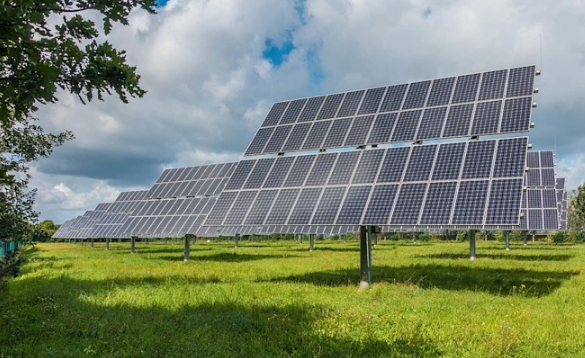
The impact of solar energy on the energy market landscape

How to choose the right electric scooter for my lifestyle
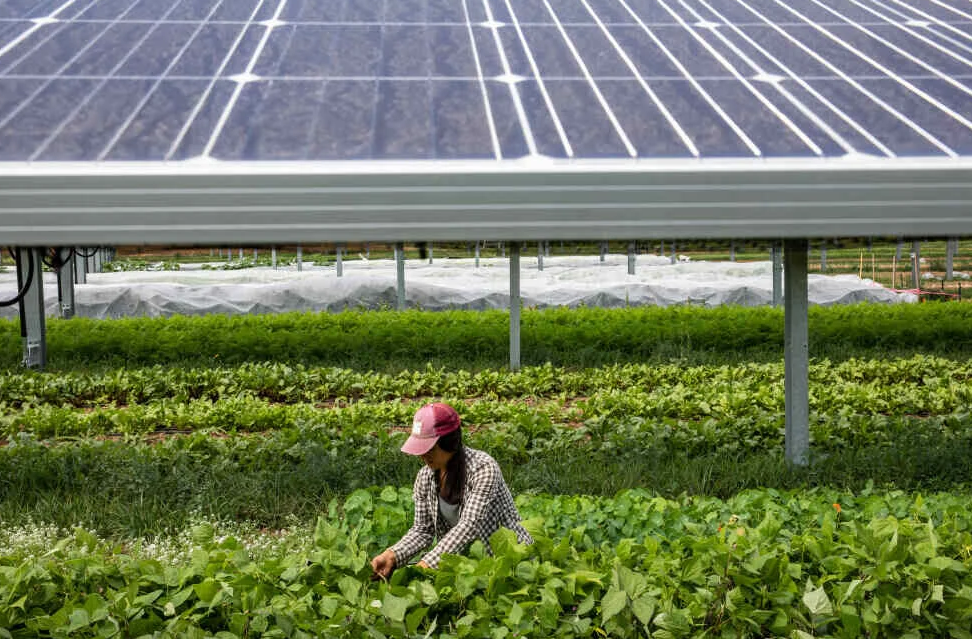
Innovative solutions to monetize the energy of domestic solar panels
What is the difference between prosumer and producer of electricity
Solar panels for your business, profitable or not?
Solar panels for charging electric vehicles
Renewable solar energy: clean and healthy future