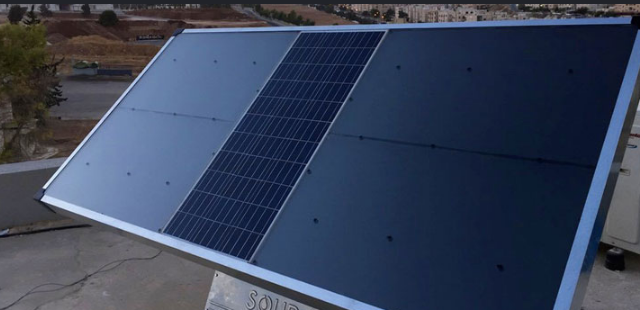
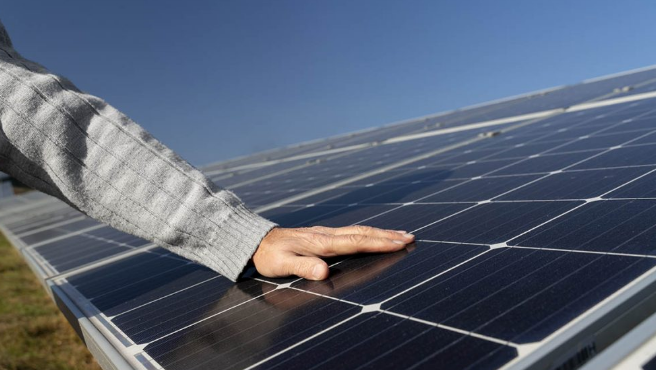
The mechanical elements represent the structure and framework on which the entire photovoltaic system rests. By means of them the solar panels are fixed in the optimal position to capture energy, protected over time and interconnected with the other components.
The main technical and mechanical elements that make up a photovoltaic system are:
- FIXING STRUCTURES
Anchoring systems are essential to safely support the panels and ensure stable and long-lasting positioning. The main types are support grids anchored to the ground or on the roof, systems tracking with aluminum profile.
- SOLAR TRACKER
To optimize sun tracking, 1-2 axis trackers provide motorized movement of the panels via planetary gears, racks or roller chain mechanisms. Roof or ground models are available with power up to 1000Wp/module.
- STAINLESS STEEL, ALUMINUM, GALVANIZED STEEL»

The materials used resist corrosion and atmospheric agents, ensuring the longevity of the installation. Stainless steel is used primarily for structural rib members, aluminum for lightweight shelving, and galvanized steel for heavier structures.
- Wiring
The first cabling phase connects the panel arrays via insulated silicone conductive strips for subsystem voltages up to 1500 V. The continuous cabling provides a direct or splice power path to the inverters and grid/batteries. They are used:
- MC4 cables – for connecting panels to the string matrix. They are flexible, silicone insulated, with MC4 connectors at the ends. It resists temperatures up to 90°C and voltages of 1500V.
- The string cables – as standard, connect the panel to the inverters, have polychloroprene insulation resistant to UV rays and temperature variations.
- DC-AC conversion cables: carry direct current from the matrix rope-s at the inverter input. They have low continuity and special insulation for high voltage.
- AC connection cables: carry alternating current from the output of the inverters to the electrical panel or grid.
- Cables for hybrid systems off-line – also include cables for battery management and connection to solar panels.
All these well-designed and constructed mechanical aspects give the photovoltaic system the necessary solidity and resistance over time. By using recyclable materials, sustainability is also guaranteed in the sense of environmental protection and by combining them in an optimal way, sustainable and safe photovoltaic systems are obtained.
The Restart Energy team is just a message away to receive the technical and logistical help you need in your photovoltaic business!
Conclusion
The mechanical elements of a photovoltaic system are often overlooked, yet they are among the most critical components for ensuring the system’s performance, safety, and longevity. While solar panels, inverters, and electrical equipment receive much of the attention, the mounting structures and support components form the foundation upon which the entire installation depends. Without a properly designed and installed mechanical structure, even the most advanced photovoltaic panels cannot operate at their full potential.
The primary role of these mechanical elements is to securely position the solar panels in the optimal orientation and angle for capturing the maximum amount of solar radiation. Proper positioning directly influences energy production, making the quality of the support structure a key factor in the overall efficiency of the system. A well-designed mounting solution helps ensure that panels receive the best possible exposure to sunlight throughout the day and across different seasons.
In addition to optimizing energy generation, mechanical structures provide essential protection against environmental conditions. Solar installations are exposed to wind, rain, snow, temperature fluctuations, and other weather-related factors throughout their operational lifespan. Durable mounting systems are designed to withstand these challenges while maintaining the stability and integrity of the entire photovoltaic array. This protection helps prevent damage, reduces maintenance requirements, and contributes to the long-term reliability of the system.
Mechanical components also play an important role in integrating the various parts of the photovoltaic system. They provide the framework that allows solar panels, electrical wiring, and other equipment to function together as a cohesive unit. Proper structural design facilitates safe installation, simplifies maintenance, and ensures compliance with technical and safety standards.
The quality of the mechanical elements can significantly influence the lifespan of a photovoltaic installation. High-quality materials that resist corrosion and environmental wear help maintain structural stability for decades. Since solar systems are typically expected to operate for 25 years or more, investing in durable mounting solutions is essential for protecting the overall investment and maximizing long-term performance.
In conclusion, the mechanical elements of a photovoltaic system are far more than simple support structures. They are fundamental components that ensure optimal panel positioning, protect the installation from environmental stress, and provide the framework necessary for efficient system operation. By choosing robust and reliable mechanical components, homeowners and businesses can improve energy production, enhance system durability, and ensure the long-term success of their solar energy investment. A strong foundation is essential for any successful photovoltaic project, and the mechanical structure is precisely that foundation.
latest posts published
About new generation thermodynamic solar systems
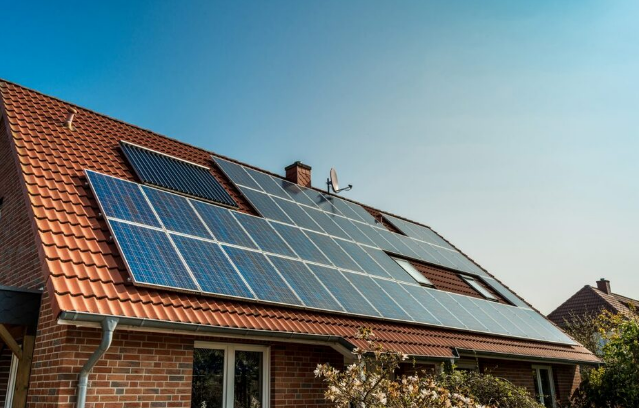
Solar panels and minimalist design: how to integrate them into modern architecture
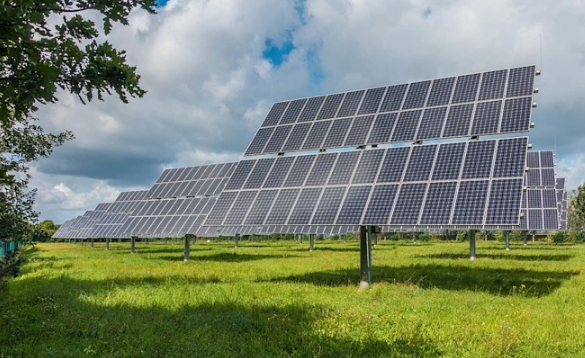
The impact of solar energy on the energy market landscape
How to choose the right electric scooter for my lifestyle
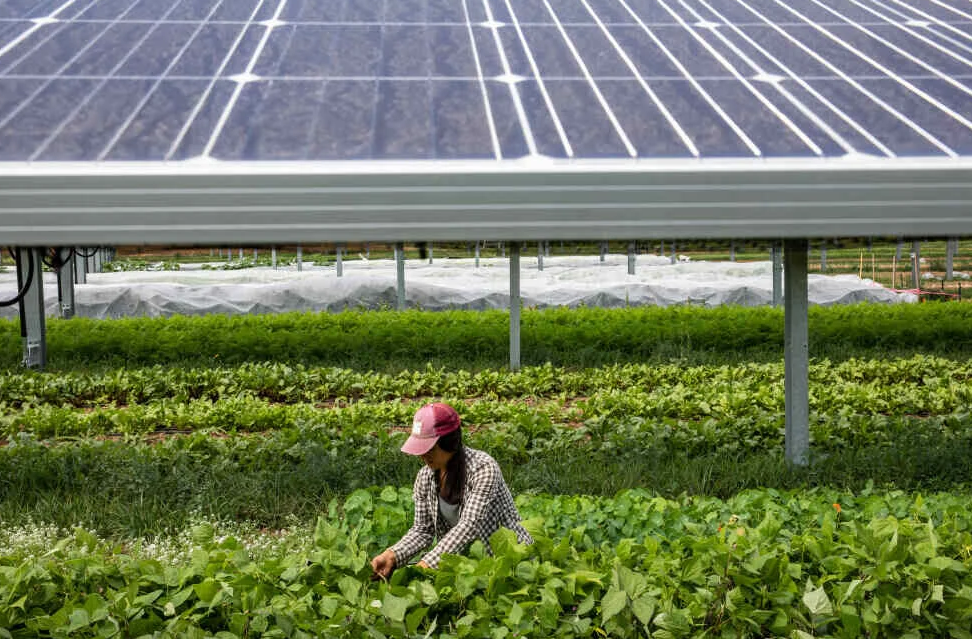
Innovative solutions to monetize the energy of domestic solar panels
What is the difference between prosumer and producer of electricity
Solar panels for your business, profitable or not?
Solar panels for charging electric vehicles
Renewable solar energy: clean and healthy future