More and more households and businesses are deciding to set up solar photovoltaic systems to get reductions on their electricity bills and gain long-term savings.
Although the upfront cost for this kind of system may appear high at first sight, the predicted savings made over its lifespan of over 20 years, through the free electricity generated, can more than balance these expenses. Here are some of the savings that solar panel installations can create. However, this depends, among other factors, on the standard of the technology, the count of devices, and the direction they face geographically.
What cost savings can photovoltaic panels produce
• Large annual savings from free electricity after the system has paid off the initial investment (typically 8-10 years).
• Electricity prices are on an upward trend, increasing the chances of amortization of the initial investment.
• Government incentives such as tax credits and subsidies can reduce the purchase cost by up to 50%, speeding up the payback period.
• Most systems cover at least 30% of consumption, significantly reducing the annual bill. The larger the system, the greater the savings.
• Making solar panels and inverters more efficient ensures better returns, leading to greater long-term savings.
On average, a solar panel system pays for itself in 8 to 10 years in avoided energy costs, although the payback time varies depending on the size of the system, electricity rates and other factors.
Once the system is paid for, the electricity generated is essentially free, resulting in significant savings over the 25-30 year life of the solar panels.
CONSTANT REDUCTIONS THANKS TO PHOTOVOLTAIC PANELS
The average U.S. homeowner has been observed to save between $800 and $2,500 in annual electricity costs with a solar panel system, with savings increasing over time as electricity rates increase. Commercial systems can save much more.
On average, a high-performance solar panel system offsets approximately 80 percent of a home’s annual electricity use, although this percentage can vary significantly depending on the size of the system, home consumption and other factors. Larger systems compensate for greater consumption.
In addition to avoiding the cost of purchasing electricity, solar panel systems also avoid transmission and distribution fees from utility companies. These can represent approximately 15-30% of a typical electricity bill.
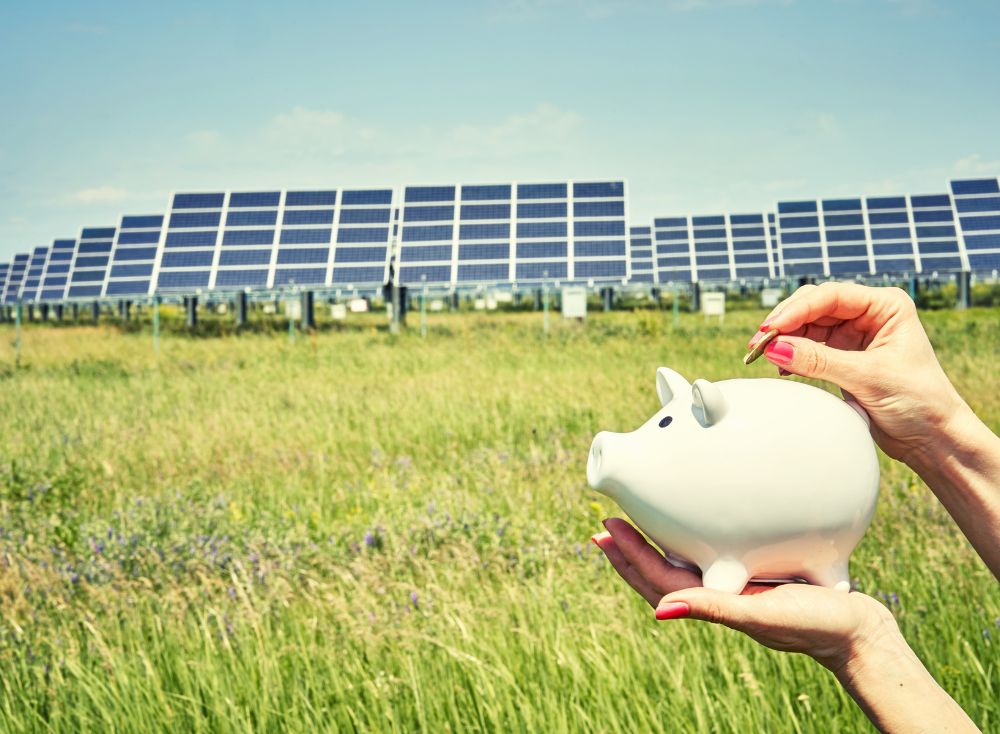
Government incentives such as tax credits, rebates and performance-based incentives can reduce the initial cost of solar systems by 20-50%, accelerating payback times and lifetime savings potential.
Other factors, such as changes in net metering compensation rates (where applicable), increases in electricity prices and degradation of system performance over time impact the payback period and actual savings achieved. – Realistic cost reductions take into account system size, incentives, performance degradation, electric rate forecasts, replacement costs, and other variables in the modeling.
Conclusion
The growing adoption of solar photovoltaic systems by families and businesses reflects a broader shift toward smarter, more sustainable energy solutions. As electricity prices continue to fluctuate and energy costs become a significant concern for both households and companies, solar power offers an effective way to reduce expenses while gaining greater control over energy consumption. What was once considered a niche technology has now become a practical and accessible investment for a wide range of users.
One of the primary reasons for the increasing popularity of photovoltaic systems is the opportunity to achieve substantial savings on electricity bills. By generating electricity directly from sunlight, homeowners and businesses can reduce their reliance on utility providers and offset a large portion of their energy consumption. Over time, these reductions in monthly expenses can translate into significant financial benefits, making solar energy an attractive long-term investment.
In addition to lowering energy costs, solar photovoltaic systems provide greater protection against future increases in electricity prices. Traditional energy markets can be affected by economic conditions, fuel costs, and regulatory changes, leading to unpredictable fluctuations in utility rates. Producing electricity on-site helps reduce exposure to these uncertainties and offers a more stable and predictable energy strategy for both residential and commercial users.
The environmental benefits of solar energy are equally important. Photovoltaic systems generate clean electricity without producing greenhouse gas emissions during operation, helping reduce dependence on fossil fuels and supporting efforts to combat climate change. As more families and businesses embrace renewable energy, the cumulative positive impact on the environment becomes increasingly significant, contributing to cleaner air and a more sustainable future.
Another advantage is the long lifespan and reliability of modern solar technology. Today’s photovoltaic panels are designed to operate efficiently for decades with relatively low maintenance requirements. Combined with advances in energy storage and smart energy management systems, solar installations are becoming even more effective at maximizing energy independence and overall system performance.
In conclusion, the increasing number of families and companies investing in solar photovoltaic systems demonstrates the growing recognition of their economic and environmental value. By reducing electricity bills, providing long-term savings, increasing energy independence, and supporting sustainability goals, solar power offers benefits that extend far beyond simple cost reduction. As technology continues to improve and renewable energy becomes even more accessible, photovoltaic systems will remain a key solution for those seeking financial stability, energy security, and a cleaner future.
latest posts published
About new generation thermodynamic solar systems
Solar panels and minimalist design: how to integrate them into modern architecture
The impact of solar energy on the energy market landscape

How to choose the right electric scooter for my lifestyle

Innovative solutions to monetize the energy of domestic solar panels
What is the difference between prosumer and producer of electricity
Solar panels for your business, profitable or not?
Solar panels for charging electric vehicles
Renewable solar energy: clean and healthy future