The news of the PSD government program is in the balance: electricity for 2017-2020 The new government PSD program for 2017-2020 features major changes in the electricity sector, a fact that is evident since the entire government has been changed. We will see the postponement of the VAT reduction, the appearance of a new tax, the «solidarity tax» and the postponement of the granting of holiday vouchers.
Electricity: Security and solidarity in the new government program
We want to maintain a safe environment, with electricity at prices accessible to all social categories and obviously security of energy supply. what is the plan Focus on social protection and use funds transparently towards energy to move towards real costs and equity between technologies, operators and consumers respectively.
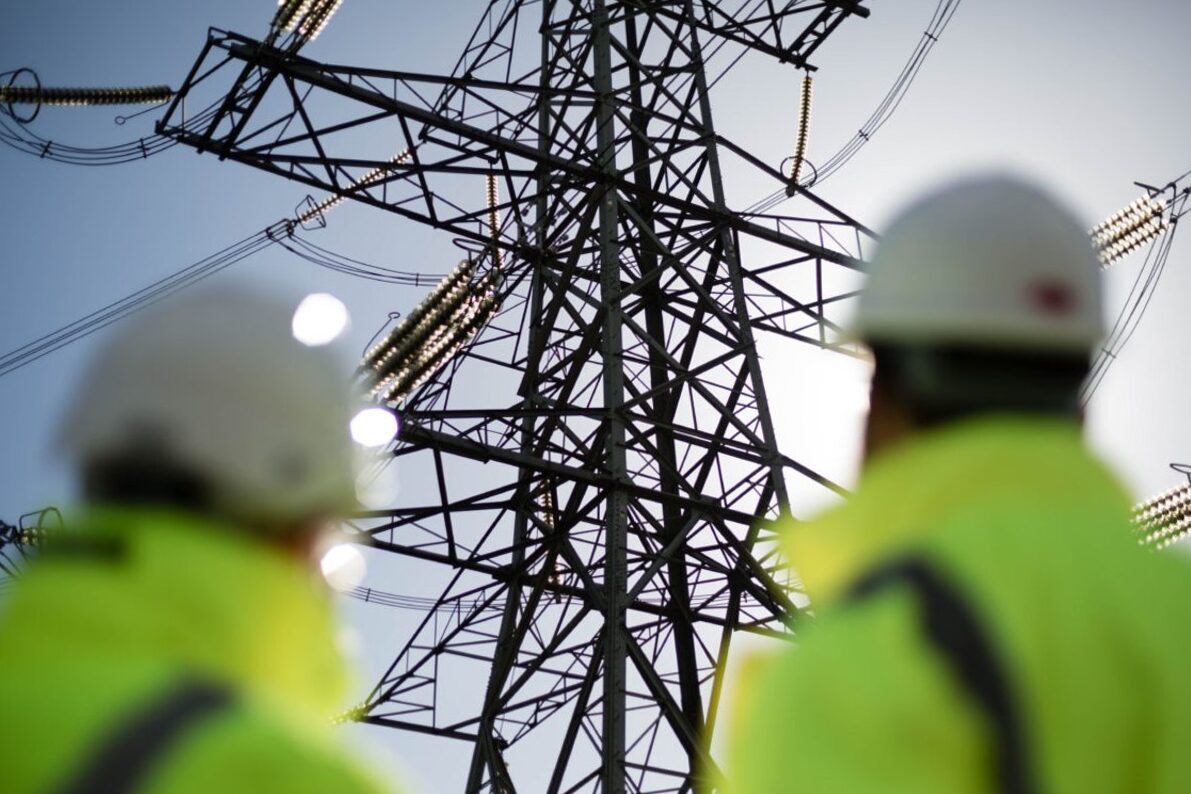
It is mentioned, we quote: “We have an aged, polluting and inefficient energy system. Starting from 100 energy units of the raw material, only 15% still reaches the final consumer.» Another objective starts from here, that of the efficiency of the energy system, which would lead to a decrease in the price of energy. We want a new technological revolution, as well as a new digital revolution.
What does energy progress look like according to the PSD government?
In this new government PSD program, the goal is to support and preserve an electricity mix by diversifying energy production sources and technologies, promoting energy from renewable sources and conversion technologies, with low carbon emissions for electricity, heating and cooling.
With obvious indication, the liberalization of the electricity market is also mentioned, because it is imposed by the EU, expiring on 1 January 2018. The plan aims at the assembly and continuous communication between energy systems, with «intelligent» networks to create a complex and interactive network of services.
Public transport is also being targeted, which is why the government wants to completely and gradually eliminate carbon emissions and switch to the use of alternative fuels. Romania’s desire to use green and clean energy at affordable prices goes in the same direction of stopping pollution.
The post-Kyoto Treaty placed the energy sector in a different sphere
In 2016, when the Post-Kyoto treaty on climate change and emissions reduction was signed, Romania’s energy policy was developed, a new strategic approach: promote new technologies regarding electricity storage, smart grids or energy efficiency measures across the entire system.
This government PSD program is based on a series of direct measures to achieve the previously outlined and mentioned objectives. So, if we talk about electricity as an indispensable tool for Romanians, we can say that we will see measures aimed at ensuring energy security and energy efficiency, the revival of coal production, the consolidation of nuclear energy production, the increase in hydroelectric potential, the installation of new power plants based on renewable energy sources.
For a detailed and direct consultation of the new government program you can access this link:
In the hope of providing the most transparent and clear information possible, we will present the Government’s project proposals in the energy field.
The national programs proposed by PSD are the following:
- Biomass: 500 thousand hectares – to create technical-energy plantations for the production of electricity and thermal energy for all localities in Romania, investment support is carried out through the Fund established at the level of the Ministry of the Environment.
- Energy efficiency – support for investments through a percentage of the price of electricity and natural gas.
- High efficiency cogeneration. Financial support will be obtained through a bonus of cogeneration for high efficiency technologies.
- ESCO – payments in monthly installments. Economic development instrument – support for investments through energy performance contracts, priority objective for public buildings; Financial support: energy performance contracts with a minimum duration of 10 years and bank loan contracts, sources of financing from European funds and PNAER – energy efficiency fund, government programs such as «Green House», «Green City» etc.
- Creation of infrastructures for alternative fuels CNG, LNG, biofuels, electric transport (with priority for local public transport) and freight transport; the transposition of the EU Directive aimed to reduce the transport tariff by at least 40%.
- New natural gas and electricity distribution systems in locations without electricity and natural gas supply (investment support through monopoly tax, approximately 50 million euros per year).
- RO Green – Circular Economy (waste recovery), support for investments through European funds, the environmental fund, focus on the energy field);
- Update of the national register of professions and skills in order to introduce new professions in the field of renewable and non-conventional energies;
- “Online” monitoring of the investment portal; funding from PNAER and European Funds.
- National program to support Local Authorities to implement the Energy Master Plan and the Energy Strategy at UAT level; funding from PNAER and European Funds.
- Accelerate the process of interconnection of electricity and natural gas SNTs to the transport systems of the Central Region and the EEA and implicitly the EU; financing from European and tariff funds.
- Rigorous maintenance and investment program (reengineering/modernization, development) and annual completion for electricity and natural gas transportation network facilities. Financing from the tariff.
- National program for consumer education and information on energy efficiency, as well as the creation of an electronic platform with concrete offers related to high-efficiency household appliances, as well as the list of ESCO companies and suppliers, as well as their offers to transform it from CONSUMER to PROSUMER. Financing from PNAER, European Funds, tariffs, etc.
latest posts published
About new generation thermodynamic solar systems
Solar panels and minimalist design: how to integrate them into modern architecture
The impact of solar energy on the energy market landscape
How to choose the right electric scooter for my lifestyle
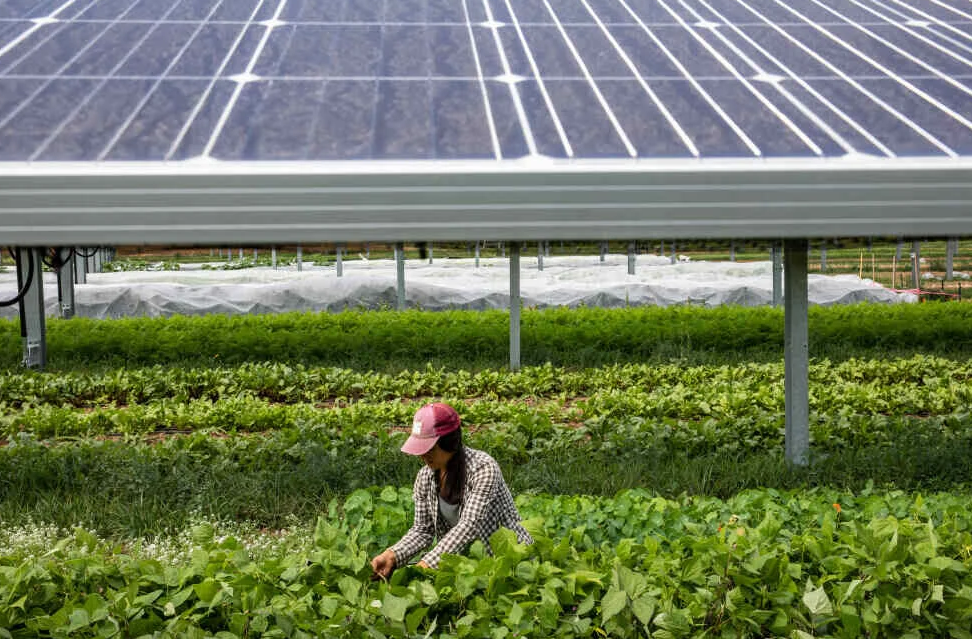
Innovative solutions to monetize the energy of domestic solar panels
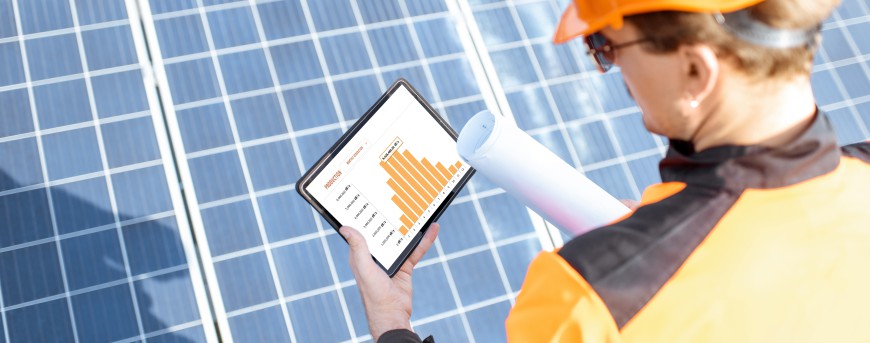
What is the difference between prosumer and producer of electricity
Solar panels for your business, profitable or not?
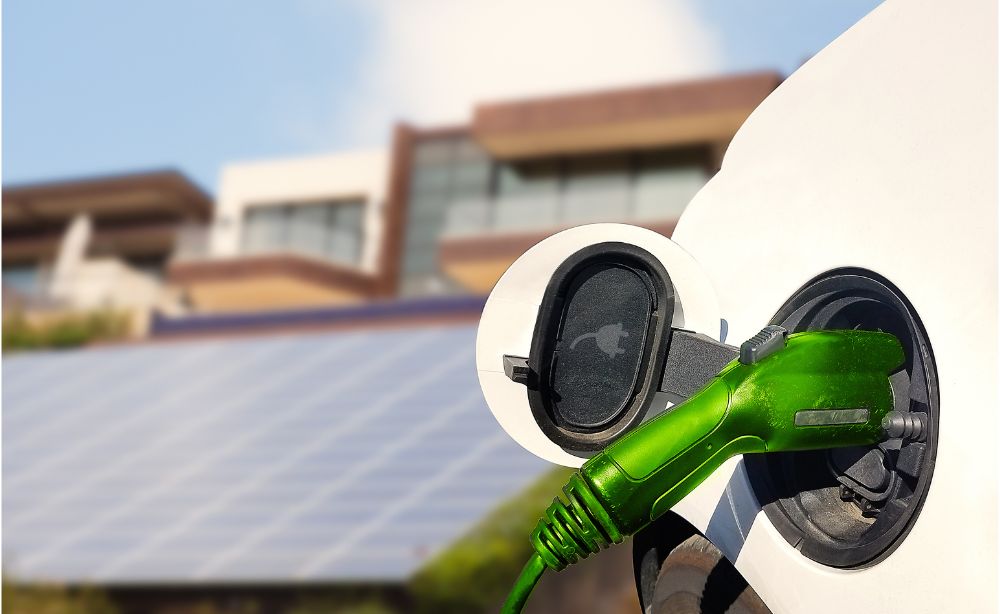
Solar panels for charging electric vehicles
Renewable solar energy: clean and healthy future