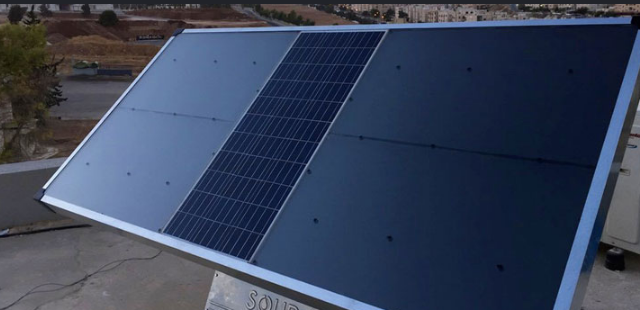
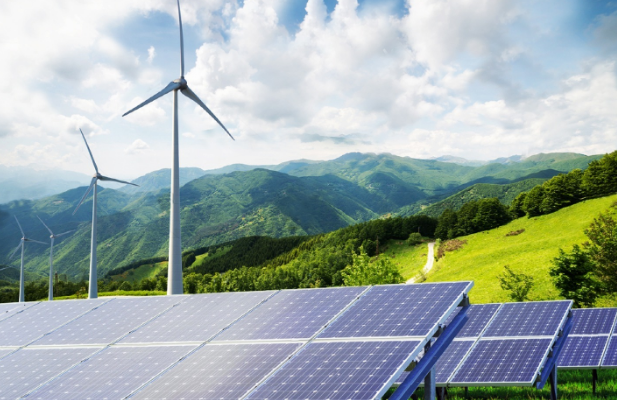
Green energy is a popular term for renewable, pollution-free energy. Electricity from renewable energy sources is becoming increasingly available in everyday life. By opting for a green energy source you can support the development of clean energy. Become energy independent and reduce the environmental impact associated with traditional energy production.
Green energy production
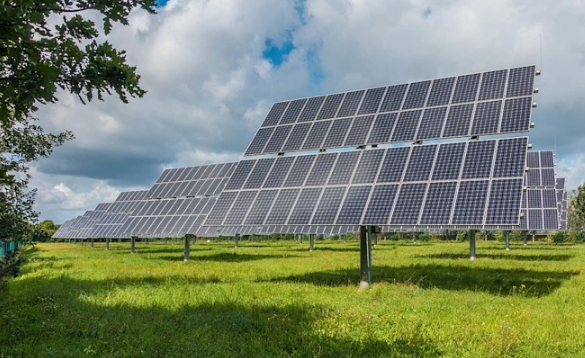
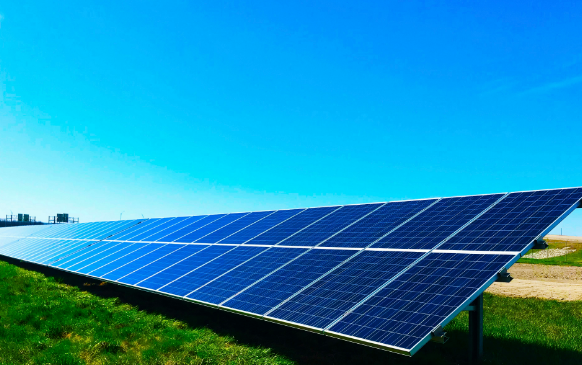
Installing solar panels becomes a very beneficial option when these technologies can help consumers by reducing bills for various utilities, such as water and heating. In the case of domestic hot water systems, the payback period is significantly shorter. Investing in green energy production is very profitable. Choosing such energy sources for companies, domestic consumers, hotels and hospitals can reduce the impact of the greenhouse effect on the environment. This energy comes from sources such as the sun, wind, rain, tides, waves and heat.
The benefits of a solar panel in your home
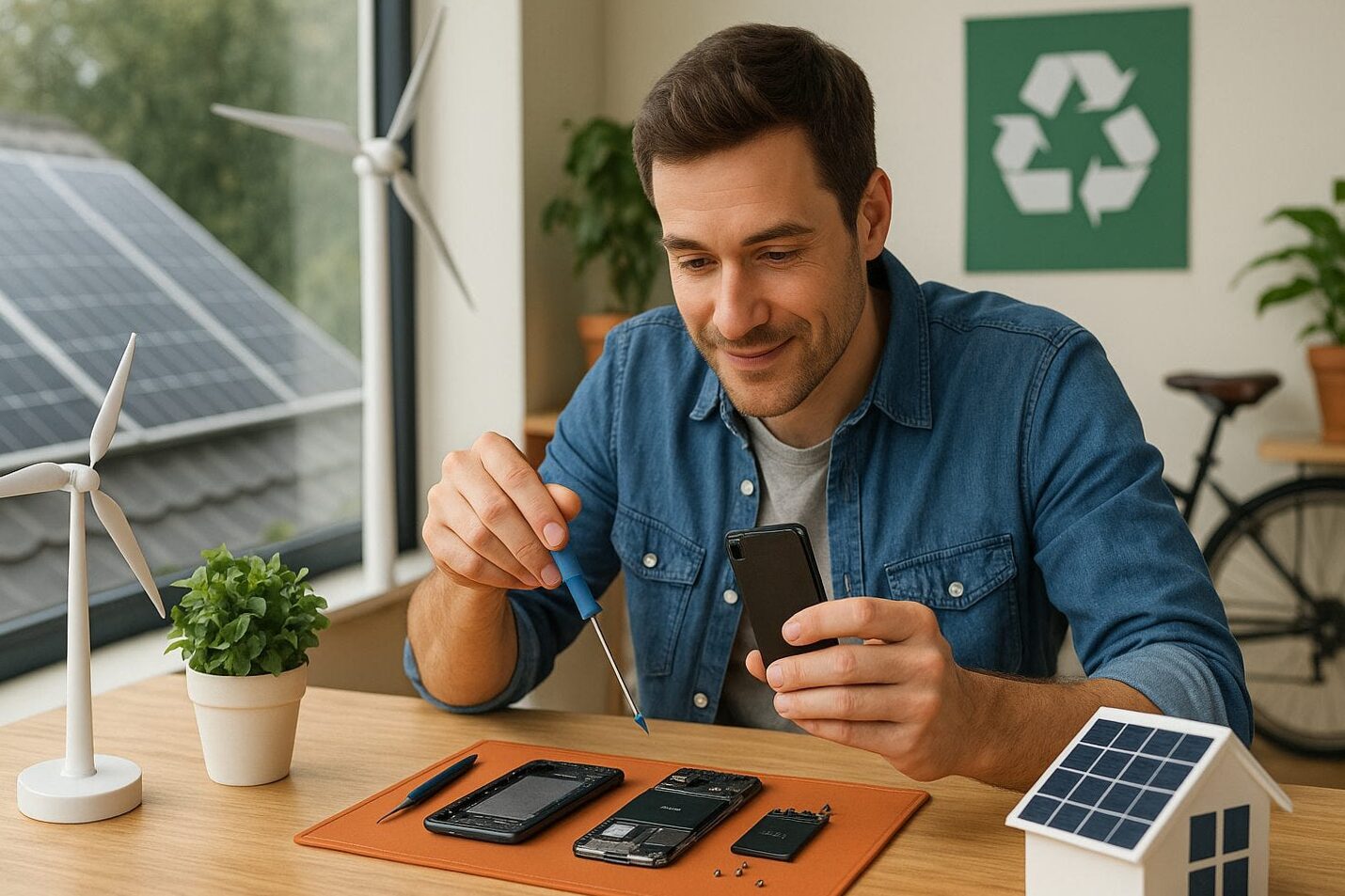
Using solar power has numerous key advantages that you should understand before installing a solar panel in your house.
Unlike regular generators, one of the key features of solar power is that it operates silently. If you prefer to avoid bothersome noises, this provides an opportunity for added peace.
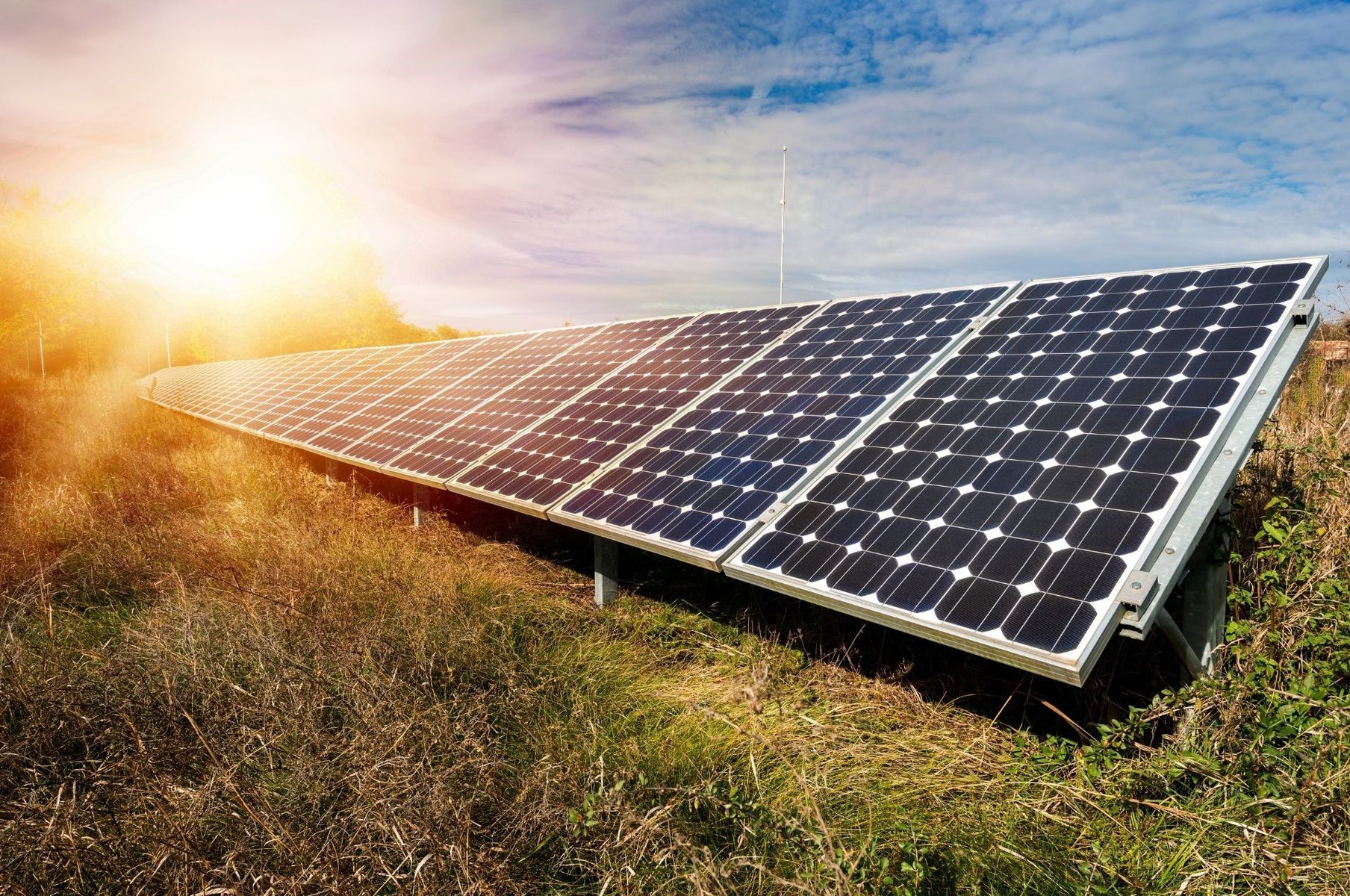
The sun is an unlimited source of energy for our entire world, as it is predicted to shine for a long period, around 5 billion years. It is important to mention that where there are no other options, energy can be gathered from the sun. In isolated regions, this can be a way for small businesses to run independently.
Another point to think about is cost savings. Setting up solar panels on your roof will definitely help you lower your energy bills. This move will also help you reach a very desirable level of energy self-sufficiency. You will no longer be reliant on a particular supplier who might frequently raise your energy prices.
Green energy sustainability
Green energy has a medium-term vision and Europe has set 2030 as the year in which 35% of green energy consumption will be renewable. This will also ensure the development of electricity sources and sustainability, while creating new jobs. Actions include: buses using 100% renewable energy, producing fuel from food waste, and using solar and wind systems to produce energy. In the automotive and complete vehicle segment, internal combustion engines are expected to disappear by 2040. The electric industry pursues its own goals and Restart Energy takes the lead by creating sustainable offers tailored to your interests.
Where conditions are favorable, especially in small buildings, solar energy represents an advantageous alternative. This is important if you are interested in building a private house and want to generate energy independently and sustainably. If you want clean, affordable energy with a sustainable structure, investing in solar panels is a beneficial option.
Conclusion
The growing popularity of green energy reflects a fundamental shift in how modern society views power generation and environmental responsibility. As a comprehensive term for renewable, pollution-free electricity, green energy has transitioned from an experimental alternative into an increasingly accessible asset in everyday life. By actively choosing a renewable power source, consumers do more than just alter their utility bills; they directly fund and support the ongoing development of clean energy infrastructure. This collective market demand accelerates the transition away from fossil fuels, driving technological innovation and making sustainable technology more affordable and efficient for communities worldwide.
Beyond supporting a global environmental movement, adopting green energy allows individuals and businesses to achieve true energy independence. Traditional energy grids rely heavily on centralized, finite resources that leave consumers vulnerable to market volatility, geopolitical conflicts, and unpredictable price spikes. In contrast, leveraging localized renewable resources—such as solar, wind, or geothermal power—empowers consumers to generate their own electricity on-site. When paired with modern battery storage solutions, this decentralization ensures a stable, self-reliant power supply that protects users from grid failures and long-term utility inflation.
Furthermore, switching to renewable energy is the most effective action an individual can take to reduce the severe environmental impacts associated with traditional energy production. Conventional power plants release massive volumes of greenhouse gases, sulfur dioxide, and particulate matter, which degrade air quality, acidify oceans, and accelerate global warming. Green energy sources eliminate these harmful emissions during operation, effectively shrinking a user’s carbon footprint to near zero. This drastic reduction in pollution is vital for preserving fragile ecosystems, protecting public health, and mitigating the long-term effects of climate change.
In summary, the transition to green energy represents a powerful alignment of individual autonomy and global ecological stewardship. It transforms the simple act of electricity consumption into a conscious choice that actively combats environmental degradation while fostering a resilient, decentralized power structure. As renewable options become more integrated into daily infrastructure, making the switch becomes easier and more impactful. Embracing this evolution ensures a cleaner, safer, and entirely sustainable future powered by inexhaustible resources that safeguard the planet for generations to come.
latest posts published

About new generation thermodynamic solar systems
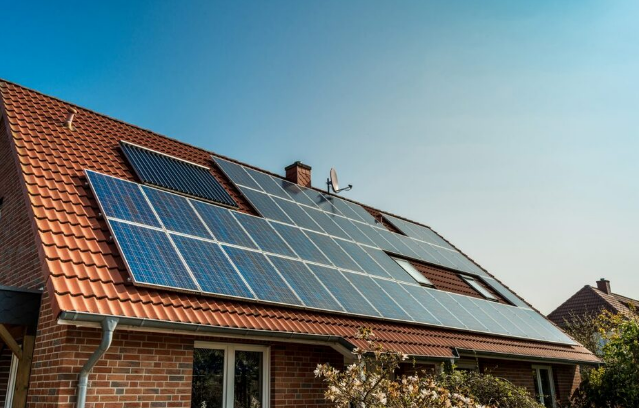
Solar panels and minimalist design: how to integrate them into modern architecture
The impact of solar energy on the energy market landscape

How to choose the right electric scooter for my lifestyle
Innovative solutions to monetize the energy of domestic solar panels

What is the difference between prosumer and producer of electricity
Solar panels for your business, profitable or not?
Solar panels for charging electric vehicles
Renewable solar energy: clean and healthy future