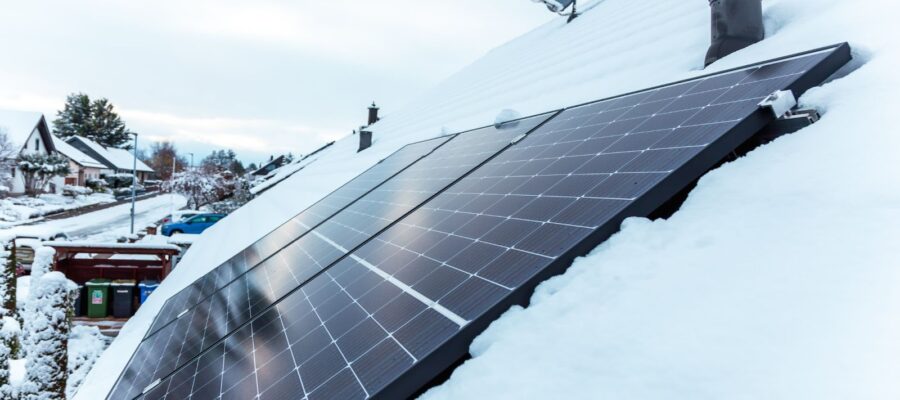
If you have solar panels on your roof or in your yard, you know how important it is to optimize their performance and efficiency. Solar panels convert sunlight into electricity, but they are also affected by changes in weather conditions, such as temperature, cloud cover, snow, ice, wind and dust. How can you ensure your solar panels perform best in cold seasons? Here are some tips and tricks that will help you!
1. Adjust the tilt angle
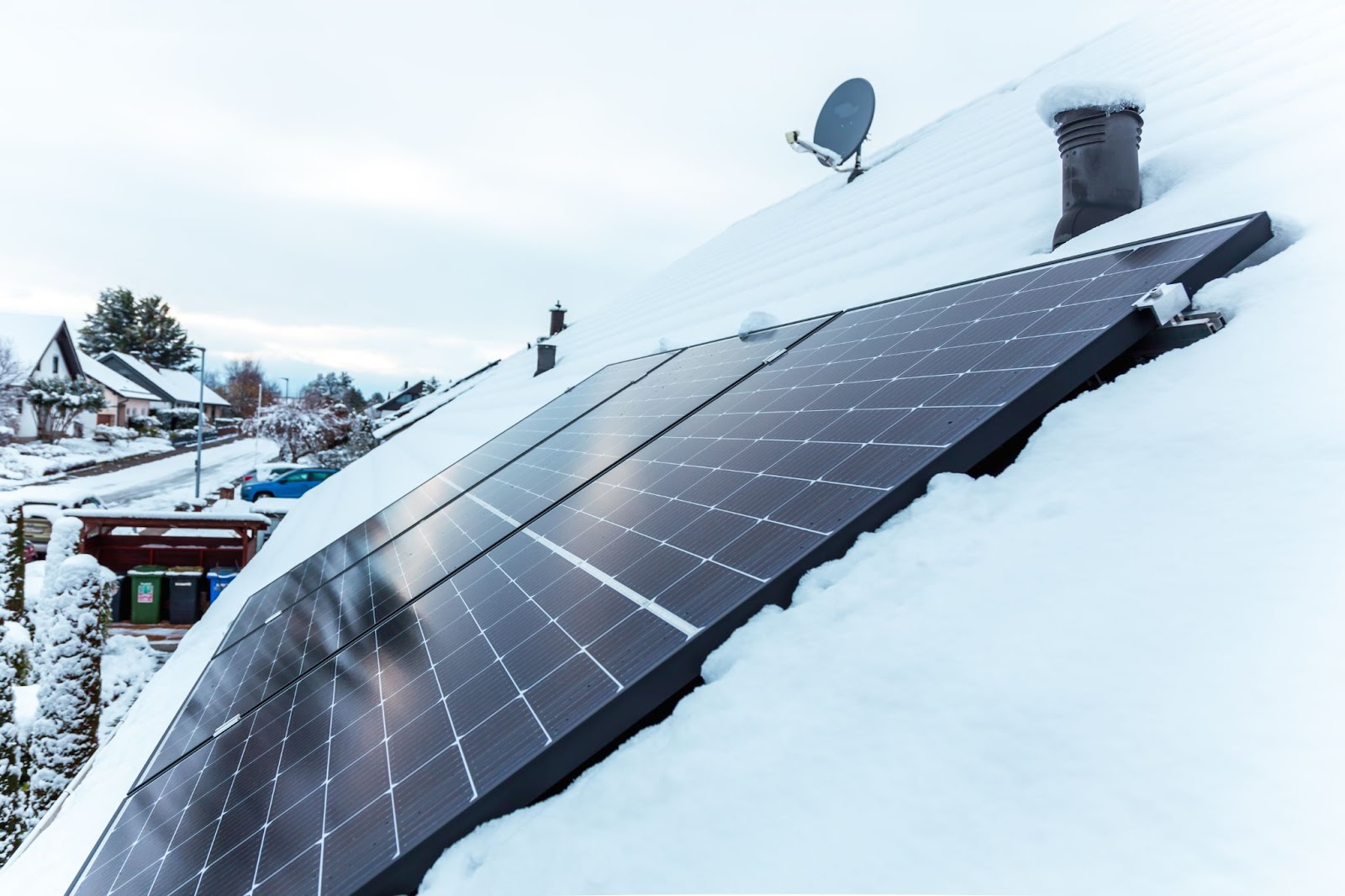
One of the simplest ways to improve the performance of your photovoltaic system is to adjust the tilt angle of your solar panels for electricity. This is due to the fact that, during the winter, the sun is lower in the skywhich means that a greater angle of inclination to capture as much sunlight as possible. Also, the position of the sun varies depending on the latitude of the location, so the optimal tilt angle will be different from one location to another.
How to adjust the tilt angle?
First of all, it is important to know what the current inclination angle of the solar panels is. So, to determine the optimal tilt angle, you can add 15 degrees relative to the geographic latitude of your location. For example, if the location is at 44 degrees latitude, as is the case in Bucharest, the optimal inclination angle for winter would be 59 degrees. [1]
Adjusting the tilt angle of solar panels helps not only maximize energy production, but also maintaining the efficiency of the system in unfavorable climatic conditions. During the winter, solar panels can be covered in snow or ice, which can reduce their efficiency. By adjusting the tilt angle, snow and ice can slide off the panels more easily, keeping them clean and efficient.
2. Try to reduce energy consumption
Photovoltaic systems continue to convert sunlight throughout the winter. But as the days get shorter and solar radiation decreases, solar systems produce less energy. Considering that your system produces less energy than during the summer, it is advisable to reduce energy consumption during the winter to avoid paying high electricity bills.
There are several methods by which you can reduce energy consumption:
- buy more energy efficient appliances. They consume less energy and can therefore reduce electricity costs;
- reduce the use of unnecessary electrical appliances and ensure adequate insulation of the house to reduce heat loss;
- choose to install LED bulbs;
- unplug appliances you don’t use;
- avoid installing furniture in front of the radiators to avoid hindering the escape of heat;
- uses alternative energy resources, such as natural gas or wind energy.
Surprising information about solar systems
Solar panels may perform even better in low-temperature conditions than in high-temperature conditions, thus contradicting general intuition. This phenomenon is due to the fact that solar panels transform sunlight into electricity and not heat. Manufacturers usually specify the maximum efficiency of the panels at a temperature of 25 degrees Celsius. The performance of the panels decreases as the temperature increases beyond this point. This is due to the fact that the electrical resistance of the conductors decreases at lower temperatures, thus allowing for better electron flow and, consequently, a more efficient system.
3. Modernize your photovoltaic system
Solar technology is constantly evolving. In recent years, new types of solar panels, more efficient inverters, advanced controllers and other devices have appeared that can improve the performance of solar systems. If you replace old solar panels, inverters, controllers, and other devices with more modern, efficient versions, you can improve your system’s energy production, efficiency, and lifespan. Discover other photovoltaic kits here!
4. Thermally insulate solar batteries properly
In winter the performance of batteries can be negatively affected because they are not designed to operate in extremely cold temperatures. Under ideal conditions, they should operate within a temperature range of 20 and 25 degrees Celsius.
When the temperature drops below this level, the battery’s storage capacity decreases. Additionally, battery life may also be shortened, as low temperatures can cause damage to internal components.
There are several methods you can use to thermally insulate solar batteries. One of the most common methods is that keep insidebecause you can control the temperature. Another option would be to use heat-insulating boxes, if you keep the batteries outdoors. Each method has its advantages and disadvantages. For example, indoor storage can be more expensive and take up a lot of space, while using an insulated box may require more frequent monitoring to ensure the insulation is effective.
5. Monitor battery drains
Completely discharging the batteries can lead to long-term damage to them and the shutdown of the photovoltaic system. Although some batteries can tolerate discharge levels of 70-80%, it is recommended to keep the discharge level lower 50%. This will help extend the life of the batteries and maintain their efficiency in the long term.
6. Clean the panels regularly
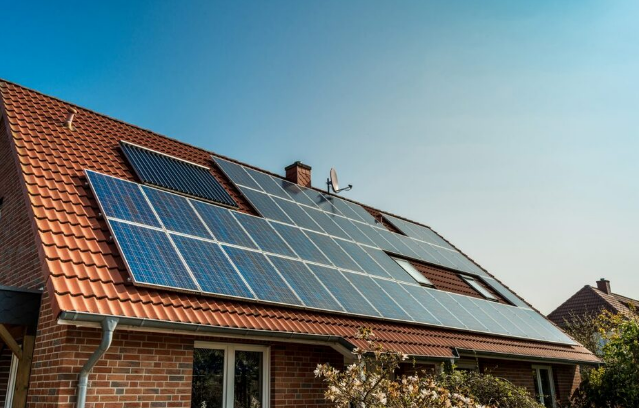
Solar panels can leak up to 20% from efficiency if they are not cleaned properly. This fact is mainly due to the deposit of dust, dirt and pollen, snow and ice, as well as bird droppings, which can block sunlight and therefore reduce the efficiency of the panels. [2]
To clean the panels, it is recommended to use a soft cloth, water and a mild cleaning solution. Avoid using abrasive or harsh chemicals that can damage the surface of the panels and shorten their life.
7. Monitor solar system performance
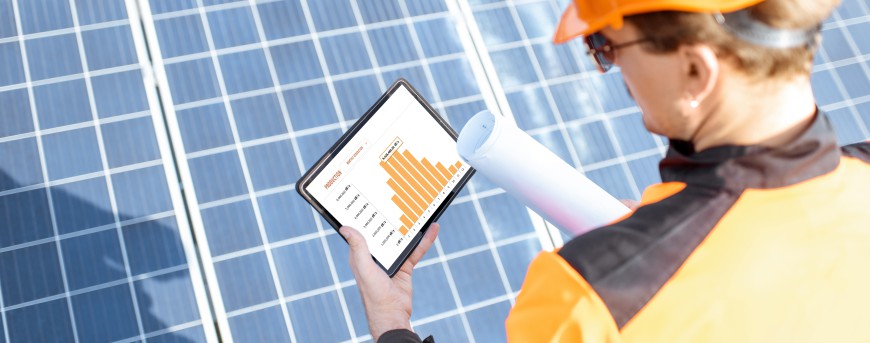
Constantly monitoring your solar system’s performance is not just an option, but a necessity, if you want to ensure your solar panels are operating at maximum capacity during cold seasons. An energy monitoring system can be used for this purpose.
By regularly monitoring the solar system it is possible to identify any anomalies or problems in time and resolve them quickly. These can include faulty wires, broken cells, or too low a voltage.
It is also useful to compare the actual output of your solar panels with the estimated one. Therefore, you can check whether your system is working as expected. If you notice discrepancies or significant drops in production, it is advisable to call a professional to inspect and repair the system.
8. Experiment with different setups
Solar panels can be arranged in different ways: in series, parallel, or a mix.
In one setup in series, the negative end of one panel connects to the positive end of the next, forming a string. In this setup, the voltage (V) from each panel adds together, while the current (A) stays the same. In the parallel setup, all the negatives and all the positives are linked together, keeping the voltage constant while the current increases, meaning the amperes combine. The mixed setup combines both series and parallel connections.
When trying out different arrangements, it’s crucial to keep in mind that many personal factors matter. Space available, budget, and personal choices can greatly influence the final choice. For instance, in a small area, a series setup might be better, while in a larger area, a parallel setup might be more effective.
The solar energy system is a fantastic option, no matter the season.
Many people believe that solar power only works well in summer. Yet, even in winter, when days are shorter and the sun isn’t as bright, solar energy continues to be a practical and cost-efficient choice.
The Zonetec team is here to help make the buying process easier, both during and after the installation of solar systems. Check out our collection of solar solutions from globally recognized and certified manufacturers!.
latest posts published
About new generation thermodynamic solar systems
Solar panels and minimalist design: how to integrate them into modern architecture
The impact of solar energy on the energy market landscape
How to choose the right electric scooter for my lifestyle
Innovative solutions to monetize the energy of domestic solar panels
What is the difference between prosumer and producer of electricity
Solar panels for your business, profitable or not?
Solar panels for charging electric vehicles
Renewable solar energy: clean and healthy future