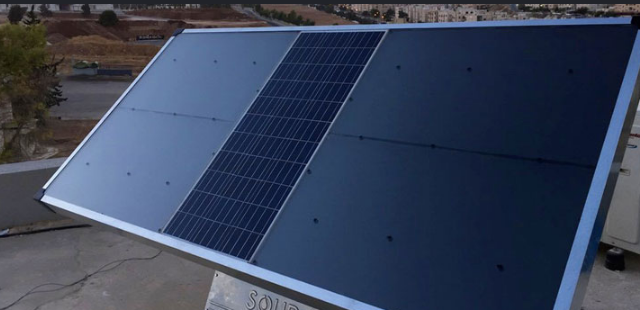
There are still small rural areas without connection to the power grid. Solar panels can provide light for homes and hope for a brighter future.
First, these areas usually struggle with poverty, making it hard to pay for solar systems. This is why government money or NGO programs focused on rural electricity are important. Also, being in remote places, moving and setting up solar equipment creates logistical issues. Taking care of solar systems in isolation also creates difficulties. Replacement parts or batteries need to be transported from a distance, and local people need to be taught how to do minor repairs and upkeep.
But there is a long list of benefits that solar panels bring to these isolated rural communities:
- Solar panels allow access to modern means of communication: radio, television, Internet. Connecting with the outside world brings valuable information and creates new job and education opportunities.
- Solar systems offer the possibility of irrigating crops, increasing productivity and food security. And through electrification small local businesses or artisan workshops can be created.
- Reduce the rural exodus, guarantee dignified living conditions and sources of income in the village.
- Forest conservation, preventing people from having to massively cut down trees to produce firewood.
- Increase environmental quality and reduce emissions that impact climate change.
- Improve health and living standards. For example, children can learn around the clock thanks to electric light and Internet access, and medical centers can store vaccines in refrigerators. Furthermore, the ability to pump drinking water from wells and heat water for domestic use using solar water heaters, refrigerate food using solar refrigerators, prolonging freshness and reducing waste
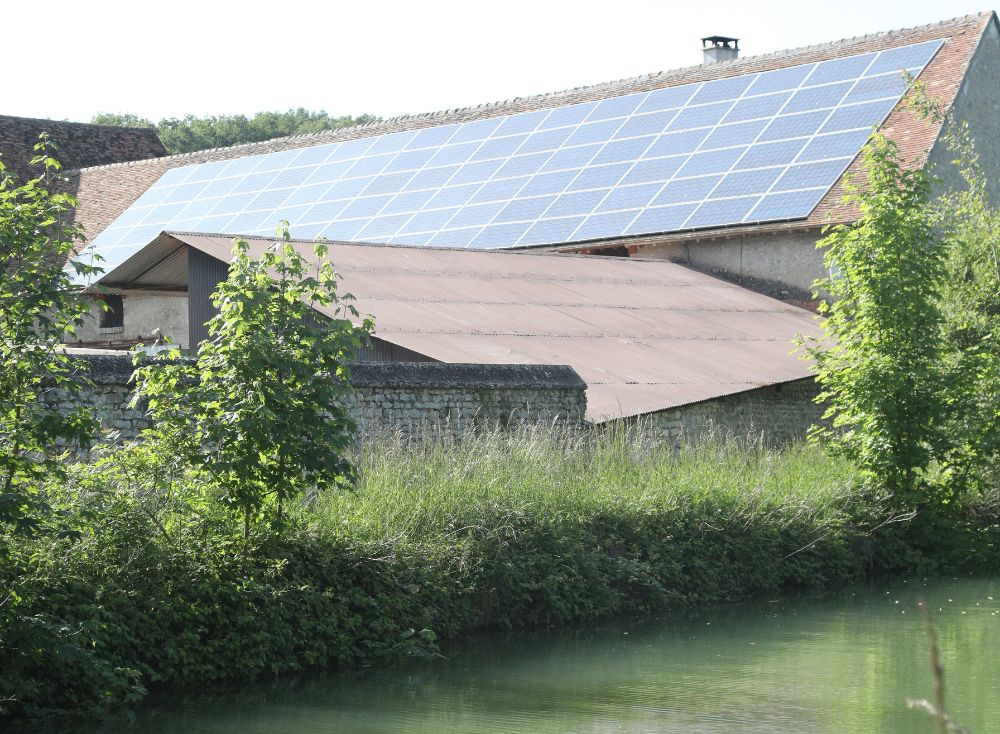
There are several NGOs and initiatives that deal with the installation of solar panels in rural areas. Here are some examples:
- Barefoot College: Barefoot College is an international organization based in India that focuses on hands-on learning and rural community development. Among other projects, they implement solar solutions to bring electricity to rural and remote areas.
- SolarAid: SolarAid is a non-profit organization that works in Africa to fight poverty through the use of solar panels. They implement solar projects in rural communities and provide access to sustainable electricity for schools, health centers and families.
- The Solar Electric Light Fund (SELF): SELF is an organization that uses solar energy to support sustainable development in rural and remote communities around the world. They implement solar projects to provide electricity in rural areas and support education, health and economic development.
In conclusion, although challenging, the implementation of solar panels in isolated villages brings light and hope to disadvantaged communities. Collaboration between governments, NGOs and local populations can overcome obstacles and open new perspectives of sustainable development for millions of people. And this is worth every effort.
Conclusion
Photovoltaic systems have evolved from a niche technology into a powerful business tool that helps companies reduce costs, improve efficiency, and support sustainable growth. Understanding how these systems work and the different options available is essential for any business considering an investment in renewable energy. Whether a company chooses a grid-connected, off-grid, or hybrid solar solution, photovoltaic technology offers numerous advantages that can positively impact both operational performance and long-term profitability.
At the most basic level, photovoltaic systems convert sunlight into electricity through solar panels composed of specialized photovoltaic cells. This clean energy can be used to power daily business operations, reducing reliance on traditional electricity providers and lowering monthly energy expenses. As energy costs continue to rise in many regions, generating electricity on-site has become an increasingly attractive strategy for businesses seeking greater financial stability and control over operating costs.
Different types of solar systems allow companies to select the solution that best matches their needs. Grid-tied systems are popular for businesses that want to offset electricity consumption while maintaining access to the utility grid. Off-grid systems provide complete energy independence in locations where grid access is limited or unavailable. Hybrid systems combine solar generation with battery storage, offering greater flexibility and the ability to use stored energy during periods of low solar production or peak demand. Each configuration offers unique benefits that can be tailored to specific business objectives.
Beyond financial savings, photovoltaic systems can significantly improve a company’s environmental performance. By generating renewable electricity, businesses reduce their dependence on fossil fuels and lower their carbon emissions. This commitment to sustainability can enhance corporate reputation, attract environmentally conscious customers, and strengthen relationships with investors and stakeholders who increasingly value responsible business practices.
Another important advantage is long-term reliability. Modern solar systems are designed to operate efficiently for decades with minimal maintenance requirements. Combined with advances in energy storage, monitoring technologies, and panel efficiency, photovoltaic systems provide a dependable source of clean energy that can support business operations well into the future.
In conclusion, photovoltaic systems offer far more than renewable electricity. They provide businesses with an opportunity to reduce energy costs, increase energy independence, improve sustainability, and strengthen their competitive position. By understanding the different types of solar systems and selecting the most suitable solution, companies can unlock significant economic and environmental benefits. As renewable energy continues to shape the future of business, photovoltaic technology remains one of the most effective investments for organizations seeking long-term growth, resilience, and sustainability.
y!
latest posts published
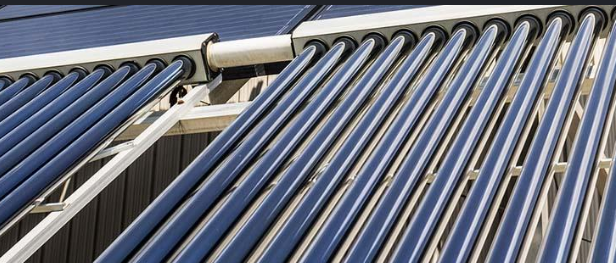
About new generation thermodynamic solar systems
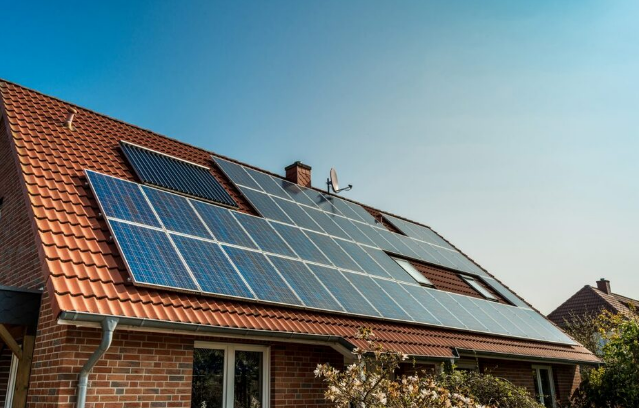
Solar panels and minimalist design: how to integrate them into modern architecture
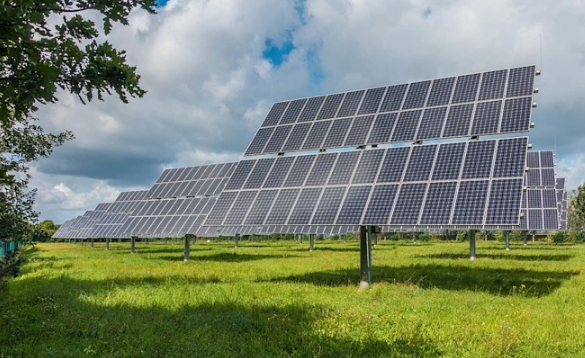
The impact of solar energy on the energy market landscape

How to choose the right electric scooter for my lifestyle
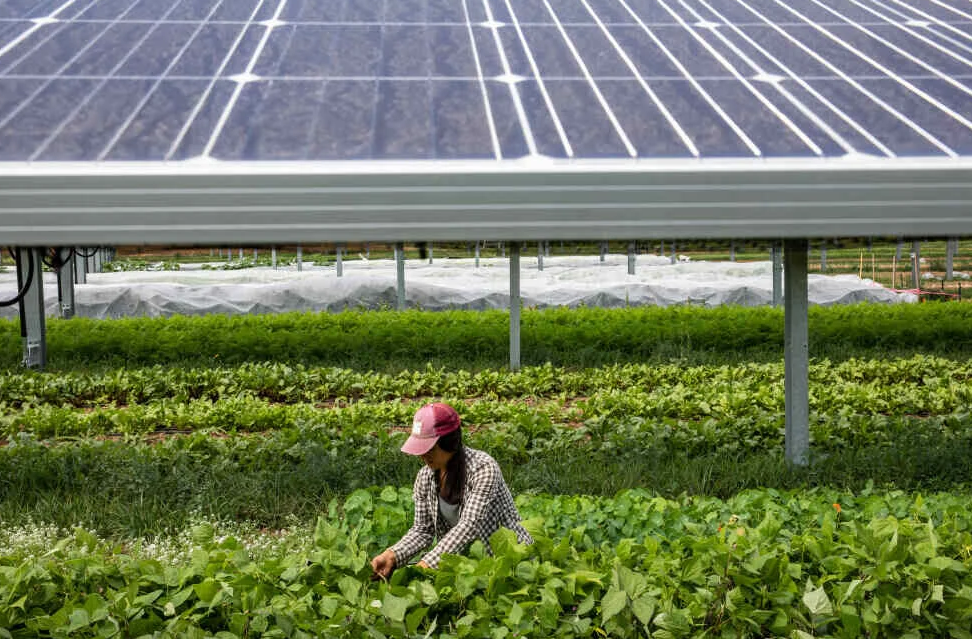
Innovative solutions to monetize the energy of domestic solar panels
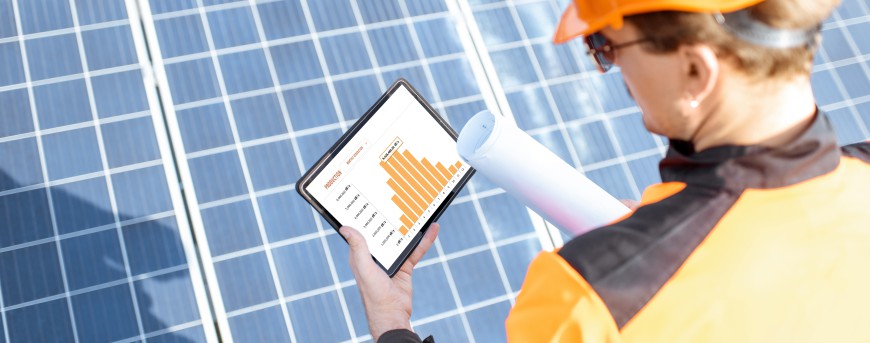
What is the difference between prosumer and producer of electricity
Solar panels for your business, profitable or not?
Solar panels for charging electric vehicles
Renewable solar energy: clean and healthy future