Each of us uses electricity every day, but few of us know exactly how it is produced. Although there are many resources that can be exploited to produce energy, fossil fuels (such as coal) are the most commonly used for this purpose. The alternative involves the use of renewable energies – wind, hydraulic, solar – for the production of electricity.
The current social and economic contexts have led to a crisis in the energy market and raise concerns for the future. They therefore argue that the goal of European states is to achieve energy independence. This can be achieved if renewable energy sources become the main producers of electricity.
But what are the differences between renewable energy, including solar and conventional, and how to make the best decision for your business?
Conventional energy
The market is currently dominated by conventionally generated energy. But, at European level and beyond, this reality wants to change. Not only are the resources used exhaustible and non-renewable, but the processes of transforming them into energy are harmful to the environment. With combustion, large quantities of carbon dioxide are released into the air, which affects the entire ecosystem and causes imbalances in nature, such as anomalous increases in temperatures.
In addition to the negative impact on nature, conventional energy consumption entails some additional costs. In essence, we pay not only for the energy actually used, but also for transport and various additional taxes, which is not economically advantageous.
Solar energy
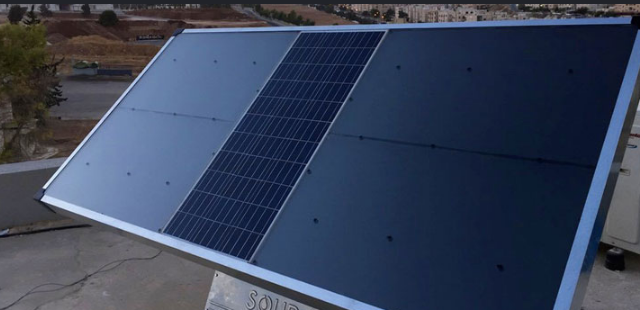
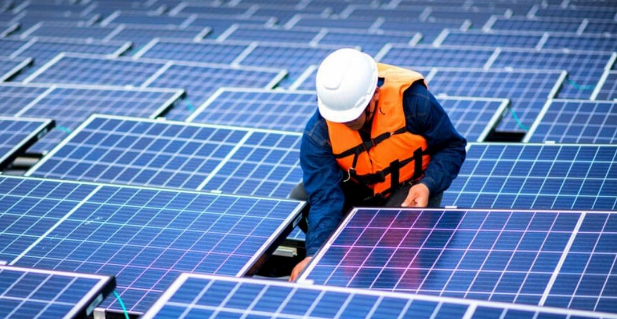
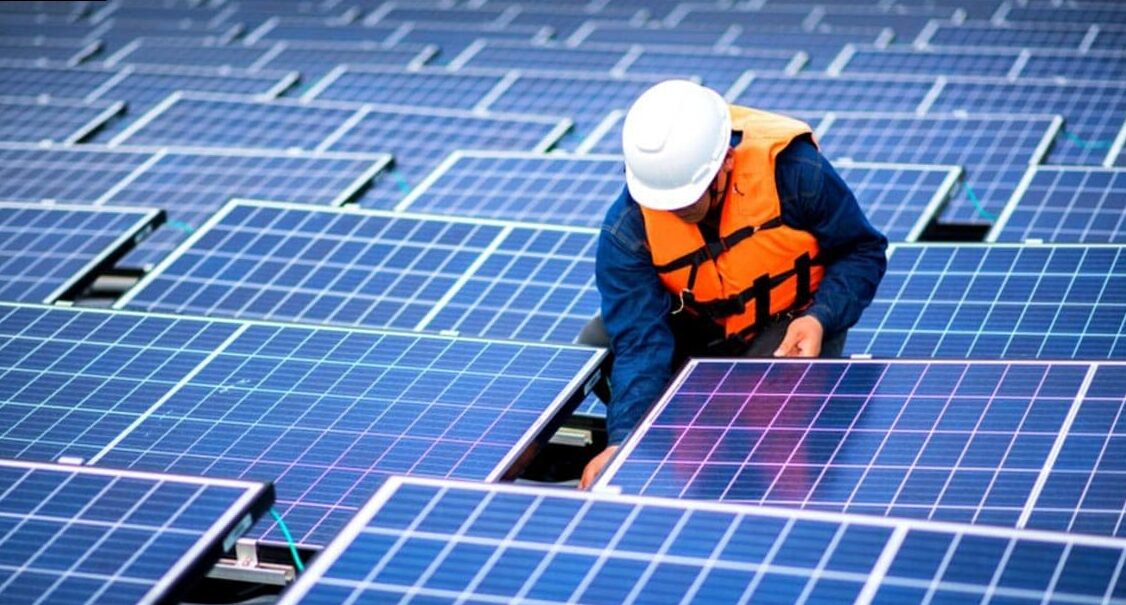
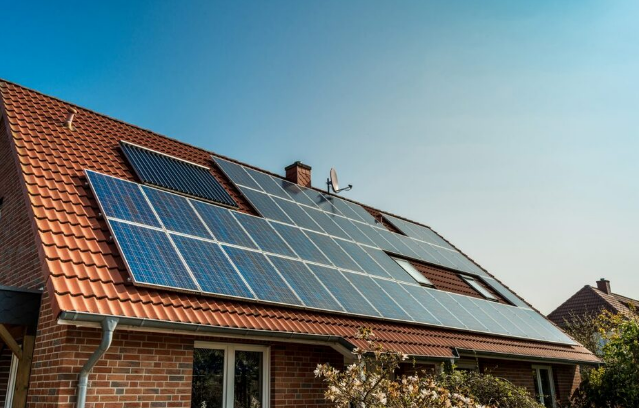
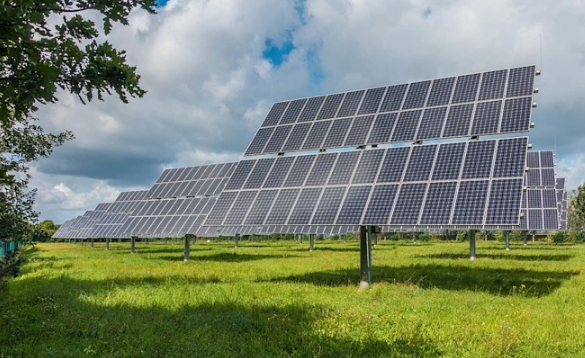
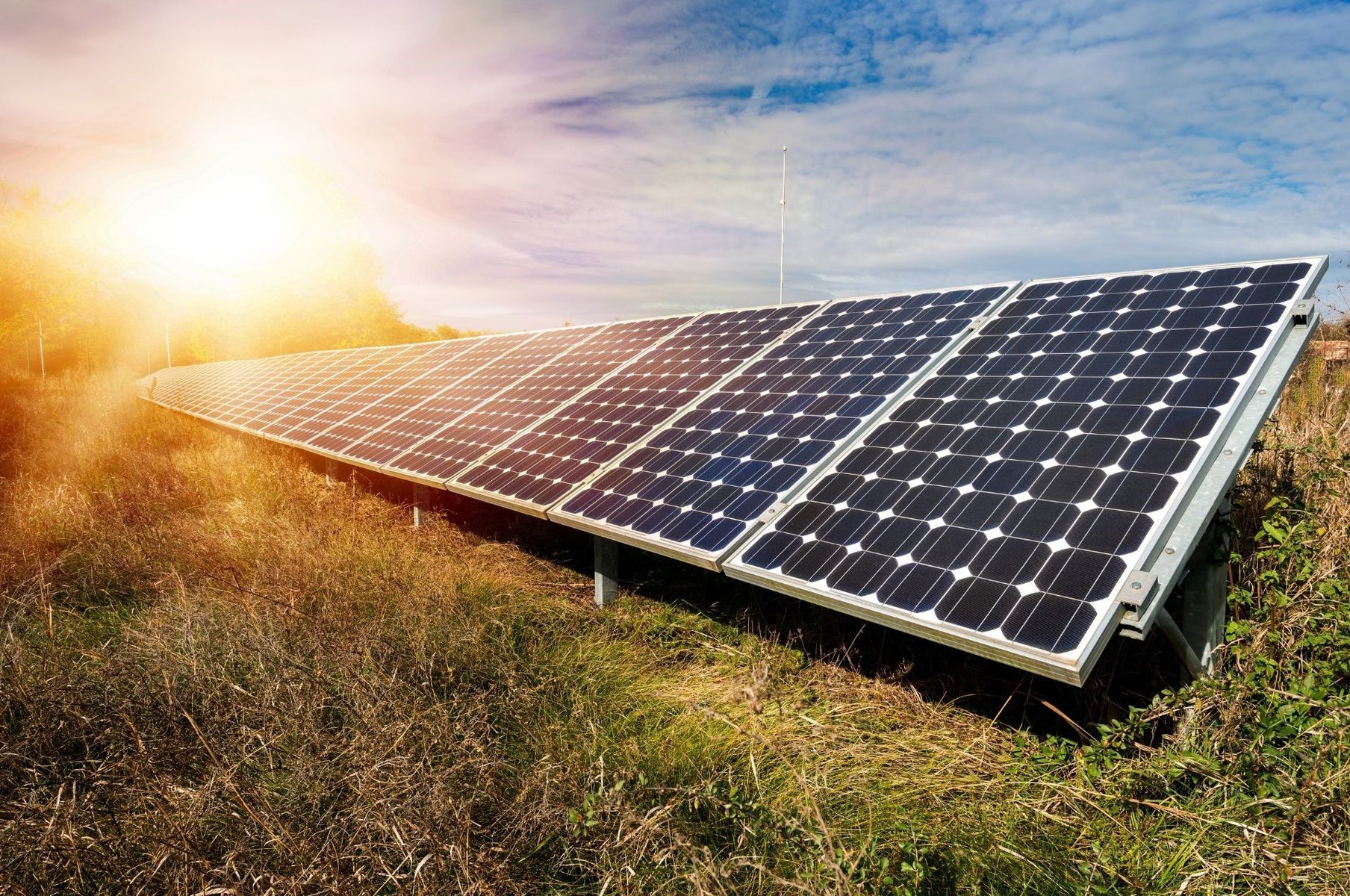
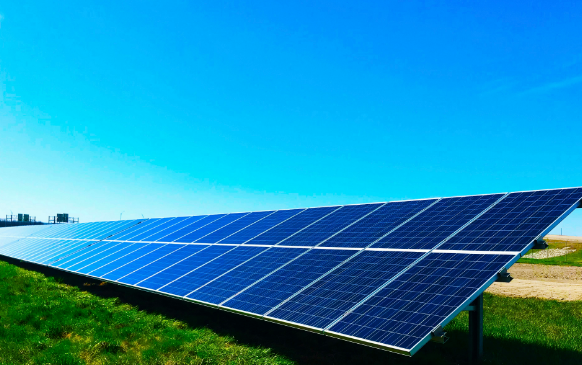
Solar energy is an inexhaustible resource that can be transformed into electricity through photovoltaic panels. They are mounted on the ground or on the roof of a building, capture solar radiation and thus produce green electricity.
Using solar energy to produce electricity is also environmentally friendly. The process does not involve the combustion of fuels, as occurs with conventional methods.
Solar energy is also affordable. Even if you now use conventional energy, supplied by a distributor, it is very simple to change it. We can help you with information on photovoltaic panels, but also with their installation and project implementation. Solar energy also gives you the opportunity to become your own electricity producer. This way you will no longer be dependent on an energy supplier/distributor.
So using solar energy is sustainable, it turns you into your own producer and gives you security in a context based on uncertainty. Conventional energy, on the other hand, may appear cheaper in the short term. In the long term, however, it does not bring economic benefits, but, on the contrary, losses. It produces negative changes in the environment and is becoming a growing problem due to the exhaustible resources needed to produce it.
Conclusion
Electricity is an essential part of modern life, powering homes, businesses, transportation, healthcare, and countless technologies that support our daily activities. While many people rely on electricity every day, fewer are aware of the different methods used to generate it. Traditionally, much of the world’s electricity has been produced from fossil fuels such as coal, oil, and natural gas. Although these energy sources have supported economic development for decades, they also contribute significantly to greenhouse gas emissions, air pollution, and the depletion of finite natural resources.
Renewable energy offers a cleaner and more sustainable alternative. Sources such as solar, wind, hydropower, and other renewable technologies generate electricity by harnessing naturally replenished resources that are available year after year. Unlike fossil fuels, renewable energy systems produce little or no harmful emissions during operation, making them an important solution for reducing environmental impact while meeting growing global energy demand.
One of the greatest advantages of renewable electricity is its long-term sustainability. Sunlight, wind, and flowing water are abundant natural resources that can provide reliable energy without the environmental consequences associated with conventional power generation. Continuous technological advancements have made renewable energy systems more efficient, affordable, and accessible, encouraging households, businesses, and governments to invest in cleaner energy infrastructure.
The transition toward renewable electricity also delivers important economic benefits. Lower operating costs, greater energy independence, and protection against fluctuating fuel prices make renewable technologies increasingly attractive for both residential and commercial users. In addition, expanding the renewable energy sector creates employment opportunities, stimulates technological innovation, and supports sustainable economic growth across numerous industries.
As electricity demand continues to increase worldwide, diversifying energy production through renewable sources will become even more important. Modern power systems increasingly combine multiple clean energy technologies with battery storage, smart grids, and advanced energy management systems to improve reliability and efficiency. These innovations allow renewable electricity to play a larger role in supplying stable, secure, and environmentally responsible energy.
Ultimately, understanding how electricity is produced highlights the importance of transitioning toward cleaner and more sustainable energy sources. Renewable energy provides an effective pathway for reducing carbon emissions, protecting natural resources, and ensuring long-term energy security. By investing in renewable technologies today, individuals, businesses, and governments contribute to a future where electricity generation is not only reliable and affordable but also environmentally responsible, supporting healthier communities and a more sustainable planet for generations to come.
latest posts published

About new generation thermodynamic solar systems
Solar panels and minimalist design: how to integrate them into modern architecture
The impact of solar energy on the energy market landscape

How to choose the right electric scooter for my lifestyle
Innovative solutions to monetize the energy of domestic solar panels
What is the difference between prosumer and producer of electricity
Solar panels for your business, profitable or not?
Solar panels for charging electric vehicles
Renewable solar energy: clean and healthy future