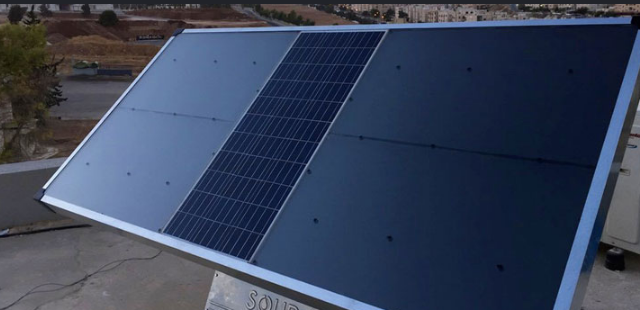

Have you ever thought about how solar panels turn sunlight into electricity? The method is not as difficult as it looks. It all begins with photovoltaic cells, which are the main parts of any solar panel.
These cells are created from semiconductor substances, mostly silicon. When sunlight strikes the cell, photons free electrons from the structure of the semiconductor material. This creates an electric field, with electrons moving in one direction and the remaining holes shifting in the opposite direction. At the ends of the cell, there are electrical contacts that gather electrons and holes, thus producing direct current.
Single photovoltaic cells generate only a tiny amount of electricity, so they are linked together to create a solar panel. Solar panels usually have between 60 and 72 cells, all connected. The more cells the panel contains, the more energy it will produce. The direct current from the panel goes through an inverter to be changed into alternating current, which is used by most of our electrical appliances. The energy made by solar panels is one of the cleanest energy forms available today, as it does not directly emit carbon dioxide or other greenhouse gases (unlike fossil fuels, solar energy does not burn anything to create electricity, so it does not release harmful emissions). Energy from solar panels has little effect on the environment. They need very little land and can be placed on rooftops or unused land without harming valuable ecosystems.
How solar panels work
Solar energy depends on the endless power of the sun, unlike fossil fuels that are limited resources. The sun will continue to shine for another 5 billion years.
If you would like to learn more about the green energy producing power of solar panels, we’ll respond to you right away at Restart Energy.
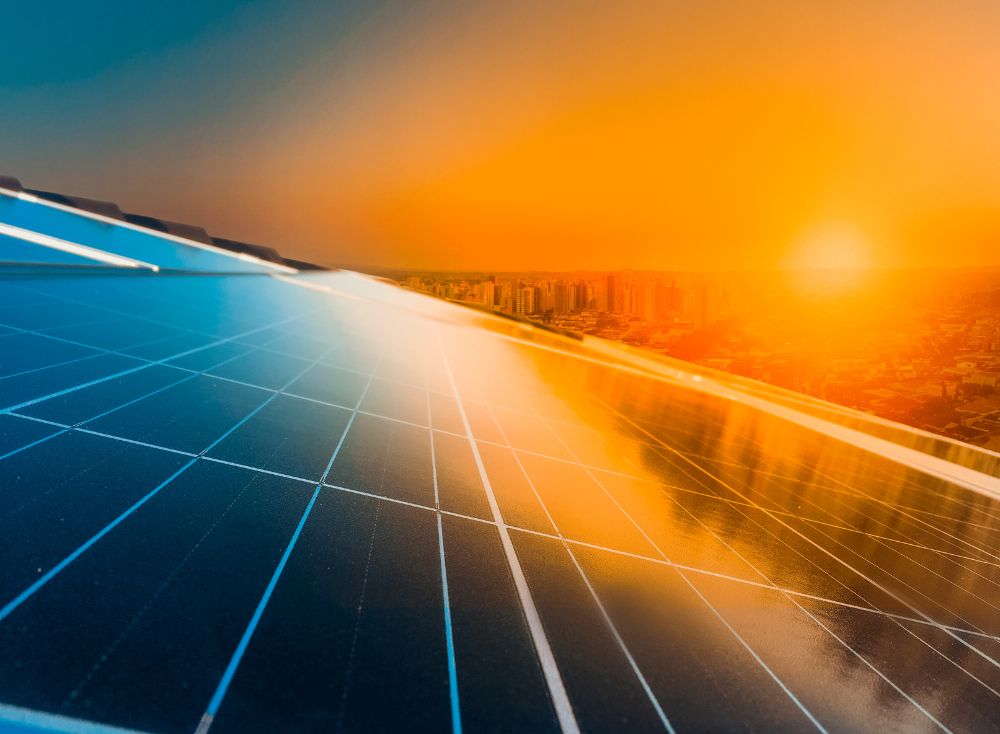
The energy produced by solar panels is one of the cleanest forms of energy available today, because it does not produce direct emissions of carbon dioxide or other greenhouse gases (unlike fossil fuels, solar energy burns nothing to produce electricity, so it does not generate harmful emissions). Energy from solar panels has minimal impact on the environment. They require very little land and can be installed on rooftops or degraded land without disturbing valuable ecosystems.
Solar energy relies on the unlimited power of the sun, unlike fossil fuels which are limited resources. The sun will continue to shine for another 5 billion years.
If you want to know more about the green energy generating power of solar panels, we’ll get back to you right away at Restart Energy.
Conclusion
Understanding the internal mechanics of a photovoltaic system reveals that the transition from sunlight to electricity is an elegant and highly efficient scientific process. As the text demonstrates, this complex energetic transformation relies entirely on photovoltaic cells, which serve as the fundamental building blocks of any solar panel installation. By leveraging the natural properties of specialized semiconductor materials—most notably silicon—these cells act as the microscopic engines of the renewable energy movement. This elegant mechanism allows society to harvest clean, infinite power directly from the sun, eliminating the need for moving mechanical parts or polluting combustion processes.
The physics behind solar generation depends on a precise sequence of atomic interactions that occur the moment sunlight strikes the panel’s surface. Sunlight is composed of tiny packets of energy called photons; when these photons collide with the silicon structure, they transfer their energy to the material’s bound electrons. This energetic impact knocks the electrons free from their atomic bonds, leaving behind corresponding spaces known as «holes.» Because the semiconductor is engineered with an internal electrical bias, a built-in electric field is established, forcing the freed, negatively charged electrons to stream in one direction while the positively charged holes move in the opposite direction.
This organized separation of electrical charges is the exact mechanism required to generate usable energy. Specialized electrical contacts positioned at the outer boundaries of the photovoltaic cell collect these migrating electrons and holes, channeling the movement into a continuous flow of direct current (DC) electricity. This clean, silent generation process occurs simultaneously across billions of cells worldwide every day, serving as the starting point for residential, commercial, and utility-scale solar arrays before the power is ultimately inverted for standard grid utilization.
Ultimately, the mastery of the photovoltaic effect underscores why solar technology remains a cornerstone of the global green transition. By understanding that a solar panel is essentially a solid-state device that directly converts light into a flow of electrons, consumers and investors can better appreciate the inherent reliability and low maintenance requirements of these systems. This foundational science bridges the gap between natural solar radiation and practical infrastructure, providing a scalable, emission-free solution to the world’s expanding energy demands and paving the way for a sustainable, carbon-neutral future.
latest posts published

About new generation thermodynamic solar systems
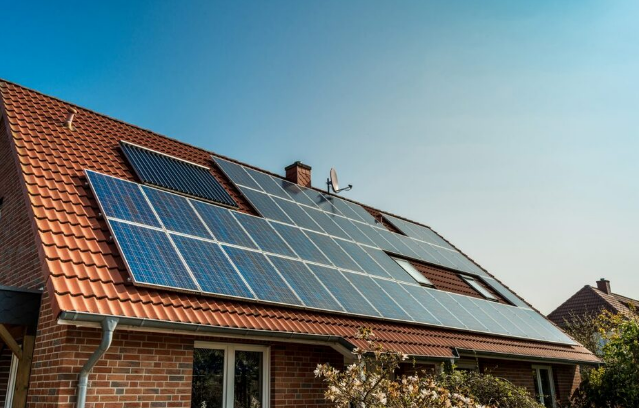
Solar panels and minimalist design: how to integrate them into modern architecture
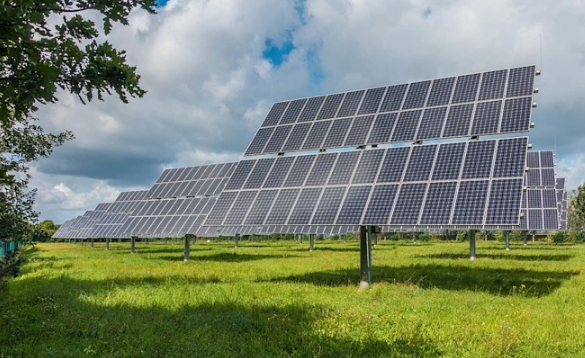
The impact of solar energy on the energy market landscape

How to choose the right electric scooter for my lifestyle

Innovative solutions to monetize the energy of domestic solar panels

What is the difference between prosumer and producer of electricity
Solar panels for your business, profitable or not?
Solar panels for charging electric vehicles
Renewable solar energy: clean and healthy future