If you want a solar energy system for your home, you will also need to find a solar controller that matches the efficiency and lifespan of your setup. The solar controller, or charge regulator, oversees the energy generated by the solar panels and charges the battery of your system. Here are the things to think about when buying this device!
Determine the kind of solar controller you require!
Before picking a solar controller for your PV system, it is important to learn about the two primary types of solar controllers: PWM and MPPT.
PWM solar controllers they tend to be less expensive and work well for small solar setups. They function effectively when the voltage of the solar panels and battery is the same. However, their effectiveness can be limited in extreme weather or when the voltage of the solar panels is much higher than that of the battery.
MPPT solar controllers they are more effective and can manage a wider variety of voltages. They can capture the maximum power possible from solar panels, leading to better efficiency. However, they are generally more costly than PWM solar controllers.
Depending on the specific needs of your solar energy system, one kind of solar controller may be a better fit than the other. The following advice can assist you in finding these needs:
System size: If you own a small solar setup (under 500W), a PWM solar controller may be enough. For larger systems (over 500W, often between 1,000W and beyond), an MPPT solar controller may be a more suitable option.
Solar panels and battery voltage: Verify the voltage of your solar panels and battery and select a controller that can manage this voltage. For instance, if your system voltage is 12V or 24V, it is advisable to go with a PWM controller. If your system voltage is 24V or 48V, choose an MPPT solar controller instead!
Other aspects: These may include weather, efficiency, costs, and growth possibilities.
Check the technical details of the solar panels!
The first thing to remember is the rated power (W) of solar panels. This indicates the amount of energy the solar panel can produce under perfect conditions. For instance, if you have a 100W solar panel, the controller you select must be capable of handling this power to operate effectively. If the controller cannot manage the power of the panels, it may become overloaded, leading to a reduction in the efficiency of the solar system.
The next important element is panel voltage (Vmp). This should be compatible with the voltage range supported by the solar controller. If the solar panel voltage is too high or too low for the controller, it will not be able to work correctly, which may cause the solar system to drop in efficiency.
The third thing to remember is short circuit current (Isc) of solar panels. This shows the maximum current that can be generated by a solar panel in perfect conditions. The solar regulator you select must be able to handle this current; if not, it could be overloaded or possibly harmed.
Choose a controller that can handle battery voltage and capacity!
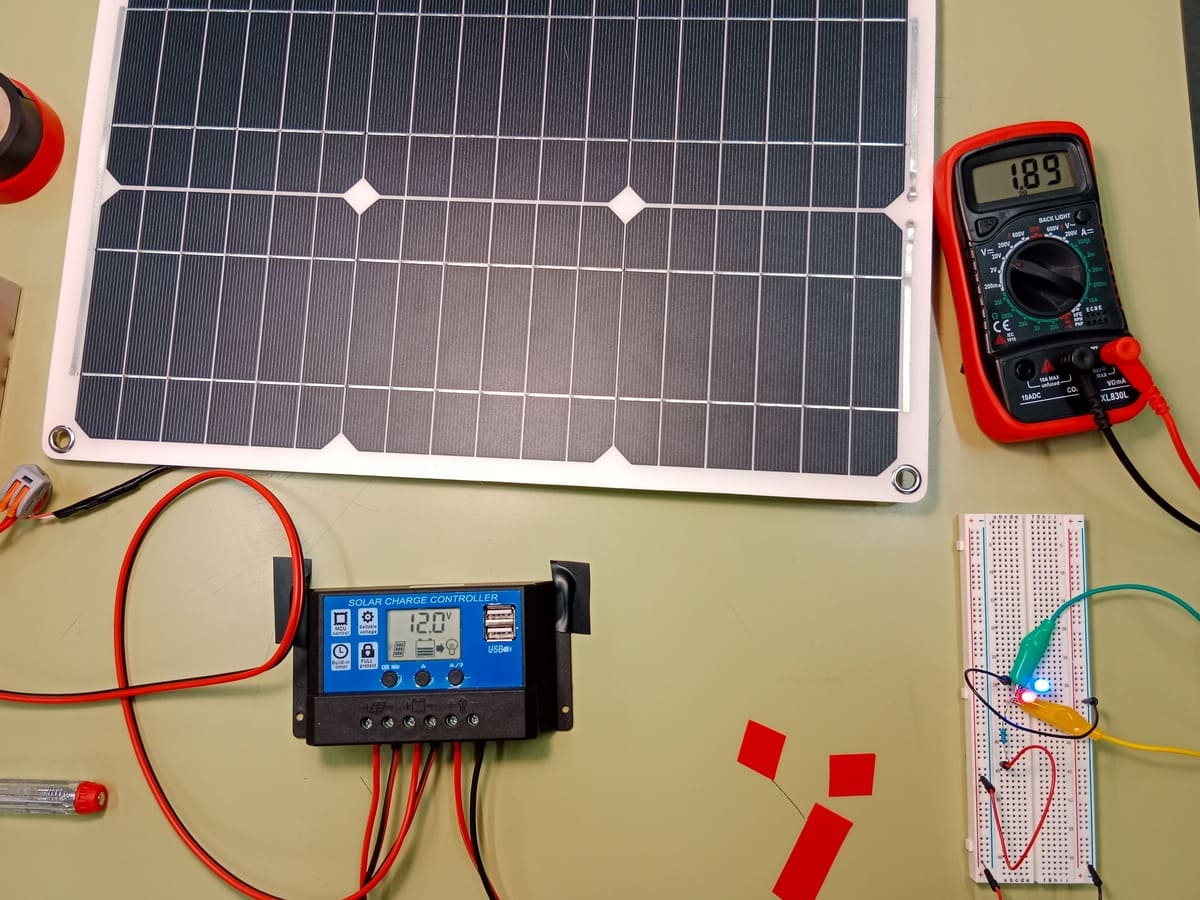
The solar controller is responsible for efficiently managing the voltage and capacity of the battery. It must be able to manage the input voltage of the solar panels and adapt it to the charging voltage of the battery to avoid overcharging and damaging it. Furthermore, the controller must be able to manage the battery capacity to ensure maximum life and efficiency of the PV system.
- Lithium ion batteries they are known for their high energy density and long life, but require a specialized controller to properly manage the charging process.
- AGM and lead acid batteries they are less energy efficient, but tolerate voltage variations better and can be managed by multiple standard controllers.
There are controllers that are optimized for lithium-ion batteries and can significantly improve their performance and lifespan. In general, using a controller optimized for your battery type can result in greater system efficiency and longer battery life.
Calculate the maximum current required!
If a controller cannot handle the panels’ maximum current, there can be significant power loss or even potential damage to the system. To calculate the required current, the formula is used:
I = P/V
In this formula:
- I represents the required current (in amperes);
- P represents the power of the panel or the entire system (in watts);
- V represents the system voltage (e.g. 12V, 24V).
If you have one photovoltaic system from 1000W to 24V:
The required current: I = 1000/24 = 41.6 A.
The recommendation in this case is a at least one 50A MPPT controllerfor a safety factor.
Add a 20-25% safety factor to full capacity!
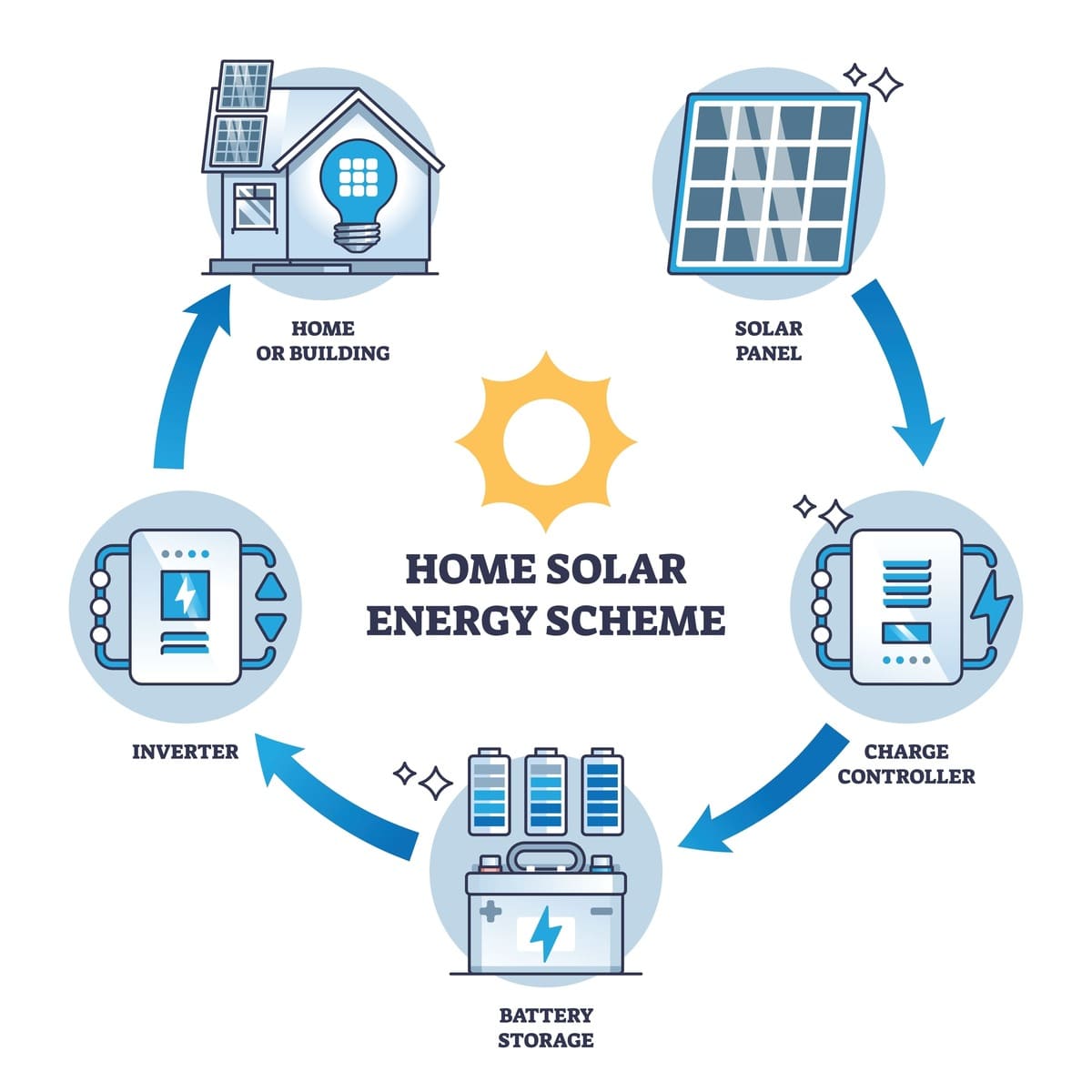
Oversizing the solar controller by 20-25% of maximum capacity is a safety strategy. This gives you a buffer for unexpected changes or increases in power output. After all, weather and light conditions can vary, and solar panels can sometimes produce more energy than expected.
Before adding this safety factor, you must correctly calculate the maximum current required by your photovoltaic system. This is essential to determine the exact controller capacity required.
After adding the safety factor to the calculated capacity, you need to choose a controller that can handle this oversized capacity. For example, if the required current is 40A, you should choose a 50A controller.
Choose a solar controller with additional functions!
Finally, here are some valuable additional features you can find on solar controllers:
- Timers: They can be set to start and stop charging at specific time intervals, saving energy and extending battery life.
- Temperature sensors: they monitor the temperature of the batteries and regulate the charge accordingly, preventing overheating and ensuring efficient charging.
- Selective charging functions: allow the controller to direct power to the devices that need it most, improving system efficiency.
If the selection process becomes too complex or if you have any doubts, do not hesitate to contact us! We can give you personalized advice and guide you through the selection process.
latest posts published
About new generation thermodynamic solar systems
Solar panels and minimalist design: how to integrate them into modern architecture
The impact of solar energy on the energy market landscape
How to choose the right electric scooter for my lifestyle

Innovative solutions to monetize the energy of domestic solar panels
What is the difference between prosumer and producer of electricity
Solar panels for your business, profitable or not?
Solar panels for charging electric vehicles
Renewable solar energy: clean and healthy future