One of the most important trends in the renewable energy industry is the continued development and improvement of solar and wind energy. Technological advances have made green energy more competitive with traditional energy sources. These renewable energy sources are increasingly widespread around the world. The future of renewable energy appears bright, with forecasts and trends indicating continued growth and progress in the sector.
The world is trying to move away from fossil fuels and towards a cleaner and more sustainable energy future. At the same time, renewable energy technologies are expected to play an increasingly important role. In fact, it is estimated that renewable energy sources could provide up to 80% of the world’s electricity by 2050. In addition to solar and wind energy, other renewable energy sources such as geothermal, hydroelectric and bioenergy are also expected to play a greater role in the energy mix in the coming years. The growth of renewable energy is not only driven by environmental concerns, but also by economic factors. Green energy technologies continue to improve, becoming more efficient and cost-competitive.
5 predictions for the future of renewable energy
Renewable energy has become an essential part of the energy mix and is expected to play an even more important role in the future. Here are seven predictions for the future of renewable energy.
- Solar energy will continue to dominate in the coming years. Further technological advances and cost reductions are expected in the future.
- Energy storage will become more important. This will allow renewable energy to be integrated into the grid.
- Offshore wind energy will become more widespread. Advances in technology and infrastructure will allow for larger and more efficient wind turbines.
- Decentralized energy systems will become more common. For example, microgrids and solar panels will become more widespread. This will allow for greater energy independence and security.
- Renewable energy will be cheaper people around the world, especially in developing countries.
Green Energy: Trends in a Rapidly Advancing Industry
Below are some of the major trends in the field of renewable energy.
- Solar energy is the fastest growing renewable energy source. Costs continue to fall and technology improves to make it more efficient and versatile.
- The electrification of transportation, along with the growing use of electric vehicles, is driving demand for renewable energy. This trend is expected to continue as governments around the world set ambitious goals to reduce greenhouse gas emissions. -The use of artificial intelligence will optimize energy use and improve energy efficiency. These trends are driving the growth of the green energy sector and helping to reduce our dependence on fossil fuels while creating a sustainable future.
Conclusion
The future of renewable energy is becoming increasingly promising as technological innovation continues to transform the global energy landscape. Solar and wind power have emerged as two of the fastest-growing renewable energy sources, offering cleaner, more efficient, and increasingly affordable alternatives to conventional fossil fuels. As governments, businesses, and consumers prioritize sustainability and energy security, renewable technologies are expected to play a central role in meeting the world’s future electricity demand while supporting global climate objectives.
One of the key drivers behind this growth is continuous technological advancement. Modern solar panels and wind turbines are significantly more efficient, reliable, and cost-effective than previous generations. Improvements in energy conversion, manufacturing processes, smart monitoring systems, and energy storage technologies have made renewable energy projects more financially attractive and operationally efficient. As research and development continue, future innovations are likely to further increase performance while reducing installation and maintenance costs.
Economic factors are also accelerating the adoption of renewable energy. Declining equipment prices, favorable financing options, and government incentives have made solar and wind power accessible to a wider range of residential, commercial, and industrial users. At the same time, the long-term savings generated by renewable energy systems provide businesses and homeowners with greater protection against fluctuating electricity prices and rising energy costs, making clean energy a strategic investment rather than simply an environmental choice.
Another important trend is the integration of renewable energy with advanced digital technologies. Smart grids, battery energy storage systems, artificial intelligence, and real-time energy management platforms are improving the efficiency, flexibility, and reliability of renewable power generation. These innovations enable better balancing of electricity supply and demand while facilitating the integration of distributed energy resources into modern power networks.
From an environmental perspective, the expansion of renewable energy contributes significantly to reducing greenhouse gas emissions, improving air quality, and decreasing dependence on finite fossil fuel resources. Widespread adoption of clean energy technologies supports international efforts to combat climate change while promoting sustainable economic development and responsible resource management. As environmental awareness continues to grow, renewable energy will become an increasingly important component of national and global energy strategies.
Ultimately, the renewable energy sector is entering a period of sustained growth driven by innovation, economic competitiveness, and increasing global demand for clean electricity. Solar and wind energy, supported by continuous technological progress and modern energy infrastructure, are well positioned to become the foundation of future power systems. Investing in renewable energy today not only delivers long-term financial and environmental benefits but also helps build a more resilient, sustainable, and energy-secure future for generations to come.
latest posts published
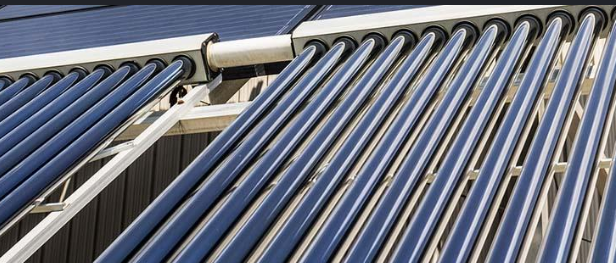
About new generation thermodynamic solar systems
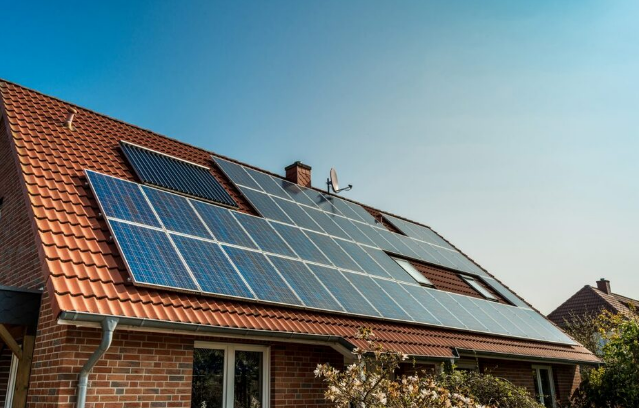
Solar panels and minimalist design: how to integrate them into modern architecture
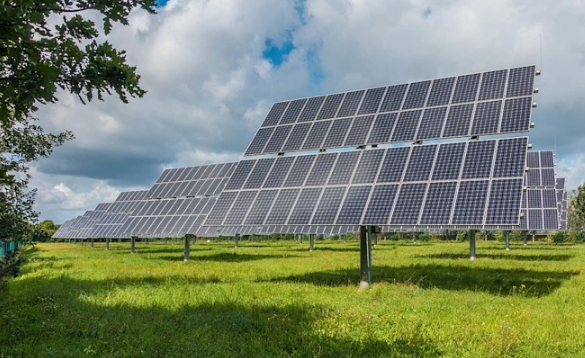
The impact of solar energy on the energy market landscape

How to choose the right electric scooter for my lifestyle
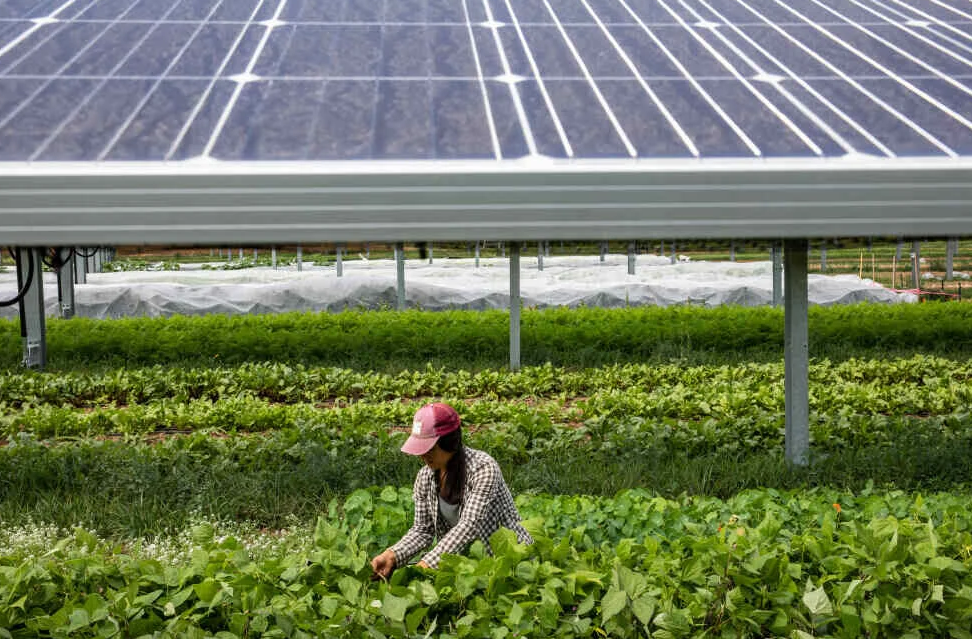
Innovative solutions to monetize the energy of domestic solar panels

What is the difference between prosumer and producer of electricity
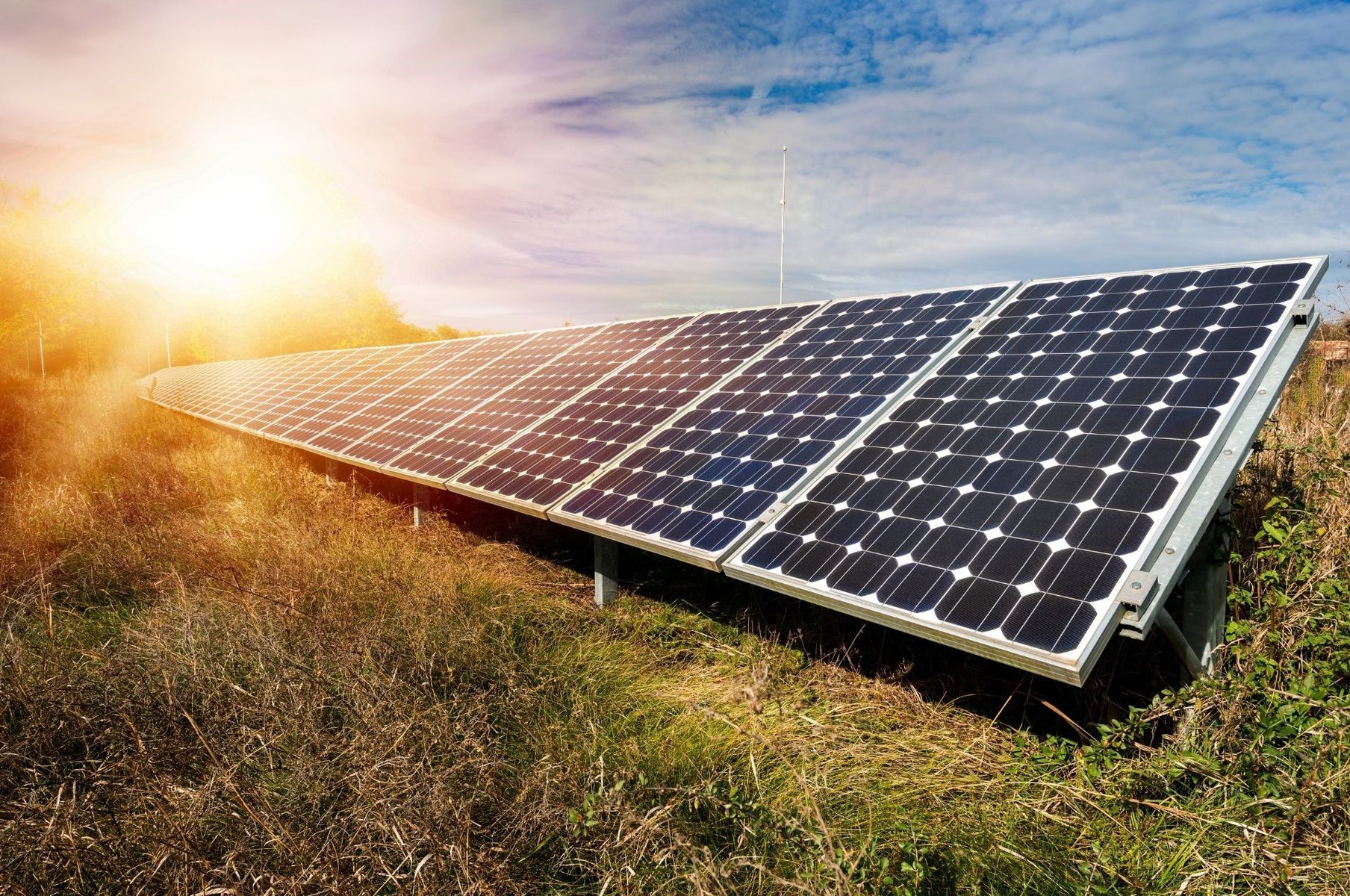
Solar panels for your business, profitable or not?
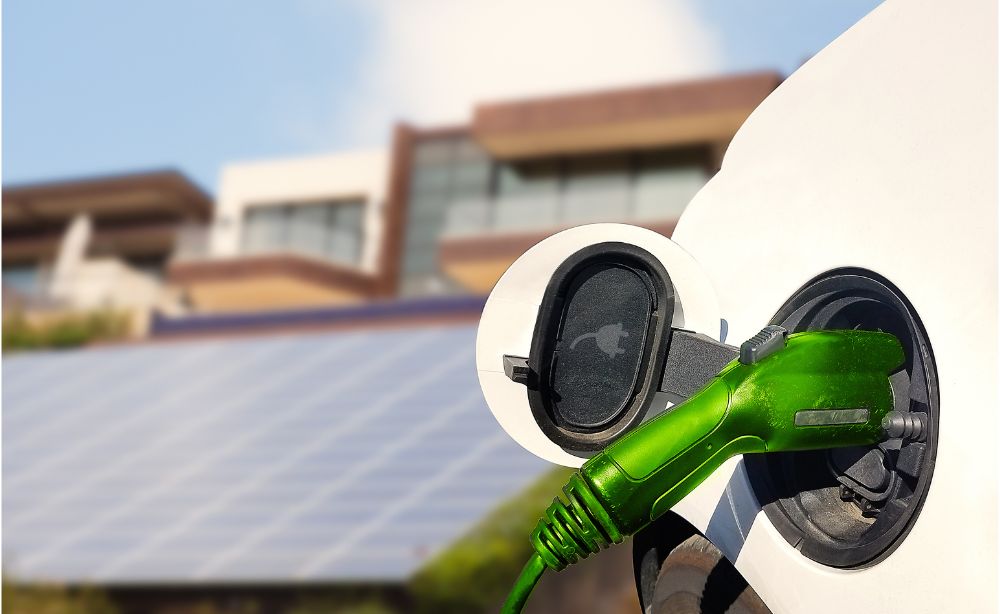
Solar panels for charging electric vehicles
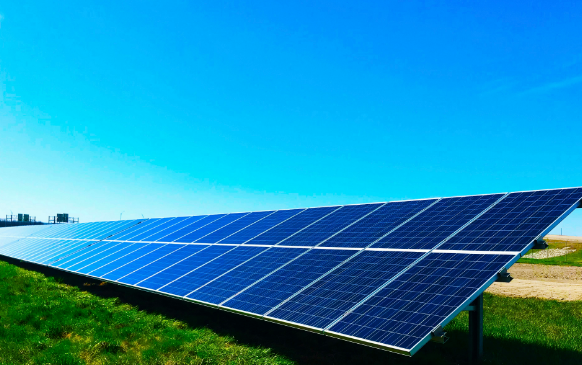
Renewable solar energy: clean and healthy future