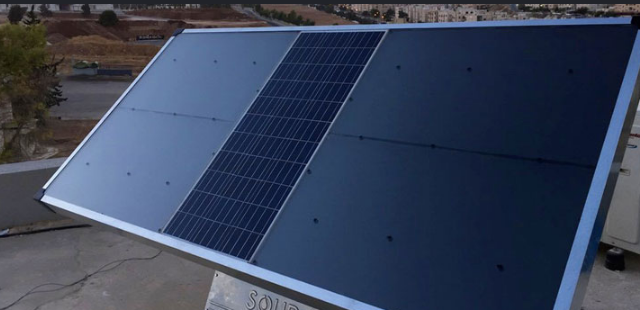
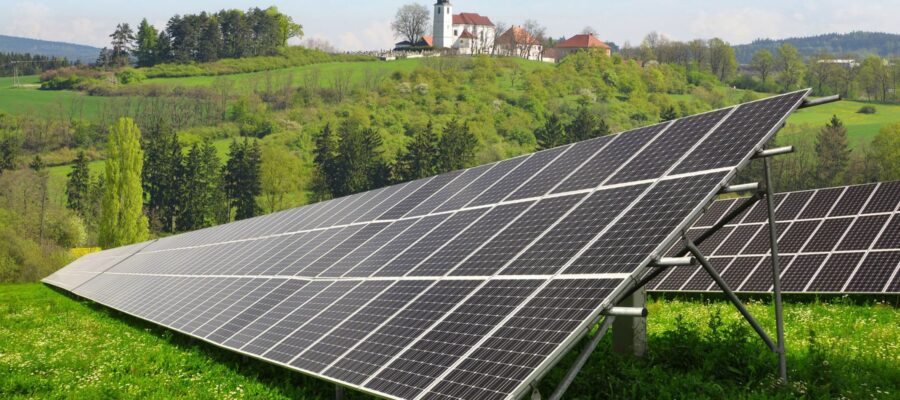
According to investors, the next wave of solar energy opportunities will be perovskite cells, agrivoltaics and robotics. The good news is that solar energy production has increased this summer in Europe. Specialists predict that the renewable energy sector will have an upward trend until 2050 and that solar energy will be the main source of energy. Not only does solar energy reduce your bills and greenhouse gas emissions, but it doesn’t generate harmful pollutants and toxins.
Green energy has become increasingly affordable in recent years. Today, everyone has access to high-performance, high-quality solar panels. Costs have fallen by at least 90% since 2010. An important element driving the expansion of solar energy globally is public awareness. People are now increasingly informed about the enormous benefits of solar energy. Therefore, investment in renewable energy will continue as public awareness and support increases.
Agrivoltaics, a sector that is gaining more and more ground
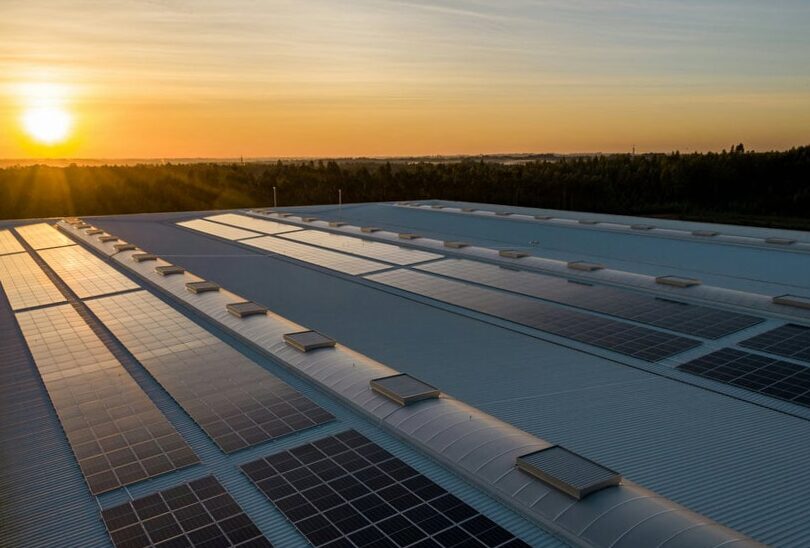
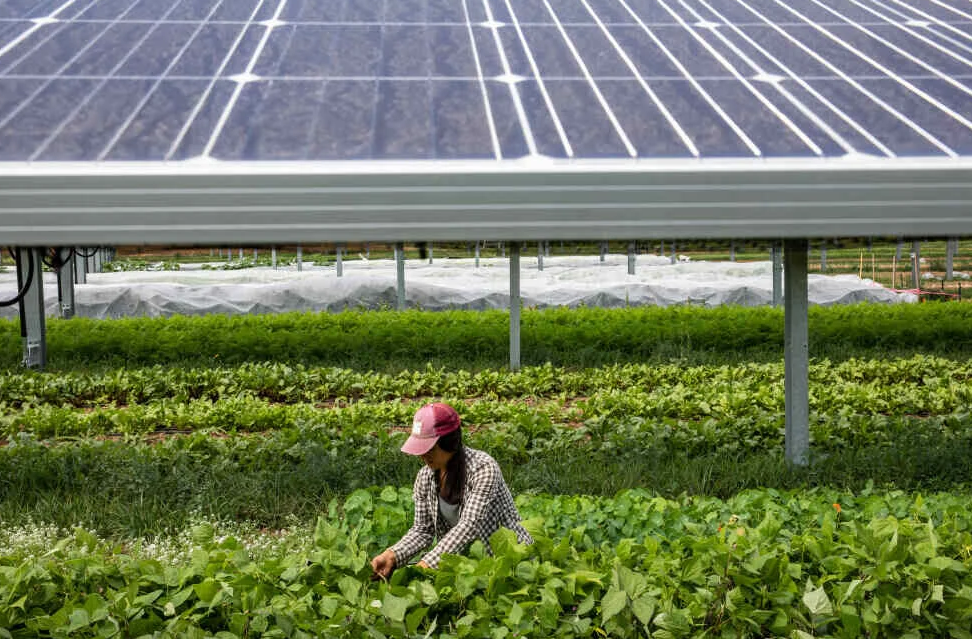
Investors around the world have already taken the plunge into solar energy. The field that is gaining more and more ground is agrivoltaics (agrivoltaics, in English lb.). Agrosolar or agrivoltaics involves the simultaneous use of land surfaces for both photovoltaic solar energy generation and agriculture. Agricultural land is more suitable for solar parks in terms of efficiency. The greatest profit can be generated by the solar industry by replacing agricultural land with solar panel fields, instead of using barren land. More conventional systems install fixed solar panels above crops in the open field or between crops. You can optimize the installation by changing the density of the solar panels or their inclination.
Solar energy opportunities with perovskite solar cells
One of the fastest growing solar technologies is perovskite solar cells. To create perovskite solar cells, scientists used passivation of the active layer of the solar cell. This increased the cell’s efficiency and significantly improved its stability. This method has been considered one of the most successful strategies to eliminate defects in perovskite materials and their negative effects. The passivated surface of the perovskite becomes more resistant to environmental conditions such as temperature or humidity.
5 solar technologies of the future
Researchers recently identified five solar technologies that will have the greatest impact on the solar industry in the coming years.
- Floating solar farms they are cheaper to install. They can produce more energy than terrestrial solar panels thanks to the cooling effect of water.
- Solar technology integrated into the building allows the integration of solar panels into the architecture of a building.
- Solar skins (solar enclosures) involve customizing the photovoltaic for an aesthetic appearance.
- Solar fabrics sau ”solar fabrics” means clothing capable of generating solar energy while we are in motion.
- Solar noise barriers they can be used on roads and highways to generate solar energy while reducing noise pollution.
Conclusion
The renewable energy industry is entering a new era of innovation, with emerging technologies set to redefine how clean electricity is generated, managed, and distributed. Advances in perovskite solar cells, agrivoltaic systems, automation, and robotics are expanding the possibilities of solar energy, making it more efficient, affordable, and adaptable than ever before. These innovations are accelerating the global transition away from fossil fuels while creating new opportunities for businesses, governments, and households to embrace sustainable energy solutions.
Among the most promising developments are perovskite solar cells, which have attracted significant attention due to their potential for higher energy conversion efficiency and lower manufacturing costs. As research continues, these next-generation photovoltaic technologies could complement or even enhance conventional silicon panels, making solar energy more accessible to a broader range of users. At the same time, agrivoltaic systems demonstrate how renewable energy and agriculture can successfully coexist, allowing electricity generation and food production to share the same land while maximizing resource efficiency.
Robotics and artificial intelligence are also transforming the solar industry by improving installation, maintenance, and operational efficiency. Automated cleaning systems, drone inspections, predictive maintenance software, and intelligent monitoring platforms help optimize solar panel performance while reducing labor costs and minimizing downtime. These technological advancements increase system reliability and contribute to greater long-term returns for renewable energy investments.
The continued growth of solar energy production across Europe and other regions highlights the increasing competitiveness of renewable power. Declining equipment costs, supportive government policies, and growing environmental awareness have encouraged widespread adoption of solar technology across residential, commercial, and industrial sectors. As electricity demand continues to rise, renewable energy is expected to become the foundation of future energy systems, providing clean, reliable, and economically sustainable electricity on a global scale.
Perhaps the greatest advantage of solar energy is its positive environmental impact. Unlike conventional power generation, photovoltaic systems produce electricity without emitting greenhouse gases, harmful pollutants, or toxic by-products during operation. This contributes directly to improved air quality, reduced carbon emissions, and global efforts to mitigate climate change while protecting natural resources for future generations.
Ultimately, the future of renewable energy is driven by continuous innovation and increasing global commitment to sustainability. Emerging technologies such as perovskite cells, agrivoltaics, and robotic automation are shaping a more efficient and resilient solar industry capable of meeting future energy demands. As the transition toward clean energy accelerates, solar power is expected to become one of the world’s leading sources of electricity, delivering long-term economic, environmental, and social benefits while supporting a healthier and more sustainable future for all.
latest posts published
About new generation thermodynamic solar systems
Solar panels and minimalist design: how to integrate them into modern architecture
The impact of solar energy on the energy market landscape

How to choose the right electric scooter for my lifestyle
Innovative solutions to monetize the energy of domestic solar panels
What is the difference between prosumer and producer of electricity
Solar panels for your business, profitable or not?
Solar panels for charging electric vehicles
Renewable solar energy: clean and healthy future