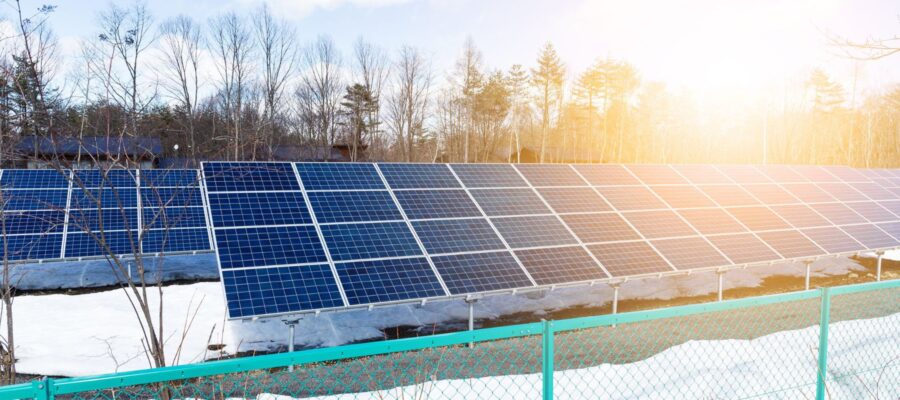
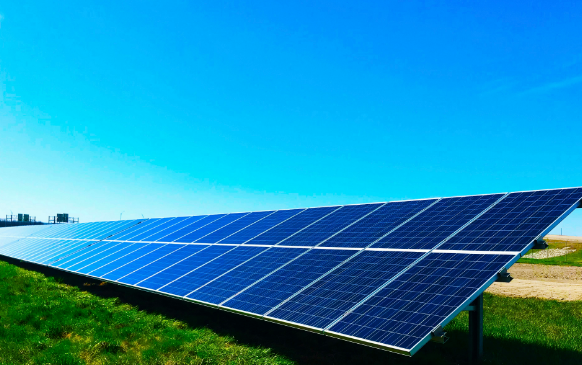
Green, renewable solar power functions by capturing the energy from the sun and converting it into electricity. One common question people ask is if solar panels operate during winter. The clear and truthful answer is: yes. Solar panels do not need warmth to generate electricity. In fact, cooler temperatures can enhance the efficiency of solar cells.
For solar panels to work properly, the direction and angle of their setup are crucial. During winter, the panels should be installed as far south as they can be to collect as much sunlight as possible. At the same time, keeping photovoltaic panels well-maintained is very essential. They should be kept clean, cleared of snow, and in good shape. The maintenance routine also involves checking the connections regularly and cleaning them periodically.
Do photovoltaic panels work in winter?
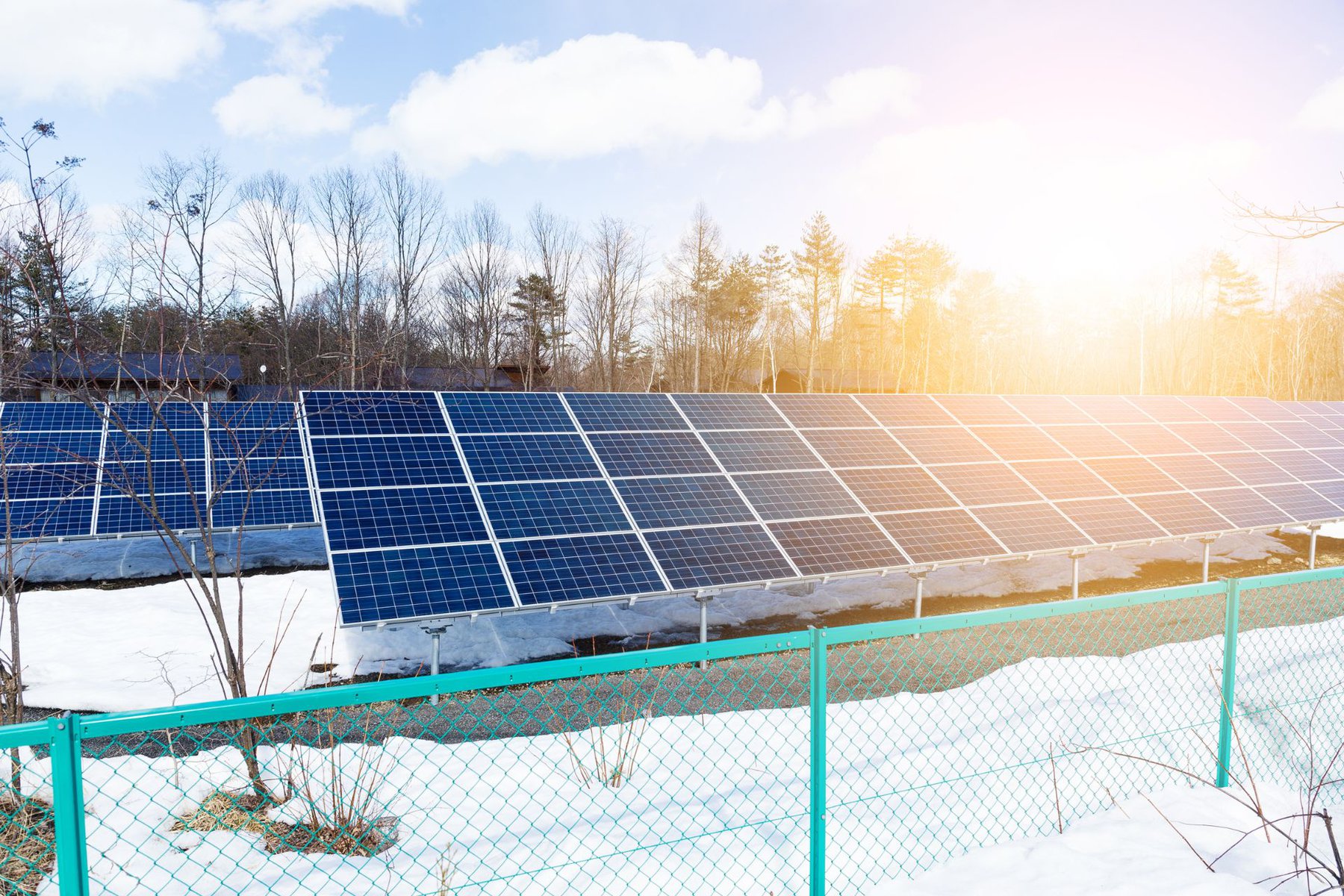
As we already know, cold weather does not have a negative impact on the performance of a solar panel. Specialists, on the contrary, are of the opinion that photovoltaics work better at low temperatures. However, snow cover can affect the performance of photovoltaic panels in winter. A thin layer of snow can be blown away by the wind, but a thick layer can be removed naturally, by melting in the sun, or manually, with the help of a special brush. It’s no secret that in winter the amount of natural light is less than in summer. Although this reduces the time a solar panel operates at maximum efficiency, the amount of sunlight available in most regions is more than enough to make investment in photovoltaics necessary. Regardless of the season, solar panels are a wise choice for both your home and any type of business.
How to properly maintain photovoltaic panels in winter
Here’s how to take care of your photovoltaic system the colder months.
- Keep them as clean as possible, free of snow and ice (if possible). In order for your solar panels to generate as much energy as possible during the winter, you need to keep them free of snow and ice.
- Conserve energy. Since solar panels produce less energy in the winter, you should do everything you can to reduce your energy consumption. The easiest way to do this is to use energy saving light bulbs. It is necessary to turn off the lights in rooms that are not used.
- Adjust solar panels! Some photovoltaic systems allow the angle of the panels to be adjusted. This fact can increase their production when the sun is lower in the sky. If you have adjustable panels, set the angle lower than normal, about 15 degrees.
Useful tips in the solar panel maintenance process
Solar panels do not require much maintenance throughout the year. But they need special attention in winter.
What to do:
- Carry out visual checks when you notice that the panels are producing less energy than usual.
- Get in touch with one of the professionals from the company you purchased the panels from, when you notice something wrong.
- Be patient! The deposited snow melts on its own within a few days. If you have easy access to the PV, use a soft brush.
What not to do:
- Do not use metal objects to remove snow! There is a risk of causing irreparable damage to the panels.
- Don’t go on the roof! It can be extremely dangerous. It would be better to turn to a team of professionals.
Contact one of the specialists Restart the power and find out what the advantages of solar energy are for your business!
Conclusion
Solar energy remains one of the most reliable and efficient renewable energy sources throughout the entire year, including the winter months. A common misconception is that photovoltaic panels require high temperatures to generate electricity, but in reality, they depend on sunlight rather than heat. As long as daylight reaches the solar cells, electricity can be produced efficiently, even when outdoor temperatures are low. In fact, cooler weather often helps photovoltaic systems operate more effectively by reducing heat-related efficiency losses.
One of the greatest advantages of solar technology is its ability to perform under a wide variety of weather conditions. Although energy production may decrease during shorter winter days or extended periods of cloud cover, solar panels continue to generate electricity whenever sunlight is available. Modern photovoltaic systems are designed to capture both direct and indirect sunlight, allowing them to maintain energy production throughout the year while providing a dependable source of renewable power.
Lower temperatures can actually improve the electrical performance of solar cells. Excessive heat increases electrical resistance within photovoltaic components, which can slightly reduce efficiency. During cooler seasons, solar panels often convert sunlight into electricity more efficiently, partially compensating for the reduced number of daylight hours. This characteristic demonstrates that climate alone does not determine the overall effectiveness of a solar energy system.
Proper installation and routine maintenance also play important roles in maximizing winter performance. Correct panel orientation and tilt help capture the greatest amount of available sunlight while encouraging snow, rain, or debris to slide off naturally. Periodic inspections and cleaning ensure that dirt, leaves, or accumulated snow do not obstruct sunlight, allowing the system to maintain optimal electricity generation throughout the colder months.
The year-round reliability of photovoltaic systems makes solar energy an excellent long-term investment for residential, commercial, and industrial applications. By producing clean electricity in every season, solar panels help reduce dependence on conventional energy sources, stabilize electricity costs, and support greater energy independence. Combined with battery storage systems, solar installations can provide even greater flexibility by storing excess electricity generated during sunny periods for later use.
Ultimately, solar panels are designed to deliver consistent performance regardless of the season. Winter conditions do not prevent photovoltaic systems from generating electricity, and cooler temperatures may even enhance their operating efficiency. As technology continues to advance, modern solar installations become increasingly capable of providing reliable, sustainable, and cost-effective energy throughout the entire year. Investing in solar power means benefiting from clean energy in every season while contributing to a more resilient, environmentally responsible, and energy-efficient future.
latest posts published
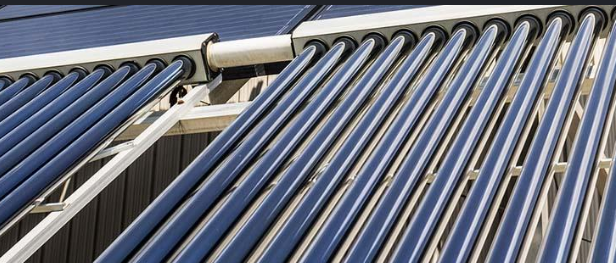
About new generation thermodynamic solar systems
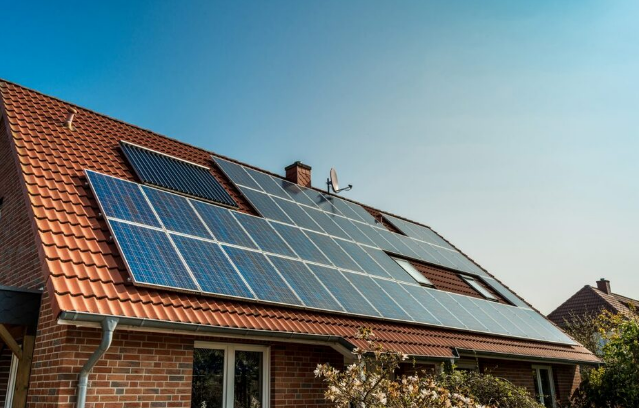
Solar panels and minimalist design: how to integrate them into modern architecture
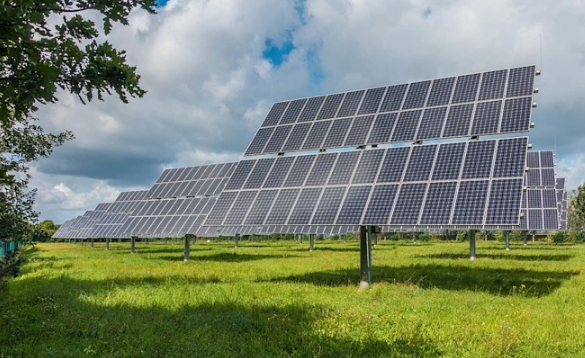
The impact of solar energy on the energy market landscape
How to choose the right electric scooter for my lifestyle
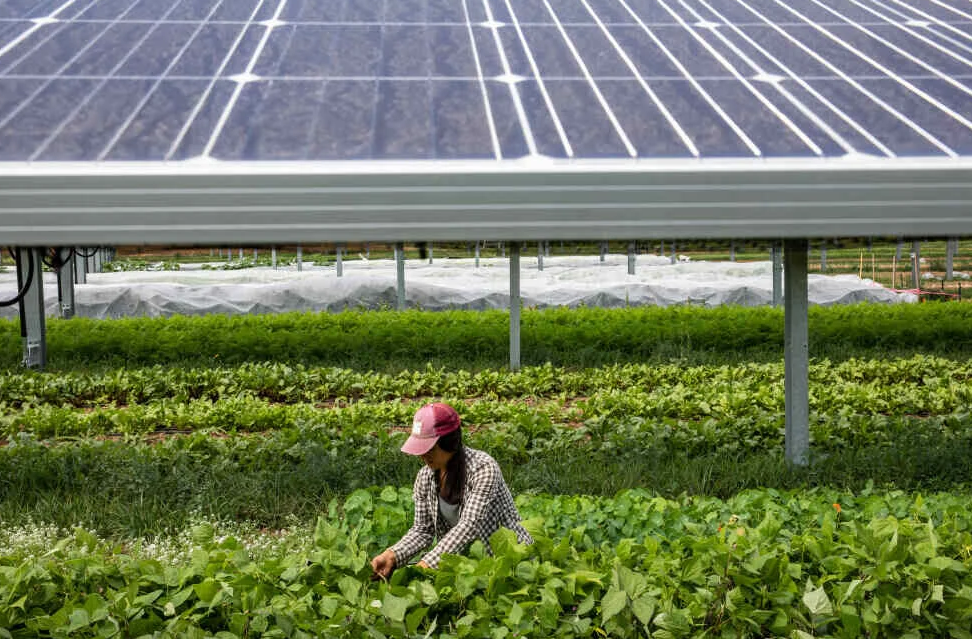
Innovative solutions to monetize the energy of domestic solar panels
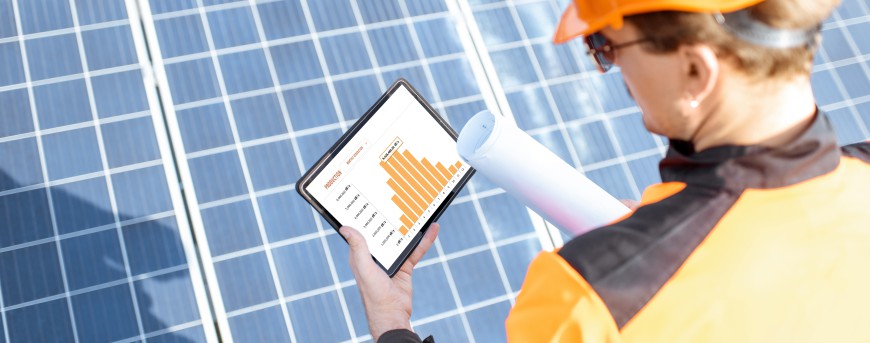
What is the difference between prosumer and producer of electricity
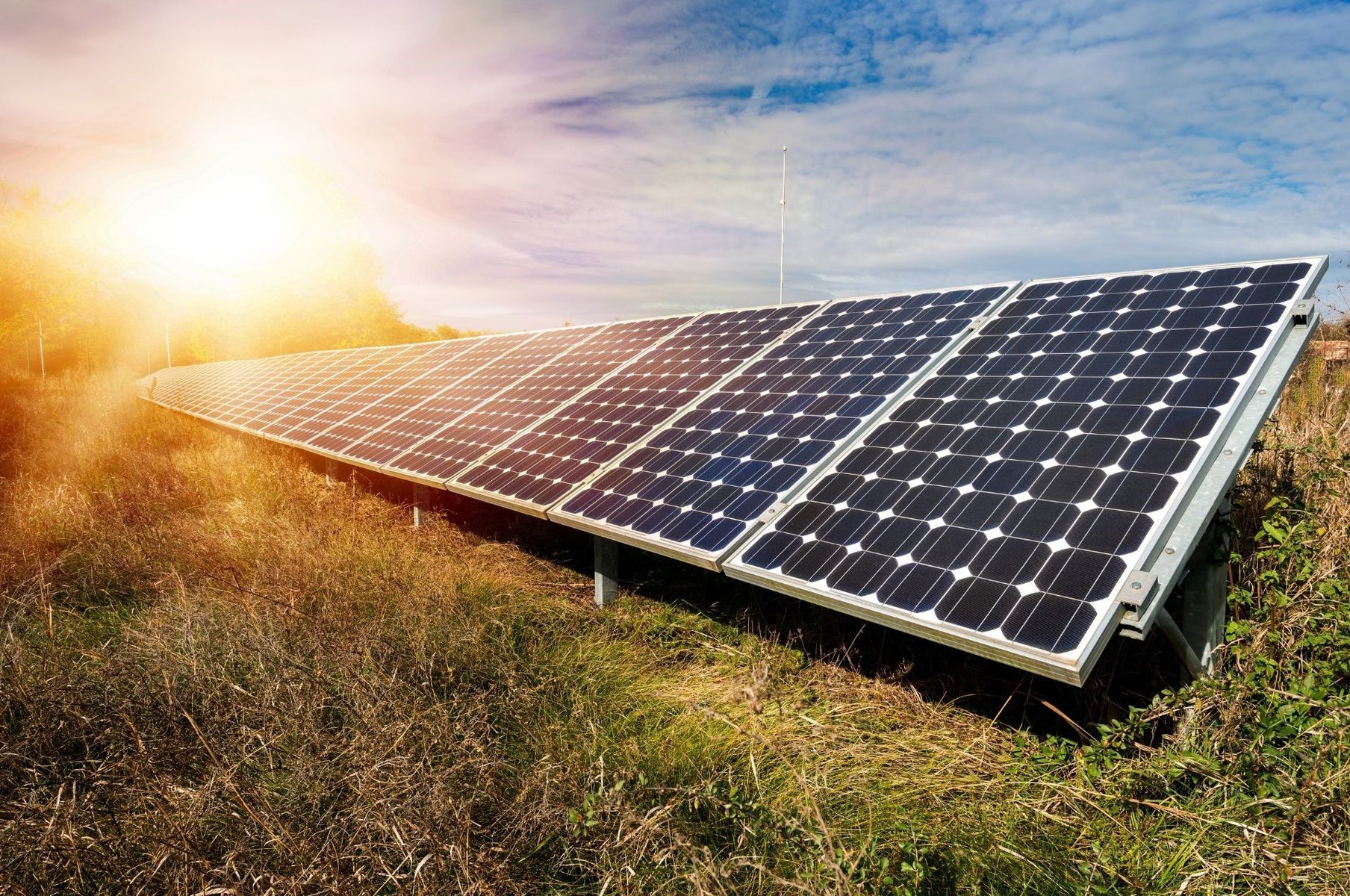
Solar panels for your business, profitable or not?
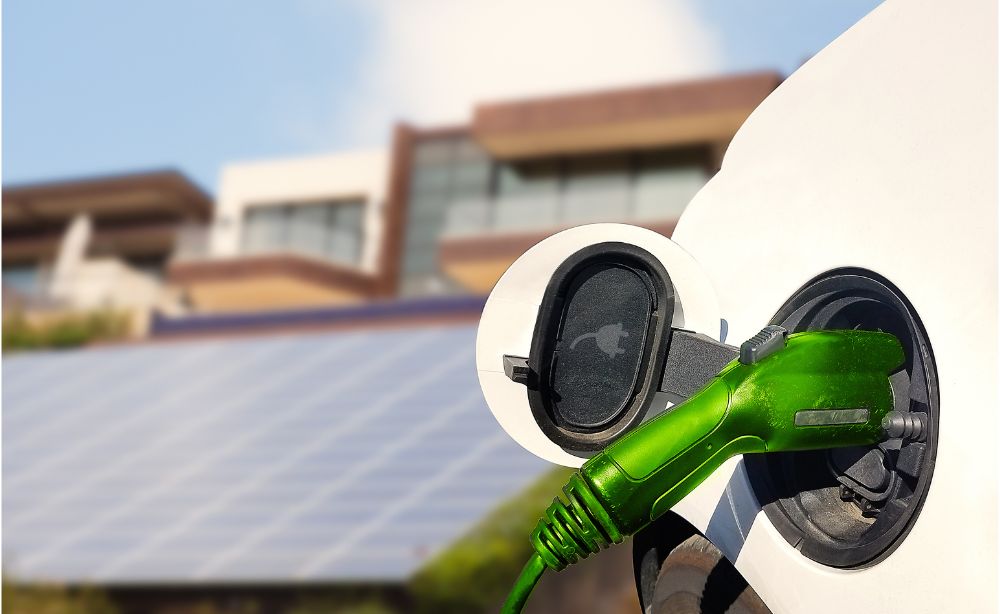
Solar panels for charging electric vehicles
Renewable solar energy: clean and healthy future