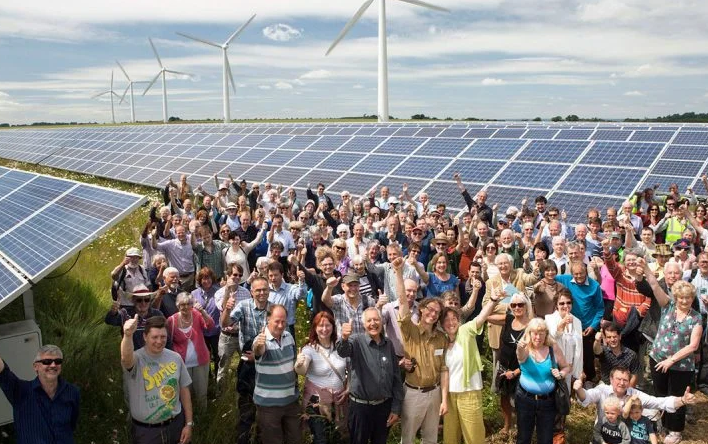
Often referred to as clean energy, renewable energy comes from natural sources or processes that are constantly renewed. Simply put, it is energy that comes from a source that will never run out. Examples of renewable energy sources include wind energy, solar energy, bioenergy, and hydropower, including tidal energy. Around the world, due to the desire to use non-polluting energy sources, the renewable energy community is constantly growing. This trend will continue in the coming years.
The European Green Deal includes a package of measures that should enable European citizens and businesses to benefit from a sustainable green transition. The main goal would be for Europe to become the first climate-neutral continent in the world by 2050. The use of renewable energy has many potential benefits, including a reduction in greenhouse gas emissions, diversification of energy supply and reduced dependence on fossil fuel markets (particularly oil and gas). Increasing renewable energy sources can also stimulate employment in the EU by creating jobs in new “green” technologies.
3 main types of solar energy and how we can use them
Solar energy is the cleanest and most abundant source of renewable energy available. Below are the three main types of solar energy.
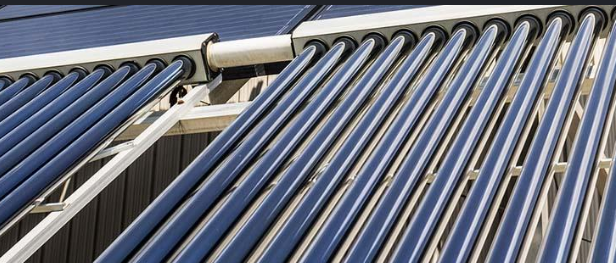
- Active solar energy. Active solar technologies use electrical or mechanical devices to actively convert solar energy into another form of energy, most often heat or electricity.
- Passive solar energy. Passive solar technologies do not use external devices. Instead, they take advantage of the local climate to heat structures in the winter and reflect the heat in the summer. Passive space heating occurs when the sun shines through the windows of a building and warms the interior.
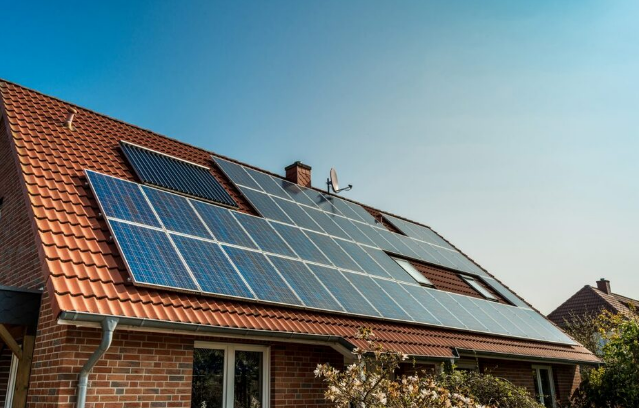
- Photovoltaic solar technology. The sun’s light energy can be converted directly into electricity in a single process using photovoltaic cells. A photovoltaic cell is a thin slab of photosensitive silicon material.
How solar energy works in 5 steps
Now comes the next question. How does solar energy work? Here are the steps in this process.
- Sunlight is absorbed by solar panels.
- The silicon and conductors in the panel convert the light into direct current (DC), which then passes into the inverter.
- The inverter converts direct current into alternating current (AC), which is used for your home or the building where your business operates.
- Excess electricity from your PV system flows through the building’s meter into the electricity grid for later use.
- Electricity is drawn from the grid when more energy is needed than is produced by the solar energy system.
Join the renewable energy community with Restart Energy!
Restart Energy offers free consultancy to customers for the analysis of solar potential, prepares the offer which also contains financing solutions, takes care of the design, approval, delivery and installation of the equipment as well as the operation and maintenance of the solar system. Supports Power Restart Romanian entrepreneurship. Our mission is to help our customers and partners optimize their business by reducing monthly bill costs.
Conclusion
Renewable energy has become one of the most important pillars of sustainable development and the global transition toward cleaner, more resilient energy systems. Unlike fossil fuels, renewable resources such as solar, wind, hydropower, tidal energy, and bioenergy are naturally replenished and capable of providing reliable electricity for generations to come. As concerns about climate change, environmental pollution, and energy security continue to grow, the adoption of renewable energy technologies is accelerating across the world, transforming the way electricity is produced and consumed.
One of the greatest advantages of renewable energy is its ability to reduce greenhouse gas emissions and minimize environmental impact. Clean energy technologies generate electricity without producing the harmful pollutants commonly associated with coal, oil, and natural gas. By replacing conventional energy sources with renewable alternatives, countries can improve air quality, protect ecosystems, and contribute to international efforts aimed at limiting global warming and preserving natural resources for future generations.
Beyond environmental benefits, renewable energy also offers significant economic advantages. Advances in technology have dramatically reduced the cost of solar panels, wind turbines, and energy storage systems, making clean energy more affordable and accessible than ever before. Businesses and homeowners can lower electricity costs, increase energy independence, and protect themselves from fluctuating utility prices, while governments benefit from greater energy security and reduced dependence on imported fossil fuels.
Continuous innovation is driving the expansion of the renewable energy sector. Improvements in photovoltaic efficiency, battery storage, smart grids, artificial intelligence, and energy management systems are making renewable electricity more reliable and easier to integrate into modern infrastructure. These technological developments are enabling renewable energy to meet an increasingly larger share of global electricity demand while supporting the modernization of power networks.
The growing renewable energy community demonstrates a worldwide commitment to building a more sustainable future. Governments, businesses, researchers, and consumers are working together to accelerate the adoption of clean energy solutions that promote economic development while protecting the environment. This collaborative effort is creating new employment opportunities, encouraging technological progress, and strengthening the resilience of energy systems across multiple industries.
Ultimately, renewable energy represents far more than an alternative to conventional power generation—it is the foundation of a cleaner, safer, and more sustainable future. As technology continues to advance and global investment increases, renewable energy will play an increasingly central role in meeting the world’s energy needs. By embracing clean energy today, individuals, businesses, and nations can reduce environmental impact, improve energy security, and contribute to a healthier planet for future generations.
latest posts published
About new generation thermodynamic solar systems
Solar panels and minimalist design: how to integrate them into modern architecture
The impact of solar energy on the energy market landscape

How to choose the right electric scooter for my lifestyle
Innovative solutions to monetize the energy of domestic solar panels
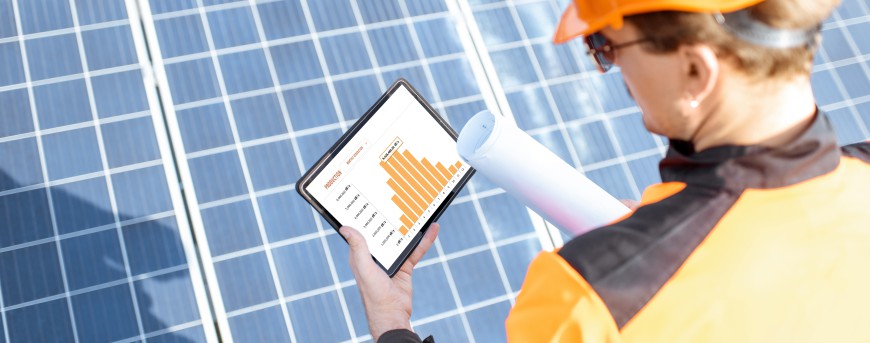
What is the difference between prosumer and producer of electricity
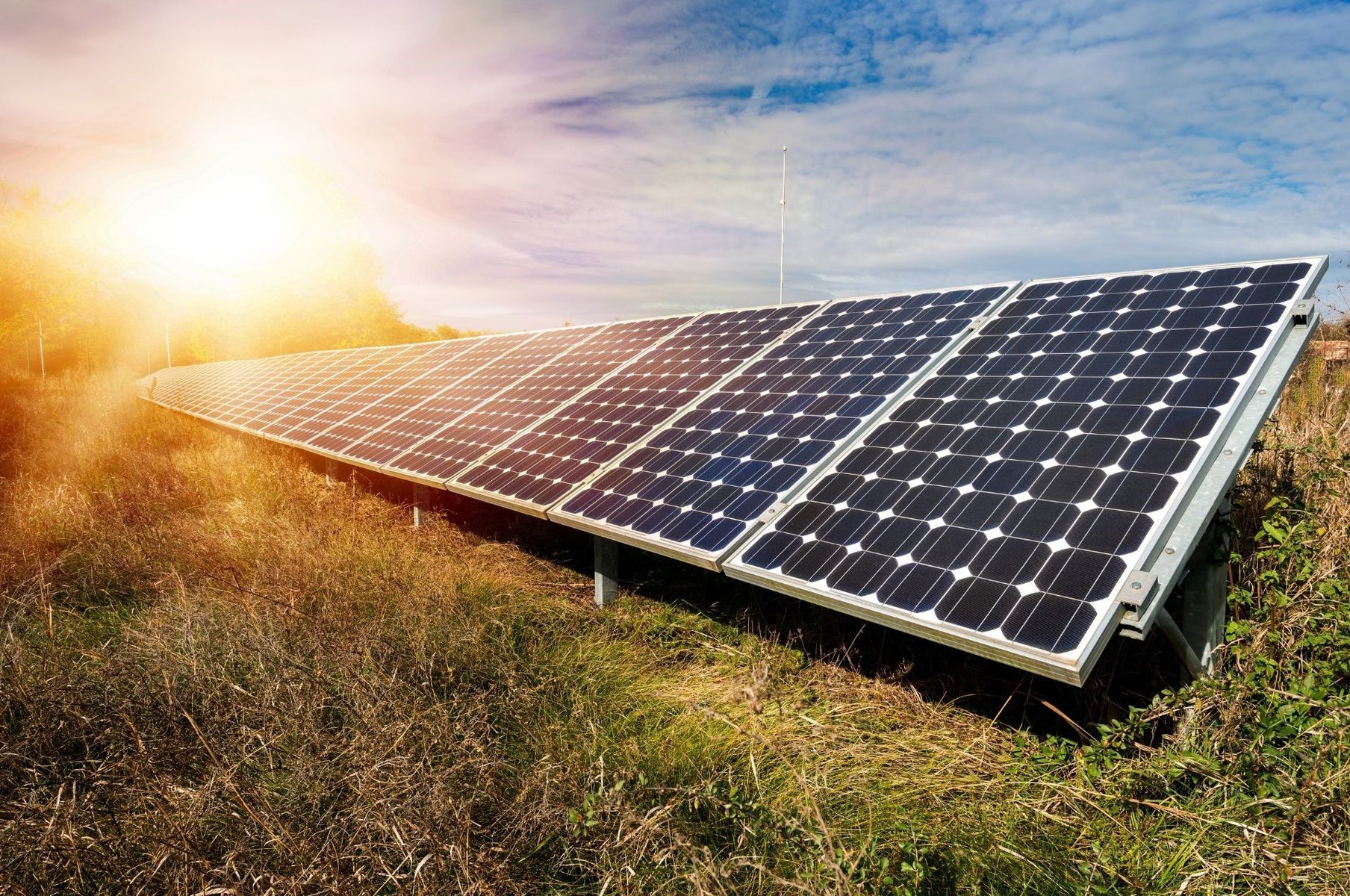
Solar panels for your business, profitable or not?
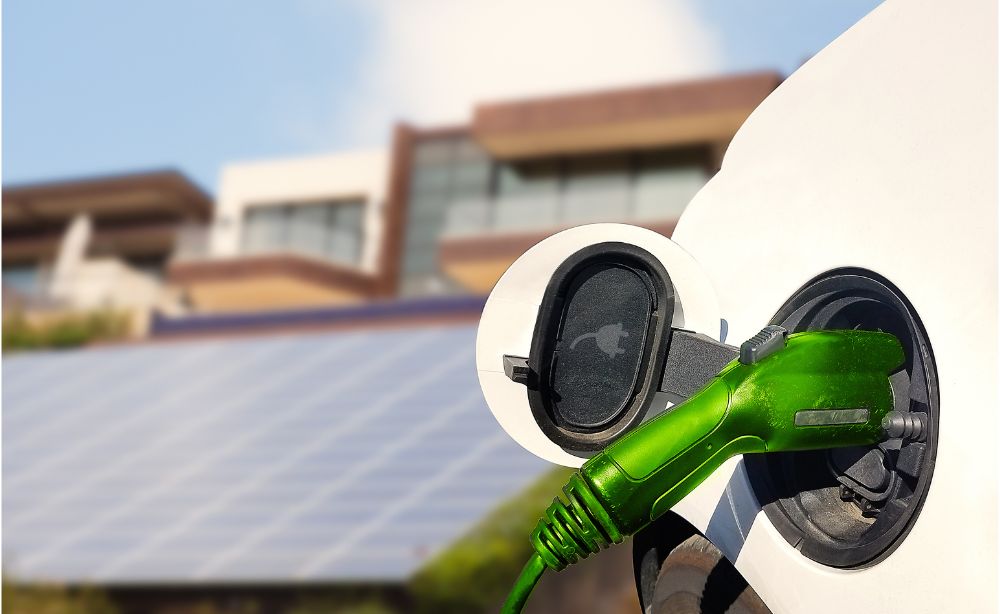
Solar panels for charging electric vehicles
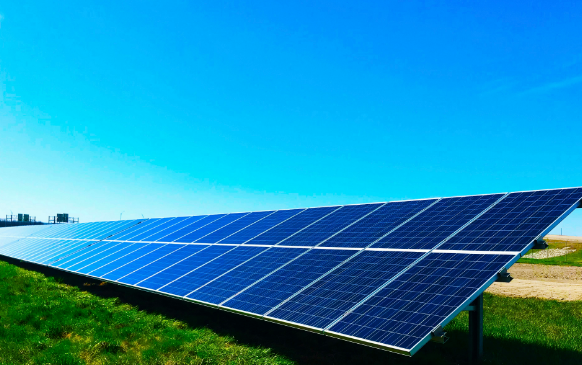
Renewable solar energy: clean and healthy future