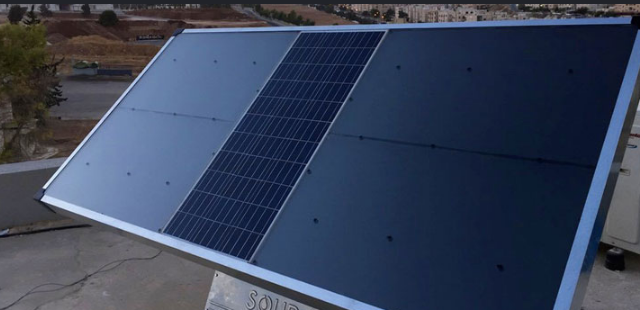
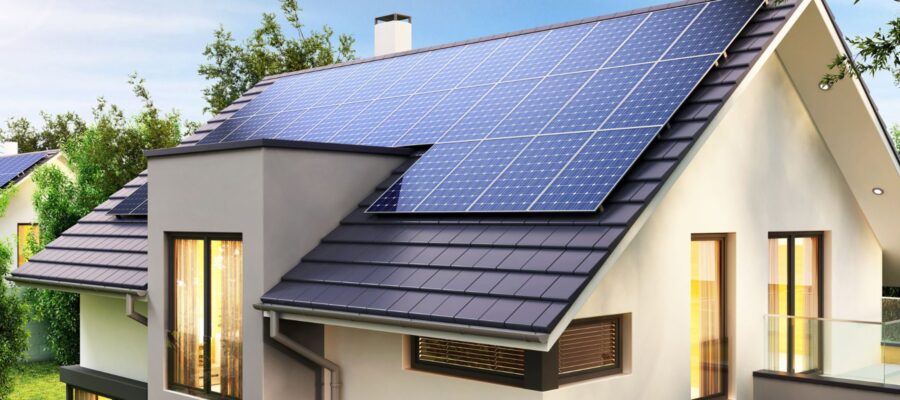
Renewable Solar Energy: 10 Common Questions Solar energy is a renewable resource. Nowadays, there are many technologies (solar panels) that can capture it for use in homes, businesses, schools, and hospitals. Renewable solar energy is growing because of technological improvements that are lowering expenses. At the same time, it offers a future filled with clean and eco-friendly energy. What is clear is that we will receive sunlight from the sun continuously, without limits, for at least 5 billion years, experts state. In just one hour, the Earth’s atmosphere takes in sunlight that could provide electricity for every person for a whole year.
By 2050, a quarter of the world’s energy might come from solar power. This industry creates many jobs and develops new income sources for those who invest in renewable solar energy. Surely by now you have researched and learned about solar panels: how they operate, the benefits of installing them, and how much it costs to put them in your home. However, you still have at least ten questions that you need answers to.
Renewable solar energy explained with questions
1. Are photovoltaic solar panels efficient? Solar photovoltaic technology is efficient in all aspects and the situation will improve in the future.
2. How long will my photovoltaic system last? The solar panels have a 25 year warranty. It is good to know that even after this period the solar panel will not stop working, but only the degree of electricity production will decrease.
3. How much does it cost to install a solar system? In recent years, costs have decreased thanks to advanced technologies in this field. There are numerous options on the market today.
4. Will my solar panels produce energy when the sun isn’t shining? Solar panels will produce less energy at night or when it is cloudy outside.
5. What happens when snow accumulates on solar panels? If the panels are covered in snow they cannot produce electricity. If snow accumulates, the panels are easy to clean.
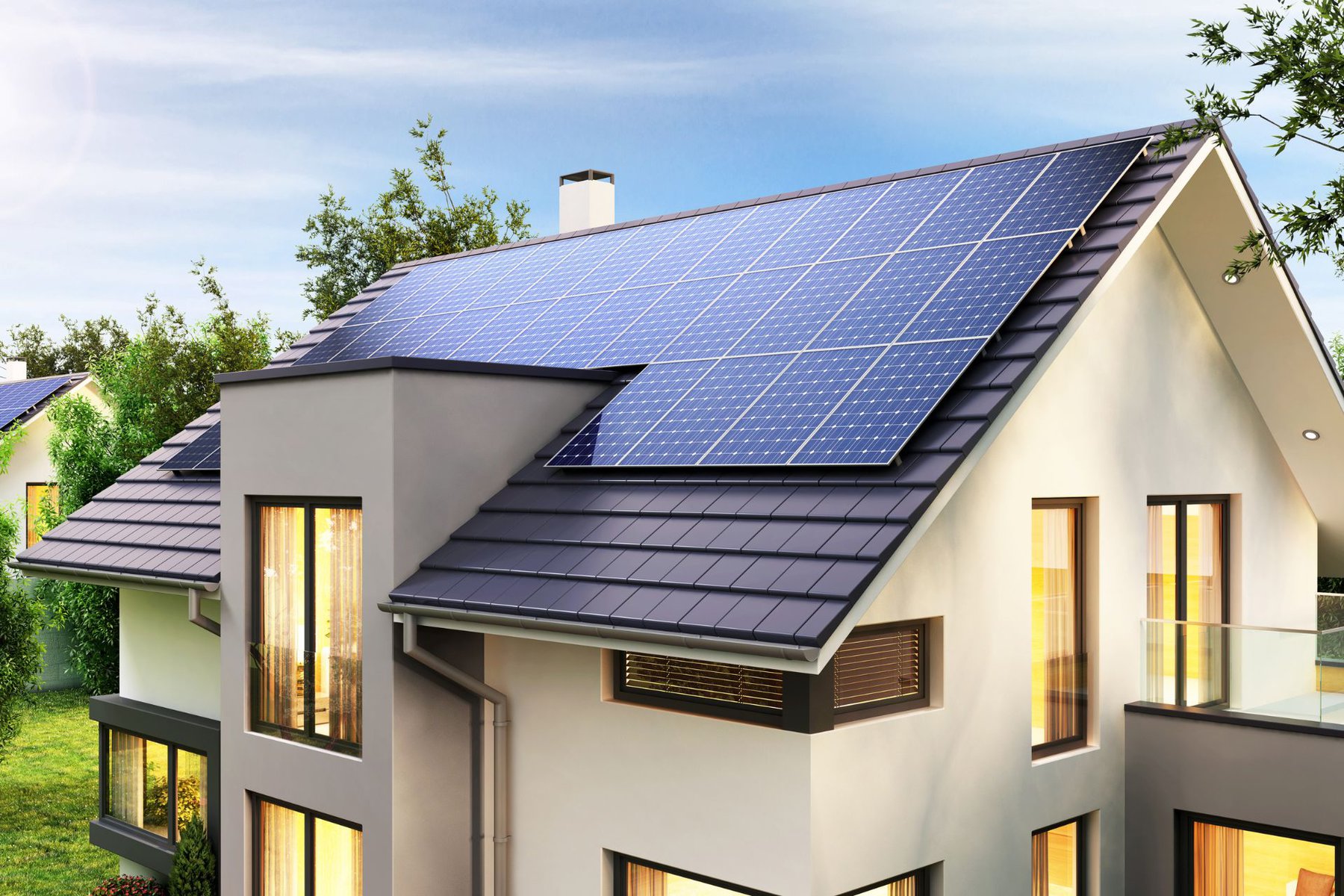
Why it’s worth investing in solar energy
6. Is it worth investing in renewable solar energy? YES. Solar panels help you save on your electricity bill.
7. Which size of solar system is right for me? The size of your solar energy system depends on how much electricity you use each month.
8. Do solar systems require a lot of maintenance? Once installed, these systems require minimal maintenance once or twice a year.
9. What happens if I sell my house with solar panels installed? If you own a solar energy system, the value of your home will increase.
10. Why is solar energy the best energy source? First of all, solar energy is a renewable source. It never ends and is available everywhere. This then creates energy independence. When you install your solar system, this allows you to control your energy production costs.
Conclusion
Renewable solar energy has become one of the most reliable and promising solutions for meeting the world’s growing demand for clean, sustainable electricity. Powered by the sun—an abundant resource that will continue to provide energy for billions of years—solar technology offers an environmentally friendly alternative to conventional fossil fuels. Continuous technological advancements have improved the efficiency, affordability, and accessibility of photovoltaic systems, making solar power an increasingly attractive option for homes, businesses, schools, hospitals, and public institutions around the globe.
One of the greatest strengths of solar energy is its virtually unlimited availability. Every day, the Earth receives an enormous amount of solar radiation, far exceeding global energy consumption. Modern photovoltaic panels capture a portion of this energy and convert it into electricity without producing greenhouse gas emissions or harmful pollutants during operation. This clean energy generation plays a vital role in reducing carbon emissions, improving air quality, and supporting international efforts to combat climate change.
The rapid advancement of photovoltaic technology has also made solar energy more affordable than ever before. Improvements in manufacturing processes, higher conversion efficiencies, and declining installation costs have enabled a broader range of consumers to invest in renewable energy. As a result, solar power is no longer considered a niche technology but a mainstream energy solution capable of delivering long-term financial savings and greater energy independence.
Beyond its environmental and economic benefits, solar energy offers remarkable versatility. Photovoltaic systems can be installed on residential rooftops, commercial buildings, industrial facilities, educational institutions, healthcare centers, and utility-scale solar farms. They can also be integrated with battery storage systems and smart energy management technologies, allowing users to maximize self-consumption and maintain a reliable electricity supply even when sunlight is unavailable.
The growing popularity of solar energy reflects increasing public awareness of the importance of sustainable development. Governments, businesses, and individuals are investing in renewable technologies not only to reduce energy costs but also to build more resilient energy systems capable of supporting future generations. Continued research into advanced photovoltaic materials, energy storage, and smart grid technologies will further strengthen the role of solar power in the global energy transition.
Ultimately, renewable solar energy represents much more than an alternative source of electricity—it is a cornerstone of a cleaner, safer, and more sustainable future. Its ability to provide abundant, renewable, and emission-free power makes it one of the most valuable resources available to modern society. As innovation continues and adoption expands worldwide, solar energy will remain at the forefront of the renewable energy revolution, delivering lasting environmental, economic, and social benefits for decades to come.
latest posts published
About new generation thermodynamic solar systems
Solar panels and minimalist design: how to integrate them into modern architecture
The impact of solar energy on the energy market landscape
How to choose the right electric scooter for my lifestyle
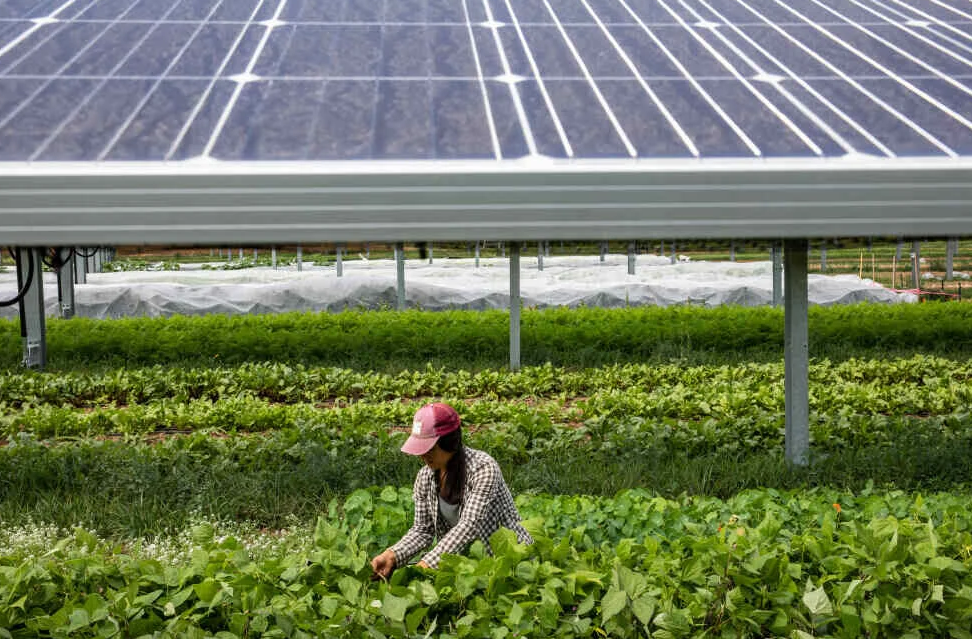
Innovative solutions to monetize the energy of domestic solar panels
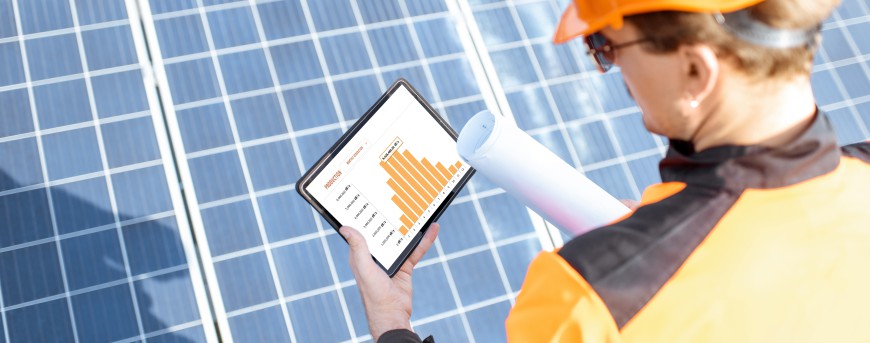
What is the difference between prosumer and producer of electricity
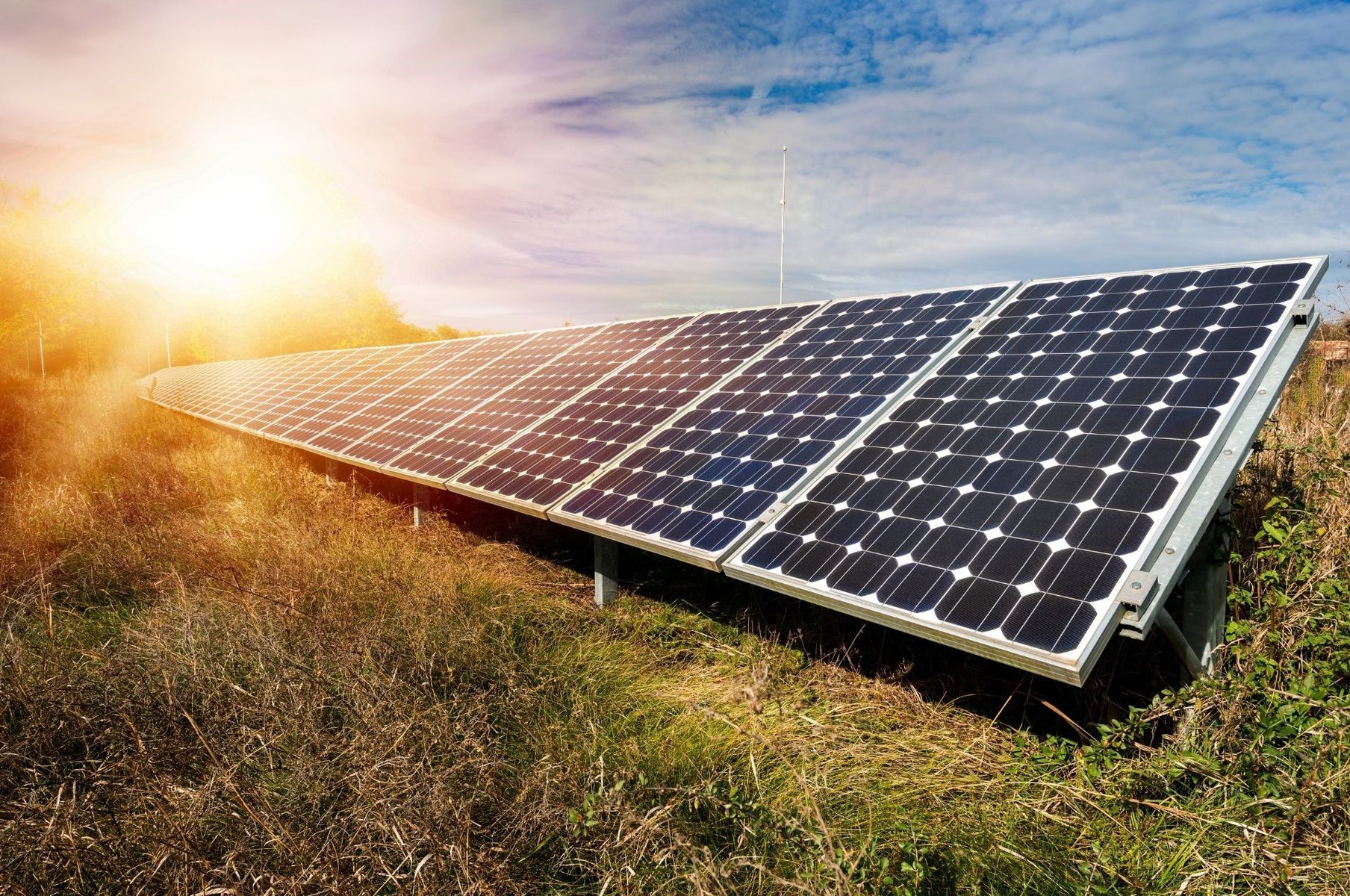
Solar panels for your business, profitable or not?
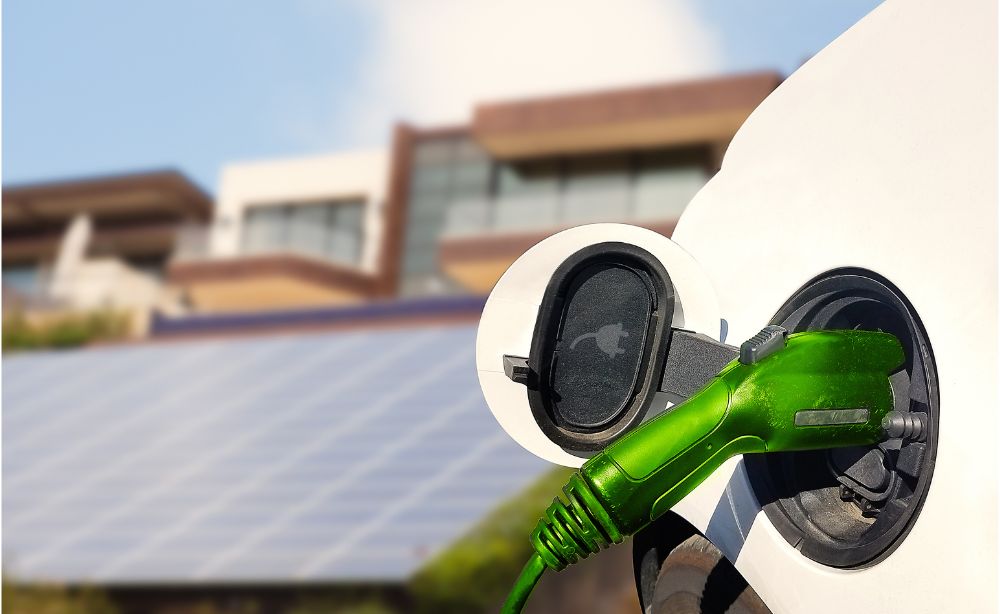
Solar panels for charging electric vehicles
Renewable solar energy: clean and healthy future