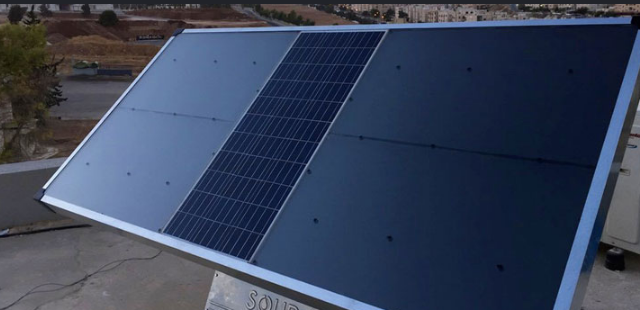

Ecology and sustainability are the principles that shape the worldwide shift toward renewable energy sources. Flexible solar panels are one of the most exciting new developments, and their adaptability is a significant benefit for electric transportation.
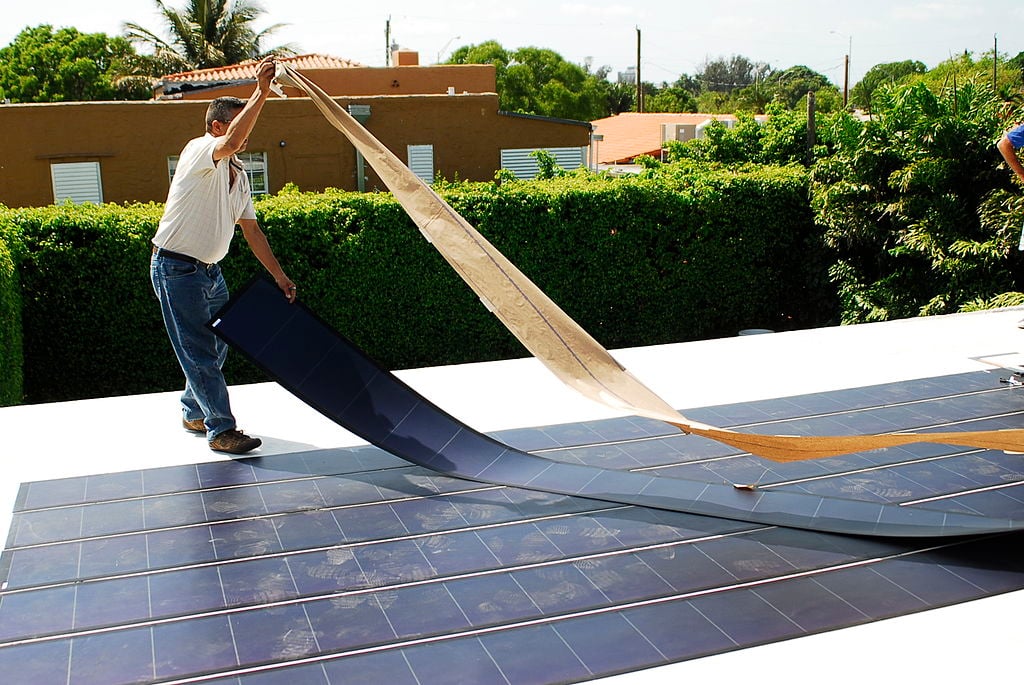
When compared to traditional rigid and heavy solar panels, flexible panels mainly provide easy mobility. They can take any shape and can be placed on flat or curved surfaces, as they use a light and stretchy support.
Flexible photovoltaic panels are very thin and weigh between 1 and 3 kg, depending on the module’s power, while traditional panels can weigh as much as 30 kg. Most are made from organic materials like PET or polyamide, with thicknesses below 1 mm. Solar cells are created by layering thin sheets of semiconductor materials such as CIGS or perovskites.
How to use flexible solar panels in a photovoltaic system
Thanks to the flexible substrate, the panels can be rolled, folded or even cut to custom size. The flexibility of this type of photovoltaic panel allows it to be installed on irregular surfaces.
In addition to simplifying the installation process, flexible panels maximize the solar radiation collection surface. They are therefore the most suitable for integration on roofs, facades, windows, curtains, handlebars, etc. By exposing themselves to the sun they produce 12V electricity which must then be converted by an inverter to be used.
The flexible modules can be mounted in electrical series using simple thin cables. It connects to inverters similar to hard panels. Their returns are currently between 10 and 15%, but research predicts they will reach 20% in the future.
A solution shrewd it is the combination of flexible panels with massive energy storage in batteries. In this way it is possible to better capture scattered radiation and ensure energy availability.
Contact the Restart Energy specialists with confidence for any challenges you encounter during the installation of photovoltaic panels!
Conclusion
The global transition toward renewable energy is fundamentally defined by the core values of ecology and sustainability, forcing industries to look beyond static infrastructure and innovate for a mobile world. Within this green paradigm, flexible solar panels have emerged as one of the most transformative recent technological advancements. Unlike traditional, rigid silicon modules that are restricted to flat, heavy mounting systems, flexible thin-film variants can bend, fold, and conform to irregular contours without fracturing. This lightweight adaptability solves a critical structural bottleneck, allowing clean energy harvesting to expand past residential rooftops and enter highly dynamic environments, most notably the rapidly growing sector of electric mobility.
The unique versatility of flexible photovoltaics represents a massive competitive advantage for the future of electric vehicles (EVs), buses, and commercial fleets. Integrating solar cells directly into the curved bodywork of a vehicle—such as the roof, hood, or side panels—enables «charging-while-driving» capabilities that fundamentally alter energy logistics.
By capturing ambient daylight during transit or while parked, these integrated systems provide a continuous, passive stream of electricity straight to the vehicle’s battery pack. This supplementary power directly extends the vehicle’s operational driving range, reduces reliance on grid-tied public charging stations, and minimizes down-time during long journeys.
Beyond simply extending range, the integration of flexible solar fabric significantly optimizes the internal energy efficiency of electric transport. The localized electricity generated by a vehicle’s solar skin can be diverted to power energy-intensive auxiliary systems, such as air conditioning, digital infotainment arrays, climate-control networks, and internal lighting. By offsetting these auxiliary loads, the vehicle safeguards its primary battery capacity for propulsion alone, reducing overall mechanical strain and enhancing performance. Furthermore, because these panels add negligible aerodynamic drag or weight penalty, they preserve the structural efficiency essential to electric automotive design.
Ultimately, the marriage of flexible solar technology and electric mobility bridges the gap between passive sustainability and true energy independence. It transforms the vehicle from a mere consumer of grid power into an autonomous, self-generating energy ecosystem that produces zero operational emissions. As manufacturing processes scale and the conversion efficiencies of flexible thin-film materials continue to rise, vehicle-integrated photovoltaics will become standard across the transport industry. Embracing this flexible solar innovation ensures a cleaner, more resilient transport network, aligning the daily demands of global mobility with the absolute necessity of long-term environmental preservation.
latest posts published
About new generation thermodynamic solar systems
Solar panels and minimalist design: how to integrate them into modern architecture
The impact of solar energy on the energy market landscape

How to choose the right electric scooter for my lifestyle

Innovative solutions to monetize the energy of domestic solar panels
What is the difference between prosumer and producer of electricity

Solar panels for your business, profitable or not?
Solar panels for charging electric vehicles
Renewable solar energy: clean and healthy future