Careful and personalized planning is essential for optimal functioning AND profitability of the photovoltaic system.
Before installing photovoltaic panels (more commonly known as solar panels), you need to think about a few things:
- How much electricity do you consume? Calculate how much electricity you consume monthly/annually to correctly size the system.
- Where do you want to mount them? Think about the orientation of the panels, choose the place with maximum sun exposure and avoid shadows.
- What type of panel is useful for you? The most efficient are the monocrystalline ones (20-22%), followed by the polycrystalline ones (15-17%).
- How much space do you have available?
- What is your budget?
- What are the legal requirements? Find out about permits, connection to the grid, sale of surpluses.
- How does panel system maintenance work? It is necessary to plan regular inspections, cleaning of panels, service the component.
The main one costs involved in the construction of a photovoltaic solar system are:
- Photovoltaic panels it is the largest cost and depends on the capacity of the system (number of panels).
- inverter which transforms direct current into alternating current. The cost depends on the power of the inverter.
- Fixing poles for mounting panels on the roof or on the ground.
- Electrical cables and connectors for the transfer of electrical current from the panels to the inverter and from there to the grid or storage batteries.
- Accumulators (optional) to store the electricity generated and use it when the system is not producing (at night or in bad weather).
- Assembly and installationthat is, specialized labor.
- Permits and taxes they can be: the building permit, the notices/agreements necessary for the building permit, the request for connection to the grid, the contractualization of the electricity distribution service, the accreditation for the renewable energy bonus/green certificates, the testing of the system, etc.
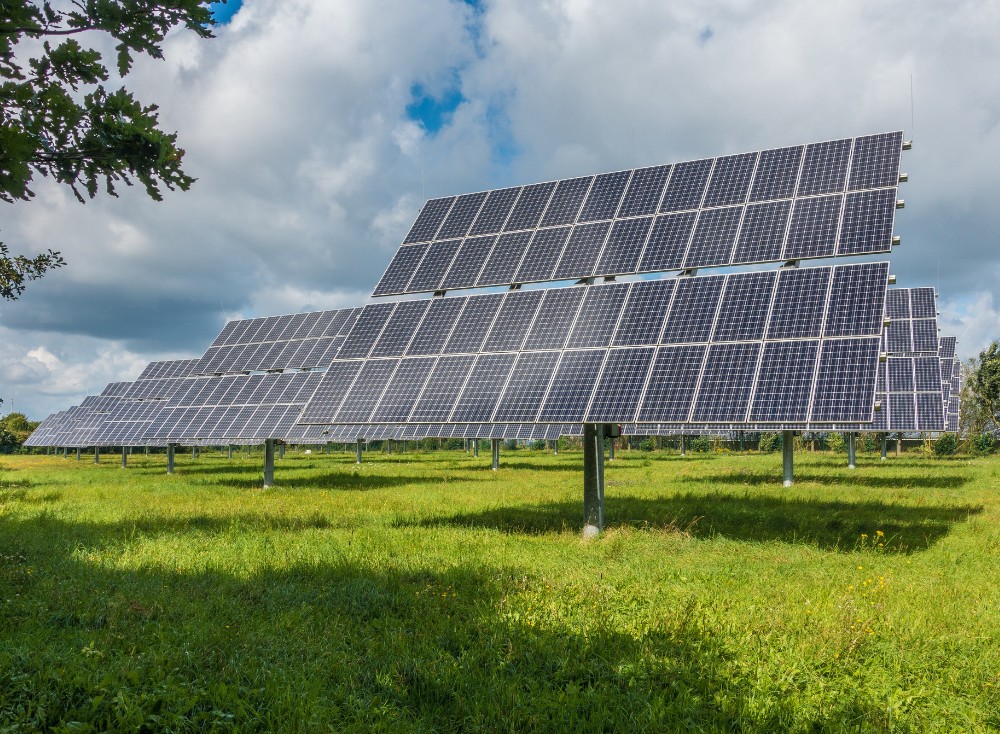
- Assembly of the panels on the load-bearing structureusually a system of anchored metal profiles, which supports the weight of the panels and resists wind/extreme phenomena.
- Connecting the panels to the inverter.
- Installation and connection of the inverter to the grid or surplus storage batteries. It is usually installed in a safe and well-ventilated place and the connection is made to the electrical panel, via a bidirectional meter.
- Installation of meters which measures energy production.
- Network connectionto put unused energy back into the grid.
- Boot the system and test it.
- User training. The installer must provide technical support and train the customer for optimal use.
- Assistance and maintenanceessential for the long-term operation of the system, at least once a year.
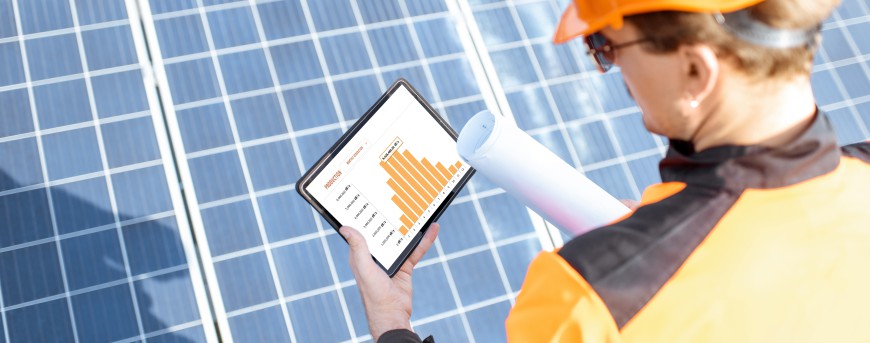
- Production monitoring through performance and generated energy monitoring equipment integrated into the system.
So, if you are interested in a long-term investment that respects the environment and your budget, we recommend you get in touch with the specialists at Restart Energy.
Conclusion
The effective setup of a photovoltaic system goes well beyond just putting up solar panels; it greatly depends on detailed and customized planning. Since each property has its own unique structure, energy usage habits, and geographical factors, a standard, one-size-fits-all method can seriously disrupt both the efficient operation and future profitability of the system. Carrying out a thorough, customized evaluation before buying equipment guarantees that the final system is well-suited to the specific setting. This careful planning phase acts as the plan for turning a financial investment into a very efficient, trustworthy, and income-generating resource over its long lifespan.
Before placing a solar array, buyers must carefully review several key factors, starting with structural and environmental conditions. The direction, slope, and stability of the roof—or the design of the chosen ground area—directly influence the total energy output of the system. Shadows from nearby trees, chimneys, or surrounding buildings must be accurately assessed throughout all four seasons to avoid local power drops that can lower the performance of the whole set of panels. In addition, understanding local weather trends and measuring the exact solar radiation present at the specific latitude helps engineers choose the right equipment details and estimate precise energy outputs.
Equally significant is a thorough investigation of financial and regulatory aspects. Future owners should closely examine their past electricity bills to determine their exact baseline usage and peak demand times, enabling them to size the system correctly without building too much or using too little capacity. Also, understanding local utility rules, net metering options, and available government tax breaks or refunds is vital for figuring out a precise return on investment (ROI). Good planning also involves making choices between various hardware options, such as picking microinverters over string inverters, or deciding whether to add a battery storage system to enhance self-consumption during hours without production.
Ultimately, dedicating time to personalized planning eliminates technical risks and secures the financial viability of a solar project. It bridges the gap between raw technology and customized performance, ensuring that every dollar spent directly optimizes energy generation and accelerates the amortization timeline. By addressing architectural limitations, consumption habits, and regulatory frameworks prior to deployment, property owners protect their hardware from premature wear and maximize their monthly utility savings. This disciplined, upfront strategy is what ultimately guarantees a seamless transition to clean, independent, and highly profitable power.
latest posts published
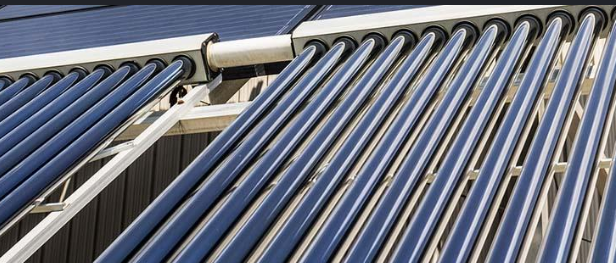
About new generation thermodynamic solar systems
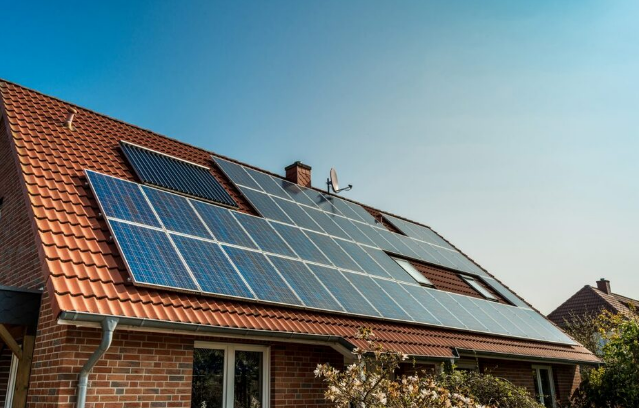
Solar panels and minimalist design: how to integrate them into modern architecture
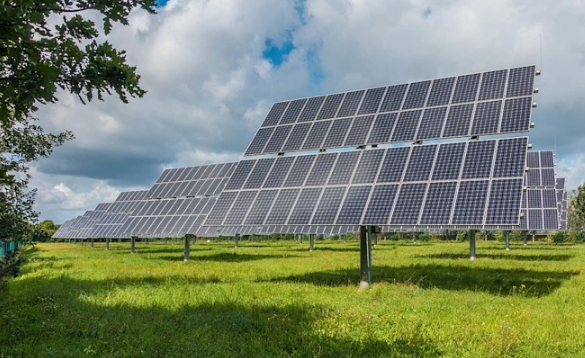
The impact of solar energy on the energy market landscape

How to choose the right electric scooter for my lifestyle
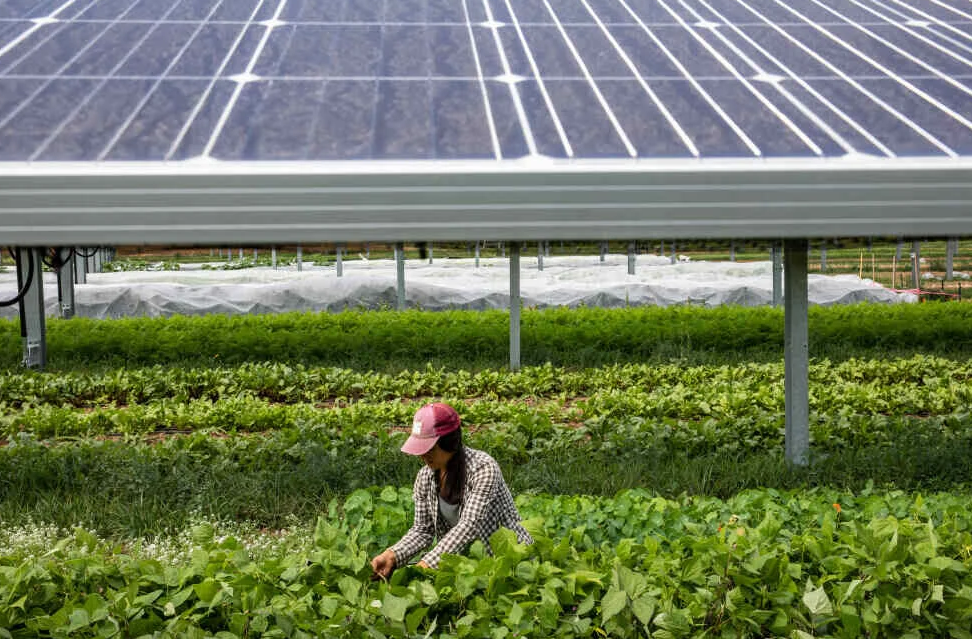
Innovative solutions to monetize the energy of domestic solar panels
What is the difference between prosumer and producer of electricity
Solar panels for your business, profitable or not?
Solar panels for charging electric vehicles
Renewable solar energy: clean and healthy future