How beneficial are solar panels for your business? Setting up a solar panel system can be a significant way to save money for businesses if they can manage the upfront cost, which is quite substantial. Generally, the energy generated by solar panels is enough to meet the electricity needs of a production unit. This can change based on where the panels are located and the local climate. In our article, we provide three reasons why solar panels can be a good investment for your business.
For businesses that struggle with the upfront expenses of installing solar panels, there are various financial aids offered by the Government for renewable energy. These can assist in covering the initial setup costs. In some instances, it remains a source of savings for a long time after the installation is finished.
3 reasons why solar panels are profitable for your business
1. Smaller bills, inexhaustible resources
The savings that the company can obtain with the electricity produced from the solar source increases over time. By installing photovoltaic solar panels today you can enjoy immediate savings on your bills. This also results in higher profits. Companies that have buildings connected to the national grid can sell excess energy to the electricity company. They can use net metering programs, thus saving considerable amounts on the bills received.
You can also install a battery system. It will store some of the excess energy produced. When the sun sets or there is less sunlight available, the company can use this energy from its reserves. Therefore it is not necessary to purchase from the national network.
2. Solar energy – always free
Unlike electricity rates, solar energy capture costs remain the same forever. Solar energy is and will always be free. While some businesses may struggle to keep up with high grid electricity prices, companies installing photovoltaic panels capable of producing green energy are taking advantage of an abundant energy supply. This helps protect them from future bill increases.
The advantage is even more evident in companies that work with low profit margins. The purchase and installation costs of solar panels are generally amortized over a period of three to seven years. They start to become profitable after this period. The generating units use free electricity for 25-35 years, the lifespan of the solar system. After converting to solar energy, companies’ costs decrease by 75% – 89% compared to previous bills.
3. Use as little expensive energy as possible
With photovoltaic panels installed on the roofs of company buildings/lands, the amount of expensive electricity required by the production unit drawing from the public grid is reduced to a minimum. Instead, solar panels generate electricity on site, using clean, free energy from the sun. At the same time, the dependence on billed energy is reduced. This allows your company to significantly reduce operating costs. With lower business expenses, you have the opportunity to turn a much larger portion of your revenue into profit.
Solar energy is becoming increasingly convenient and efficient. Therefore, businesses can take advantage of solar energy by installing panels on their property/land to reduce their bills. Now that you know how beneficial solar panels are for your business, all you have to do is contact us and one of Restart Energy’s specialists will guide you in your investment for the future.
Conclusion
Solar panels have become one of the most attractive investments for businesses seeking to reduce operating costs and improve long-term energy efficiency. While the initial installation of a photovoltaic system requires a significant financial commitment, the potential savings and economic benefits often outweigh the upfront expense. For many companies, solar energy represents not only an environmentally responsible choice but also a strategic business decision that can generate measurable returns over time.
One of the main reasons solar panels are profitable for businesses is the reduction in electricity costs. Energy expenses can represent a substantial portion of a company’s operating budget, especially for manufacturing facilities, warehouses, and commercial buildings with high power consumption. By generating electricity on-site, businesses can significantly decrease their dependence on utility providers and protect themselves from rising energy prices. In many cases, a properly sized photovoltaic system can produce enough electricity to cover a large share of a facility’s energy requirements.
Another important advantage is the long-term return on investment. Although the initial installation cost may seem substantial, solar panel systems are designed to operate efficiently for decades with relatively low maintenance requirements. Over time, the savings generated through reduced energy bills can offset the original investment and continue to provide financial benefits long after the system has been paid for. Depending on local energy costs, available incentives, and system performance, businesses may achieve a favorable payback period and enjoy years of reduced operating expenses.
Solar panels can also enhance a company’s sustainability profile and competitive position. Customers, investors, and business partners are increasingly paying attention to environmental responsibility when making decisions. By adopting renewable energy solutions, businesses can demonstrate their commitment to reducing carbon emissions and supporting sustainable practices. This can strengthen brand reputation, improve stakeholder confidence, and create new opportunities in markets where sustainability is becoming an important factor.
Of course, the profitability of a photovoltaic installation depends on several factors, including geographic location, local weather conditions, energy consumption patterns, and available government incentives. Businesses that carefully evaluate these variables and design a system tailored to their needs are often able to maximize the financial and operational benefits of solar energy.
In conclusion, solar panels offer businesses a powerful combination of cost savings, energy independence, and environmental responsibility. While the initial investment may require careful planning, the long-term economic advantages make photovoltaic systems an increasingly attractive option for companies looking to improve efficiency and secure a more sustainable future. As solar technology continues to advance, its value as a business investment is expected to grow even further.
latest posts published
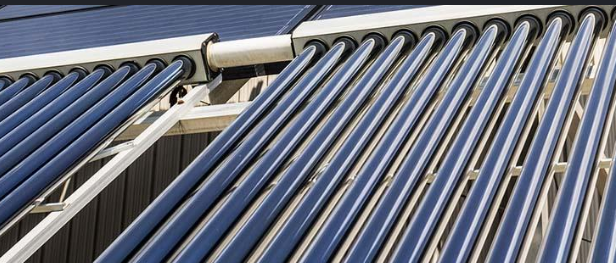
About new generation thermodynamic solar systems
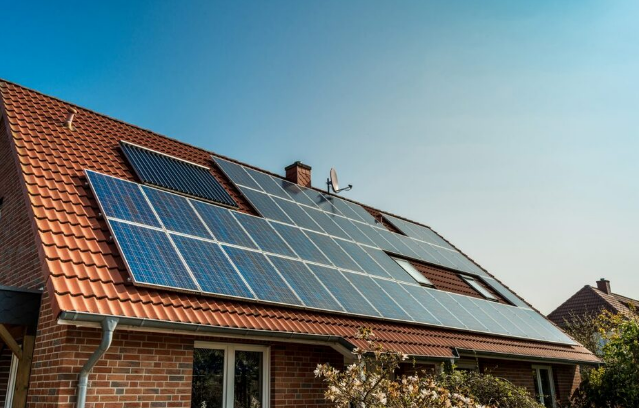
Solar panels and minimalist design: how to integrate them into modern architecture
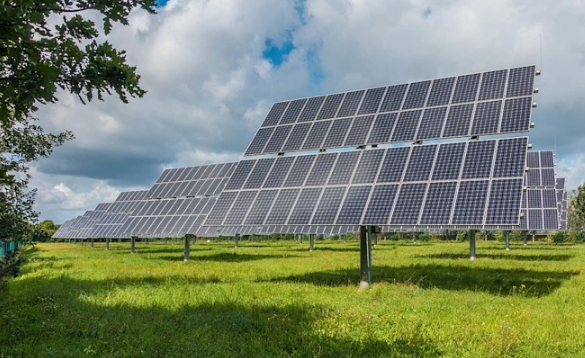
The impact of solar energy on the energy market landscape

How to choose the right electric scooter for my lifestyle

Innovative solutions to monetize the energy of domestic solar panels
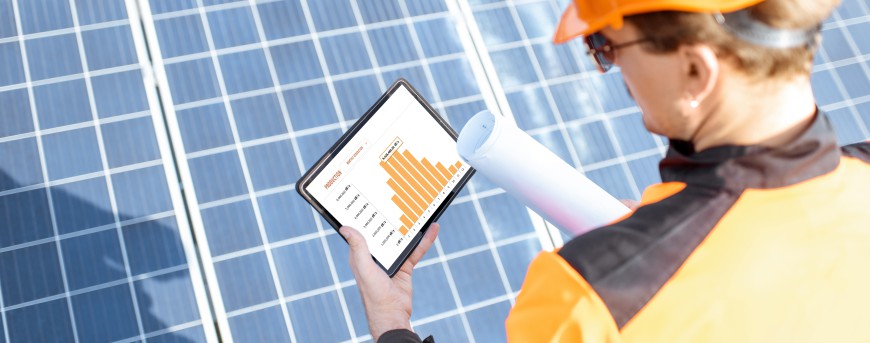
What is the difference between prosumer and producer of electricity
Solar panels for your business, profitable or not?
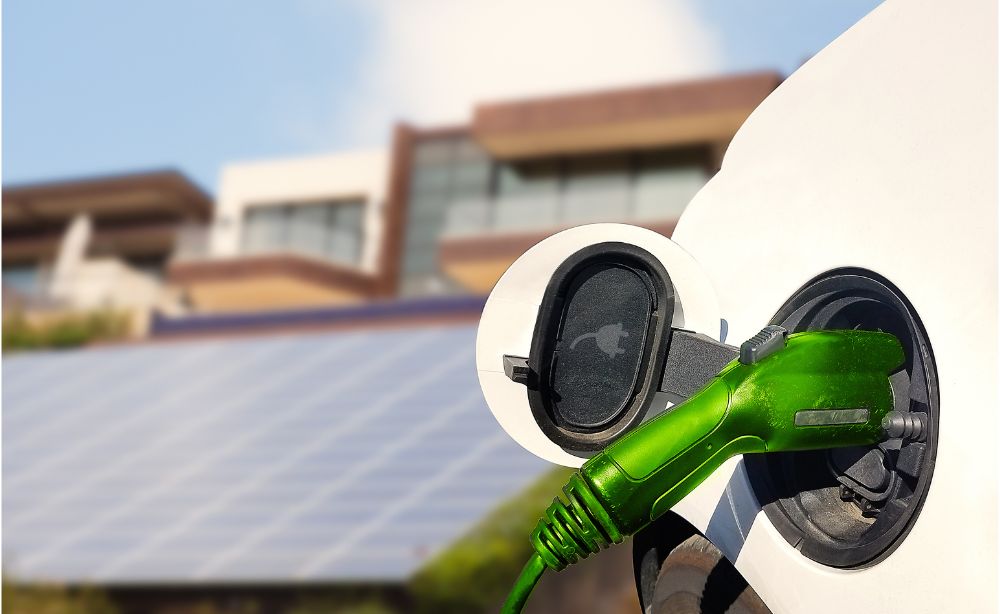
Solar panels for charging electric vehicles
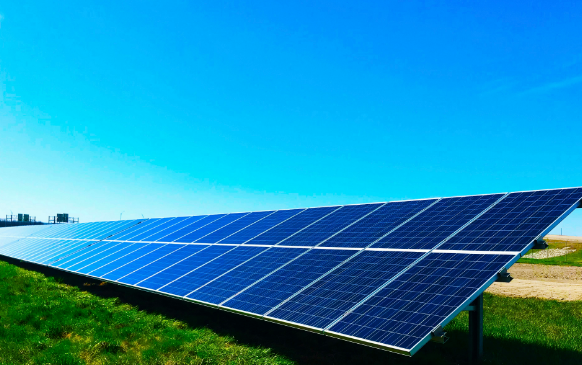
Renewable solar energy: clean and healthy future