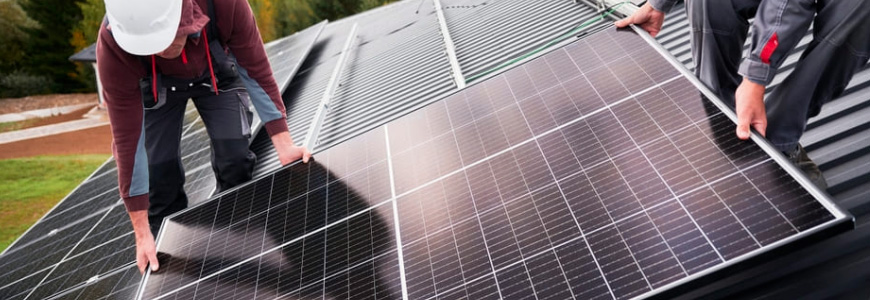
The size of photovoltaic panels plays an essential role in determining the efficiency and applicability of your solar energy system. Choosing the right size involves careful analysis of various factors, in order to achieve a perfect balance between performance, aesthetics and profitability.
Why is the size of solar panels important?
The size of photovoltaic solar panels is not a simple matter of personal preference, but a relevant element that significantly influences the efficiency and usefulness of your solar system.
Energy efficiency
Generously sized panels offer a larger surface area to capture solar energy, often leading to greater energy efficiency. However, it is essential that the size you choose fits the available space and energy needs of your project. Too much surface area can be cost inefficient, and panels that are too small will not produce enough energy.
Architectural design
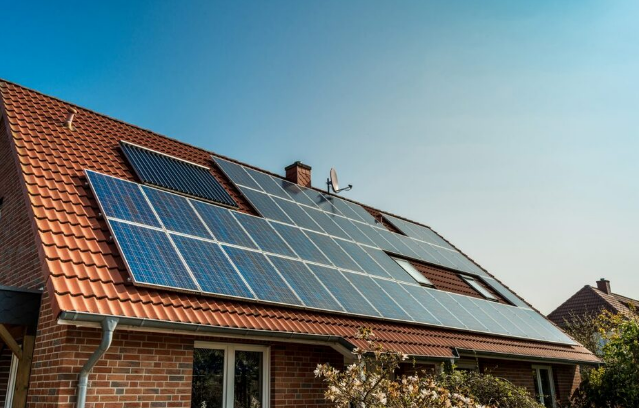
Especially in the case of residential and commercial environments, it is important that the photovoltaic panels integrate harmoniously into the architectural project. The dimensions chosen must fit the proportions of the building and not negatively impact the overall appearance. Larger panels may require further adaptations to aesthetically integrate into the environment.
Space availability
The dimensions of the photovoltaic panels must be chosen based on the space available on the roof or on the ground where the system will be placed. The panels must be positioned so that they receive sunlight throughout the day. Make sure the space you choose allows for optimal orientation to maximize energy production.
Larger panels may be more expensive and require additional mounting equipment. Compare the prices of panels of different sizes and take into account the ancillary costs of installation and maintenance. Don’t forget that photovoltaic systems require solar inverters! Choose the option that offers the best long-term value for money.
What size are solar panels?
The size of photovoltaic panels varies depending on a number of factors, from the technology used to the energy generation capacity and final destination. However, an analysis of the standard sizes and formats available can give us a clearer picture of the photovoltaic panels used today.
Rated power
The typical power rating of residential panels is between 250 and 500 W, but there are also options with higher ratings for those who want more significant output. Commercial and industrial panels can have much higher power ratings, reaching kilowatt (kW) ratings to meet the growing energy demands of large-scale projects.
Thickness and weight
The thickness of photovoltaic panels is usually around 30-40 millimeters, ensuring a robust construction without compromising ease of installation. Weight varies based on size and technology, but photovoltaic panels are generally light enough to be easily handled and installed.
Gauge dimensions
The standard dimensions of residential photovoltaic panels are approximately 1.6 meters high and 1 meter wide. This compact configuration makes it ideal for mounting panels on the roof of your house.
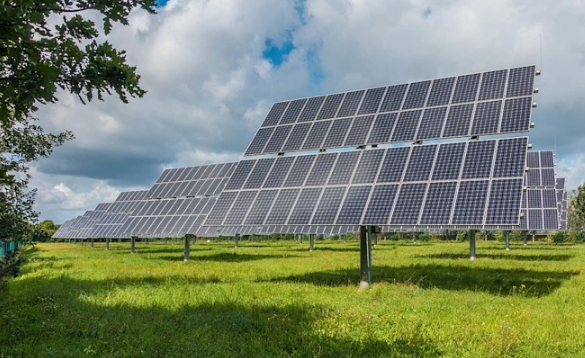
In the commercial and industrial sector, photovoltaic panel sizes can vary greatly, often exceeding the size of residential panels. Custom panels can be tailored to the specific needs of large-scale projects, mounted on the ground or on special structures such as dedicated solar roofs.
How do I know how many solar panels I need?

A simple formula to estimate the number of solar panels needed is as follows:
Number of panels = annual energy consumption / (rated panel power x system efficiency x days of use)
Example:
Suppose you have a house that uses 10,000 kWh of electricity per year, you want solar panels rated at 300W, and you live in an area with 200 days of sunshine per year. The system efficiency is 15%.
Number of panels = 10,000 kWh / (300 W x 0.15 x 200 days) = 22.22 panelsThe number of solar panels needed to power a home depends on a number of factors. You also need to know that, in addition to the inverter, you will also need batteries for the solar panels, so that the photovoltaic system works optimally. It is advantageous to opt for a photovoltaic kit so as not to purchase the components separately, so you will have everything you need to enjoy solar energy.
Geographic location
The amount of solar radiation varies depending on geographic location. An area with more sun will require fewer panels than an area with less sun.
The orientation and angle of the panels
Solar panels should be oriented south and installed at an optimal angle to maximize capture of solar radiation.
Energy consumption
To find out how much electricity your home uses each year, you can look at your energy bills or use an online calculator to estimate your consumption.
Rated panel power
Solar panels are available in different power ratings, usually between 200W and 500W. The higher the panel power rating, the more energy will be produced.
System efficiency
Includes energy losses resulting from inverters, cables and other components. The typical efficiency of a system is around 15-20%.
Make a complete list of all electrical appliances and devices in your home, including refrigerators, televisions, computers, air conditioners, lighting systems and any other energy-consuming equipment. Consult the labels or user manuals of the devices to find out the nominal power, expressed in watts (W) or kilowatts (kW). This value indicates the energy consumed by the device during operation.
For each device, calculate the daily electricity consumption by multiplying the nominal power by the average daily use time. For example, a 100W refrigerator running 10 hours a day will consume 100W x 10h = 1000Wh or 1kWh per day.
By summing up the daily usage figured for each device, the total daily power use of the home is calculated. By examining daily usage, it is possible to estimate monthly and yearly consumption, considering seasonal changes and the utilization of electrical appliances. The typical power use acts as a foundation for sizing the solar panel system needed to meet the energy requirements of the home. By balancing energy efficiency, looks, expenses, and available space, you will achieve a better solar system that will greatly help in lowering energy costs and caring for the environment. Feel free to reach out to us for help in selecting the best option for your particular needs!.
latest posts published
About new generation thermodynamic solar systems
Solar panels and minimalist design: how to integrate them into modern architecture
The impact of solar energy on the energy market landscape
How to choose the right electric scooter for my lifestyle
Innovative solutions to monetize the energy of domestic solar panels
What is the difference between prosumer and producer of electricity
Solar panels for your business, profitable or not?
Solar panels for charging electric vehicles
Renewable solar energy: clean and healthy future