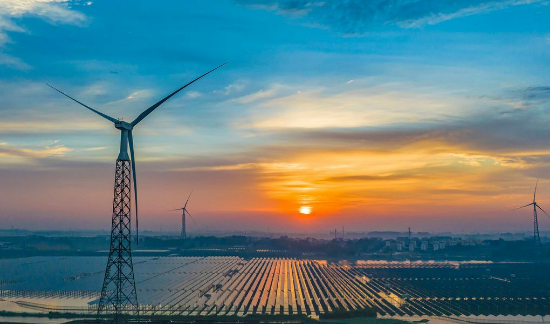
Green energy is a term used to describe environmentally friendly and renewable energy sources. These include solar energy, wind energy, hydroelectric energy, biomass energy and geothermal energy. The use of green energy has become increasingly popular in recent years due to its positive impact on the environment.
Unlike traditional energy sources such as coal, oil and natural gas, which are limited and result in greenhouse gas emissions, green energy sources have minimal impact on the environment and are considered sustainable in the long term. Green energy is an important part of efforts to reduce carbon emissions and fight climate change. By reducing dependence on fossil fuels, creating jobs, stimulating economic growth and protecting the environment we live in, green energy sources are an important part of efforts to create a better world for future generations.
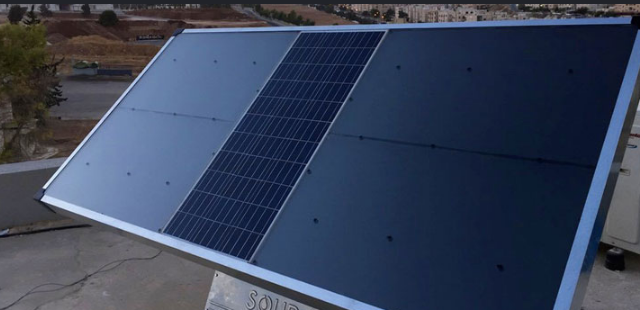
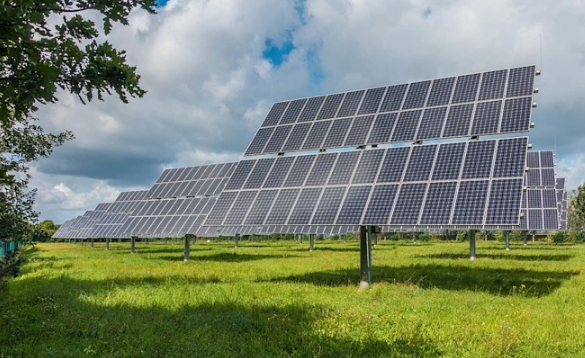
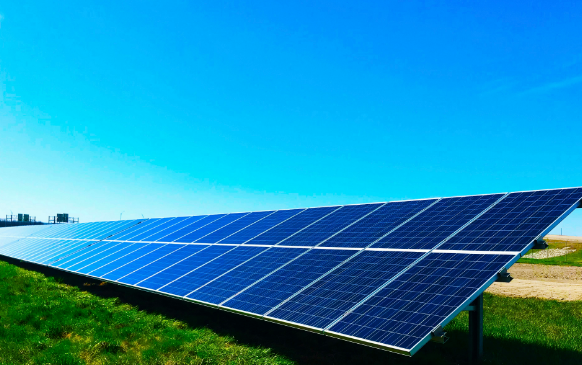
Solar energy, one of the most used forms of green energy
Below we will describe the main types of green energy.
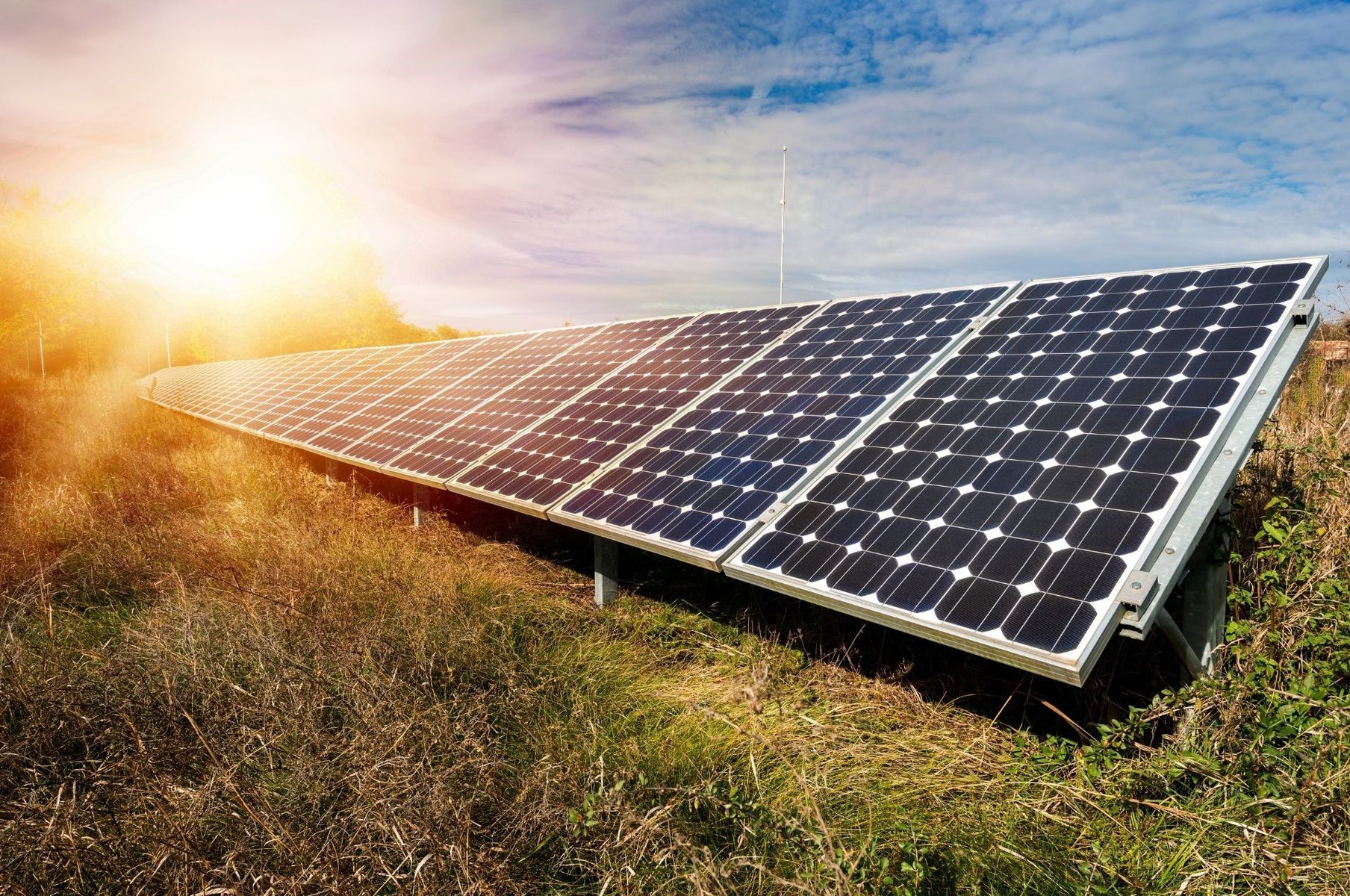
- Solar energy involves the use of solar panels to convert sunlight into electricity. Solar energy is a clean, sustainable form of energy that can be used to power homes, businesses and even communities anywhere. Solar energy is an affordable option for many people, as the cost of solar panels has dropped significantly in recent years.
- Wind power is another popular form of green energy. This involves using wind turbines to convert wind energy into electricity.
- Hydroelectric energy is a form of green energy that involves using water to generate electricity. It is particularly effective in areas with large rivers or waterfalls, where the flow of water can be used to generate significant amounts of electricity.
5 reasons to invest in green energy
Here are five reasons why green energy is important around the world.
- Green energy sources produce no greenhouse gases, making them an important part of efforts to reduce carbon emissions and slow the pace of climate change.
- Green energy can help reduce dependence on fossil fuels or other imported sources. By investing in green energy sources, countries can increase their energy independence.
- Green energy is also important because it creates jobs and stimulates economic growth.
- Additionally, green energy projects can stimulate economic growth by attracting investment and creating new markets for products and services.
- Unlike traditional energy sources, which are limited and will run out sooner or later, green energy sources are renewable and can be renewed naturally.
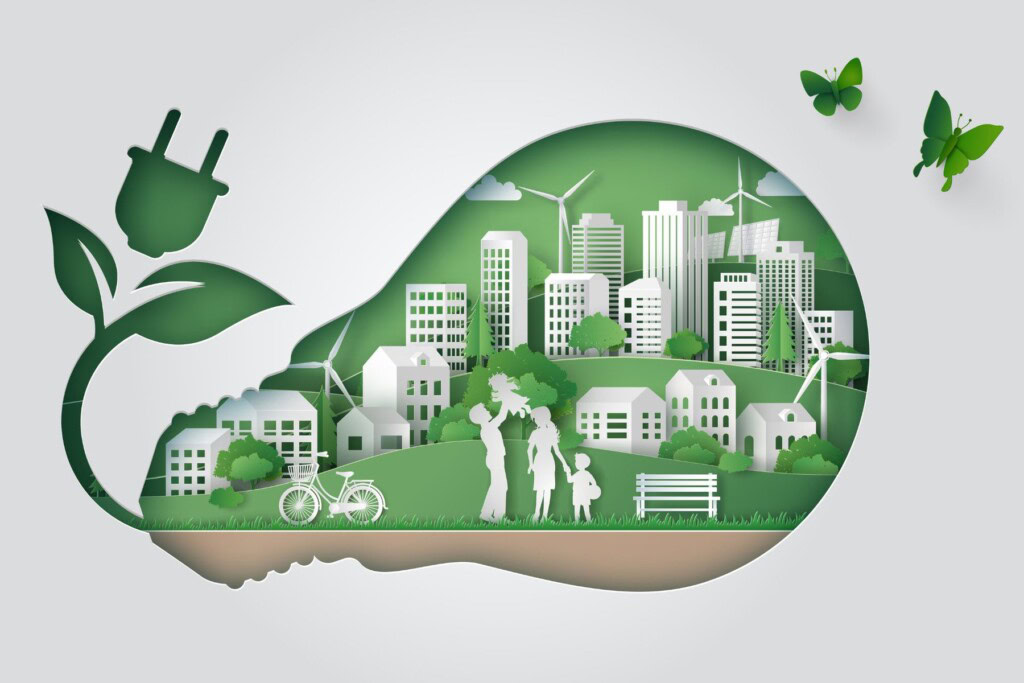
How convenient is green energy
Green, clean, renewable energy is becoming more accessible to a wide range of consumers, making it an attractive option for those looking to save money and care for the environment. One of the reasons green energy is becoming increasingly affordable is due to technological advances. This has led to a significant reduction in the production and installation costs of green energy systems. As more consumers and businesses turn to green energy, demand for these technologies has increased. Competition has led to lower prices and better quality, making green energy more affordable than ever.
Conclusion
Green energy has become one of the most important foundations of a sustainable future, providing clean and renewable alternatives to conventional energy sources. Technologies such as solar, wind, hydroelectric, geothermal, and biomass energy harness naturally replenished resources to generate electricity while minimizing environmental impact. As global demand for energy continues to rise, these renewable sources are playing an increasingly vital role in reducing dependence on fossil fuels and supporting the transition toward a low-carbon economy.
One of the greatest advantages of green energy is its ability to significantly reduce greenhouse gas emissions and air pollution. Unlike traditional power generation methods that rely on coal, oil, or natural gas, renewable energy systems produce electricity with little or no harmful emissions during operation. This contributes to cleaner air, healthier communities, and global efforts to combat climate change while helping preserve ecosystems and natural resources for future generations.
Beyond its environmental benefits, green energy also offers long-term economic value. Advances in renewable technologies have dramatically lowered the cost of installing and operating systems such as photovoltaic panels and wind turbines. As equipment becomes more efficient and affordable, businesses and homeowners can reduce electricity expenses, improve energy independence, and protect themselves from fluctuations in conventional energy prices. These financial advantages make renewable energy an increasingly attractive investment across residential, commercial, and industrial sectors.
Innovation continues to drive the rapid expansion of the renewable energy industry. Improvements in energy storage, smart grids, artificial intelligence, and energy management systems are making renewable electricity more reliable, efficient, and accessible than ever before. These technological developments enable greater integration of clean energy into existing power networks while improving the stability and resilience of modern electricity systems.
The growing adoption of green energy also creates significant social and economic opportunities. Investments in renewable energy projects generate employment across manufacturing, engineering, construction, maintenance, and research sectors while encouraging technological innovation and sustainable economic development. At the same time, communities benefit from cleaner environments, increased energy security, and a more diversified energy supply capable of supporting future growth.
Ultimately, green energy represents far more than an environmentally friendly alternative—it is a strategic investment in a cleaner, healthier, and more sustainable world. By embracing renewable energy technologies, individuals, businesses, and governments can reduce environmental impact, improve long-term energy security, and support continued economic development. As renewable technologies continue to evolve and become even more efficient, green energy will remain at the heart of the global transition toward a resilient, low-carbon future that benefits both present and future generations.
latest posts published

About new generation thermodynamic solar systems
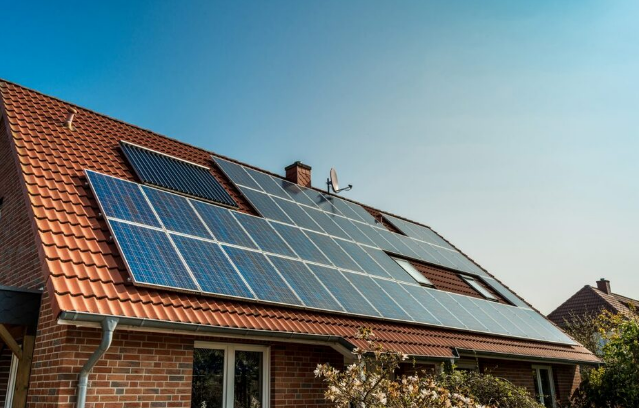
Solar panels and minimalist design: how to integrate them into modern architecture
The impact of solar energy on the energy market landscape

How to choose the right electric scooter for my lifestyle
Innovative solutions to monetize the energy of domestic solar panels

What is the difference between prosumer and producer of electricity
Solar panels for your business, profitable or not?
Solar panels for charging electric vehicles
Renewable solar energy: clean and healthy future