The adoption of green technologies and investments in sustainability are measures that show how concerned countries are about the conservation and restoration of nature and natural resources, but also about the health and well-being of citizens. As expected, some states prioritize the environment more than others.
The measures taken to shape a healthier and more environmentally friendly lifestyle are a series of laws, public policies and government movements. These include: saving natural resources, planting and restoring existing green spaces, reducing CO₂ emissions or encouraging economic growth that is not based on fossil fuels, but on green energy.
The Environmental Performance Index (EPI) evaluates and ranks 180 countries based on 40 performance indicators in 11 categories covering environmental health and ecosystem vitality. Therefore, efforts to prevent climate change, drinkable water, air quality, waste management, ecosystem services, agriculture, management of water as a resource, heavy metals and maintaining biodiversity and natural habitats are taken into account.
The countries mentioned below are some of the best ranked countries in this rating and are particularly successful in terms of sustainability and the «green» factor.
Denmark, the pinnacle of green technologies
Denmark it is renowned for its effective measures against greenhouse gas emissions and its constant efforts to prevent climate change. In studies launched in 2022, Denmark was crowned the greenest country in the world, acclaimed for its outstanding activity in the fields of renewable energy and sustainable agriculture.
Great Britain
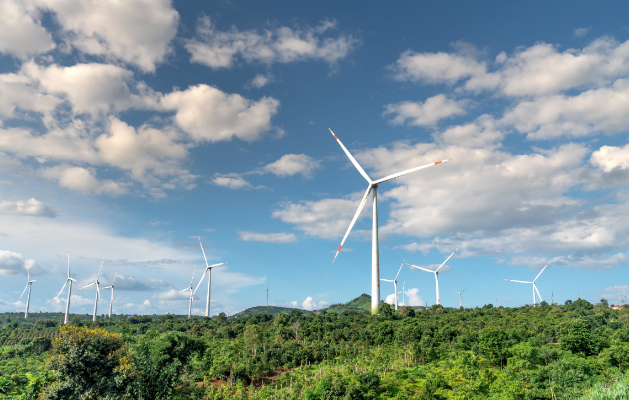
Great Britain it has an overall EPI score of 77.7, the second highest in the world after Denmark. This score is due to the reduction in greenhouse gas emissions and water and sanitation performance. There are currently around 8,879 wind turbines in the UK, providing the country with sustainable, clean energy.
Malta
Malta sees its largest EPI increase in ten years, improving its score by 25.4. Both the CO₂ growth rate, the black carbon growth rate, the N₂O growth rate and the trend in greenhouse gas intensity, as well as the particularly environmentally friendly agritourism and railway infrastructure place Malta at the top of sustainable countries.
Finland
Finland ranked among the most developed countries in terms of adoption of green technologies. The Scandinavian region especially excels at minimizing heavy metal pollution, protecting marine areas and grasslands, and maintaining air quality.
Sweden
Sweden stands out for its programs that strongly encourage the development of renewable energy sources. The government’s plan indicates that by 2045 Sweden should become 100% running exclusively on green energy, without fossil fuels.
Costa Rica
This list is dominated by European states, but contains one notable surprise Costa Ricawith the best recycling rate in all of Latin America and ranked by IQAir as the eighth country with the best air quality.
In terms of policy, Costa Rica’s leadership is relying on an elaborate plan to decarbonize the country’s economy by 2050, in line with the commitments of the Paris Climate Agreement and the United Nations Sustainable Development Goals.
Other states with significant achievements in adopting green technologies
Luxembourg has made significant progress by abandoning concessions made to the detriment of the economy, not the environment, and focusing on green, sustainable growth.
Slovenia stands out as the second most productive in terms of ecosystem vitality, second only to Austria.
Swiss AND Iceland the top 10 of the most environmentally friendly European states close, to which, in this list, Costa Rica is added, a notable mention that cannot go unnoticed.
Conclusion
The growing adoption of green technologies demonstrates that sustainability has become a global priority rather than a temporary environmental initiative. Governments around the world increasingly recognize that protecting natural resources, reducing pollution, and improving public health are essential for achieving long-term economic stability and social well-being. Investments in renewable energy, energy efficiency, sustainable infrastructure, and environmental conservation reflect a commitment to building a future where economic development and environmental responsibility can progress together.
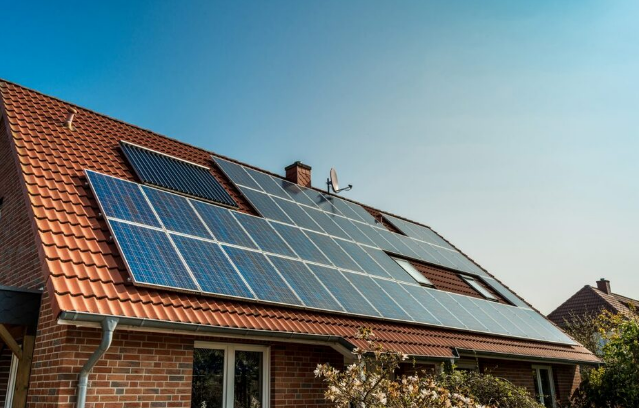
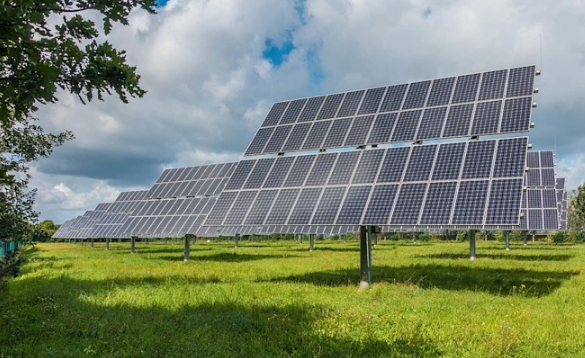
Countries that prioritize sustainability are investing heavily in clean energy sources such as solar, wind, hydroelectric, geothermal, and biomass power. These renewable technologies reduce dependence on fossil fuels while lowering greenhouse gas emissions and improving air quality. As renewable energy becomes more affordable and efficient, nations that embrace these solutions strengthen their energy security, reduce long-term energy costs, and create more resilient economies capable of adapting to future environmental challenges.
Beyond environmental protection, green investments generate significant economic benefits. The transition to sustainable technologies encourages innovation, creates high-quality jobs, and stimulates growth across industries such as manufacturing, engineering, construction, research, and clean technology development. Businesses operating in countries that actively support sustainability often benefit from improved infrastructure, government incentives, and increased consumer demand for environmentally responsible products and services.
The health benefits of sustainable development are equally important. Reducing air pollution through cleaner energy production helps decrease respiratory illnesses, cardiovascular diseases, and other health problems associated with poor environmental quality. Investments in cleaner transportation, energy-efficient buildings, and responsible resource management contribute to healthier communities while improving overall quality of life for current and future generations.
Although countries may progress at different speeds, the global movement toward sustainability continues to gain momentum. International cooperation, technological innovation, and public awareness are encouraging governments to adopt stronger environmental policies and invest in renewable energy solutions. As new technologies become more accessible and cost-effective, even nations that currently rely heavily on conventional energy sources are finding greater opportunities to accelerate their transition toward cleaner and more sustainable economies.
Ultimately, investing in green technologies is an investment in the future. Nations that prioritize environmental protection, renewable energy, and sustainable development position themselves for long-term economic resilience, improved public health, and greater global competitiveness. As climate challenges continue to shape the world, embracing sustainability is no longer simply an environmental choice—it is a strategic pathway toward creating stronger economies, healthier societies, and a more sustainable planet for generations to come.
latest posts published
About new generation thermodynamic solar systems
Solar panels and minimalist design: how to integrate them into modern architecture
The impact of solar energy on the energy market landscape

How to choose the right electric scooter for my lifestyle
Innovative solutions to monetize the energy of domestic solar panels
What is the difference between prosumer and producer of electricity
Solar panels for your business, profitable or not?
Solar panels for charging electric vehicles
Renewable solar energy: clean and healthy future