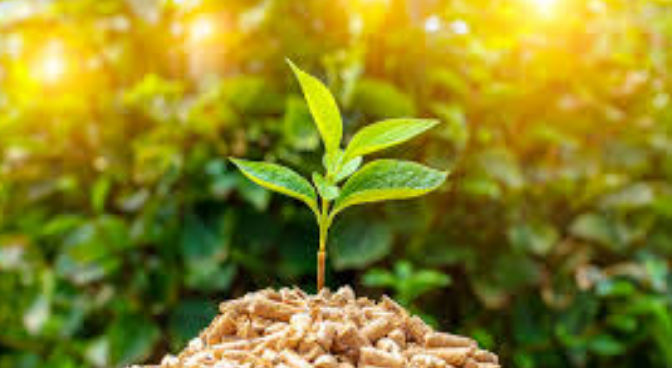
Biomass includes biological material that can be used as fuel or for industrial production. Biomass is represented by plant organic matter, metabolic residues of animal origin (waste) as well as microorganisms. Agricultural biomass includes secondary products of cultivated plants such as: straw, stems, stems (sunflower, soybean), leaves (beetroot), pods (soybean, beans), shells (walnuts, hazelnuts), seeds (plum, peach, apricot) and waste from animal farming.
In addition to agricultural biomass sources, there are also forestry ones, main and secondary material coming from the exploitation of forests and resinous and deciduous plantations. Even fossil fuels such as coal and crude oil, although not considered biomass, have their origins in plant biomass from past eras, substantially transformed by geological processes.
In this context, biomass can be burned to generate heat and electricity or it can be used as a raw material for the production of biofuels (biodiesel, bioethanol) and some chemical compounds. Biomass is biodegradable and renewable. Biomass production is a rapidly expanding sector due to the growing interest in alternative energy sources.
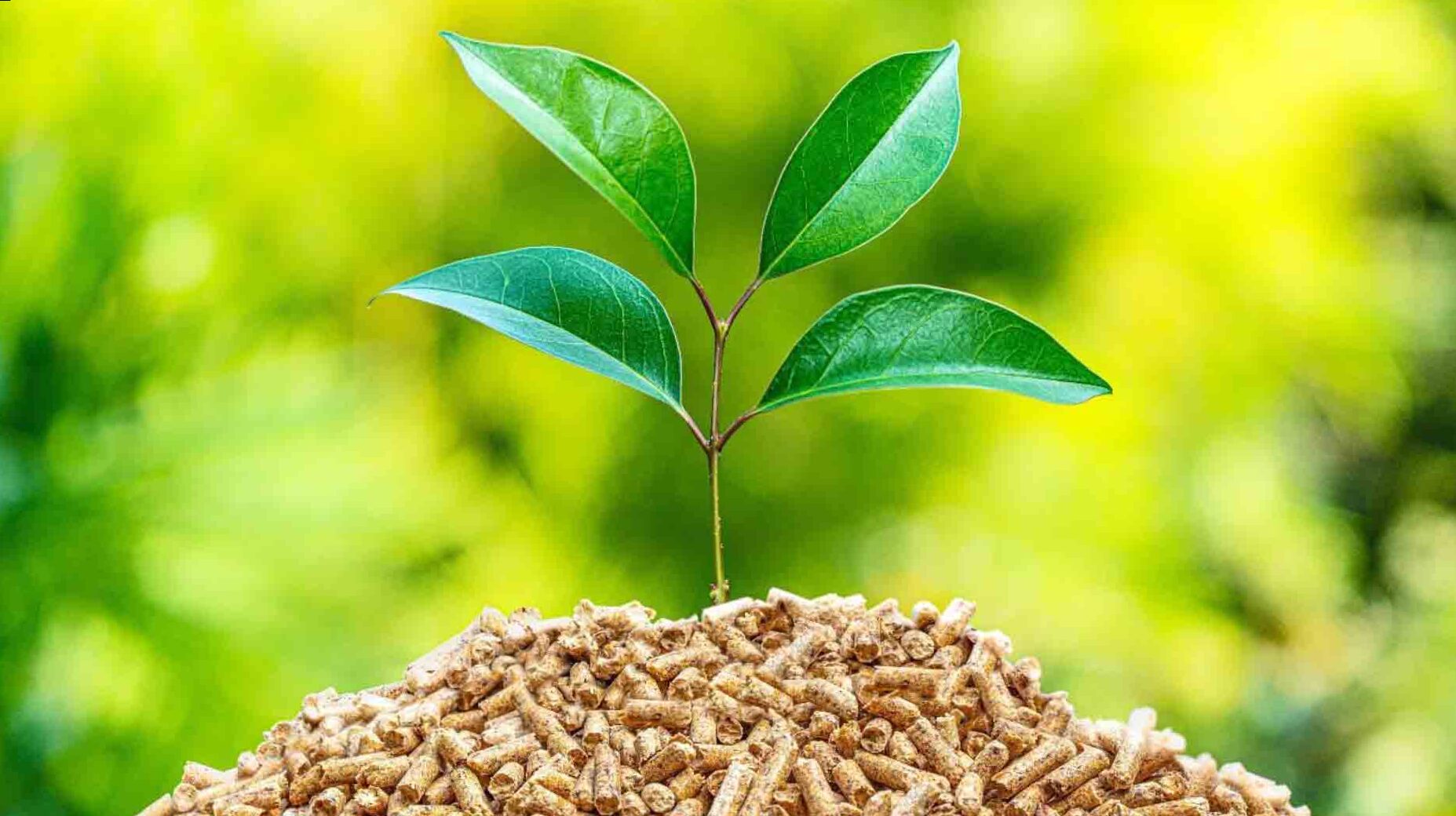
Biomass classifications
The biomass resources that can be used for energy production are very diverse. A classification can be made from the point of view of primary and secondary residues (waste) and biomass specifically grown for energy purposes:
- Primary residues are produced by plants or forest products. This biomass is available “in the field” and must be collected for its further use.
- Secondary residues become available after the use of a biomass product. It represents different wastes, which vary from the point of view of the organic fraction, including household waste, wood waste, waste from wastewater treatment, etc.
- Forest waste includes waste that can no longer be used, commercially defective trees, dead trees, and other trees that cannot be used and must be cut down to clear the forest.
Energy crops:
– trees with high growth speed: poplar, willow, eucalyptus;
– agricultural crops: sugar cane, rapeseed, sugar beet;
-perennial crops: miscanthus;
– herbaceous plants with high growth speed: switchgrass or Panicum virgatum (perennial plant that grows in North America), miscanthus or elephant grass (Uganda grass).
Biomass is used to obtain food, fodder, raw and auxiliary materials for various industries, energy.
Obtaining energy (bioenergy) from biomass is obtained:
– direct combustion with generation of thermal energy;
– combustion by pyrolysis, with generation of syngas (CO plus H2);
– fermentation with generation of biogas (CH4) or bioethanol (CH3-CH2-OH); biogas can be burned directly and bioethanol, mixed with petrol, can be used in internal combustion engines.
– chemical transformation of vegetable oil-type biomass by treatment with an alcohol and generation of esters, for example methyl esters (biodiesel) and glycerol; in the next phase the purified biodiesel can be burned in diesel engines; furthermore, vegetable oil can be burned in diesel engines as is or mixed with diesel in different proportions, but with lower qualities than biodiesel.
– enzymatic degradation of biomass to obtain ethanol or biodiesel.
From the point of view of the energy potential of biomass, the territory of Romania has been divided into eight regions, namely: Danube Delta – biosphere reserve; Dobrogea; Moldova; Carpathian Mountains (eastern, southern, western); Transylvanian Plateau; Western Plain; Subcarpathians; The southern plain.
The energy content of the different types of biomass (electric MWh)
- 1 ton of coal = 2.5 Mwh
- 1 ton of wood pellets = 1.8 – 2 Mwh
- 1 ton of sawdust = 1.8 Mwh
- 1 ton of wood chips = 0.8 – 1.5 Mwh
- 1 ton of coffee grounds = 1.6 Mwh
- 1 ton of organic waste = 10 Mwh
- 10,000 liters of oil = 40 tons of wood chips = 22 tons of pellets
- 1 ton of oil = 2.5 tons of pellets
Conclusion
Biomass has become an increasingly important component of the global renewable energy landscape, offering an effective way to transform organic materials into valuable sources of heat, electricity, and industrial products. By utilizing agricultural residues, forestry by-products, animal waste, and other biodegradable materials, biomass supports a more sustainable approach to energy production while reducing dependence on fossil fuels. As nations continue to pursue cleaner energy strategies, biomass is expected to remain a key contributor to the transition toward a low-carbon economy.
One of the greatest strengths of biomass lies in its ability to convert materials that might otherwise be considered waste into productive energy resources. Agricultural by-products such as straw, stalks, husks, shells, and pruning residues, along with forestry waste and organic livestock materials, can all be processed into bioenergy. This not only generates renewable power but also reduces waste disposal challenges, promotes resource efficiency, and supports the principles of a circular economy by giving new value to existing biological materials.
Biomass also provides significant economic opportunities, particularly for rural communities. Farmers, forestry operators, and agricultural industries can create additional revenue streams by supplying biomass feedstock for energy production. This diversification strengthens local economies, creates employment opportunities, and encourages investment in sustainable infrastructure while supporting the responsible management of natural resources.
From an environmental perspective, sustainably sourced biomass offers important advantages compared to conventional fossil fuels. When managed responsibly, biomass can contribute to lower net greenhouse gas emissions because the carbon released during energy production is largely offset by the carbon absorbed during the growth of new plant material. In addition, using agricultural and forestry residues helps reduce open-field burning and landfill waste, minimizing environmental pollution while improving overall resource utilization.
Technological advancements continue to improve the efficiency of biomass conversion processes. Modern biomass power plants, anaerobic digestion systems, and biofuel production technologies enable higher energy yields while reducing emissions and maximizing the use of available feedstocks. As innovation continues, biomass is becoming an increasingly reliable complement to other renewable energy sources such as solar and wind power, helping create more diversified and resilient energy systems.
Ultimately, biomass represents much more than an alternative energy source. It demonstrates how natural biological resources can be managed responsibly to produce renewable energy, stimulate economic development, and reduce environmental impact. By transforming agricultural, forestry, and organic waste into valuable energy resources, biomass supports a cleaner, more sustainable future while promoting efficient resource management and long-term energy security. As renewable technologies continue to evolve, biomass will remain an essential element in building a balanced and environmentally responsible global energy system.
latest posts published

About new generation thermodynamic solar systems
Solar panels and minimalist design: how to integrate them into modern architecture
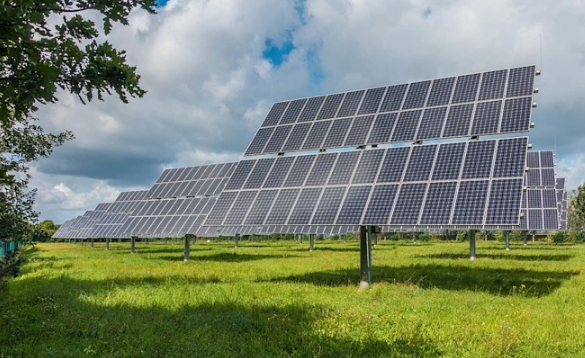
The impact of solar energy on the energy market landscape

How to choose the right electric scooter for my lifestyle
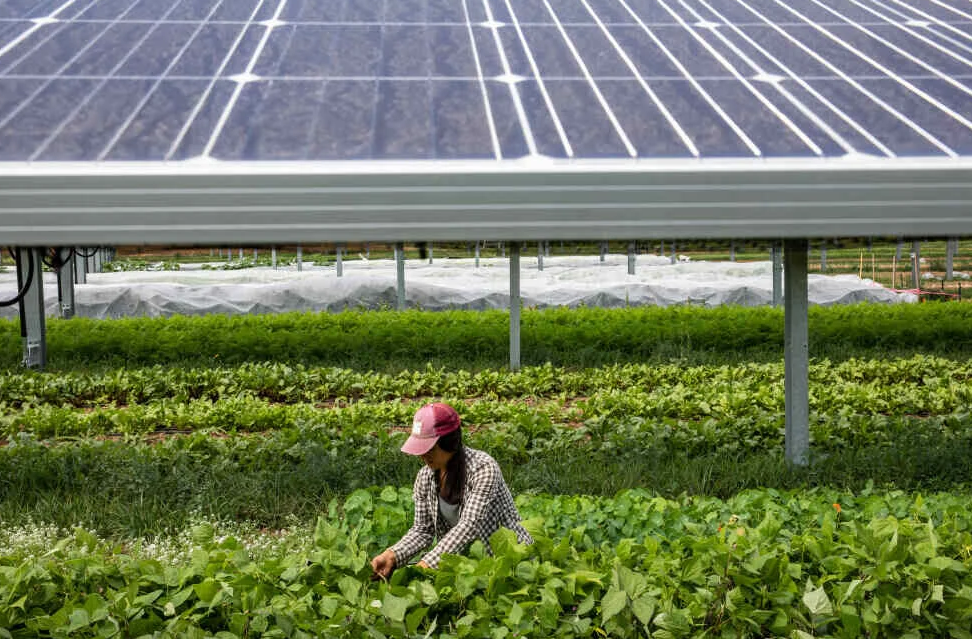
Innovative solutions to monetize the energy of domestic solar panels

What is the difference between prosumer and producer of electricity
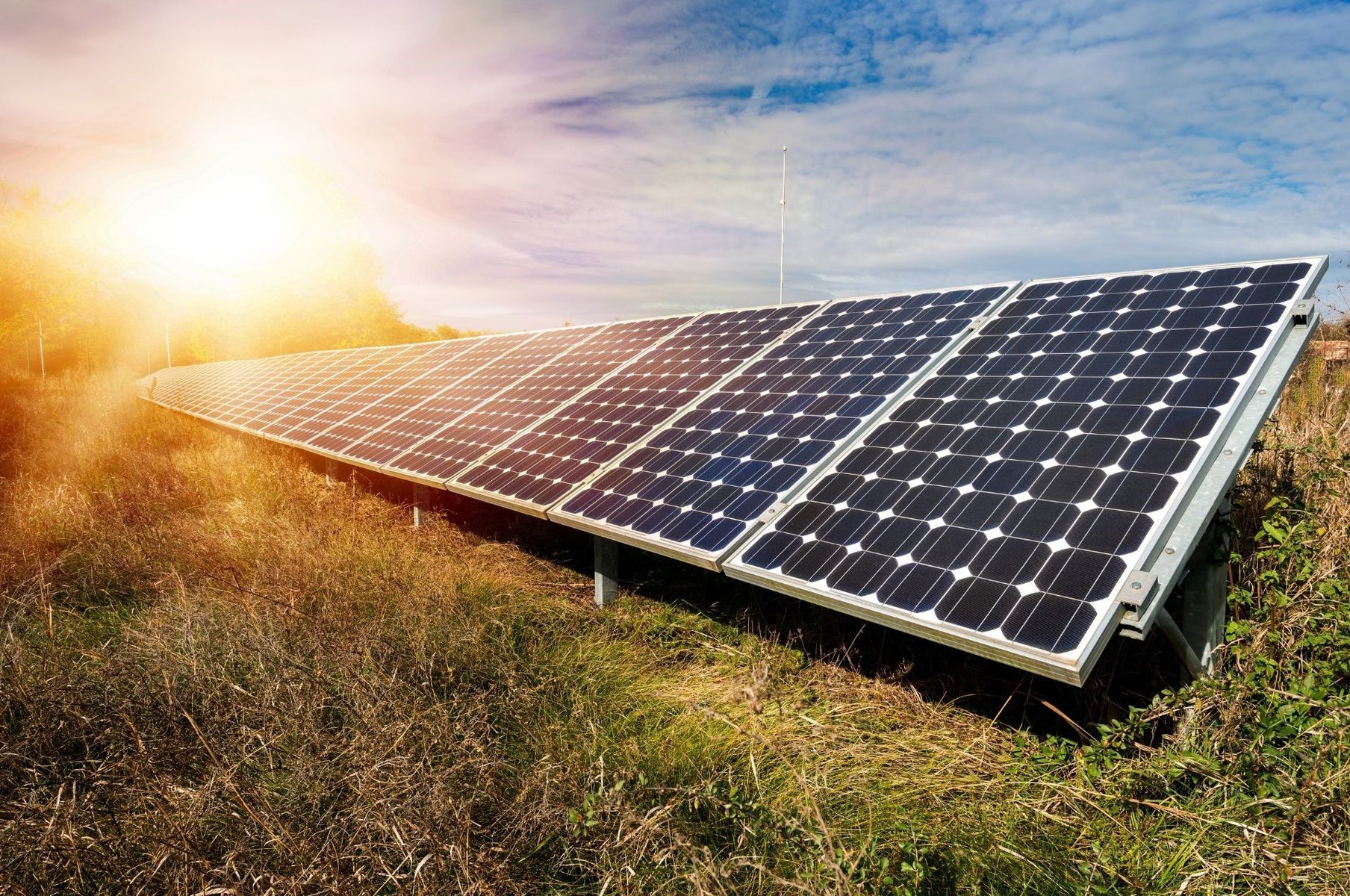
Solar panels for your business, profitable or not?

Solar panels for charging electric vehicles
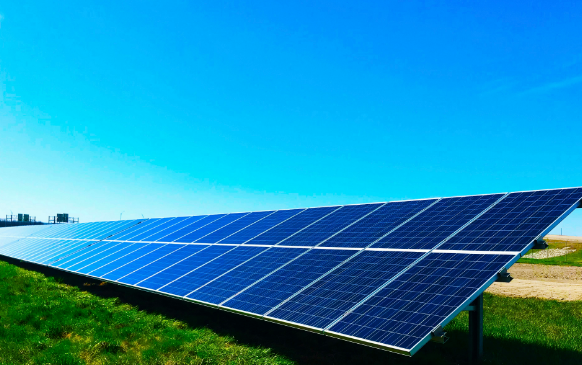
Renewable solar energy: clean and healthy future